Shining a light
Meaningful contributions and resistance efforts of historical Ontario Black settlement detailed in new account
Advertisement
Read this article for free:
or
Already have an account? Log in here »
To continue reading, please subscribe:

Digital Subscription
One year of digital access for only $205*
- Enjoy unlimited reading on winnipegfreepress.com
- Read the E-Edition, our digital replica newspaper
- Access News Break, our award-winning app
- Play interactive puzzles
*First annual payment billed as $205.00 + GST for one year. This annual subscription will automatically renew at $233.00 + GST every 52 weeks (10% off the regular annual price of $259.35). Offer available to new and qualified returning subscribers only. Cancel any time.
To continue reading, please subscribe:
Add Free Press access to your Brandon Sun subscription for only an additional
$1 for the first 4 weeks*
- Enjoy unlimited reading on winnipegfreepress.com
- Read the E-Edition, our digital replica newspaper
- Access News Break, our award-winning app
- Play interactive puzzles
*Your next Brandon Sun subscription payment will increase by $1.00 and you will be charged $17.95 plus GST for four weeks. After four weeks, your payment will increase to $24.95 plus GST every four weeks.
Read unlimited articles for free today:
or
Already have an account? Log in here »
Hey there, time traveller!
This article was published 08/02/2025 (609 days ago), so information in it may no longer be current.
This diligently researched work is a timely addition to Canadian historiography, revealing why a Black agricultural settlement fashioned some 200 years ago within what is now Dresden — a small southwestern Ontario community located in the rural municipality of Chatham-Kent — has been denied its rightful legacy as an important foundational structure for a future nation.
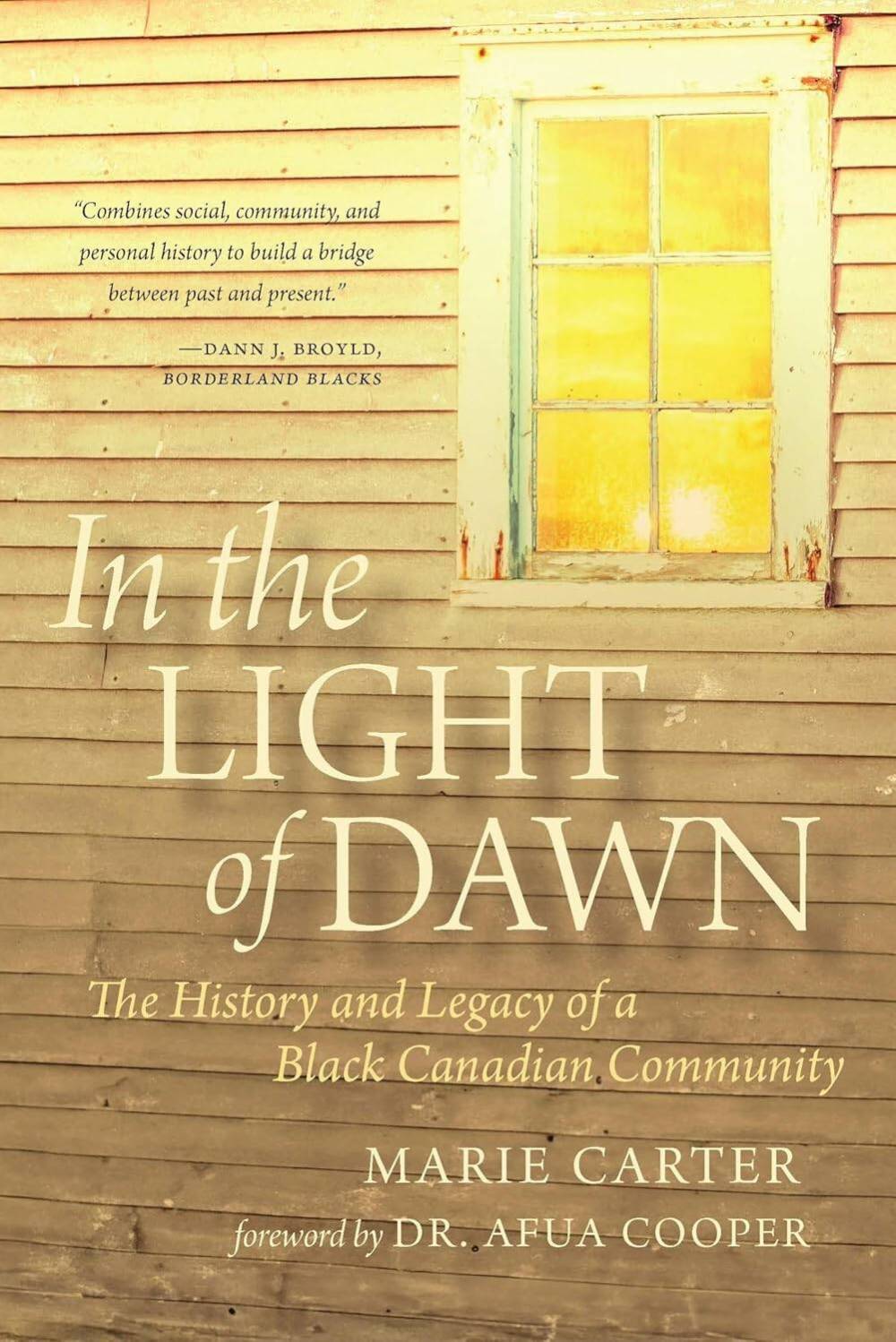
The book’s title, In the Light of Dawn, references the Dawn Settlement, a hopeful name given to a community founded largely by former slaves, who readers will learn included lesser-known brave souls who preceded those fleeing northward along the Underground Railroad routes prior to the American Civil War.
Marie Carter’s book is a timely resource, adding to the rich yet incomplete story of Black Canadian history. It features an array of historical figures, including Frederick Douglass, William Whipper and Rosa Parks, contributors to racial equality throughout North America who drew inspiration from the successes of the Dawn Settlement.
The Canadian Press files
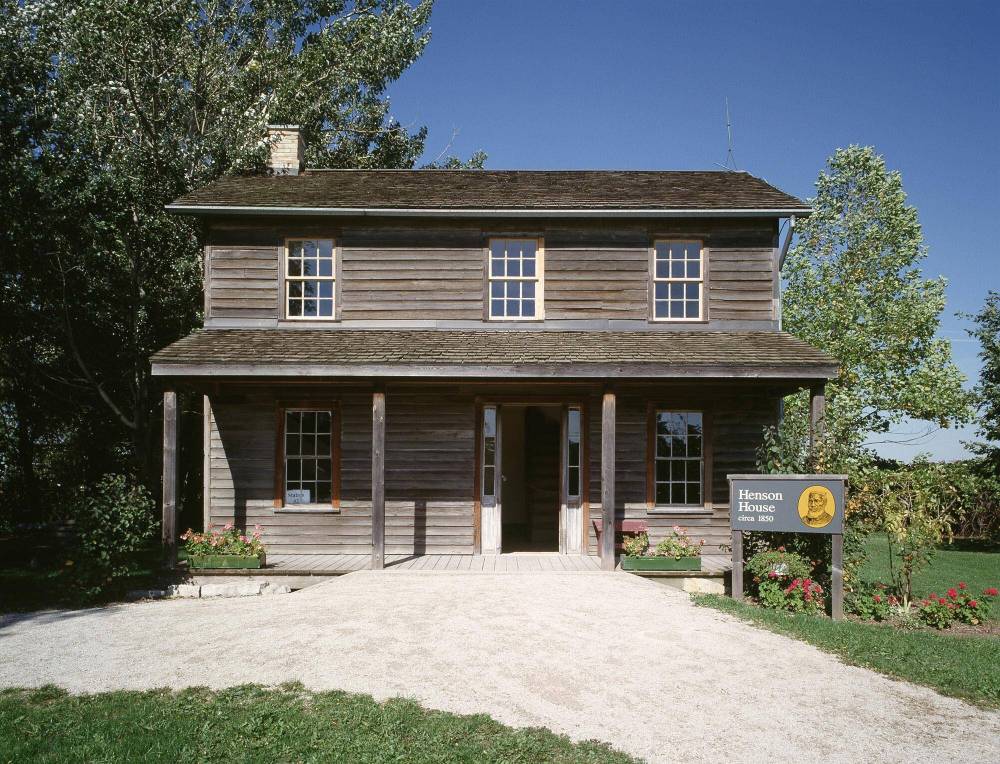
Henson House, the last home of the Rev. Josiah Henson, is one of three historic buildings located at Uncle Tom’s Cabin Historic Site in Dresden, Ont.. The site is named after Harriet Beecher Stowe’s 1852 novel Uncle Tom’s Cabin, based on Henson’s life.
Carter is a lifelong Dresden resident; In the Light of Dawn has been recognized by The Henry and Mary Bibb Black Canadian Studies, named in honour of the founders of Voice of the Fugitive, Canada’s first Black newspaper in 1851.
Carter is a proud Flemish-Canadian, actively involved in her community, working as a newspaper and church press reporter, a graphic artist and a rural outreach organizer to migrant workers.
An extensive bibliography and wide array of helpful notes supplement crisply written chapters attentive to chronological accuracy, guiding readers through the often-disrupted flow of history while offering a newer understanding of local lore.
Carter’s personal project “has taken me a lifetime of questioning and twenty years of serious research that has involved a peeling away of mythology and historical amnesia,” she writes, providing much-needed clarity to her community’s true legacy.
She describes her book as a decades-long effort having two main purposes, each of which seeks to alter long-held views of past events. As revisionist history, it proposes that the Dawn Settlement was not “a failed Black utopian colony” as it is often portrayed, but a “successful and enduring community,” and that its history represents “a two hundred year continuum of resistance and contribution.”

Courtesy of M-NCPPC/Montgomery Parks
This engraving of Rev. Henson comes from the 1881 edition of his autobiography.
Commonly portrayed by historians as a well-known but largely unsuccessful Black colony, the Dawn Settlement, along with its best-known inhabitant and former slave, Reverend Josiah Henson, are central to this re-examination of community history.
It challenges a long-accepted view that the former colony and its famous resident owe their historical significance to an even more famous novelist while overlooking more significant legacies of real-life contributions to community progress and racial harmony.
Harriet Beecher Stowe’s famous novel, Uncle Tom’s Cabin, published in 1852, closely followed Henson’s biography and has led to the fictionalized view of Henson being the “real” Uncle Tom, with Henson’s home in Dresden eventually becoming a museum with opportunistic tourism displays.
Yet as readers will learn, this romanticized depiction of a former slave overlooks the significance of Henson’s many true leadership qualities, which even prompted his participation in Britain’s 1851 Crystal Palace exhibitions, where he personally displayed wood products from his community.
Growing knowledge of such more meaningful contributions from the Black community have gradually pushed back the racial stereotypes embodied by Stowe’s “Uncle Tom,” peeling away a negative label that has often been attached to Blacks who attempt to curry favour with white people.
In the Light of Dawn

Even though Black Canadian history lacks some of the horrendous examples of racial intolerance dominating Black American history, Carter provides numerous examples reminding readers of racial prejudices that aren’t easily extinguished.
A closing chapter details the post-Second World War segregation practises in Dresden that required a decade-long struggle for racial intolerance laws to be enacted, and includes one of Carter’s especially succinct observations regarding perceived differences between Canadian and American racial attitudes:
“Canadians claim a moral high ground to Americans in our track record on slavery because of a lack of awareness of the historical record.”
Books like this have the potential of promoting such much-needed awareness.
Joseph Hnatiuk is a retired teacher.

SUPPLIED
Marie Carter