Riel-era fiction engaging, expansive
Advertisement
Read this article for free:
or
Already have an account? Log in here »
To continue reading, please subscribe:

Digital Subscription
One year of digital access for only $205*
- Enjoy unlimited reading on winnipegfreepress.com
- Read the E-Edition, our digital replica newspaper
- Access News Break, our award-winning app
- Play interactive puzzles
*First annual payment billed as $205.00 + GST for one year. This annual subscription will automatically renew at $233.00 + GST every 52 weeks (10% off the regular annual price of $259.35). Offer available to new and qualified returning subscribers only. Cancel any time.
To continue reading, please subscribe:
Add Free Press access to your Brandon Sun subscription for only an additional
$1 for the first 4 weeks*
- Enjoy unlimited reading on winnipegfreepress.com
- Read the E-Edition, our digital replica newspaper
- Access News Break, our award-winning app
- Play interactive puzzles
*Your next Brandon Sun subscription payment will increase by $1.00 and you will be charged $17.95 plus GST for four weeks. After four weeks, your payment will increase to $24.95 plus GST every four weeks.
Read unlimited articles for free today:
or
Already have an account? Log in here »
Hey there, time traveller!
This article was published 22/03/2025 (504 days ago), so information in it may no longer be current.
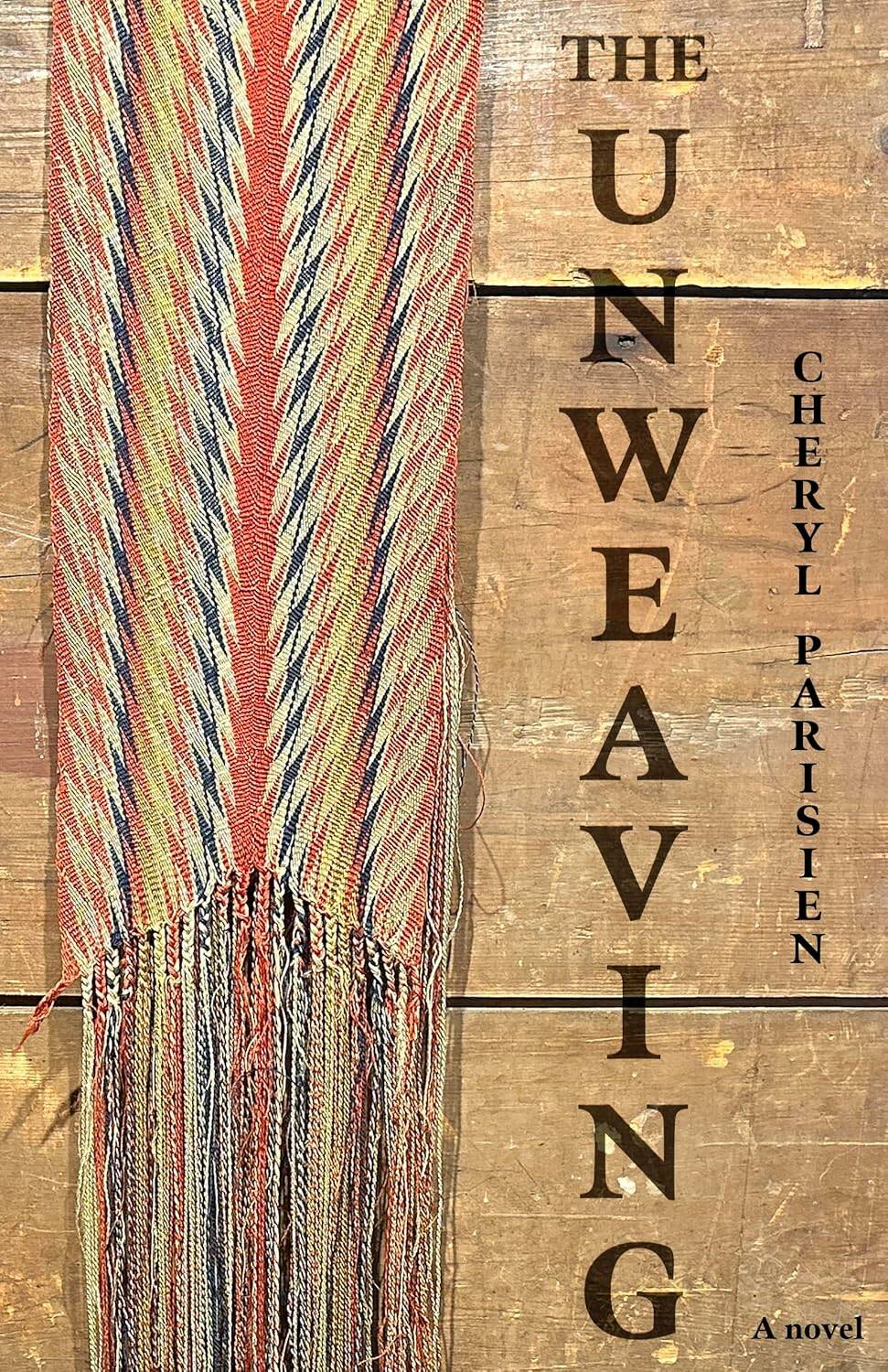
These days, many Canadians might feel threatened as U.S. President Donald Trump engages in seemingly endless rhetoric about annexing Canada. In The Unweaving, Cheryl Parisien tells the story of people in a similar situation, worried about being annexed to the newly formed country of Canada in a story that helps make the Confederation era alive and personal.
Parisien is a Métis author living in Winnipeg whose ancestors lived on Red River lots in St. Norbert. In the past few years, she has conducted extensive research into her heritage and as she explains in her author’s note, her debut novel is based on her own family history, at least loosely.
The Unweaving begins in 1869, two years after Confederation and a year before Louis Riel’s rebellion convinced the government to admit Manitoba as a province, although at a much smaller size than it is now. In the French community of St. Norbert, the children play and enjoy themselves while the adults discuss the political situation and fret about what might happen if the government decided to annex St. Norbert to Winnipeg.
The Unweaving
Personal stories and an exploration of Métis culture are central to the book. Several of the characters are involved in beadwork and stitching, helping teach the younger generation traditional crafts and keep the culture alive. Others begin to prepare for a fight with the English settlers, learning from Riel and others as they organize the rebellion. The events of the next months and years cause at least one character, Charlotte, to question the reality of free choice before she, too, makes a life-changing decision.
The first portion of the novel moves somewhat slowly, but the narrative soon speeds up as characters get involved in attempting to influence their political future. The large cast of characters occasionally makes the story a bit hard to follow.
While many readers likely know the outcome of Louis Riel’s story and the general history of Winnipeg’s growth, they will appreciate the way Parisien creates a sense of tension, inviting readers to engage with the story almost as if it just happened. The characters are well drawn and the descriptions vivid, allowing readers an engaging view of the events that shaped Manitoba’s early years.
Parisien’s extensive research brings an authenticity to her novel, and the many small details help make the story realistic and informative. The story moves from one character’s perspective to another, helping give the story a wide-ranging overview of the era, although occasionally causing some possible confusion.
Despite these few modest issues, The Unweaving is a well-written, engaging novel, with realistic characters throughout. Parisien provides enough background to allow present-day readers to understand what life was like more than 150 years ago.
Those interested in local history and historical fiction will find plenty to like Parisien’s debut novel.
Susan Huebert is a Winnipeg writer and pet sitter.