

Alexis’s beguiling stories feel like a search for home
Advertisement
Read this article for free:
or
Already have an account? Log in here »
To continue reading, please subscribe:
Monthly Digital Subscription
$1 per week for 24 weeks*
- Enjoy unlimited reading on winnipegfreepress.com
- Read the E-Edition, our digital replica newspaper
- Access News Break, our award-winning app
- Play interactive puzzles
*Billed as $4.00 plus GST every four weeks. After 24 weeks, price increases to the regular rate of $19.95 plus GST every four weeks. Offer available to new and qualified returning subscribers only. Cancel any time.
Monthly Digital Subscription
$4.99/week*
- Enjoy unlimited reading on winnipegfreepress.com
- Read the E-Edition, our digital replica newspaper
- Access News Break, our award-winning app
- Play interactive puzzles
*Billed as $19.95 plus GST every four weeks. Cancel any time.
To continue reading, please subscribe:
Add Free Press access to your Brandon Sun subscription for only an additional
$1 for the first 4 weeks*
*Your next subscription payment will increase by $1.00 and you will be charged $16.99 plus GST for four weeks. After four weeks, your payment will increase to $23.99 plus GST every four weeks.
Read unlimited articles for free today:
or
Already have an account? Log in here »
Hey there, time traveller!
This article was published 31/05/2025 (299 days ago), so information in it may no longer be current.
André Alexis has never let his novels worry too much about reality — witness, for example, the talking dogs in his 2015 masterpiece Fifteen Dogs. In his most recent novel, 2021’s Ring, Aphrodite’s ring allows the wearer to wish three changes in her beloved. The foremothers of one of the protagonists, Gwen, used the ring to change their men. Should she? Intriguing love relationships and philosophizing about love follow.
His new story collection Other Worlds is more puzzling. That the soul of Tam Modeste, an old Trinidadian buyeis (a Carib shaman), enters a dying 11-year-old boy in Petrolia, Ont., seems like the Toronto-based Alexis’s attempt to make a gut-level connection with his lost Trinidadian past — a past that recedes the more he tries to grasp it. Almost a novella within the collection, Contrition: An Isekai is the most captivating story of the nine pieces in the collection.
Waking up in Paul Williams, Tam hates the sound of English (except for Ogden Nash). Paul’s parents, though celebrating their dead son’s revival, are troubled by this new, not-so-huggable version, less so the hugging mother than the father, who finds it harder to hide his promiscuity from a buyeis than from an adolescent. In Alexis’s hands, the dual soul becomes a way of expressing an estrangement from Canada, although eventually the boy becomes more Paul than Tam.
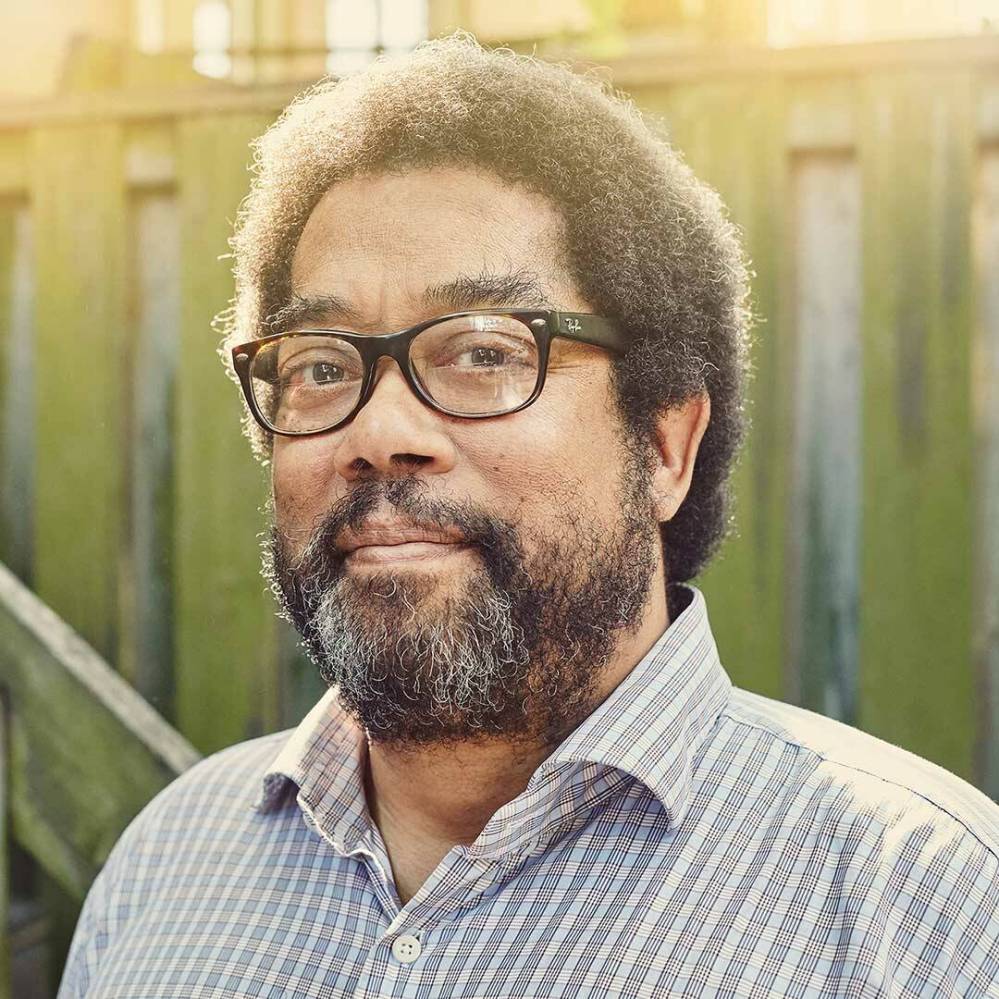
Jamie Hogge photo
André Alexis
Even stranger is The Bridle Path, in which the lawyer telling the story wants very badly to fit in with an über-wealthy group around his client Edward Bryson. “It felt,” the lawyer says, “as if I’d arrived somewhere I belonged.”
Thus, when Bryson’s wife Miranda explains that the main meat dish at the party is a boy, the lawyer isn’t sure whether to take her literally, metaphorically or ironically. Is cannibalism a shibboleth to keep out the unsophisticated?
The lawyer doesn’t want to commit a faux pas that might nudge him out of the group. Alexis, however, hints that that he isn’t quite as tight with Bryson as he imagines: one of the parties at which he feels honoured to be a guest is “for tradespeople” who have helped Bryson.
Despite the humour — the lawyer, for example, feels “chastised” when, after he shows dismay at the meat dish, Bryson calls him an “accountant” — the story is too macabre to enjoy, and Alexis’s ending never answers the lawyer’s confusion.
Without the specific critiques in Jonathan Swift’s A Modest Proposal (to which Alexis alludes), it’s difficult to discern the target of the satire. Is it rich people generally? If so, that seems unfair. Or is Alexis telling a lawyer joke, mocking the narrator for ultimately fitting in so well as a factotum to the wealthy, the equivalent of today’s Todd Blanche to Donald Trump?

Other stories go in a variety of directions; one concerns another buyeis, and one another son who, much like Paul, speculates about his unfaithful Trinidadian father.
In the final piece An Elegy (an essay, not a story), Alexis explicitly states that his writing is a “search for home” which, he soon adds, is “Trinidad, circa 1957” — in other words, the country and year in which he was born. He concludes that his father wanted to escape his home territory, Belmont in Port of Spain.
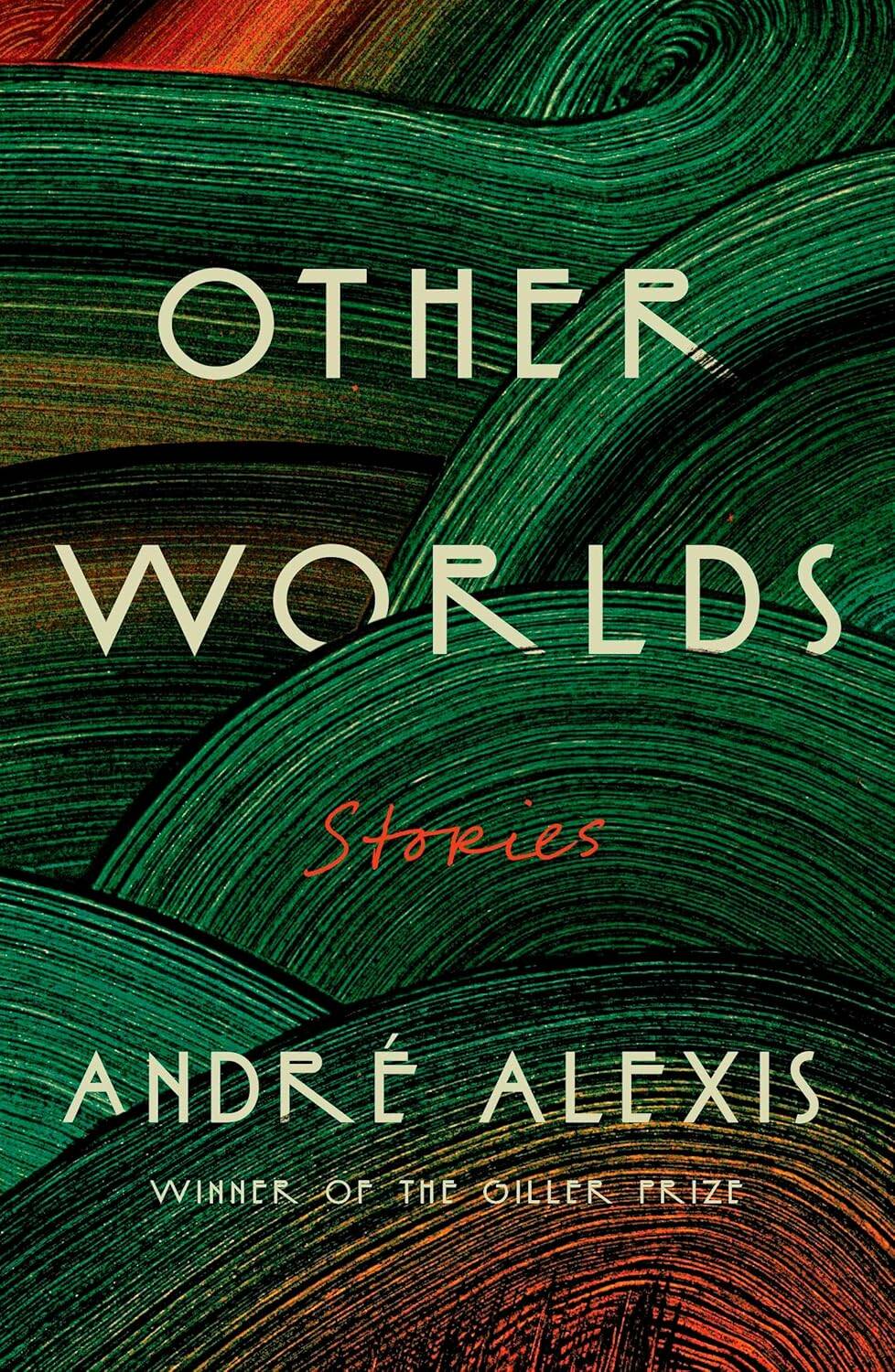
Other Worlds
Alexis also reveals that for a year in his youth, he traded the name he didn’t like — André — for a name he did: Paul.
Here and elsewhere, Alexis’s work has the air of a puzzle. If you can answer the questions posed in Other Worlds — “What is a rabbit when tied to a sofa?” or “When is a lake most likely to yield?” — then you’re ready for Alexis. (Spoiler alert: the answers are “Western” and “midnight.”)
Reinhold Kramer is a Brandon University English professor. His most recent book is Are We Postmodern Yet? And Were We Ever?.