Night shift
Life of those who work after dark explored with affection, curiosity
Advertisement
Read this article for free:
or
Already have an account? Log in here »
To continue reading, please subscribe:
Digital Subscription
One year of digital access for only $1.44 a week*
- Enjoy unlimited reading on winnipegfreepress.com
- Read the E-Edition, our digital replica newspaper
- Access News Break, our award-winning app
- Play interactive puzzles
*Billed as $5.77 plus GST every four weeks. After 52 weeks, price increases to the regular rate of $19.95 plus GST every four weeks. Offer available to new and qualified returning subscribers only. Cancel any time.
To continue reading, please subscribe:
Add Free Press access to your Brandon Sun subscription for only an additional
$1 for the first 4 weeks*
- Enjoy unlimited reading on winnipegfreepress.com
- Read the E-Edition, our digital replica newspaper
- Access News Break, our award-winning app
- Play interactive puzzles
*Your next Brandon Sun subscription payment will increase by $1.00 and you will be charged $17.95 plus GST for four weeks. After four weeks, your payment will increase to $24.95 plus GST every four weeks.
Read unlimited articles for free today:
or
Already have an account? Log in here »
Hey there, time traveller!
This article was published 28/06/2025 (483 days ago), so information in it may no longer be current.
The genesis of British author Dan Richards’ new book, Overnight, was a night spent stranded on a Swiss mountain with his father and viewing airplane lights above and moving lights in the town below. He was able to draw comfort from the fact others were out and about overnight, and he wondered what they were all doing.
Richards surveys a wide variety of nighttime vocations and avocations, including: operating huge cranes to load containers onto rail cars; nursing; baking what are apparently croissants to die for; viewing bats’ nocturnal activities; caring for new babies who run on their own clock; and reading the Shipping Forecast on BBC Radio, a 101-year-old institution of the British airwaves.
Daytime workers look at their nighttime opposites and wonder how they do it, turning the clock upside down. When do they sleep, eat or see family and friends? Couldn’t they get a normal job?
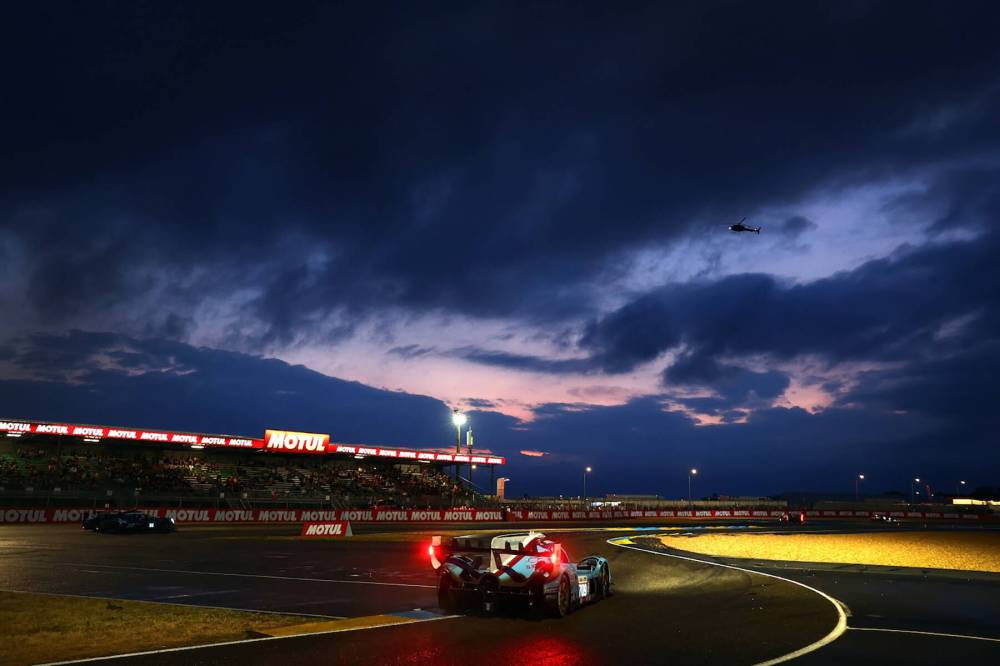
Clive Rose / Getty Images
At the annual 24 Hours of Le Mans car race in France, drivers and teams race around the clock.
There are many answers to those questions, and Richards lets the nocturnal workers tell their stories as he spends time with them after the sun goes down — intern for a night, so to speak.
He spends a shift, for example, with crane operators at Southampton docks who move containers that have arrived by freighter to rail cars destined for factories and stores, “interviewing and observing the people charged with keeping this high-vis, high-pressure, ever-moving world on track’’ in the 24-hour world of global trade.
And while those workers, like many other night owls, must deal with altered sleeping and eating patterns, they see it as a lifestyle rather than a job. And having family members who understand shift work is a help.
Bessie, one of the cargo container shunters, says she loves night work: “I focus a lot better at night. During the day, it reaches around 12 o’clock in the afternoon and I start to feel like I’m ready to go home, but nights, I could just go on forever. I’m wide awake.”
Many workers note that sleeping in the daytime often comes in two shifts — a few hours when they get home, then waking up, and a few hours’ more sleep before work. That doesn’t leave them with much time for themselves.
Night shift nurses have a special place in Richards’ heart; his mother was one, and in June 2021 he caught COVID, and on Day 8 had to be rushed to hospital in an ambulance with a dangerously low blood-oxygen level. A doctor told him later: “You were dying. We caught you just in time.”
While anyone working nights will have adjustments to make in their daytime life, Richards dwells more on the nature of their work, what benefits they get from it and, in many cases, why they feel it’s better than day work.
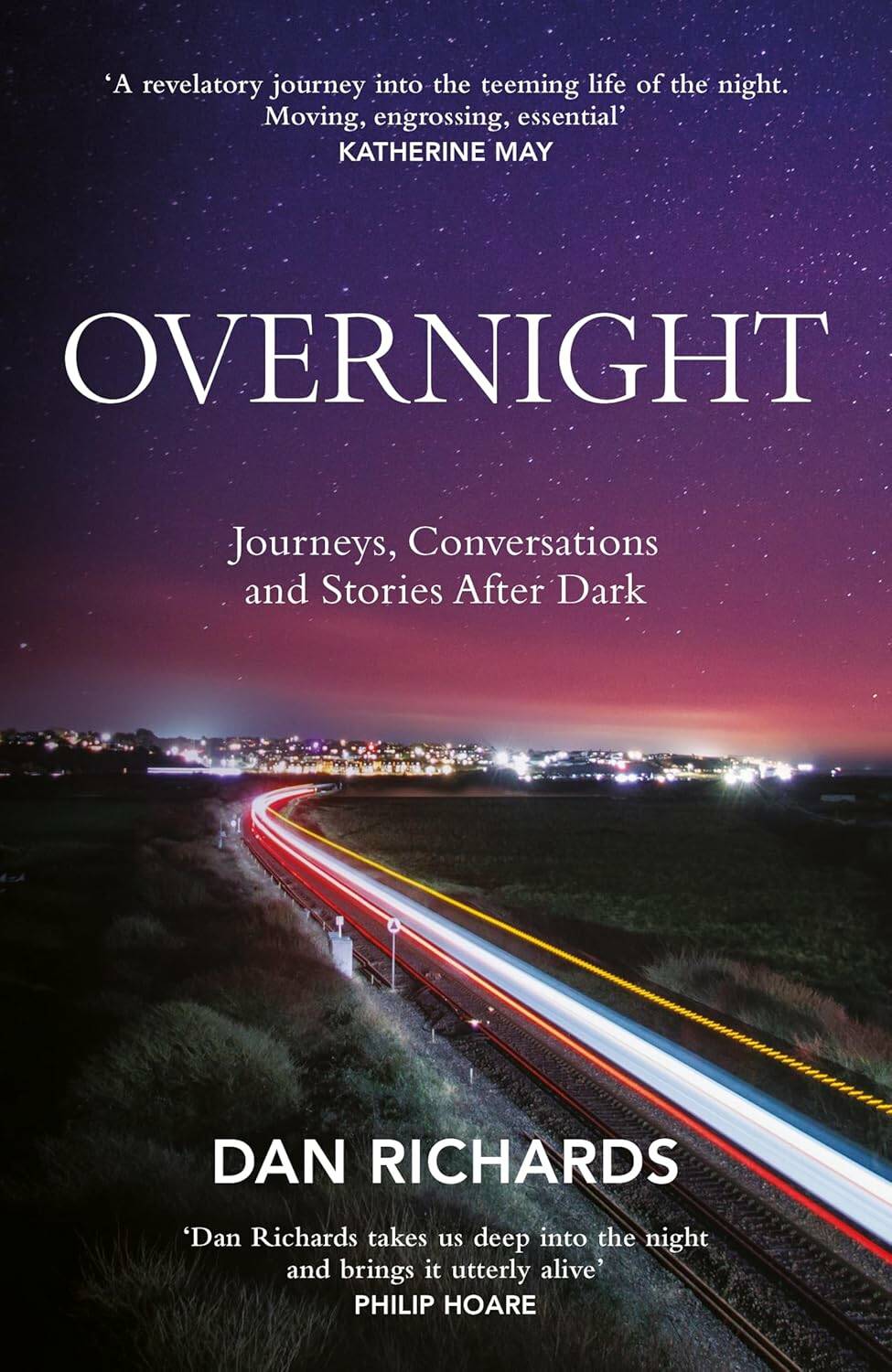
Overnight
The author’s collection of tales includes: bravery on the high seas; the immense sound of a horn as he rides beside the driver of a Royal Mail train; France’s 24-hour Le Mans motor race, where he chats with actor Michael Fassbender; and visiting rough sleepers (although he decides not to quote them, feeling it would be intrusive). Not to forget the mouth-watering, buttery aroma of fresh croissants in a bakery in a trendy area of London.
Throughout his working life as a non-fiction writer, Richards’ credo has been: “Any morning hour starting with a number lower than eight is too early, that’s my rule of thumb. In that respect, this whole book was a bad idea.”
However, his dark hours of research capture a wide variety of people performing tasks to make life easier for daytimers, or those who venture out in the night air, or down in an abandoned mine to observe bats in action. Overnight is an affectionate look at people and places of which most of us are unfamiliar.
Chris Smith is a Winnipeg writer.