Identity crisis
Fictional prelude to real-life triple murder in 1850s Scotland mulls shifting nature of identity

Advertisement
Read this article for free:
or
Already have an account? Log in here »
To continue reading, please subscribe:

Digital Subscription
One year of digital access for only $205*
- Enjoy unlimited reading on winnipegfreepress.com
- Read the E-Edition, our digital replica newspaper
- Access News Break, our award-winning app
- Play interactive puzzles
*First annual payment billed as $205.00 + GST for one year. This annual subscription will automatically renew at $233.00 + GST every 52 weeks (10% off the regular annual price of $259.35). Offer available to new and qualified returning subscribers only. Cancel any time.
To continue reading, please subscribe:
Add Free Press access to your Brandon Sun subscription for only an additional
$1 for the first 4 weeks*
- Enjoy unlimited reading on winnipegfreepress.com
- Read the E-Edition, our digital replica newspaper
- Access News Break, our award-winning app
- Play interactive puzzles
*Your next Brandon Sun subscription payment will increase by $1.00 and you will be charged $17.95 plus GST for four weeks. After four weeks, your payment will increase to $24.95 plus GST every four weeks.
Read unlimited articles for free today:
or
Already have an account? Log in here »
Hey there, time traveller!
This article was published 22/11/2025 (310 days ago), so information in it may no longer be current.
The latest novel by Scottish writer Graeme Macrae Burnet is brief and grim, rather like the lives of its characters, a family of crofters scratching a bare subsistence from the recalcitrant soil of a Hebridean island in the 1850s.
There’s a stubborn integrity to this book. Grounded in the historical documents surrounding a real-life triple murder, Benbecula continues Burnet’s stringent deconstruction of the crime genre, which began with His Bloody Project, shortlisted for the Booker Prize in 2016.
The basic facts are never in dispute. As narrator Malcolm MacPhee relates in the book’s second paragraph, “On the ninth day of July 1857 my brother Angus did to death my father, my mother and my aunt, all in the most brutal and purposeful fashion.”
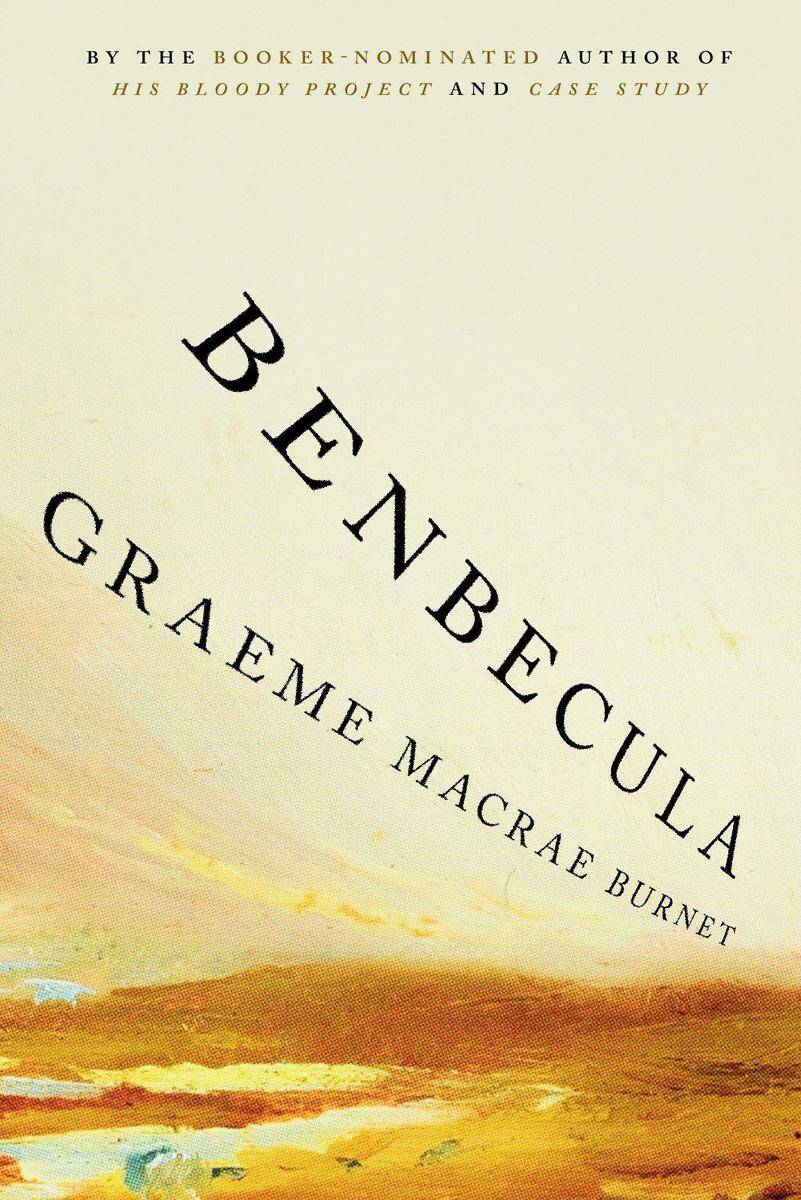
Benbecula
The novel offers a fictionalized account of the long leadup to this crime and its ugly aftermath. Mostly it’s a measured meditation on what we can and cannot know and say of other people’s lives, and Burnet tends to come down on the side of reticence.
It’s an eloquent reticence, though. Burnet catches the somewhat formal 19th-century cadences of Malcolm’s voice and wrings a kind of bleak, beautiful poetry from the harsh, impoverished lives of the MacPhee family.
It’s an island where “the land is so poor that a bushel of grain yields no more than a bushel of grain.” Still, as Malcolm says, “It is not the custom in these parts to bemoan one’s lot in life.
“When asked how things are one always replies that they are grand. You do not admit to suffering nor want.”
There’s an unsettling silence around the MacPhee family, around their relationships with each other and their neighbours. There are four grown children still living with their parents — none of the MacPhee siblings has married — in a two-room hovel. Underneath Malcolm’s terse descriptions, one senses currents of repression and resentment, of something gone wrong.
While Malcolm admits Angus was an odd child who became “properly troublesome” after puberty, it’s only gradually we realize what that might mean.
Eventually we come to the day of the murders themselves. As Malcolm acerbically notes, “I do not suppose that many among you would have the least interest in the incidents I have thus far related were it not for the fact that they serve as a prelude to violence.”
Like Burnet’s recent Case Study, Benbecula is also an investigation into the shifty nature of identity. There are slippages in Malcolm’s account, descriptions of events and people that are later contradicted. There are troubling references to his feelings towards his sister Marion, who has left the island — or perhaps gone missing — under clouded circumstances. We begin to wonder whether the seemingly cautious, rational Malcolm is an entirely reliable narrator.
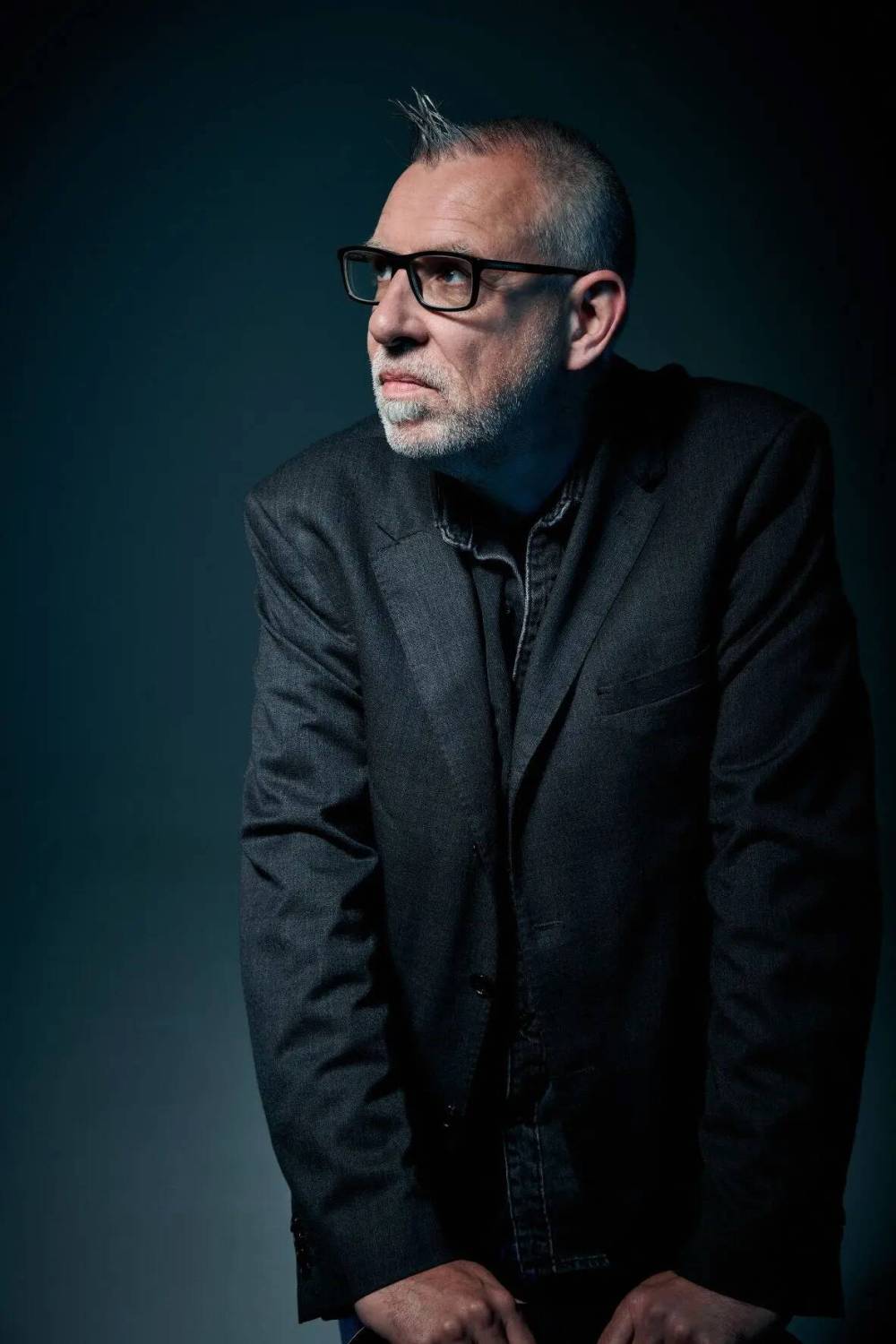
Euan Anderson photo
Graeme Macrae Burnet catches the somewhat formal 19th-century cadences of his narrator’s voice, wringing a kind of bleak, beautiful poetry from his characters’ lives.
Malcolm’s careful recall of the past also starts to bleed into odd, ambiguous descriptions of his present circumstances, some years after the murders. He is now living alone, a pariah in the community, his sense of time and space grown hazy. In these long stretches of solitude, broken only by periodic visits by a local priest and a neighbour woman, Malcolm’s darker feelings and impulses leak out.
“There is no escape from what is inside your head,” he laments. “And then I have the feeling that my skull has become the house in which I dwell.”
Though Malcolm has tried to position himself and Angus as opposites, it seems the brothers share more than Malcolm will allow. In this sense, Burnet suggests that Angus’s violence is not just an isolated act of insanity, but also a reflection of the punishing conditions in which all the islanders live.
In the non-fiction afterword to the novel, Burnet raises these issues in a more direct way. Examining the primary documents of the case — letters, asylum records, witness statements — he recognizes the limits of knowledge and the need for empathy. It’s a fitting coda to a strange and haunted book.
Alison Gillmor writes on pop culture for the Free Press. Much of her family came from islands not far from Benbecula.
Studying at the University of Winnipeg and later Toronto’s York University, Alison Gillmor planned to become an art historian. She ended up catching the journalism bug when she started as visual arts reviewer at the Winnipeg Free Press in 1992.
Our newsroom depends on a growing audience of readers to power our journalism. If you are not a paid reader, please consider becoming a subscriber.
Our newsroom depends on its audience of readers to power our journalism. Thank you for your support.
Studying at the University of Winnipeg and later Toronto’s York University, Alison Gillmor planned to become an art historian. She ended up catching the journalism bug when she started as visual arts reviewer at the Winnipeg Free Press in 1992.
Our newsroom depends on a growing audience of readers to power our journalism. If you are not a paid reader, please consider becoming a subscriber.
Our newsroom depends on its audience of readers to power our journalism. Thank you for your support.
Advertisement Advertise With Us
Advertisement Advertise With Us