Fighting for justice
Rideout spousal rape trial at the core of treatise on women’s rights and the law
Advertisement
Read this article for free:
or
Already have an account? Log in here »
To continue reading, please subscribe:

Digital Subscription
One year of digital access for only $205*
- Enjoy unlimited reading on winnipegfreepress.com
- Read the E-Edition, our digital replica newspaper
- Access News Break, our award-winning app
- Play interactive puzzles
*First annual payment billed as $205.00 + GST for one year. This annual subscription will automatically renew at $233.00 + GST every 52 weeks (10% off the regular annual price of $259.35). Offer available to new and qualified returning subscribers only. Cancel any time.
To continue reading, please subscribe:
Add Free Press access to your Brandon Sun subscription for only an additional
$1 for the first 4 weeks*
- Enjoy unlimited reading on winnipegfreepress.com
- Read the E-Edition, our digital replica newspaper
- Access News Break, our award-winning app
- Play interactive puzzles
*Your next Brandon Sun subscription payment will increase by $1.00 and you will be charged $17.95 plus GST for four weeks. After four weeks, your payment will increase to $24.95 plus GST every four weeks.
Read unlimited articles for free today:
or
Already have an account? Log in here »
Hey there, time traveller!
This article was published 27/12/2025 (264 days ago), so information in it may no longer be current.
At the beginning of her now-iconic essay, The White Album, Joan Didion famously wrote, “We tell ourselves stories in order to live.”
Didion’s phrase highlights the ways in which we use narratives to help make sense of chaotic and confusing experiences, unrelatable phenomena and misunderstood identities. One area that is often difficult to understand without the aid of a narrative is the sluggish momentum of the women’s rights movement, particularly the treatment of spousal abuse in bygone eras.
Award-winning non-fiction writer Sarah Weinman has shaped a narrative around the inextricable link between the law in the U.S. and women’s rights in the 1970s and ’80s in her latest work, Without Consent: A Landmark Trial and the Decades-Long Struggle to Make Spousal Rape a Crime.

Without Consent
At the centre of Weinman’s narrative is Greta Rideout, an Oregon woman who made history for being the first woman in American history to charge her husband with rape. In December 1978, Rideout pressed charges against her husband John Rideout and testified that he raped her one afternoon while they were still living together. The notion of spousal rape seemed ludicrous to many people across America, and at the time was a crime in only four states.
Many women’s advocates called Greta Rideout courageous for taking a stand against the brutal attack she suffered at the hands of her husband. But she didn’t see it that way. “If I hadn’t called (the police), I would have sunk into the gutter,” Rideout told a Los Angeles Times reporter. “I didn’t want to live my life like that. My mother taught me to think a lot of myself. If I hadn’t called, if I had stayed… I might have been brainwashed into thinking I had deserved it.”
Unfortunately, throughout the high-profile trial Rideout became fodder for a patriarchal nation and a symbol of misogynistic hate and scorn for women’s equality.
Then, on Dec. 27, 1978, the 21-year-old accused, John Rideout, was acquitted. The jury was unable to find him guilty of spousal rape beyond a reasonable doubt, despite substantive medical and other evidence to the contrary. Greta Rideout was devastated, with many women’s advocates calling it a huge setback for equality.
Yet as discouraging as it was, one activist felt the Rideout acquittal was still a victory for women. Gloria Allred, the co-ordinator for the Los Angeles chapter of the National Organization for Women, said the high-profile case forced the nation’s attention toward the spousal exception to rape laws with a mind to reform. She said Oregon’s law could become a model for other jurisdictions, including California, and said, “A man can’t go into a bedroom and beat his wife. Why can he go into the bedroom and abuse her sexually?”
A decades-long fight began to make spousal rape a crime in every jurisdiction across the country. Weinman highlights the hypocrisy and the sobering mentality of many at the time, including one defence attorney who proudly stated that spousal rape was perhaps “the risk of being married.”
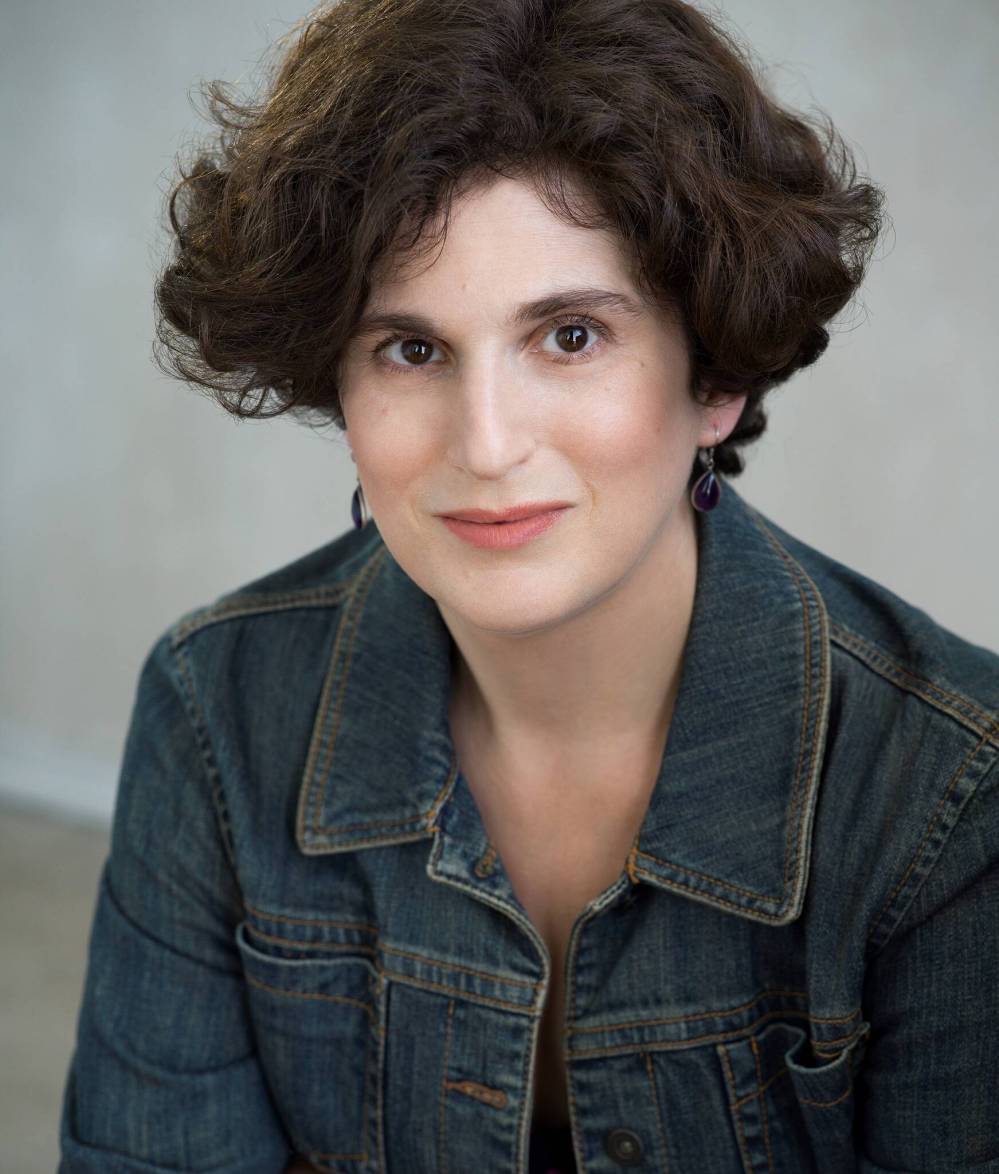
Nina Subin photo
Sarah Weinman’s book serves as a not-so-subtle reminder that the fight for equality is not over yet.
Without Consent is not an easy read. Yet its narrative sheds light on the not-too-distant past and helps create understanding about the predominant culture that once kept many women of previous generations paralyzed by a violent patriarchy.
The book also serves as a not-so-subtle reminder that the fight for equality is not over yet. In that way, Without Consent becomes an urgent read for anyone committed to continual progress.
Rochelle Squires is an avid reader and advocate for the elimination of intimate partner violence.