Navigating her new normal
Yousafzai chronicles her time at Oxford, finding love and more in new memoir
Advertisement
Read this article for free:
or
Already have an account? Log in here »
To continue reading, please subscribe:

Digital Subscription
One year of digital access for only $205*
- Enjoy unlimited reading on winnipegfreepress.com
- Read the E-Edition, our digital replica newspaper
- Access News Break, our award-winning app
- Play interactive puzzles
*First annual payment billed as $205.00 + GST for one year. This annual subscription will automatically renew at $233.00 + GST every 52 weeks (10% off the regular annual price of $259.35). Offer available to new and qualified returning subscribers only. Cancel any time.
To continue reading, please subscribe:
Add Free Press access to your Brandon Sun subscription for only an additional
$1 for the first 4 weeks*
- Enjoy unlimited reading on winnipegfreepress.com
- Read the E-Edition, our digital replica newspaper
- Access News Break, our award-winning app
- Play interactive puzzles
*Your next Brandon Sun subscription payment will increase by $1.00 and you will be charged $17.95 plus GST for four weeks. After four weeks, your payment will increase to $24.95 plus GST every four weeks.
Read unlimited articles for free today:
or
Already have an account? Log in here »
Hey there, time traveller!
This article was published 03/01/2026 (271 days ago), so information in it may no longer be current.
Remember the 15-year-old Pakistani girl who, in 2012, stood up to the Taliban in support of girls’ education and was shot in the head for her troubles?
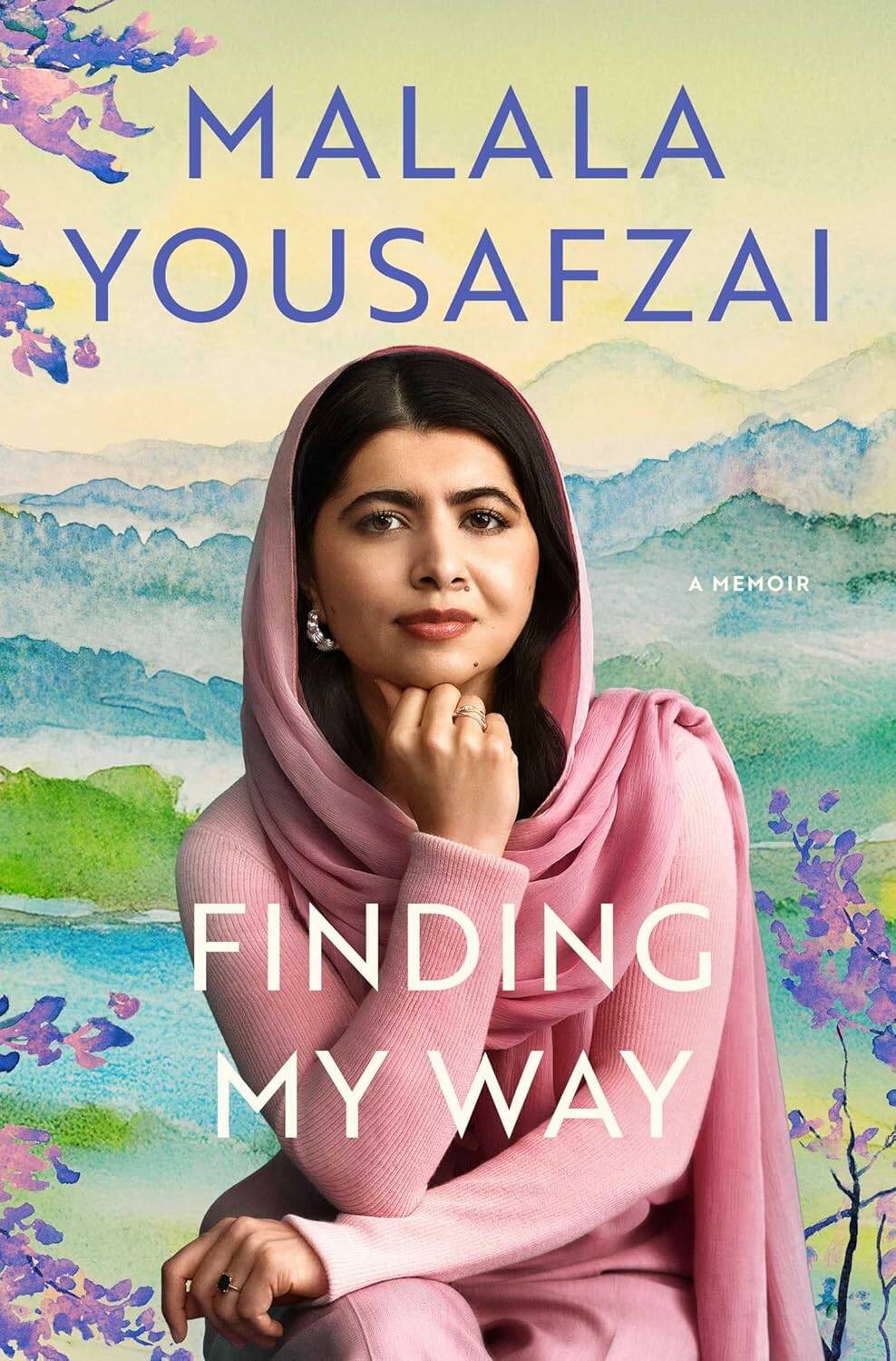
Malala Yousafzai is back, this time as a young woman, with a memoir, Finding My Way, describing her life since she was thrust onto the public stage.
After becoming the youngest recipient of the Nobel Peace Prize in 2014, Yousafzai enrolled in England’s Oxford university to study politics, philosophy and economics. She was born in Mingor, Pakistan in 1997 and graduated from Oxford University in 2020.
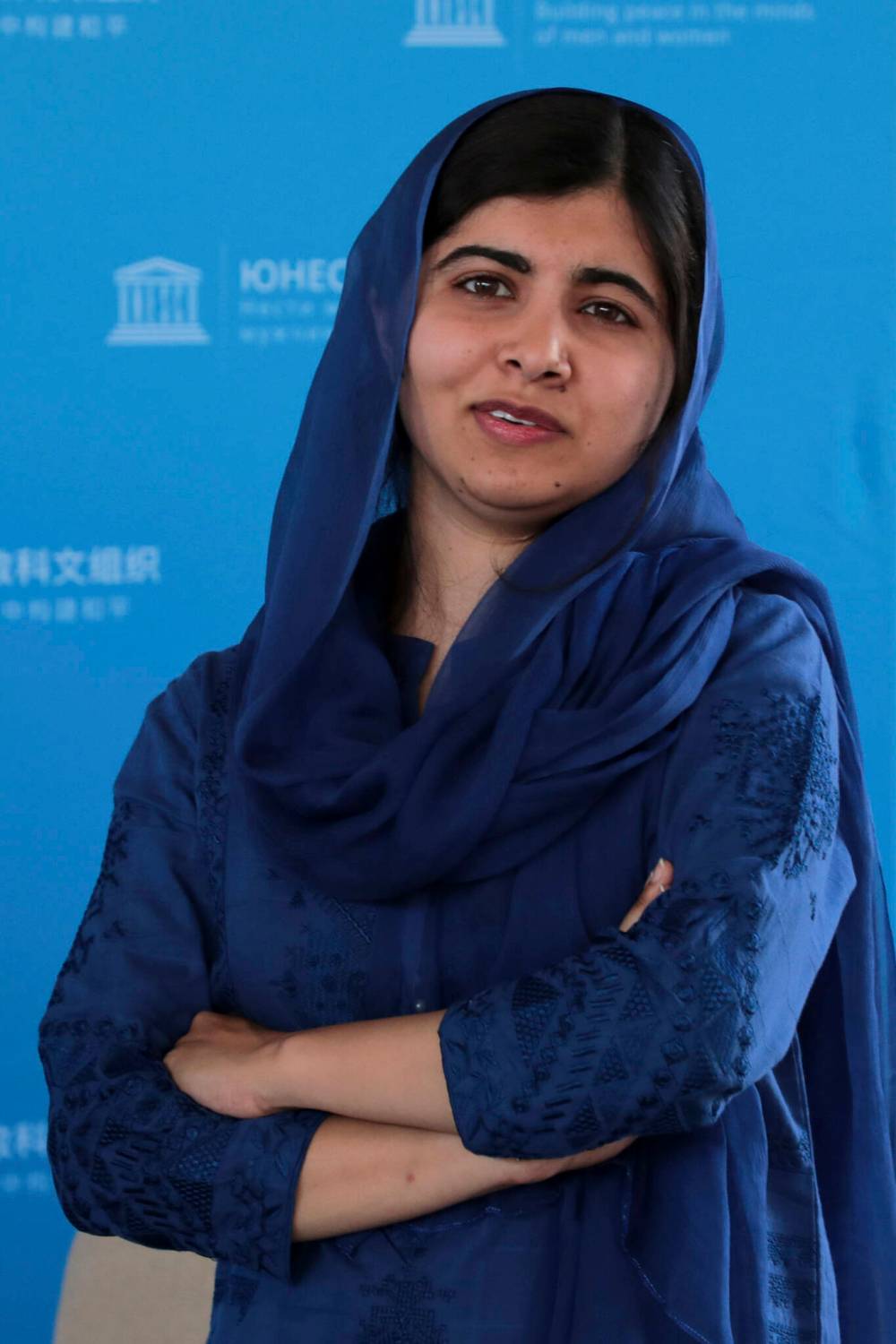
Christophe Petit Tesson / Associated Press files
Much to her mother’s chagrin, Malala Yousafzai (here in 2019) eschewed traditional Pashtun garb while at Oxford.
Finding My Way is a story of her search for friends, anxiety and first love. Yousafzai chronicles her time at Oxford, finding love and more in her new memoir that provides candid, often messy moments, such as nearly failing exams, meeting the love of her life and struggling with PTSD.
Her story is a reminder that role models are only human — they’re not perfect.
When Yousafzai arrives at Oxford, she has already used some of her Nobel money to build an all-girls school in Pakistan to improve the lot of women. “Eighty-three per cent of the women… including my mom and aunts, were illiterate. Most parents took their daughters out of school in second grade, when they were old enough to help with cooking, cleaning, and caring for younger children,” she writes.
Away from home, Yousafzai faces many struggles. “My early 20s were a tangle of anxiety and indecision, reckless nights and foggy mornings, friendship and first love,” she says.
Her life as a first-year student pretty much mirrors that of most freshman students anywhere. But unlike some, she is a prisoner to 1,000 years of tradition aimed at keeping women subservient.
There are arguments with her mother, for example, on what is proper dress. While her mother shopped for shalwar kameez, traditional Pashtun clothing, Yousafzai was trolling the internet for pictures of what typical Oxford students were wearing. These clothes she bought and hid under her bed. “I absolutely could not go to Oxford dressed like a set of neon highlighters,” she explains. Yousafzai saw her clothing choice as camouflage: “At Oxford, I wanted to blend in.” That’s tough to achieve when two security guards follow you everywhere.
One of the activities she signed up for was rowing club. On her way back from the first session, someone snapped a picture of Yousafzai in her jeans, and it quickly found its way onto the internet in Pakistan. There was an angry call from her mother. “Why did you wear those clothes?… everyone at home is talking about you.”
Yousafzai’s detailed response to her fashion crime could lead Western readers to suspect that Pakistan customs are only slightly less restrictive than the Taliban. She is cautious in case something she says or does will lead to her girls’ school being harmed.
There is a ridiculous confrontation between her mother and Prince Harry. “When he put his arm around my shoulders for a photo, my mom stepped in front of the cameras and swatted his hand away… ‘No touch!’ she boomed, wagging her finger in his face… My mom couldn’t concern herself with royal protocol or publicly embarrassing her daughter in front of a prince.” Yousafzai’s mother was much more worried about what would happen if her neighbours saw the picture.
Finding My Way
When Yousafzai graduates, she regards it as a personal victory. “Between me and the men who’d tried to stop me,” she writes, “the fight was over. I had won.”
In an interview with British Vogue magazine, Yousafzai says her biggest fear “was failing girls like the one I used to be — girls who were full of dreams, but living at the mercy of a patriarchal society that doesn’t value them.”
Along the way, she develops a romantic relationship with Asser Malik, who works for the Pakistan Cricket Board. He wants to get married, but Yousafzai doesn’t — she has all kinds of reservations, and wants answers to a series of questions.
“There are no promises or magic words to take away all your doubts. No one can guarantee the future,” Malik tells her.
Eventually, after they spend a holiday in the United States, she agrees to marriage, in a process which again breaks the bonds of a thousand-year tradition.
Gordon Arnold is a Winnipeg author.