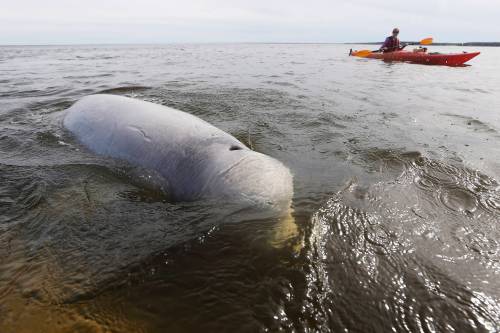
Drownings prompt poet’s ponderings on grief, loss
Advertisement
Read this article for free:
or
Already have an account? Log in here »
To continue reading, please subscribe:

Digital Subscription
One year of digital access for only $205*
- Enjoy unlimited reading on winnipegfreepress.com
- Read the E-Edition, our digital replica newspaper
- Access News Break, our award-winning app
- Play interactive puzzles
*First annual payment billed as $205.00 + GST for one year. This annual subscription will automatically renew at $233.00 + GST every 52 weeks (10% off the regular annual price of $259.35). Offer available to new and qualified returning subscribers only. Cancel any time.
To continue reading, please subscribe:
Add Free Press access to your Brandon Sun subscription for only an additional
$1 for the first 4 weeks*
- Enjoy unlimited reading on winnipegfreepress.com
- Read the E-Edition, our digital replica newspaper
- Access News Break, our award-winning app
- Play interactive puzzles
*Your next Brandon Sun subscription payment will increase by $1.00 and you will be charged $17.95 plus GST for four weeks. After four weeks, your payment will increase to $24.95 plus GST every four weeks.
Read unlimited articles for free today:
or
Already have an account? Log in here »
Hey there, time traveller!
This article was published 24/01/2026 (256 days ago), so information in it may no longer be current.
When she was 18 years old, Australian poet and author Dani Netherclift saw her father and brother drown in an irrigation channel in North East Victoria, Australia. Or, more accurately, she saw her father and brother disappear under the waves, and never saw them again.
This absence complicates Netherclift’s grief and the experience of the deaths of her family members, making that loss deeper, and leads her into a fixation on the various types of absence and emptiness left in death’s path which she explores in her memoir Vessel.
The bodies of Netherclift’s father and brother are recovered, but she’s never given the chance to see them; the medical examiner denies the family a chance to view the bodies on the basis that it would be too traumatic to see what days in the water has done to them. There’s also supposed to be an autopsy report, which never materializes — or at least Netherclift never sees it.
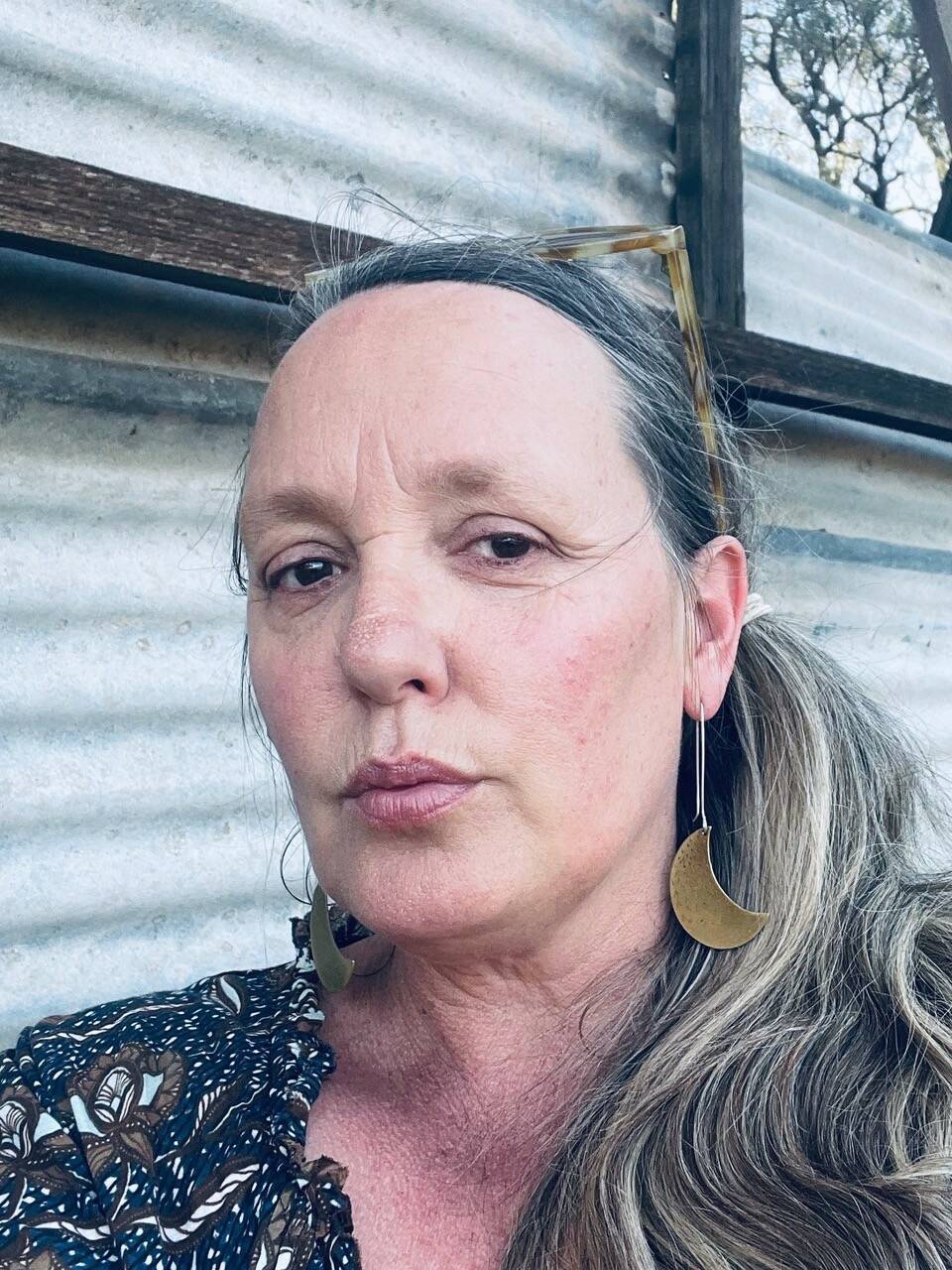
Supplied photo
Dani Netherclift
The funeral for the two men is closed-casket. This complete lack of information about her dead family members leaves Netherclift and the rest of her family with a trove of unanswered questions.
Without the confirmation of seeing the bodies, Netherclift’s grief over the loss of her father and brother is caught in limbo: they are absent, and yet Netherclift can’t quite process the finality of their death. This leads her to contemplate other forms of absence or emptiness — the vessel left behind once life has disappeared.
Netherclift offers poetic and lyrical musings on the bodies in Pompei — not actually bodies at all, but rather the air pockets left behind in volcanic rock after the bodies disappeared — Victorian death masks and the uncanny preservation of bog bodies which effectively disintegrate once exposed to air. The text is filled with images of empty envelopes addressed to her great-grandmother during the First World War. She uses the Indigenous name for the region, Ngurai-illum Wurrung Country, calling attention to the absent Indigenous populations in Australia.
The text itself is a fragmentary, almost epistolary take on a memoir. Netherclift shares thoughts on types of absence in general, such as the examples above, while sharing more about her experiences after her father’s and brother’s deaths. There are images of newspaper clippings throughout describing other drownings in the same irrigation channel, and even a clipping about Netherclift’s father and brother and her inability to rescue them. There are different versions of the event of the drowning; differing perspectives on who went in the water first and why.
Netherclift shares her own poems about the drowning and her grief, and mentions the work of writer Richard Flanagan, who narrowly survived a drowning and eventually wrote about it. She discusses a memoir written by her sister and the oddity of seeing herself and her story represented in someone else’s words and recollections.
The themes and specific sources Netherclift draws on are repeated throughout the text, the fragments building to a more inclusive understanding of her experience of grief.
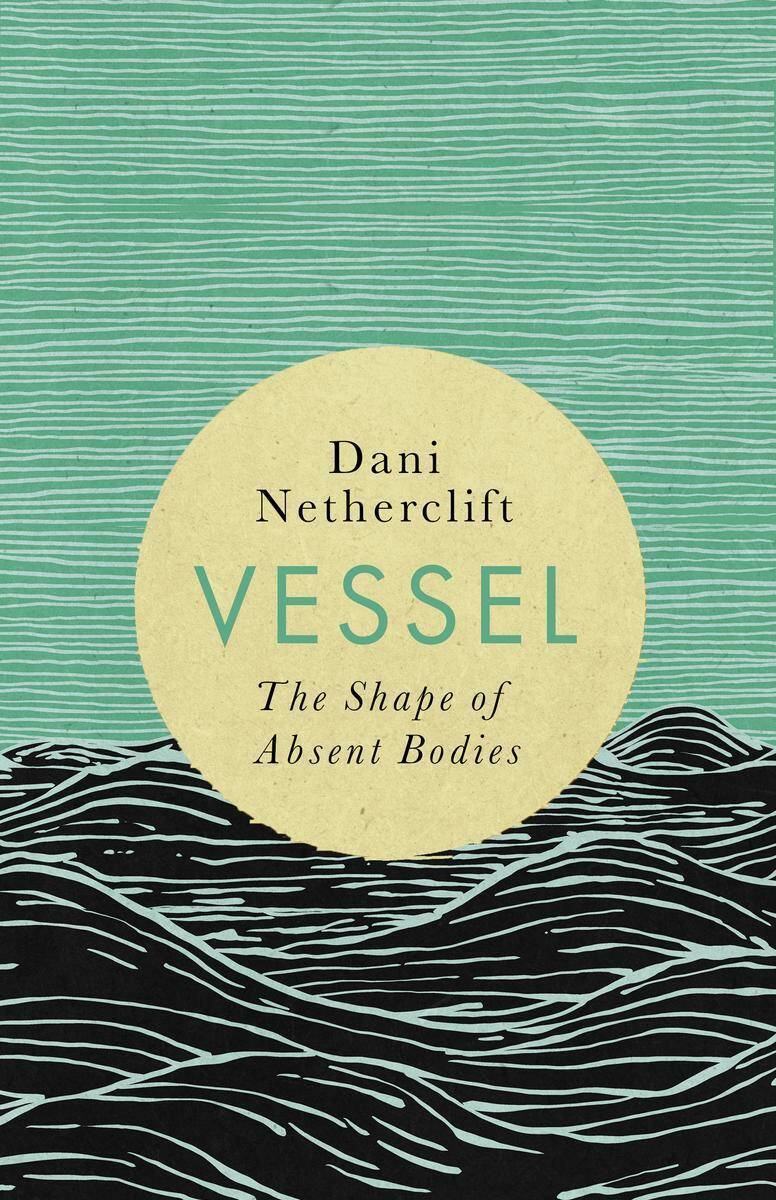
Vessel
The text is not straightforward, but neither is grief, often arriving in waves. Trauma as well is a kind of re-experiencing, the experience of the event resurfacing over and over. The full experience of reading Vessel comes together in its completion, rather than the straightforward progress on numbered pages. The revisiting of images and memories with small additions makes the text holistic in a way, circular in its examination.
Vessel is a thought-provoking, poetic elegy on loss and grief and a memoir of the powerful connection to family, even to those who are now gone.
Keith Cadieux is a Winnipeg writer and editor. His latest story collection Donner Parties and Other Anti-Social Gatherings is out now from At Bay Press. He also co-edited the horror anthology What Draws Us Near, published by Little Ghosts Books.