In his sights
Nesbo’s dark, timely new novel mulls societal decay, vengeance and gun control
Advertisement
Read this article for free:
or
Already have an account? Log in here »
To continue reading, please subscribe:

Digital Subscription
One year of digital access for only $205*
- Enjoy unlimited reading on winnipegfreepress.com
- Read the E-Edition, our digital replica newspaper
- Access News Break, our award-winning app
- Play interactive puzzles
*First annual payment billed as $205.00 + GST for one year. This annual subscription will automatically renew at $233.00 + GST every 52 weeks (10% off the regular annual price of $259.35). Offer available to new and qualified returning subscribers only. Cancel any time.
To continue reading, please subscribe:
Add Free Press access to your Brandon Sun subscription for only an additional
$1 for the first 4 weeks*
- Enjoy unlimited reading on winnipegfreepress.com
- Read the E-Edition, our digital replica newspaper
- Access News Break, our award-winning app
- Play interactive puzzles
*Your next Brandon Sun subscription payment will increase by $1.00 and you will be charged $17.95 plus GST for four weeks. After four weeks, your payment will increase to $24.95 plus GST every four weeks.
Read unlimited articles for free today:
or
Already have an account? Log in here »
Hey there, time traveller!
This article was published 07/02/2026 (246 days ago), so information in it may no longer be current.
Nordic noir star Jo Nesbo takes aim at gun control in Wolf Hour, his latest novel, and leaves readers with a moral dilemma at the end of a complex thriller set in 2016 and 2022.
While key characters have Norwegian heritage, the dark tale of murder, deceit, politics and societal decay is set in Minneapolis, in the nation that promotes gun ownership and fights gun control, the nation that regularly tallies multiple murders that are met with thoughts and prayers by the politicians who could actually confront the scourge.
Its English publication, with translation by Robert Ferguson, coincides with the recent ICE (Immigration and Customs Enforcement) crackdown, and killing of U.S. citizens, in Minneapolis.
Jarli & Jordan photo
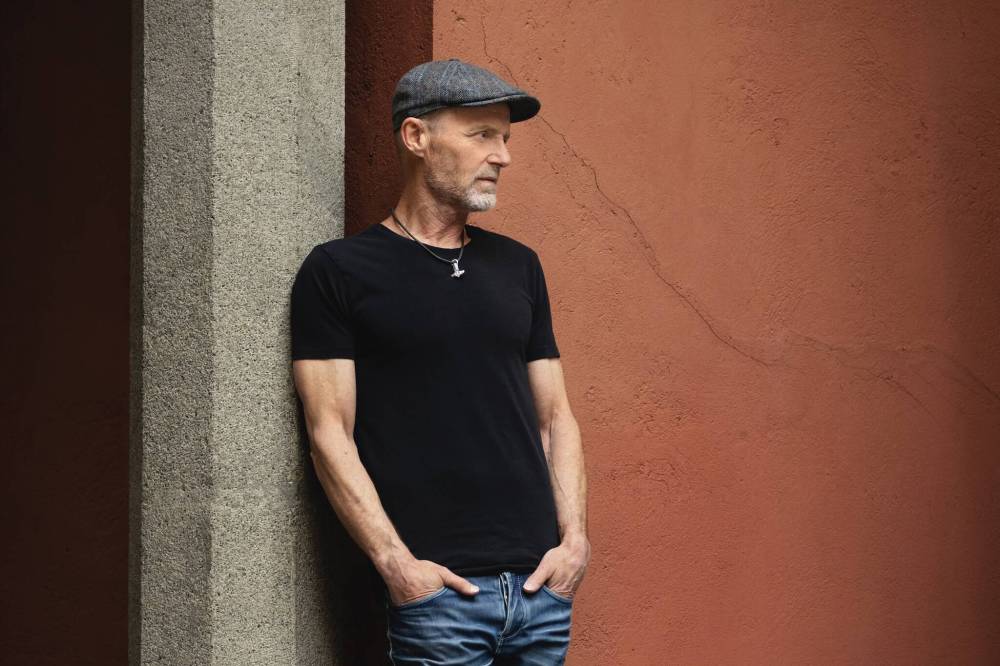
Norway’s Jo Nesbo has penned 10 standalone novels and 13 books in the Harry Hole detective series. A Netflix series based on the latter premières in March.
Readers will consider themselves clever at several junctions in the story, certain they’re on the right track to solving the convoluted case. However, Nesbo fans already know that’s only an ephemeral feeling that makes the revelation all the more surprising — or, maybe, annoying.
The story is told is alternating parts from two viewpoints: one in 2022, when Norwegian writer Holger Rudi returns to the city, where he used to visit family as a child, to research both a cousin and string of sniper murders committed in six years prior; and mostly the other, in 2016, as police attempt to track down a suspect known as Lobo, likely the onetime “killing machine” for a Mexican cartel who is out to avenge the shooting deaths of his family at a McDonald’s by gang members, and a suspect who seems to magically disappear every time they get close.
Lobo also has his sniper sights on the city’s mayor, a promoter of the National Rifle Association (NRA), who will appear onstage at the anti-gun control group’s convention in Minneapolis. As he envisions the chaos the assassination will cause, he thinks: “My despair had finally become theirs too.’’
One of the officers investigating the case is of Norwegian descent, a Bob Oz (pronounced Aaa-ss in Norwegian) who doesn’t carry a gun because of a horrific personal incident in his past. He is a hound dog, though, when it comes to investigating the murders, even as he is pulled off the case. He even enlists the help of a taxidermist in tracking Lobo.
Oz is a fairly good detective who has been broken by a tragedy — a standard crime novel character, but he is the heart of this book.

Jarli & Jordan photo
Jo Nesbo
Nesbo is the author of 10 standalone novels and the 13 books in the hugely successful Harry Hole series. Netflix has announced a series based on the Hole novels will air beinning in March.
Wolf Hour is another excellent crime thriller by Nesbo, but is unlikely to change anyone’s mind about U.S. gun-control laws even as the author makes a strong case for them to be strengthened. And he makes a point to reference the 2020 death of George Floyd (which happened after the events of the central storyline), even though the theme in this book is not police racism, but rather the issue of gun control.
In the end, Rudi says he just wants to tell a story about how good people become monsters, and Nesbo is asking readers: Is it acceptable to use violent measures to counteract/avenge violence to make a point?
It’s not as easy question to answer as it may seem on the surface.
Chris Smith is a Winnipeg writer.
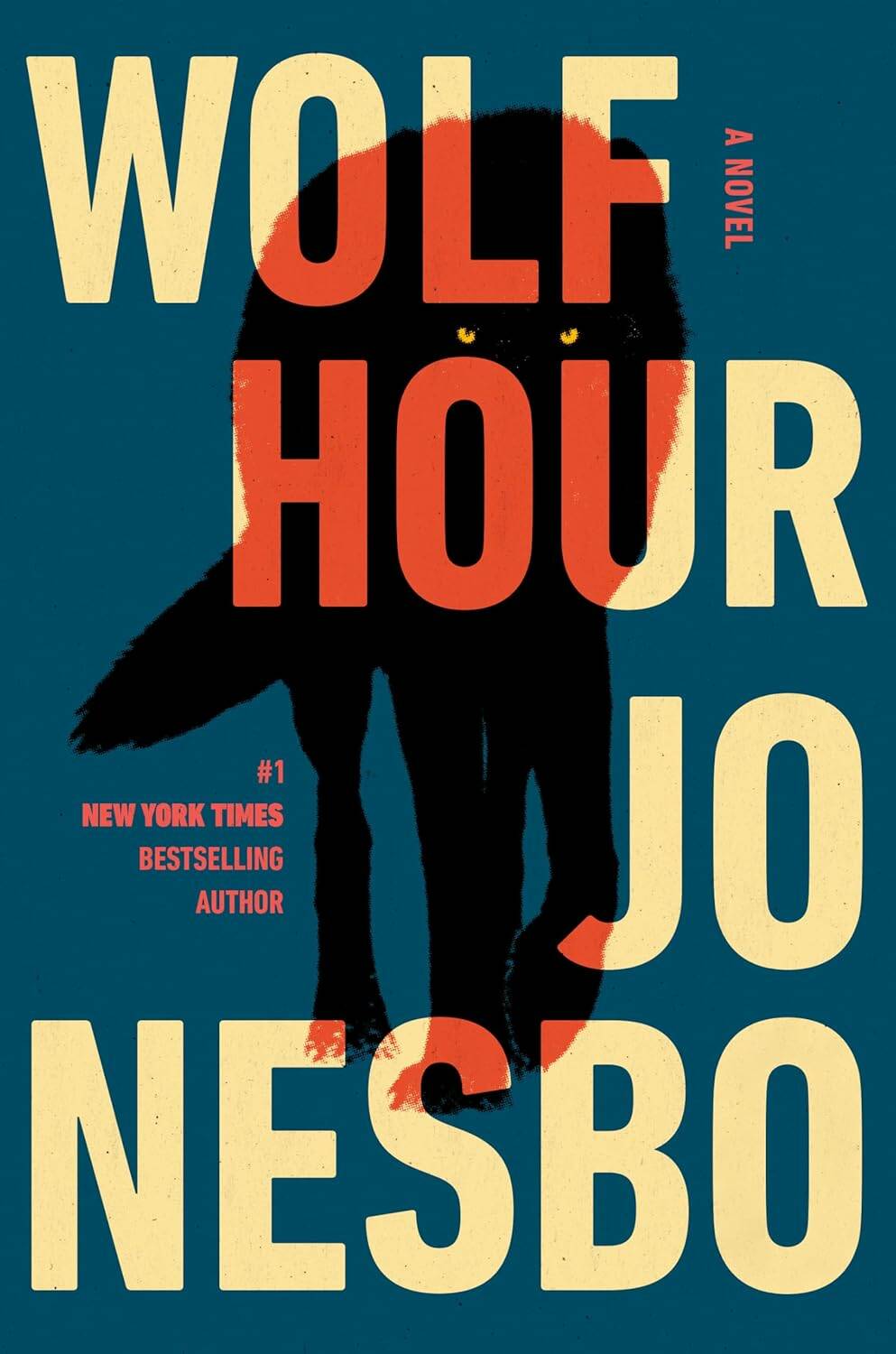
Wolf Hour