Ruddock shines in shorter fictions
Advertisement
Read this article for free:
or
Already have an account? Log in here »
To continue reading, please subscribe:

Digital Subscription
One year of digital access for only $205*
- Enjoy unlimited reading on winnipegfreepress.com
- Read the E-Edition, our digital replica newspaper
- Access News Break, our award-winning app
- Play interactive puzzles
*First annual payment billed as $205.00 + GST for one year. This annual subscription will automatically renew at $233.00 + GST every 52 weeks (10% off the regular annual price of $259.35). Offer available to new and qualified returning subscribers only. Cancel any time.
To continue reading, please subscribe:
Add Free Press access to your Brandon Sun subscription for only an additional
$1 for the first 4 weeks*
- Enjoy unlimited reading on winnipegfreepress.com
- Read the E-Edition, our digital replica newspaper
- Access News Break, our award-winning app
- Play interactive puzzles
*Your next Brandon Sun subscription payment will increase by $1.00 and you will be charged $17.95 plus GST for four weeks. After four weeks, your payment will increase to $24.95 plus GST every four weeks.
Read unlimited articles for free today:
or
Already have an account? Log in here »
Hey there, time traveller!
This article was published 07/02/2026 (251 days ago), so information in it may no longer be current.
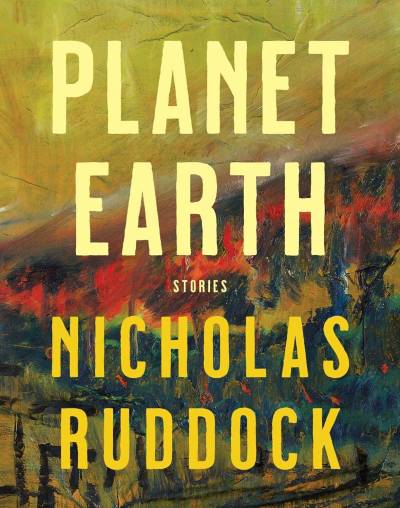
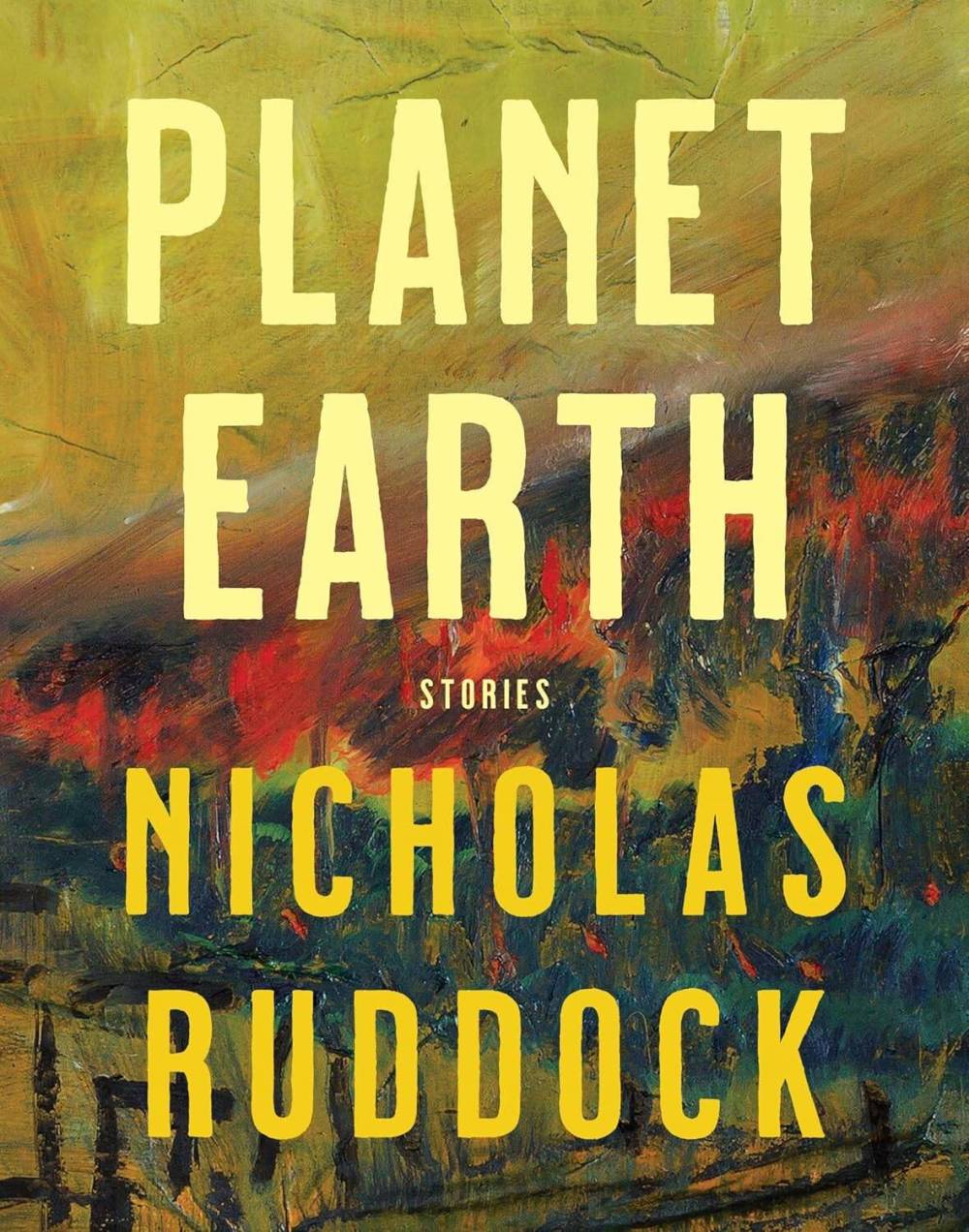
There is little doubt Ontario-based award-winning novelist Nicholas Ruddock writes with assurance while drawing in the reader with an often startling poetic atmosphere. His disparate new collection, Planet Earth, consisting of long and short stories show that, simply put, less is more.
With a few exceptions, the short pieces (or “flash fiction”) are the collection’s startling, brooding paeans to our difficult, barely remembered past and our dark, troubled present.
In First Girlfriend, the best piece in the collection, Ruddock sketches in two pages what takes him much rambling in longer stories.
Planet Earth
A chance encounter buzzing around an act of domestic violence leads the narrator to his first love. Its richness immediately grabs the reader’s imagination and emotions. It is a modest masterpiece.
More atmospheric and dark are Polio — about panic concerning the outbreak of the disease in Toronto in summer 1953 — and Transformation, which recalls a questioning about what happened to explorer Henry Hudson when he and his son were set adrift in the bay which now sports their last name, echoing down to an Inuit historical memory of the recent past.
The Glass Flowers is the most poetic, emotionally touching of the remaining short pieces. In the botanical museum in Cambridge, Mass. are the extraordinary glass-and-wire constructs of flowers, created in Dresden, “each of such delicacy as to seem to breathe from within its cabinet of glass.” Breathing is important, since this creation survived the firebombing of Dresden which sucked the air from the ground, “the furnace of revenge…flowed over flowers.”
Moving to the longer fiction yields fitful rewards. These stories range from personal reflection to politically-edged memoirs to fabulist tales.
Only one, Sweet Boy, is completely successful. Timothy, a rudderless young man, gets a job in the mansion of rock star Prince. He finds solace, even great fulfilment, in being a “duster” of the furniture. It’s simple, persuasive, open and inviting, letting the reader discover Timothy’s world.
The rest of the longer stories have a hard-to-define, insistent and didactic feel which impairs the attempted power of their poetic imagery. Often the author uses long, Joycean-style sentences to great effect, but can end as a kind of heavy rambling, like a theatrical monologue gone awry.
In Esther, a heartbreaking and angry tale of parents’ unfortunate blindness to sexual grooming of their daughter by a neighbour, what should be shock leaves the reader with a cold and distant detachment.

It, like two other stories — about repressive state politics (The Luxembourg Gardens) and personal revenge (Wolverine) — is diffuse with every image, every emotion controlled. What should hit the gut barely grazes the mind: whatever ethical or moral questions should be raised are left muddled.
Ruddock can be fun, however, although one senses he takes many things too seriously. The Phosphoresence concerns a bizarre Luis Buñuel film-like circus in Nice which sees two Newfoundland girls in a spectacular special effects routine. The girls seem superfluous since they are last minute stand-ins for the unavailable stars. There is even a sequel story (or maybe it’s a prequel, it’s difficult to tell) which also reads like a Buñuel film.
Though amusing at first, Ruddock spends too much time with this ratty circus. If it is meant as a jaundiced take on surrealism, then both stories miss the mark, being impersonal and stiff. There is even one gasp at magic realism, Knight Errant, a heavy-handed critique of European history via a film character.
As a miniaturist Ruddock is at his poetic best, though perhaps worth a look at his unsteady longer work.
Rory Runnells is a Winnipeg writer.