A strong current
Groff’s gripping stories pull the reader into their depths before surfacing for air
Advertisement
Read this article for free:
or
Already have an account? Log in here »
To continue reading, please subscribe:

Digital Subscription
One year of digital access for only $205*
- Enjoy unlimited reading on winnipegfreepress.com
- Read the E-Edition, our digital replica newspaper
- Access News Break, our award-winning app
- Play interactive puzzles
*First annual payment billed as $205.00 + GST for one year. This annual subscription will automatically renew at $233.00 + GST every 52 weeks (10% off the regular annual price of $259.35). Offer available to new and qualified returning subscribers only. Cancel any time.
To continue reading, please subscribe:
Add Free Press access to your Brandon Sun subscription for only an additional
$1 for the first 4 weeks*
- Enjoy unlimited reading on winnipegfreepress.com
- Read the E-Edition, our digital replica newspaper
- Access News Break, our award-winning app
- Play interactive puzzles
*Your next Brandon Sun subscription payment will increase by $1.00 and you will be charged $17.95 plus GST for four weeks. After four weeks, your payment will increase to $24.95 plus GST every four weeks.
Read unlimited articles for free today:
or
Already have an account? Log in here »
It makes good emotional sense that so many stories in American literary star Lauren Groff’s latest collection, Brawler, feature water. Soft and ferocious, enlivening and deadly, chemically simple yet behaviorally complex, water exerts a mysterious pull. Our bodies answer back to it, seas themselves, enclosed in flesh.
Groff is often praised for her writerly mastery and versatility. She’s as comfortable writing a contemporary domestic drama like 2015’s Fates and Furies as she is re-imagining the life of the 12th-century poet Marie de France in 2021’s Matrix. Her work radiates energy.
What comes powerfully across in Brawler is how vulnerable our world of social contracts is to our inner seas. According to one character, “in every human there is both an animal and a god wrestling unto death.”
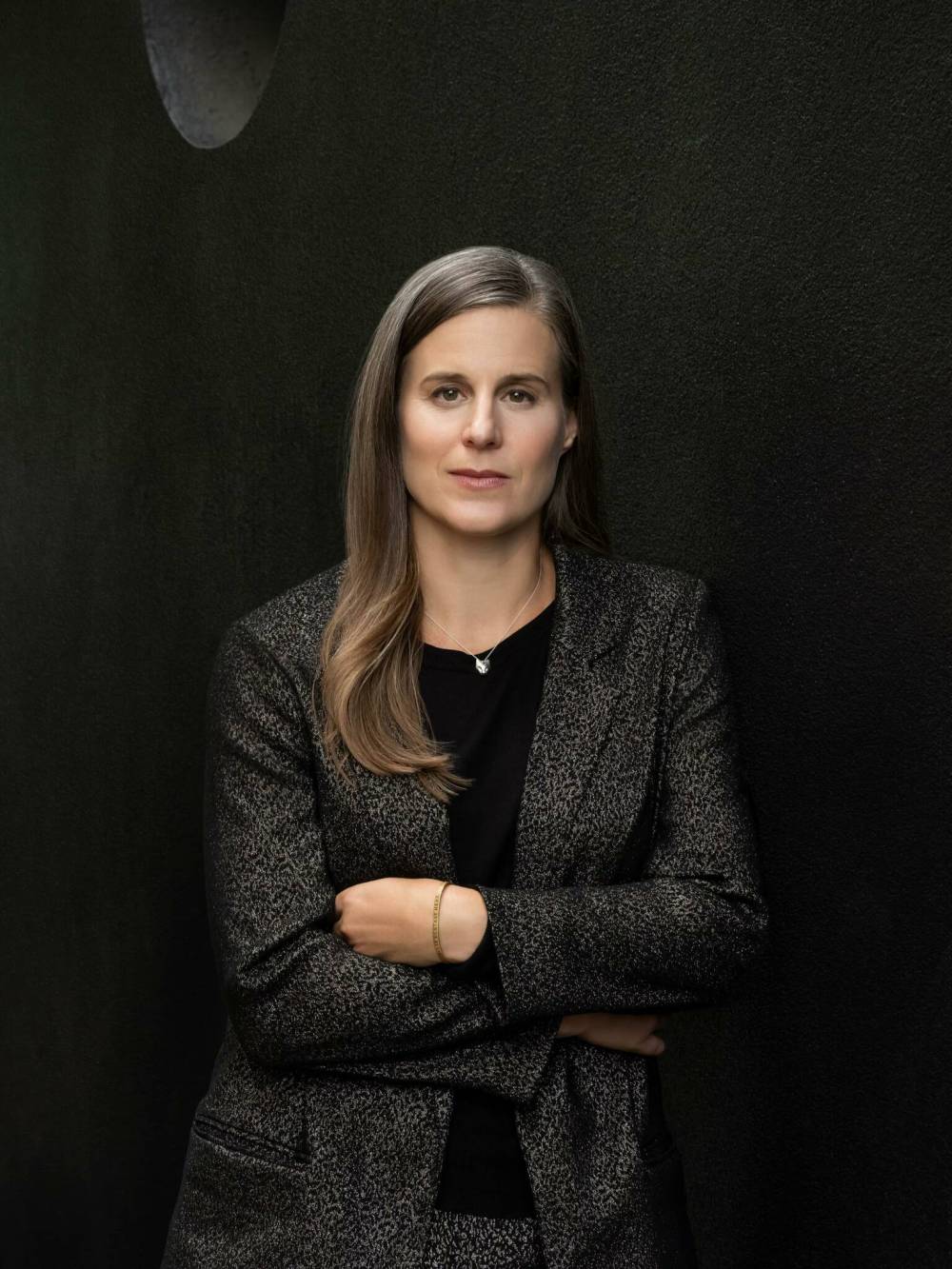
Beowulf Sheehan photo
Lauren Groff is often praised for her writerly mastery and versatility.
The nine stories in Brawler are set between the 1950s and the present. In The Wind, a man who is supposed to uphold the law violates it in his own home. In Under the Wave, a woman loses her child and takes another in a single day. In To Sunland, a girl abandons her disabled brother at an institution to seek a better future for herself, knowing all the while that she is in agony.
The collection’s social bonds — between spouses, siblings, friends, parents and children — strain against the inner turbulence of its characters. Often, in these stories, bonds break; this breaking feels painful and cathartic. Sometimes the reader’s empathy and judgment are so entangled, it is overwhelming. This is the point.
The collection’s longest story, What’s the Time, Mr. Wolf? is one of its best. An average, sweet boy named Chip happens to be born into an elite New England banking family. His small, good self, the quiet observer who treads softly, atrophies over decades into a drunk wreck who clings to a privilege nobody deserves. When he is sent to dry out at his family estate and encounters the working-class woman named Pearl, whom he’d first met during a traumatic event in his childhood, he will choose between truth and delusion.
In the excellent Birdie, four old friends gather over peach schnapps to tell stories “about the worst things they’d ever done.”
Birdie is dying. She is also the pin in the wheel drawing Nic, Melodie, and Sammie together. As Nic is about to tell the story of the relationship she had with a couple when she was 17, the others swoop in to accuse her of the parts they think they already know. At the same time, Birdie makes a confession only Nic will understand. The story offers a brilliant display of miscommunications, half-truths and near-misses, reminding us of the mysteries of others.
Sometimes the stories are so controlled in their movements that the collection’s desired moral complexity is ever-so-slightly smoothed over. This isn’t true of the final story, Annunciation, which is wild, archetypal, with the luminosity of dreams. After her parents don’t come to her college graduation, a young woman flees west to “the spectral dusk,” “the golden light” of California. There she rents a cottage from a tall, fragile, ancient German woman with a black bob, “a strangely wizened child” who “belonged to the world of the Black Forest, wolves, dark magic.”
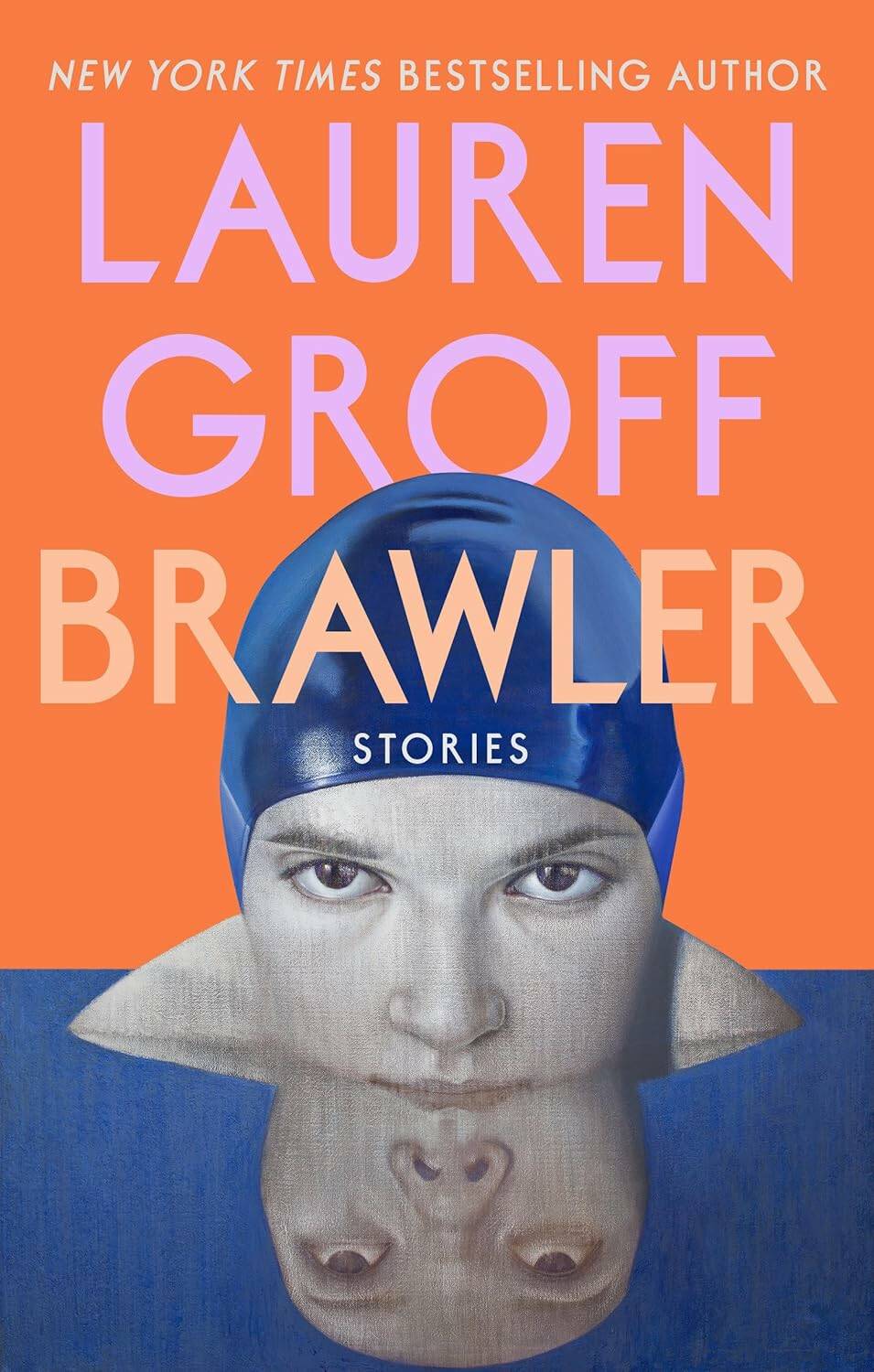
Brawler
Her name is Griselda. She is the story’s wise woman, but she can’t prevent the narrator’s small, dark “secret intention” from overpowering everyone, even if it is just once.
The experience of reading Brawler is like being caught by a strong current, pulled down into the dark, and brought back up for air, where the memory of the deep continues to frighten and enthrall.
Seyward Goodhand is a Winnipeg writer and instructor.