Filling the gap
Story of women in apartheid-era South Africa a welcome addition to the literary landscape
Advertisement
Read this article for free:
or
Already have an account? Log in here »
To continue reading, please subscribe:

Digital Subscription
One year of digital access for only $205*
- Enjoy unlimited reading on winnipegfreepress.com
- Read the E-Edition, our digital replica newspaper
- Access News Break, our award-winning app
- Play interactive puzzles
*First annual payment billed as $205.00 + GST for one year. This annual subscription will automatically renew at $233.00 + GST every 52 weeks (10% off the regular annual price of $259.35). Offer available to new and qualified returning subscribers only. Cancel any time.
To continue reading, please subscribe:
Add Free Press access to your Brandon Sun subscription for only an additional
$1 for the first 4 weeks*
- Enjoy unlimited reading on winnipegfreepress.com
- Read the E-Edition, our digital replica newspaper
- Access News Break, our award-winning app
- Play interactive puzzles
*Your next Brandon Sun subscription payment will increase by $1.00 and you will be charged $17.95 plus GST for four weeks. After four weeks, your payment will increase to $24.95 plus GST every four weeks.
Read unlimited articles for free today:
or
Already have an account? Log in here »
Hey there, time traveller!
This article was published 21/03/2026 (193 days ago), so information in it may no longer be current.
Kagiso Lesego Molope’s fifth novel We Inherit the Fire is set in South Africa during the dying days of apartheid in the late 1980s. Schools and neighbourhoods are being desegregated, and people are reckoning with the past and taking stock of what they have lost.
Despite these themes, this is a quiet novel which examines the life of one family.
Molope is an Indigenous novelist and playwright of the San people of Southern Africa. She won the 2019 Ottawa Book Award for Fiction for her young adult novel This Book Betrays My Brother and, in 2014, she was the first Black author to receive the Percy FitzPatrick award for the best South African childrens’ book in English. She lives in the Ottawa area.
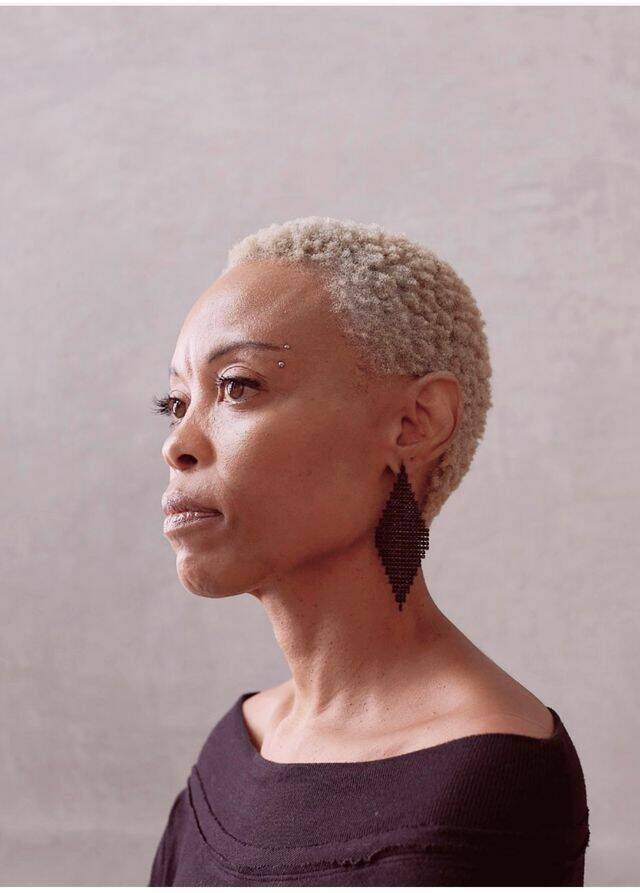
Rémi Thériault photo
Kagiso Lesego Molope’s depictions of South Africa’s social landscape of the 1980s feel deeply authentic.
The story centres around teenaged Kelelo and her mother Kewame. In Kewame’s own teen years, she started a protest that turned into a riot and led to her imprisonment. She is now known as the “Mother of the Nation,” revered by the Indigenous Black population. However, years of incarceration have taken their toll, and Kewame struggles to be a present and active mother to her four daughters, while also dealing with a failing marriage and the impending death of her beloved grandmother.
The social landscape of this tumultuous period is brilliantly drawn and feels deeply authentic. Molope shows how apartheid taints every interaction. White parents call urgently to their little children for even looking at a Black person. Vacation planning requires finding a hotel that will accept Black guests. A priest who offers Kewame sanctuary later betrays her to authorities. White teens react with spiteful violence to Black teens taking public transit for the first time.
Apartheid’s destruction of family bonds is also rendered with excruciatingly sensitive detail. When teenaged Kewame was running from police, her mother and grandmother couldn’t help her because they were too busy sheltering other womens’ children. Adult Kewame is sometimes unable to get out of bed, even when her own daughters need her. Kewame’s husband struggles with jealousy and resentment of his wife because, as South Africa looks to the future, having served time in prison for anti-apartheid activity is a mark of status and honour, which his wife can claim but he cannot.
The experiences of women and girls under apartheid have received insufficient attention in fiction; We Inherit the Fire is a welcome and important book that fills this gap.
Despite this promising and beautifully presented backdrop, the finer brushstrokes of the family story are not quite as successful. The characters and plot remain fairly static, and while perhaps this is intentional and meant to show how hard it is to progress beyond trauma, some readers may long for more movement.

Early chapters are consumed with Kelelo’s disappointment at Kewame’s seemingly muted and disinterested response when Kelelo gets her first period. She struggles to reconcile her friends’ assumption that the mother of the nation is equally maternal at home with the reality of Kewame’s emotional unavailability. This conflict takes up a significant page count without ever being resolved.
Kelelo’s parents remove her from her Setswana language school, populated only by Black girls, when the first Indian pupil arrives and receives preferential treatment. She is then sent to a majority white English-language school, where she is subjected to racism far worse than any she experienced at the Setswana school, making her parents’ rationale for switching schools seem puzzling. It would make sense that, in a newly integrated South Africa busy re-establishing ties with the rest of the world, attending an English-language school could be beneficial, but this is not the reason Kelelo’s parents give her.
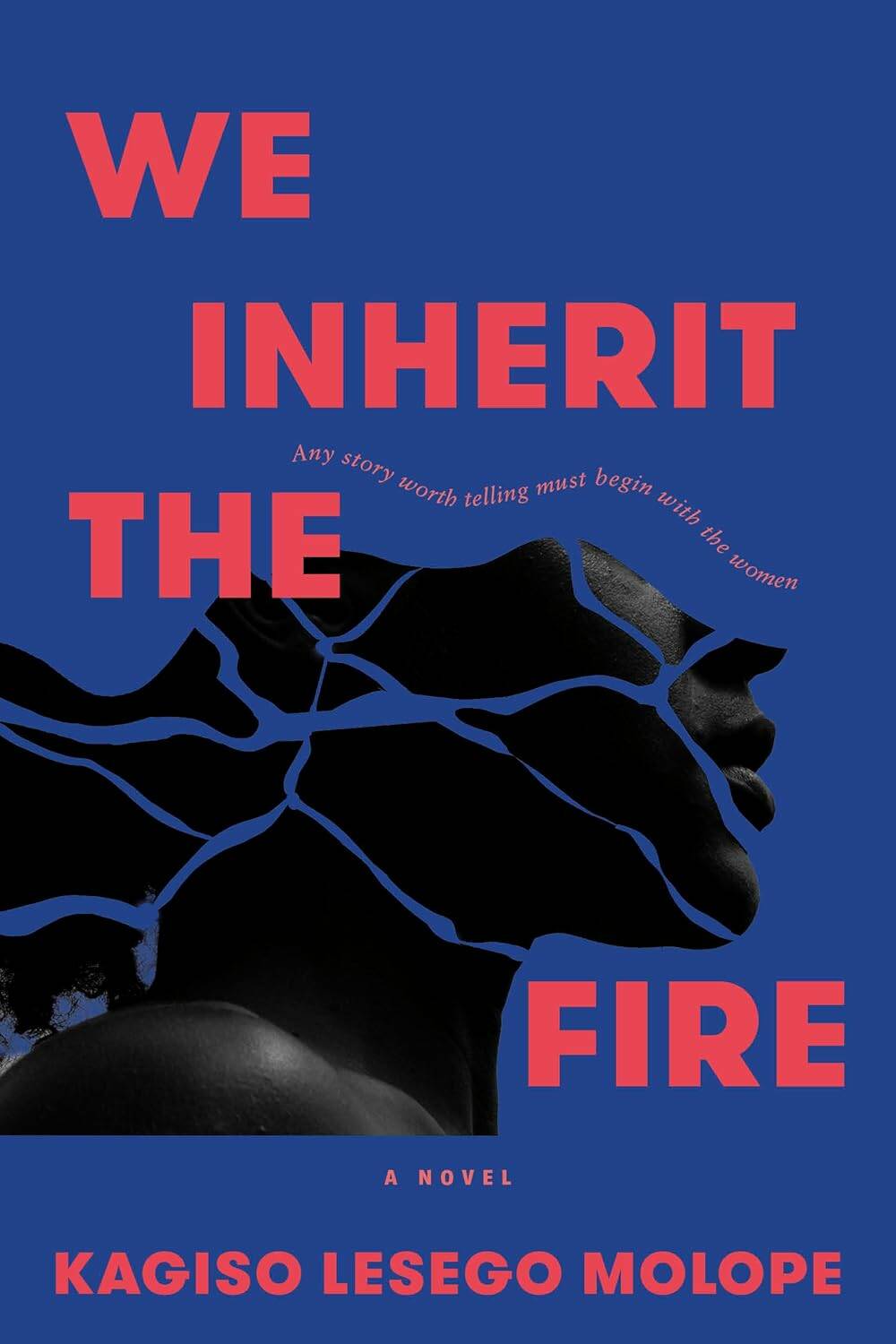
We Inherit the Fire
Kelelo’s school transfer also occurs abruptly, midway through the book. Though changing schools is at least as momentous an event for a young woman as menarche, there is no discussion or worry about it beforehand — it just drops onto the canvas like an unexpected blob of paint. Even after violent conflict breaks out at Kelelo’s new school, there are no great moments of reckoning or change for either Kewame or Kelelo, and their relationship at the end of the novel, with Kelelo now in university, is exactly the same as it was at the novel’s opening. Rather than fire, Kelelo has inherited only passive resentment.
Just as Kewame is a better mother to the nation than to her own daughters, We Inherit the Fire is a stronger portrait of a country than of a family. Despite this, it is a compelling read thanks to prose that sizzles with gorgeous sparks of anger, trauma and longing before catching fire in a glorious blaze of truths that must be told.
Zilla Jones is a Winnipeg-based writer of short and long fiction. Her novel The World So Wide was published in April 2025.