Jarman’s short stories offer dazzling literary landscapes
Advertisement
Read this article for free:
or
Already have an account? Log in here »
To continue reading, please subscribe:

Digital Subscription
One year of digital access for only $205*
- Enjoy unlimited reading on winnipegfreepress.com
- Read the E-Edition, our digital replica newspaper
- Access News Break, our award-winning app
- Play interactive puzzles
*First annual payment billed as $205.00 + GST for one year. This annual subscription will automatically renew at $233.00 + GST every 52 weeks (10% off the regular annual price of $259.35). Offer available to new and qualified returning subscribers only. Cancel any time.
To continue reading, please subscribe:
Add Free Press access to your Brandon Sun subscription for only an additional
$1 for the first 4 weeks*
- Enjoy unlimited reading on winnipegfreepress.com
- Read the E-Edition, our digital replica newspaper
- Access News Break, our award-winning app
- Play interactive puzzles
*Your next Brandon Sun subscription payment will increase by $1.00 and you will be charged $17.95 plus GST for four weeks. After four weeks, your payment will increase to $24.95 plus GST every four weeks.
Read unlimited articles for free today:
or
Already have an account? Log in here »
Hey there, time traveller!
This article was published 21/03/2026 (208 days ago), so information in it may no longer be current.
In his new powerful collection of short stories Smash & Grab, New Brunswick-based writer Mark Anthony Jarman continues his mastery of the form, with seemingly no limits to his fervid imagination.
All 14 stories show Jarman brilliantly and seamlessly tackling any genre, from memoir to offbeat sci-fi to manic surrealism. One among many of the great pleasures in reading him is being absorbed into the wide emotional turmoil of his protagonists’ embattled worlds. As one critic correctly put it, “(his) style is the work’s substnce, its DNA.”
One senses that his prototypical narrator, a rough-hewn, enraged but also surprsingly tender man, wants to exist in an endless story surrounded and enshrined by literary/musical references, but unfortunately lives in this concrete world of crumbling architecture and despoiled nature.
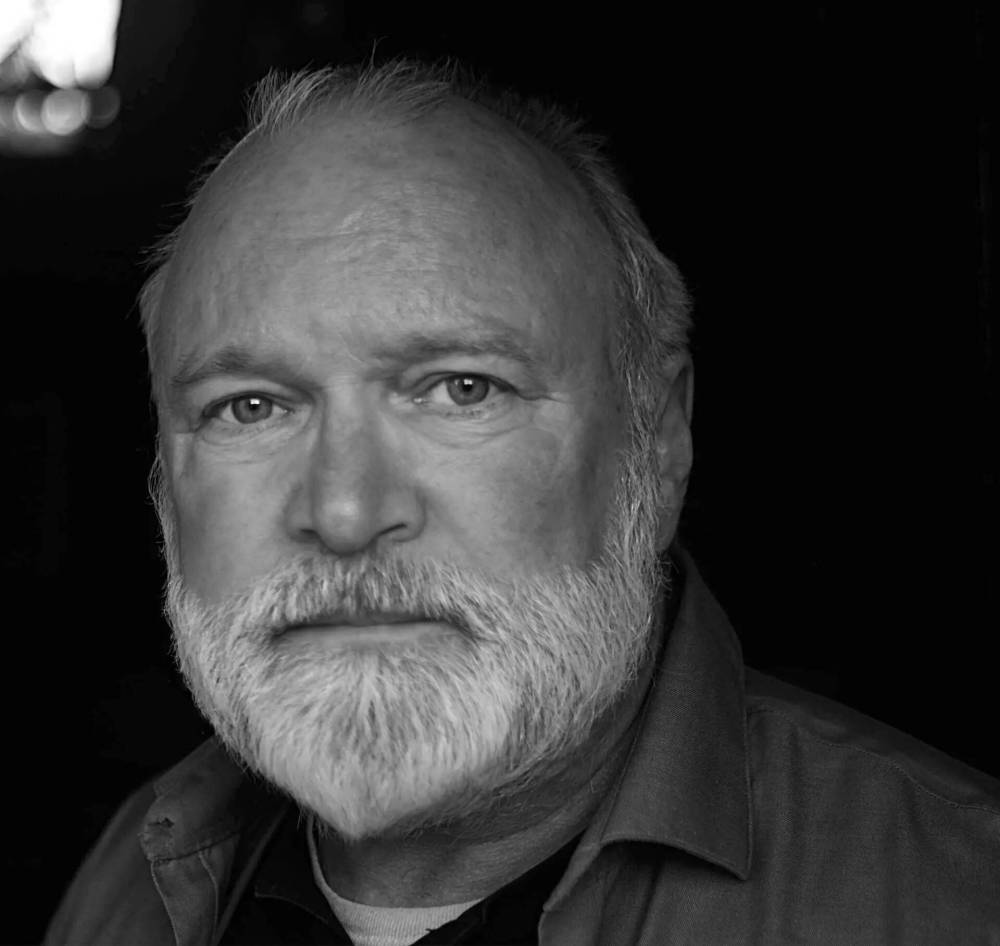
Muhammad Al Digeil photo
Mark Anthony Jarman
This is seen powerfully in both The Cutpurse of Venice and the book’s final story, The Bailiffs Arrive With Their Grey Eyes, both of which deal with trips to Italy. To the narrator, the central history of that country’s place in Western culture has been reduced to a chaotic mix of tourists, resentful Italians and, in Venice, bold pickpockets.
Though its natural, beautiful space lets one breathe, Canada, as Jarman restlessly notes, is becoming despoiled by the hour with buildings far less noble that what he found in Florence. His restless characters, we realize, feel like tourists in this world.
The earth may not satisfy, but neither does in the moon in the hypnotic The December Astronauts (Moonbase Horse Code). In this story the moon has been settled long enough for many in its society, including its overworked and tired narrator, to complain about its societal and physical decline.
The story is also a noirish detective story — since every society, of course, has crime — with an odd failed romance at its mixed-up centre.
That moonscape is reflected in the landscape of the taut, moving remembrance Northern Ontario Silver Mines, in which the narrator toils in the mine while his brother is killed in war.
The landscape of memory plays large in Two Bodies in which two men, members of a near-wilderness commune, discover two bodies while they are sailing, and quietly dispose of them in a dump.
The casualness of it all is disturbing. Years later, after the commune’s inevitable disintegration, the narrator remarks on “what all the faces looked like… inside my wind-up head,” noting, perhaps ruefully, “We invent ourselves and others, but are not always pleased with the result.”
And the bodies? He wonders “Do the bones travel? What do they look like now? I wish to remember all the dead bodies. “
This may come as near to some kind of faith Jarman allows his characters, but it is a harsh one. The narrator isn’t forgiven, nor is anyone else in Jarman’s world. He offers sympathy but is never sentimental, however much many of his characters seek salvation from the world of family disintegration and environmental decay.
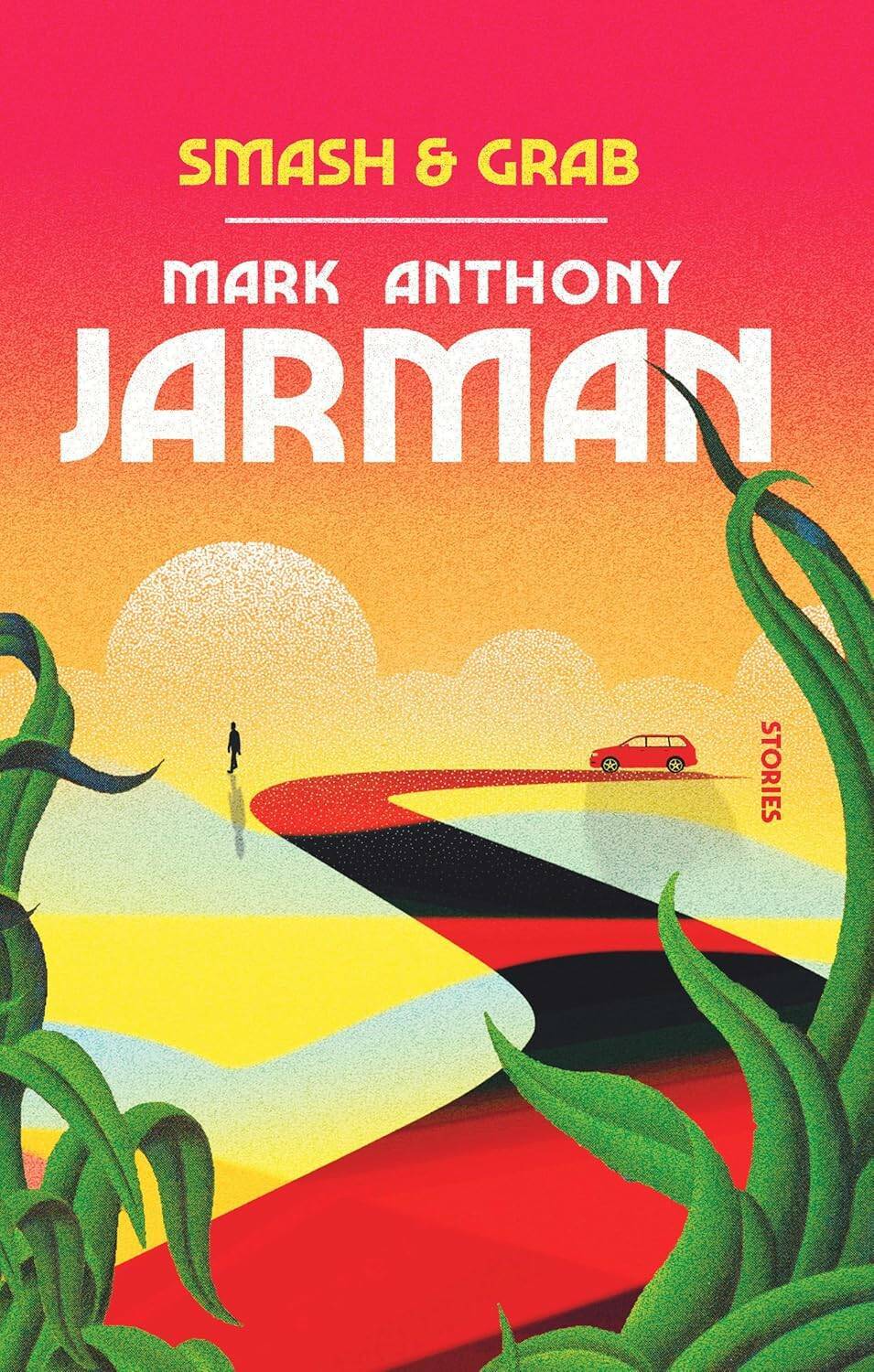
Smash & Grab
This brings the reader to the through line in most of the stories, which is the abundance of old and contemporary cultural literary/musical references. His characters hang on to them for dear life, wish them to be true.
The landscape of the surrealist mind dominates the collection’s strongest story, The Underpass Anxiety of Dead Pigeons.
“911, what is your emergency?” starts the frenzied story as we experience as reader a personal crime, as well as possible war crimes in Iraq and a harsh memory of drugged friends, melding into the protagonist’s vision of missiles that “refuse to fall to earth.”
As much as he pushes the beauty and ugliness in his stories’ characters, above all Jarman challenges his readers to boldly engage them.
Rory Runnells is a Winnipeg writer.