Heroes and villains
Pop music’s problematic relationship with Nazi imagery, fascist ideas explored in new account
Advertisement
Read this article for free:
or
Already have an account? Log in here »
To continue reading, please subscribe:

Digital Subscription
One year of digital access for only $205*
- Enjoy unlimited reading on winnipegfreepress.com
- Read the E-Edition, our digital replica newspaper
- Access News Break, our award-winning app
- Play interactive puzzles
*First annual payment billed as $205.00 + GST for one year. This annual subscription will automatically renew at $233.00 + GST every 52 weeks (10% off the regular annual price of $259.35). Offer available to new and qualified returning subscribers only. Cancel any time.
To continue reading, please subscribe:
Add Free Press access to your Brandon Sun subscription for only an additional
$1 for the first 4 weeks*
- Enjoy unlimited reading on winnipegfreepress.com
- Read the E-Edition, our digital replica newspaper
- Access News Break, our award-winning app
- Play interactive puzzles
*Your next Brandon Sun subscription payment will increase by $1.00 and you will be charged $17.95 plus GST for four weeks. After four weeks, your payment will increase to $24.95 plus GST every four weeks.
Read unlimited articles for free today:
or
Already have an account? Log in here »
The Rolling Stones, David Bowie, Led Zeppelin, Motorhead, The Sex Pistols, Blondie, Pink Floyd and even John Lennon: all artists and bands in a postwar era that were infatuated with Nazi symbolism, esthetics, language and memorabilia. Jimmy Page of Led Zeppelin flaunted SS uniforms; John Lennon mimicked Adolf Hitler on stage and collected memorabilia; and Joy Division (and, later, New Order) derived their names from Nazi literature.
All of this happened in plain sight, with hardly a bark from the media. But why, and how? Why did these bands and musicians think brandishing swastikas on their arms, wearing Nazi uniforms or goose-stepping on stage yelling Nazi chants and commands were within the realm of decency? How did this level of blatant antisemitism go relatively unnoticed at the time, and why has there been virtual silence to this day?
These are the questions posed by Daniel Rachel, who in This Ain’t Rock ‘n’ Roll: Pop Music, the Swastika, and the Third Reich pulls apart several decades of obsession, flirtation and outright adoption of antisemitic tendencies of prominent artists in the 1960s, ’70s and ’80s. A former musician and author of several books on pop music, including Too Young Too Old: the 2 Tone Records Story and The Lost Album of the Beatles: What if the Beatles Hadn’t Split Up?, Rachel is also Jewish and committed to understanding how people could ever contemplate how revelling in totalitarianism, genocide and hate might be rock and roll, punk rock and sexy.

Supplied photo
Daniel Rachel
For Rachel, this history — a study of the human experience — is fundamentally a process for him to make sense of his infatuation with pop music, while juxtaposing it with the fact that many of his heroes were antisemitic: “This Ain’t Rock ‘n’ Roll is, in many ways, an attempt to reconcile my adolescent political awakening with my love of pop music.”
Incredibly researched and fascinating, Rachel fills a gap in the history of pop music that has been silent for decades. Given the level of antisemitism displayed by such prominent artists, including David Bowie’s perpetual desire to perform Nazi salutes on stage and his open support of fascist political parties, the author is perplexed as to how little mainstream and even pop media were alarmed by the behaviour. Mick Jones of the Rolling Stones and other artists were pictured on the front cover of magazines sporting Nazi uniforms with hardly a raised eyebrow.
For Rachel, his natural curiosity led him to conclude that “the notable absence of significant archival documentation underscores rock ‘n’ roll’s failure to confront the past.”
Were these acts of hate — that is, displaying Nazi symbolism and professing fascist propaganda while ignoring the six million Jews who were murdered — simply an adolescent and stupid act of rebellion of the establishment and/or a desire to level up one’s punkness? Both Rachel and Billy Bragg, who penned This Ain’t Rock ‘n’ Roll’s introduction, aren’t interested in letting people off the hook. Rather, the book professes to shed light on the era and society’s inability to call out these acts of antisemitism.
For Billy Bragg, the idiotic factor does not hold water. “Utilizing the darkest aspects of Nazism to confer an air of audacity and dispassion requires both poseur and admirer to share an understanding of the true meaning of the swastika,” he writes. “The thrill of pushing boundaries relies on everyone being aware of where the boundaries lie, and for Nazism, that place is the genocide of the Jewish population of Nazi-occupied Europe.”
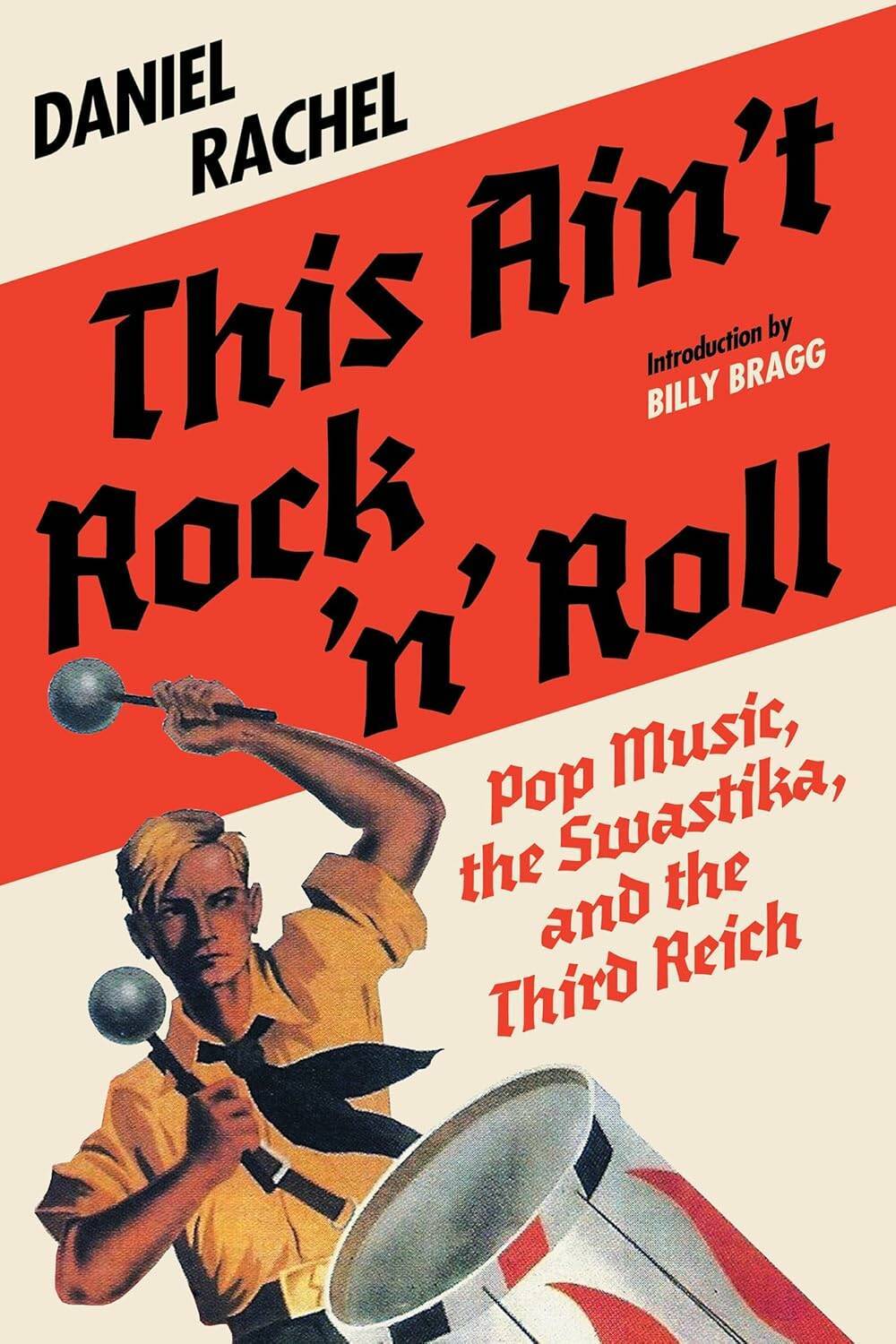
This Ain’t Rock ‘n’ Roll
There existed — and exists — a deep literacy into the Third Reich, white supremacy and hate. People knew. People know. The audacity and flaunting of hate created the conditions for Eric Clapton, by way of example, to support anti-immigrant policies and even lead him to rant incoherently about as much on stage.

And, yes, the decades following the Second World War also brought resistance to racism in the form of Rock Against Racism and other publications. But as Rachel reports, very little energy or attention was spent on anti-semitic hate. As he argues, “The absence of such a reaction… suggests… that people simply don’t care.”
And it is this last sentiment that is of concern to the reader. In the present day, with the rise of antisemitism in the world, are we equipping ourselves and our young people to recognize it, call it out and take action? Do our children understand how fascist and totalitarian regimes are allowed to rise through complacency and complicity?
This Ain’t Rock ‘n’ Roll is a brilliant text and provocation — and a substantive exemplar of historical inquiry — that would serve our young people to help recognize these signs.
In an age where the dark shadows of fascism are becoming all too comfortable, a citizenry that is equipped to call out hate, ask deep questions and express curiosity about the “other” should be our collective goal.
File photo
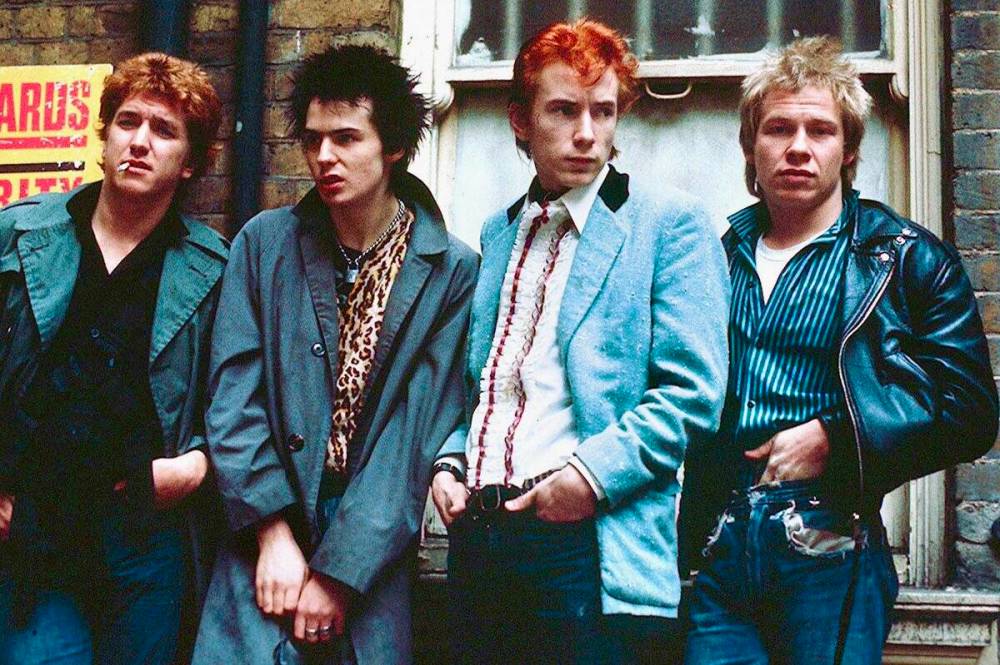
Sid Vicious (second from left) of the Sex Pistols (seen here in 1977) was photographed wearing clothes adorned with swastikas.
Matt Henderson is superintendent of the Winnipeg School Division.
John Lindsay / Associated Press files
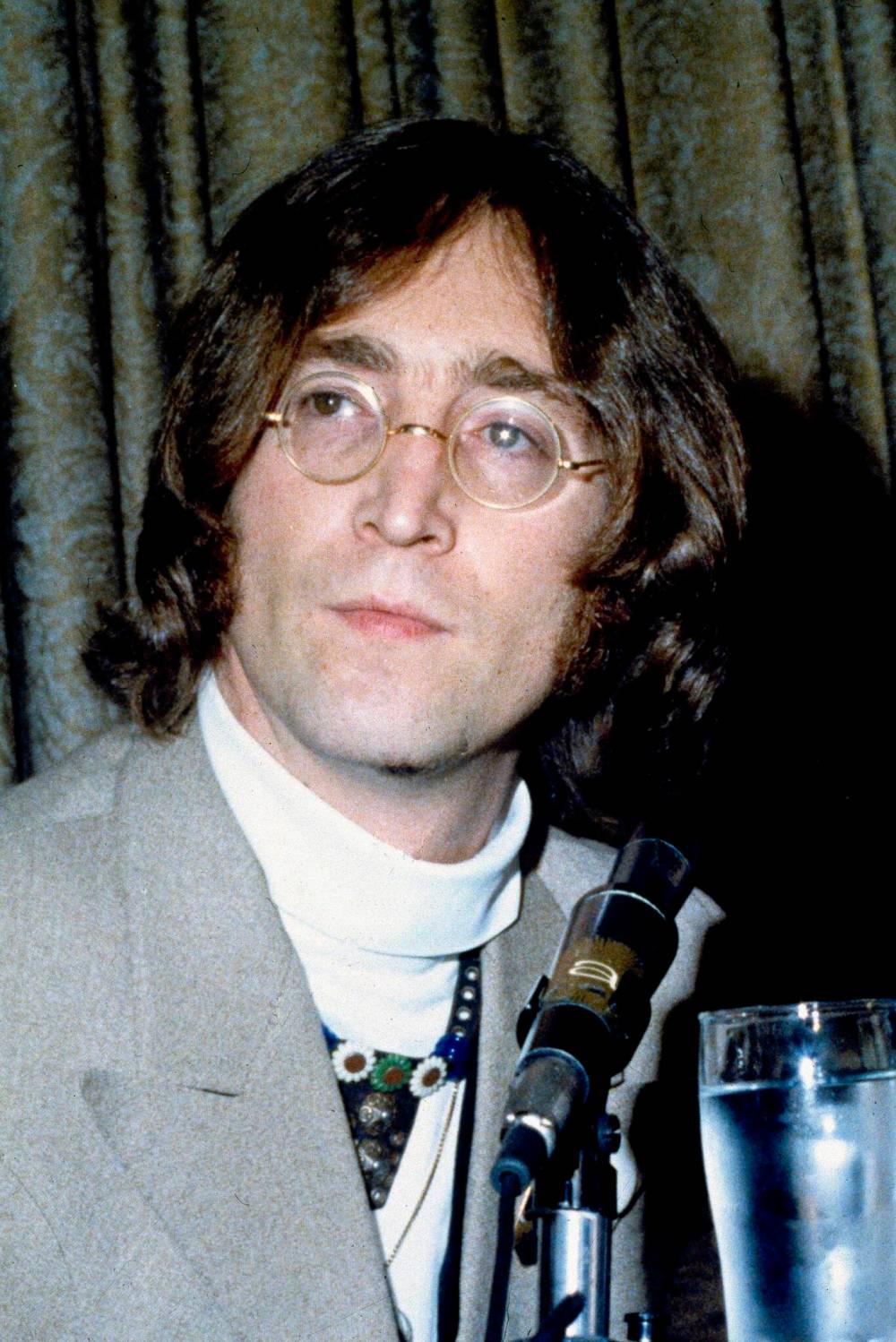
John Lennon, seen here in 1968, had a fascination with Nazis that started in his younger years.
John Robert Rowlands / Associated Press files
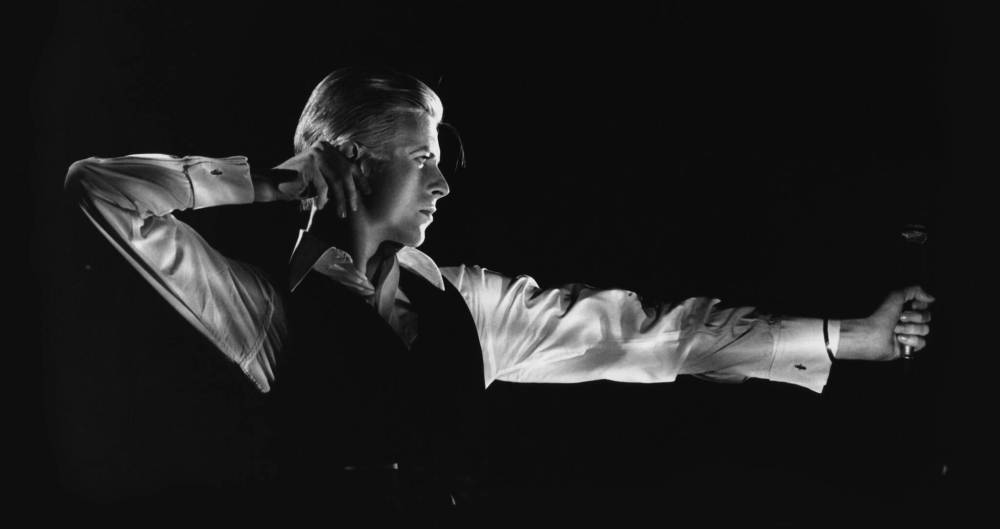
In the mid-1970s, David Bowie (seen here in his Thin White Duke persona in 1976) performed Nazi salutes on stage and supported fascist political parties.