Mystic meddler
Rasputin’s role in czar’s fall from grace explored in well-researched account
Advertisement
Read this article for free:
or
Already have an account? Log in here »
To continue reading, please subscribe:

Digital Subscription
One year of digital access for only $205*
- Enjoy unlimited reading on winnipegfreepress.com
- Read the E-Edition, our digital replica newspaper
- Access News Break, our award-winning app
- Play interactive puzzles
*First annual payment billed as $205.00 + GST for one year. This annual subscription will automatically renew at $233.00 + GST every 52 weeks (10% off the regular annual price of $259.35). Offer available to new and qualified returning subscribers only. Cancel any time.
To continue reading, please subscribe:
Add Free Press access to your Brandon Sun subscription for only an additional
$1 for the first 4 weeks*
- Enjoy unlimited reading on winnipegfreepress.com
- Read the E-Edition, our digital replica newspaper
- Access News Break, our award-winning app
- Play interactive puzzles
*Your next Brandon Sun subscription payment will increase by $1.00 and you will be charged $17.95 plus GST for four weeks. After four weeks, your payment will increase to $24.95 plus GST every four weeks.
Read unlimited articles for free today:
or
Already have an account? Log in here »
Pilgrim, master manipulator, schemer, zealot, womanizer, pious, mystic, debaucher: all of these words perfectly describe Grigori Yefimovich Rasputin, but none so much as the word notorious.
Noted British army officer, writer and historian Antony Beevor has used previously unpublished reports, interviews, interrogations, the Czaritsa Alexandra’s letters and interviews with Rasputin’s family members to dive deeply into Rasputin’s life and how his actions helped bring about the downfall of the Romanov empire.
“How on earth could a barely literate peasant from Siberia have had such a devastating effect on the course of history?” Beevor asks. “He had no official position. He had no forces at his command. He was a devoted monarchist, not a revolutionary. And yet, unintentionally, he contributed more than any other individual to the collapse of the greatest autocracy in the world.”
File photo
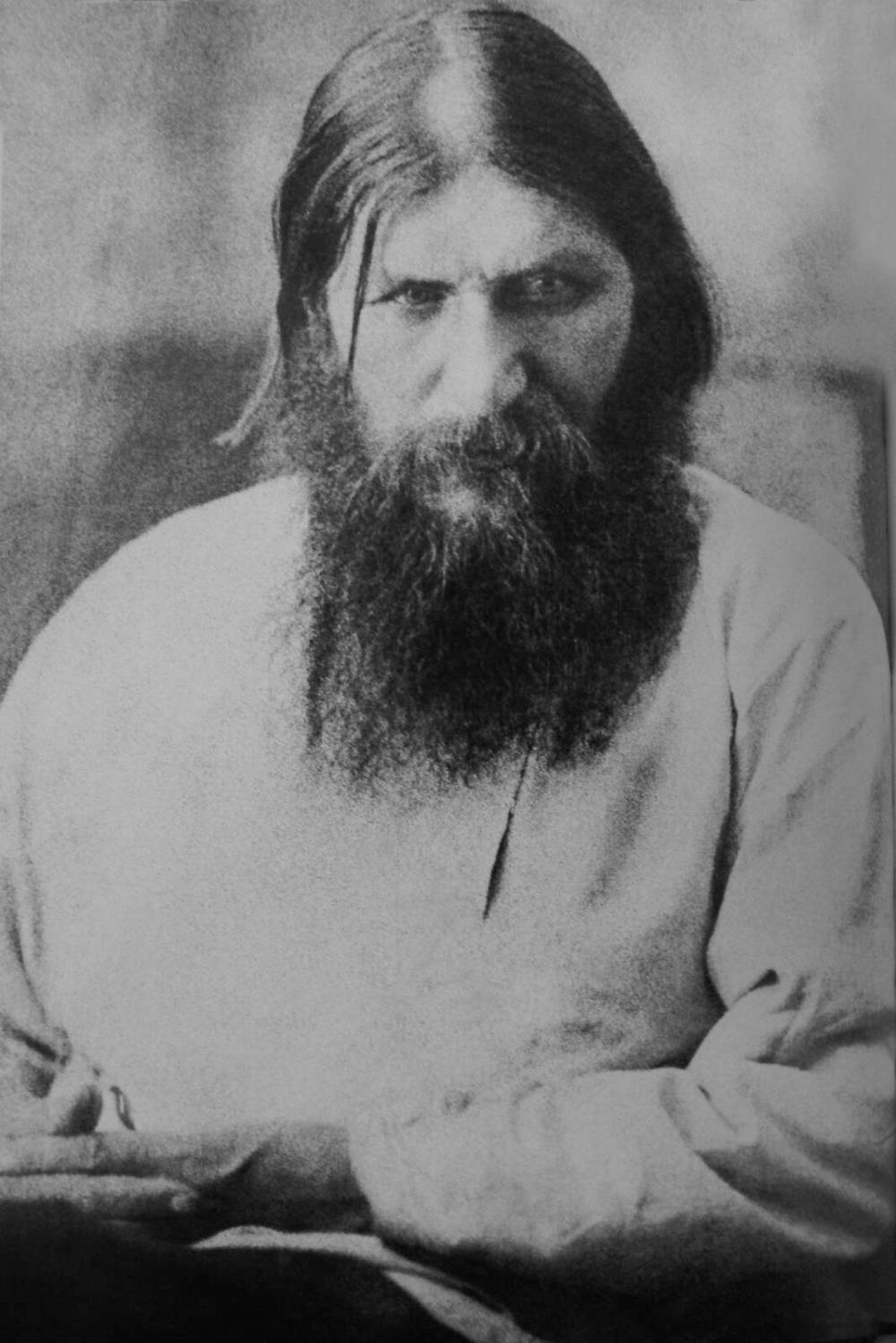
Grigori Rasputin entwined himself in the lives of Czar Nicholas II and his family.
While limited by the rumours, inaccuracies and downright lies told about Rasputin throughout his lifetime and in the years after his death, Beevor has done his absolute best to find accurate information and sources to tell his story.
He succeeds in balancing the story of Rasputin: The Downfall of the Romanovs by providing well-written, in-depth context, but Beevor loses focus on the story of Rasputin. Instead, he concentrates on the outcomes of Rasputin’s actions rather than the man himself.
Very little information about Rasputin’s childhood as a peasant in Siberia remains or can be verified, but he was born in the village of Pokrovskoye sometime in January 1869. After having a religious vision in the late 1890s, he became a wandering pilgrim in search of understanding God’s will.
When Rasputin returned home, he began holding prayer meetings in his family home. This was the first time rumours began to spread about his beliefs and his conduct with women, setting the stage for the rest of his life.
Meanwhile, Czar Nicholas II and the czaritsa were living an equally complex life. Nicholas was an indecisive, uncertain and weak-willed monarch, while his English-German wife Alix was controlling and insecure. Together, the decisions they made set the Russian people against them in many ways.
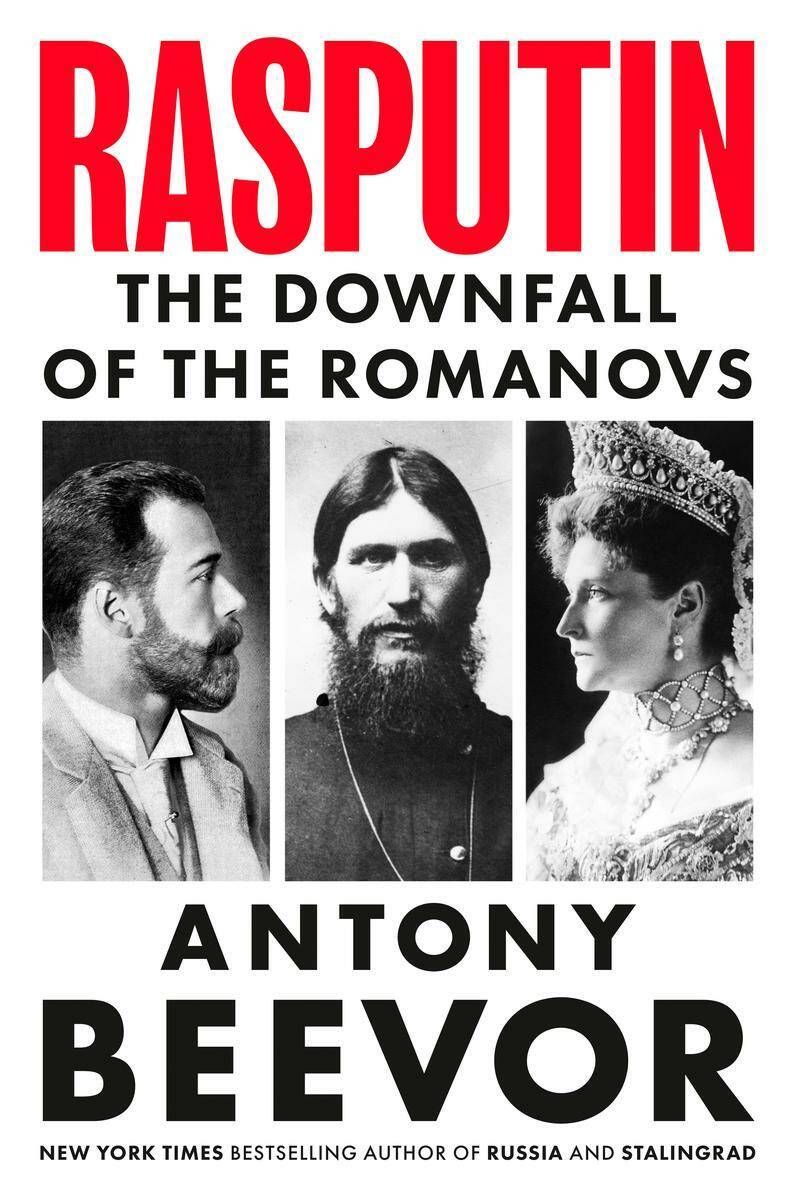
Rasputin Downfall of the Romanovs
Beevor is an excellent writer of this sort of history, allowing the story to flow and evolve in a logical way while providing enough details without overwhelming the reader.
In 1905, Rasputin moved to St. Petersburg, bringing his reputation for healing and womanizing along with him. That same year, the czar embarked on an ill-fated war with Japan. In the fall, the czar’s son and heir Alexei was born with hemophilia.
As civil unrest at home grew, the war in Japan caused massive losses, the royal governor of Moscow was assassinated and there were riots in the street. The Romanovs could see their regime teetering on the edge of collapse.
It was at this point, when the czar and his wife were at their lowest, that Rasputin was reached out to them to offer comfort and his blessings. By the next summer, Rasputin was invited to the palace. The czar introduced Rasputin to other senior political and religious officials, many of whom did not trust him or his motives.
But others did, and Rasputin’s fame and notoriety began to grow. He became known as a healer, treating the young Alexei’s hemophilia and performing miraculous “cures” that could not be explained by traditional physicians. While many sources are considered unreliable, Beevor takes great pains to validate information where he can, and note where he couldn’t.
John Fry photo
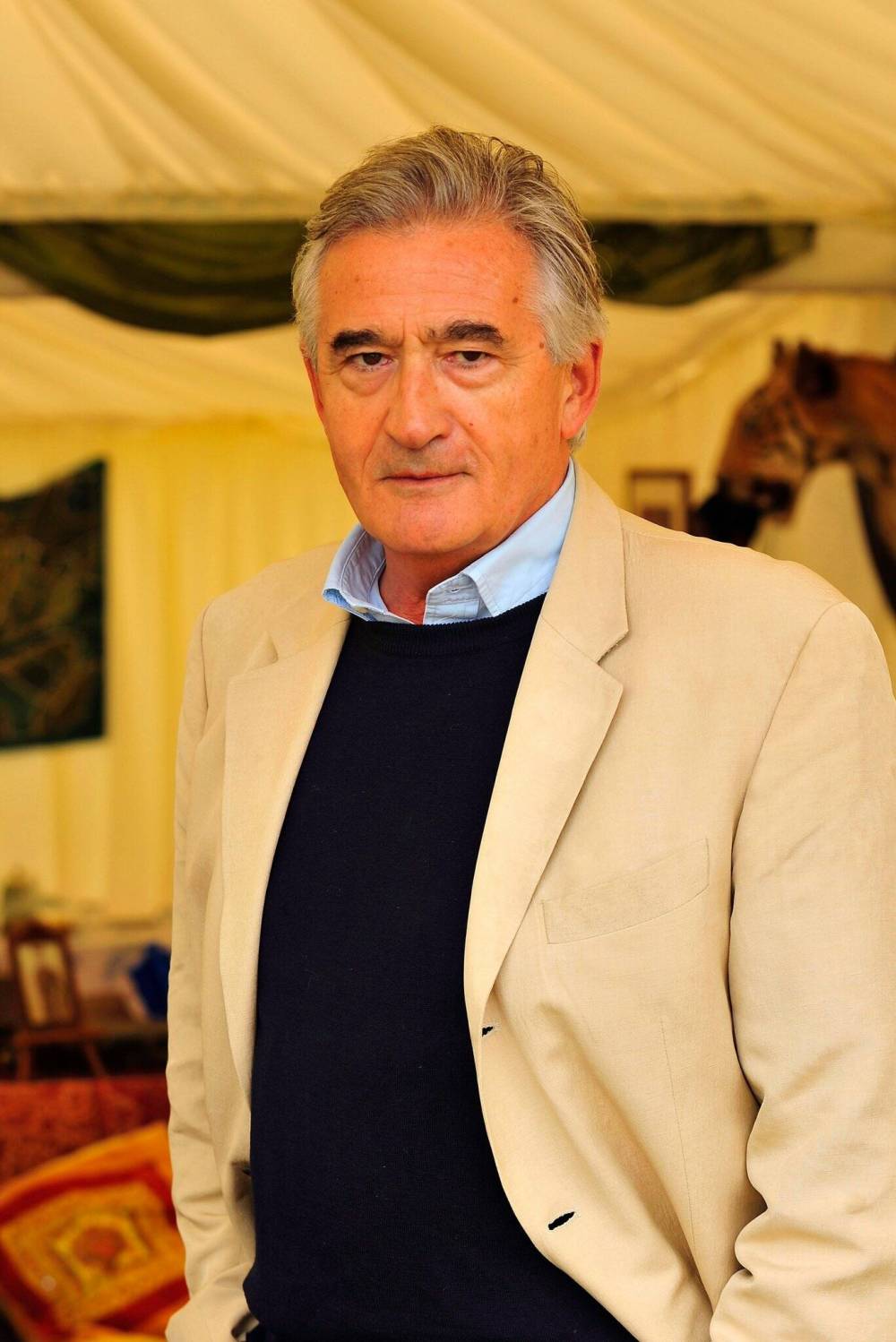
Antony Beevor
By the summer of 1914, Rasputin had become enough of a threat that he was stabbed in the street. As the war dragged on with substantial Russian losses, Rasputin’s behaviour became more concerning. Public drunkenness, fights with soldiers and police, more overt womanizing with society women and prostitutes, as well as irresponsible financial decisions, became the norm.
But the czar and czaritsa refused to listen to anyone raising concerns. Instead, they dismissed Rasputin’s enemies from their high-level government positions. The czar himself took command of the army, which was widely seen as a directive from Rasputin, and this decision was to have fateful consequences.

By 1916, Rasputin was associating with corrupt bankers, gamblers, politicians and aristocrats, all fodder for more rumours about his conduct. That fall, politicians began to speak out against Rasputin and the czaritsa in public. And finally, on December 17, the coup de grace — the murder of Rasputin by a number of royal and high-ranking officials, which Beevor acknowledges still defies a true accounting of the facts because of the personal bias in so many of the stories.
On Feb. 23, 1917, a protest about food shortages led to the beginning of the February Revolution. By early March, the czar had abdicated, and he and his family were taken to Ekaterinburg and executed.
Beevor ends the book abruptly, with no final thoughts or conclusions. And while well-written and well-researched, Rasputin is less the focus of the book than the politics surrounding his life and influence on the royal family.
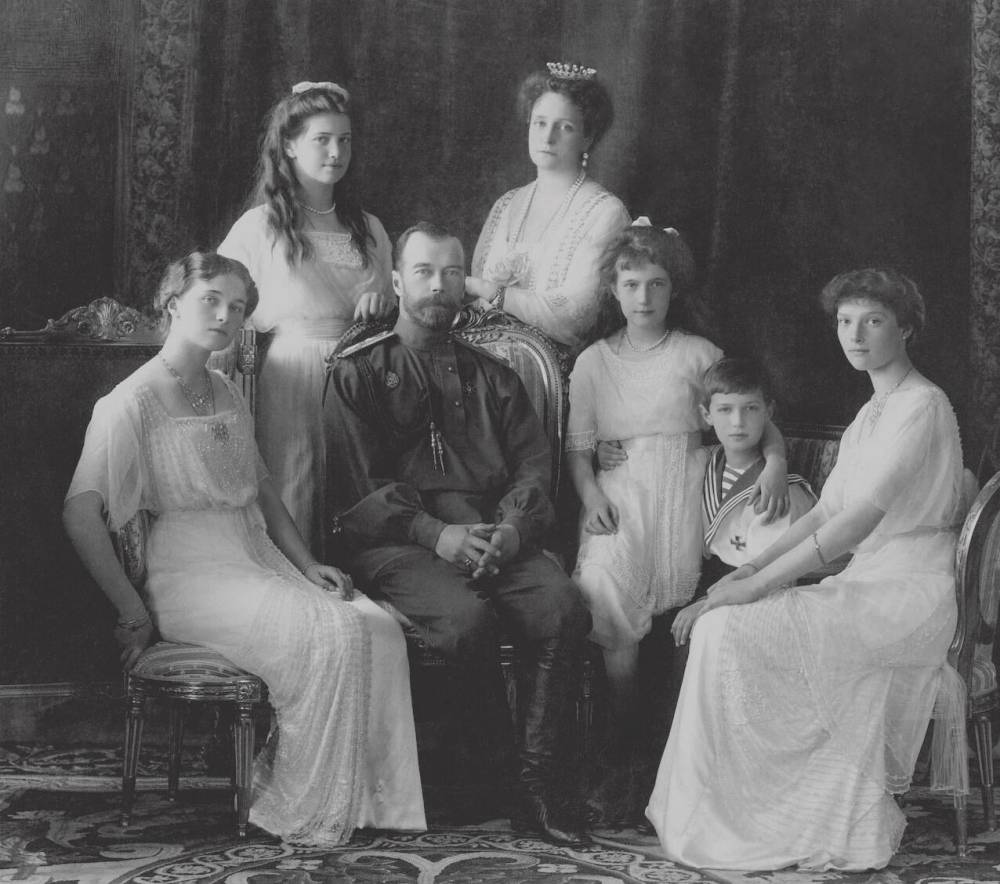
Wikimedia Commons
In this 1913 photo, Czar Nicholas II and his family, including Czaritsa Alexandra (centre), pose for a photo. By 1917 the czar had abdicated as a result of the February Revolution.
An excellent general history of the last years of Romanov rule, Rasputin: The Downfall of the Romanovs does not deliver any real new insights or ideas or details to the story.
Julie Kentner is a Winnipeg writer who despairs at the complexity of Russian naming conventions.