Pioneering partners
In choosing each other, same-sex couple in 19th-century Vermont defied convention
Advertisement
Read this article for free:
or
Already have an account? Log in here »
To continue reading, please subscribe:

Digital Subscription
One year of digital access for only $205*
- Enjoy unlimited reading on winnipegfreepress.com
- Read the E-Edition, our digital replica newspaper
- Access News Break, our award-winning app
- Play interactive puzzles
*First annual payment billed as $205.00 + GST for one year. This annual subscription will automatically renew at $233.00 + GST every 52 weeks (10% off the regular annual price of $259.35). Offer available to new and qualified returning subscribers only. Cancel any time.
To continue reading, please subscribe:
Add Free Press access to your Brandon Sun subscription for only an additional
$1 for the first 4 weeks*
- Enjoy unlimited reading on winnipegfreepress.com
- Read the E-Edition, our digital replica newspaper
- Access News Break, our award-winning app
- Play interactive puzzles
*Your next Brandon Sun subscription payment will increase by $1.00 and you will be charged $17.95 plus GST for four weeks. After four weeks, your payment will increase to $24.95 plus GST every four weeks.
Read unlimited articles for free today:
or
Already have an account? Log in here »
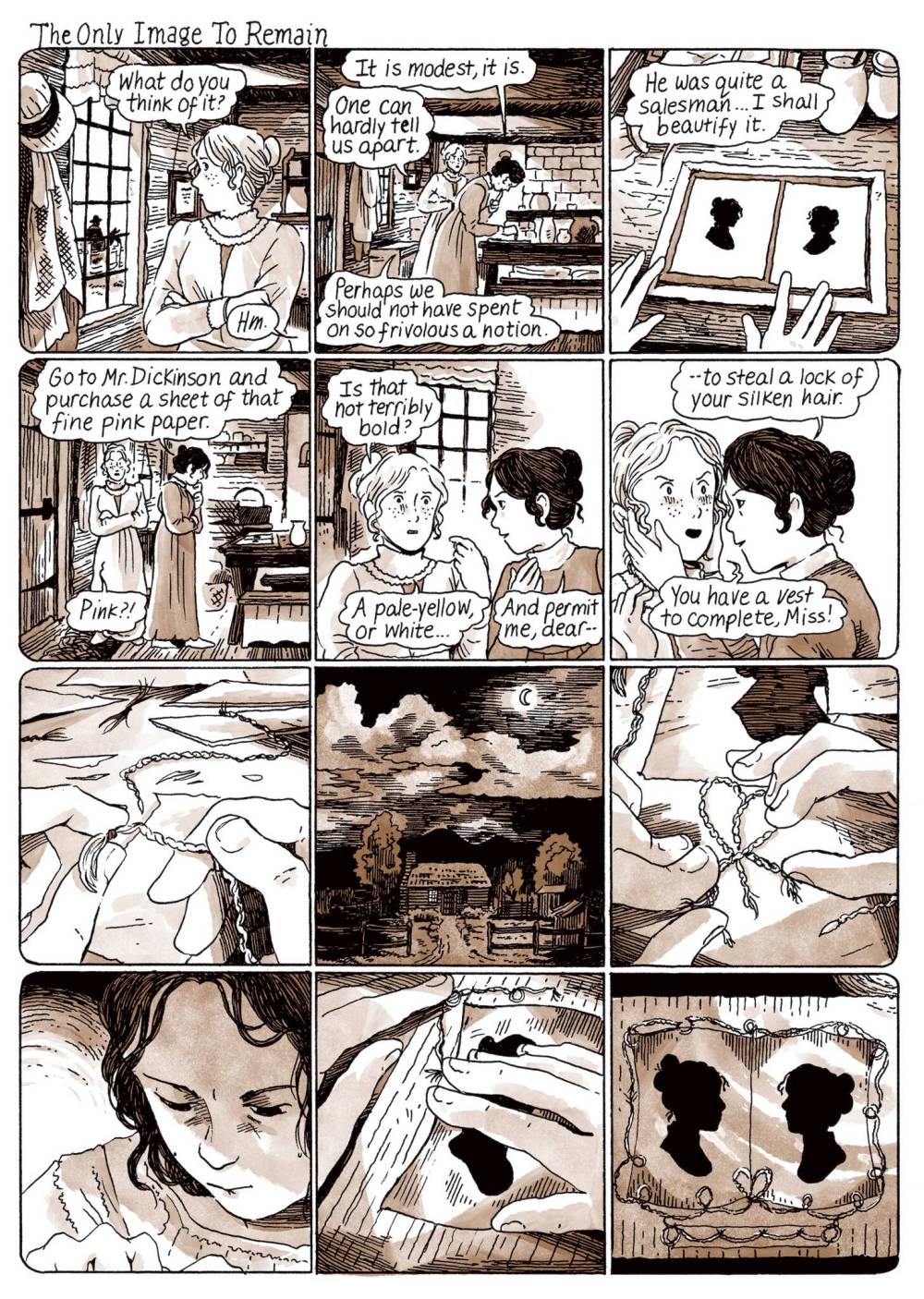
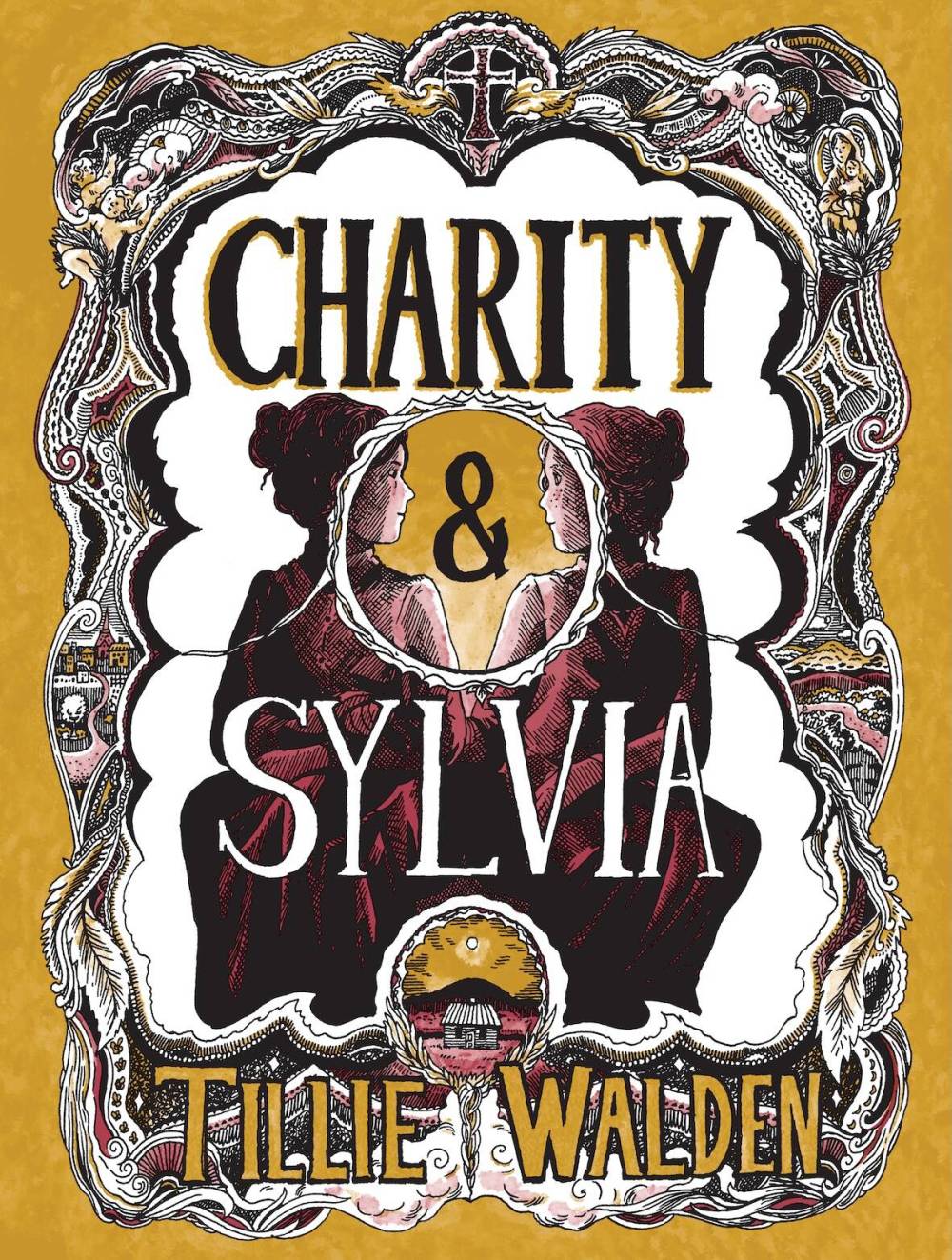
The front cover of Charity & Sylvia, the new graphic biography by acclaimed American cartoonist Tillie Walden, recreates the striking 19th-century portrait of two women, silhouetted in profile and framed by braided human hair carefully arranged in a heart-shaped detail, that inspired this volume. They are the eponymous Charity Bryant and Sylvia Drake, an openly lesbian couple who quietly made a life for themselves in rural 1800s Vermont.
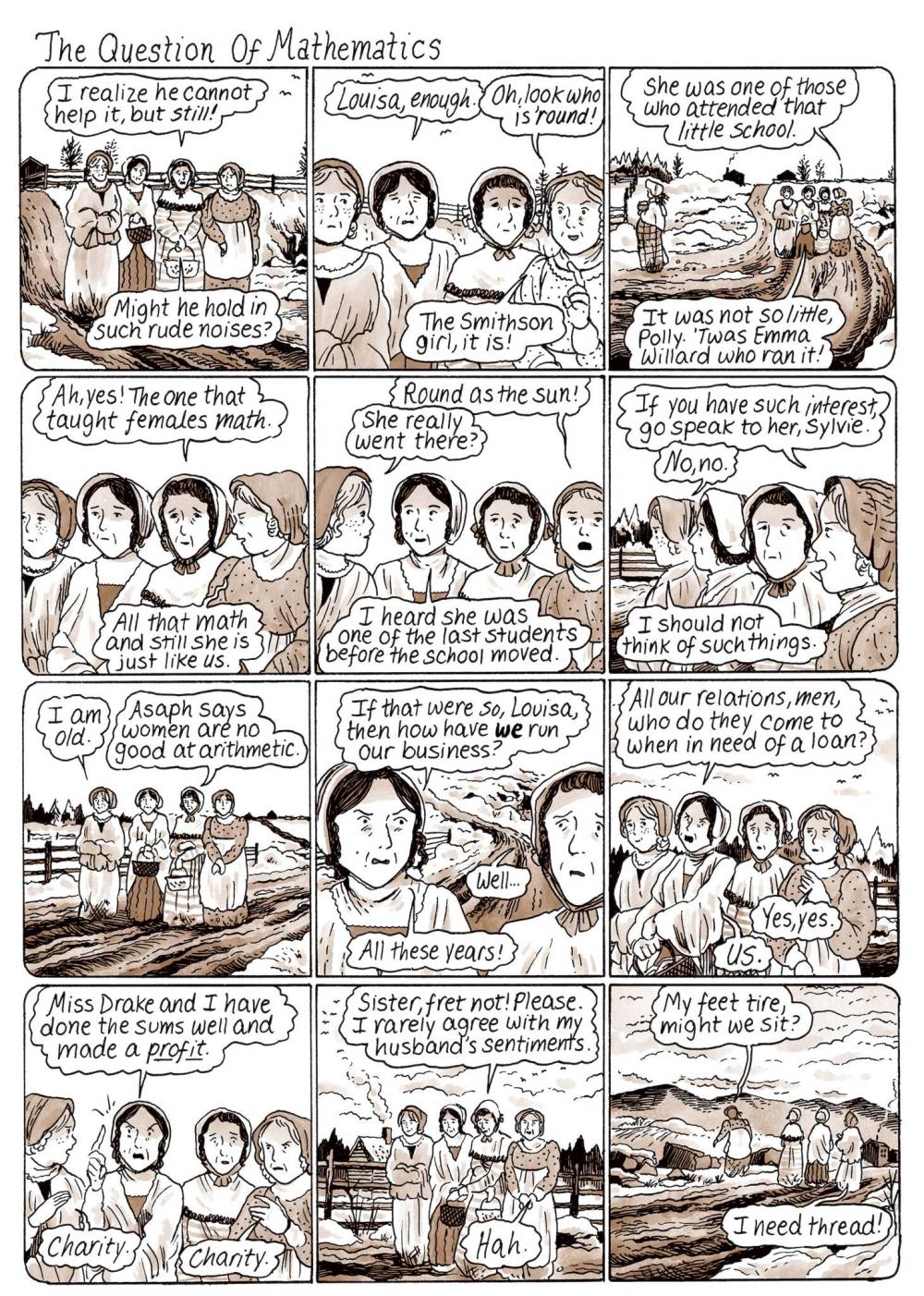
Stitched together from an extensive archive of letters, journals and poetry, Walden’s moving, sepia-toned volume is narrated through both women during their time together as they navigate questions of identity, community and faith.
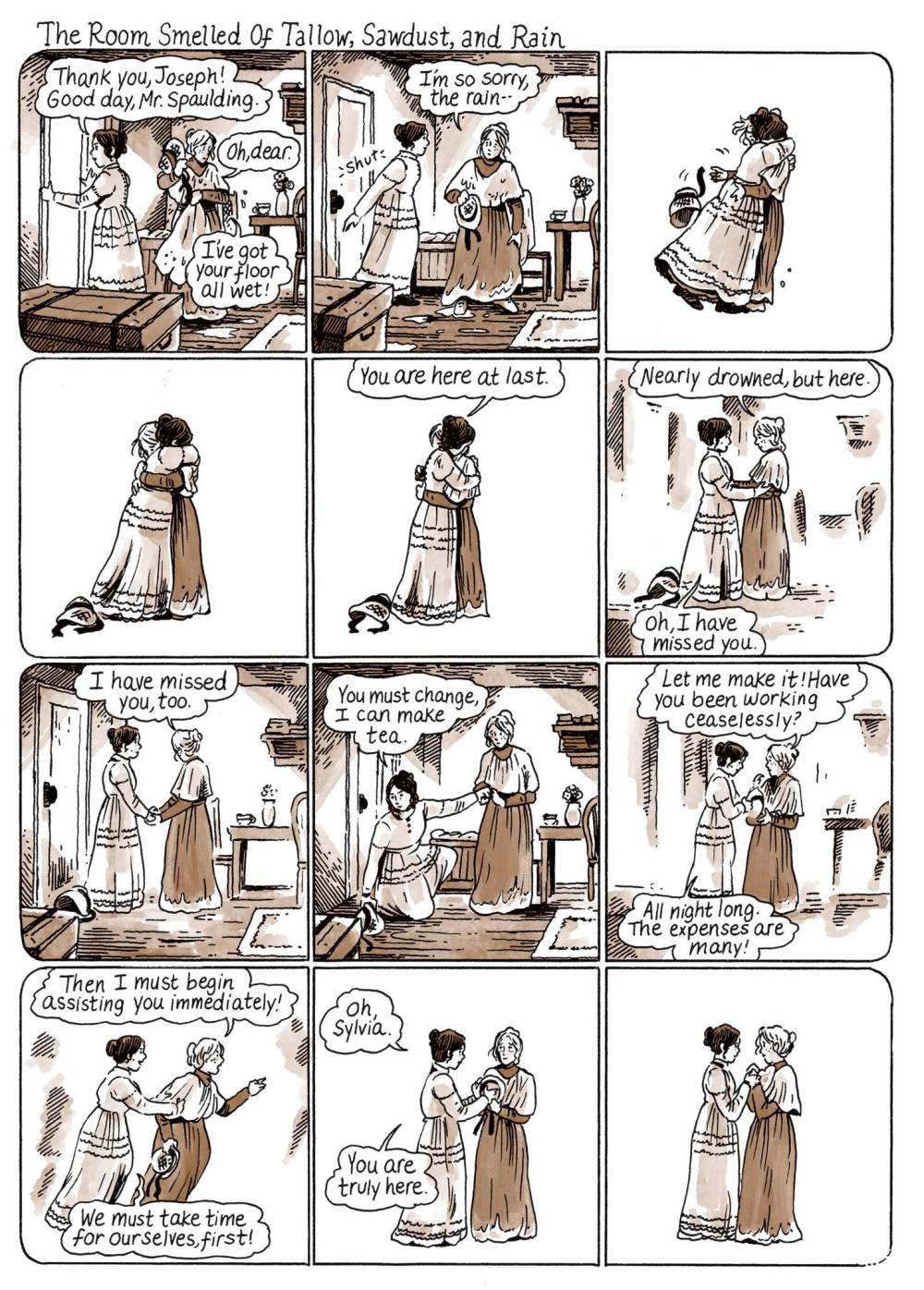
The story begins when Charity, a family friend of the Drakes, arrives from Massachusetts to rural Vermont. As the relationship between Charity and Sylvia develops, Walden infuses the book with a visual language of the mundane, drawing the reader’s eye to household sundries and everyday minutiae as she builds the story world through wordless panels of homesteading, domestic tasks, sewing patterns (both Charity and Sylvia earn their living as tailors) and impending weather as the seasons change.
Supplied drawing
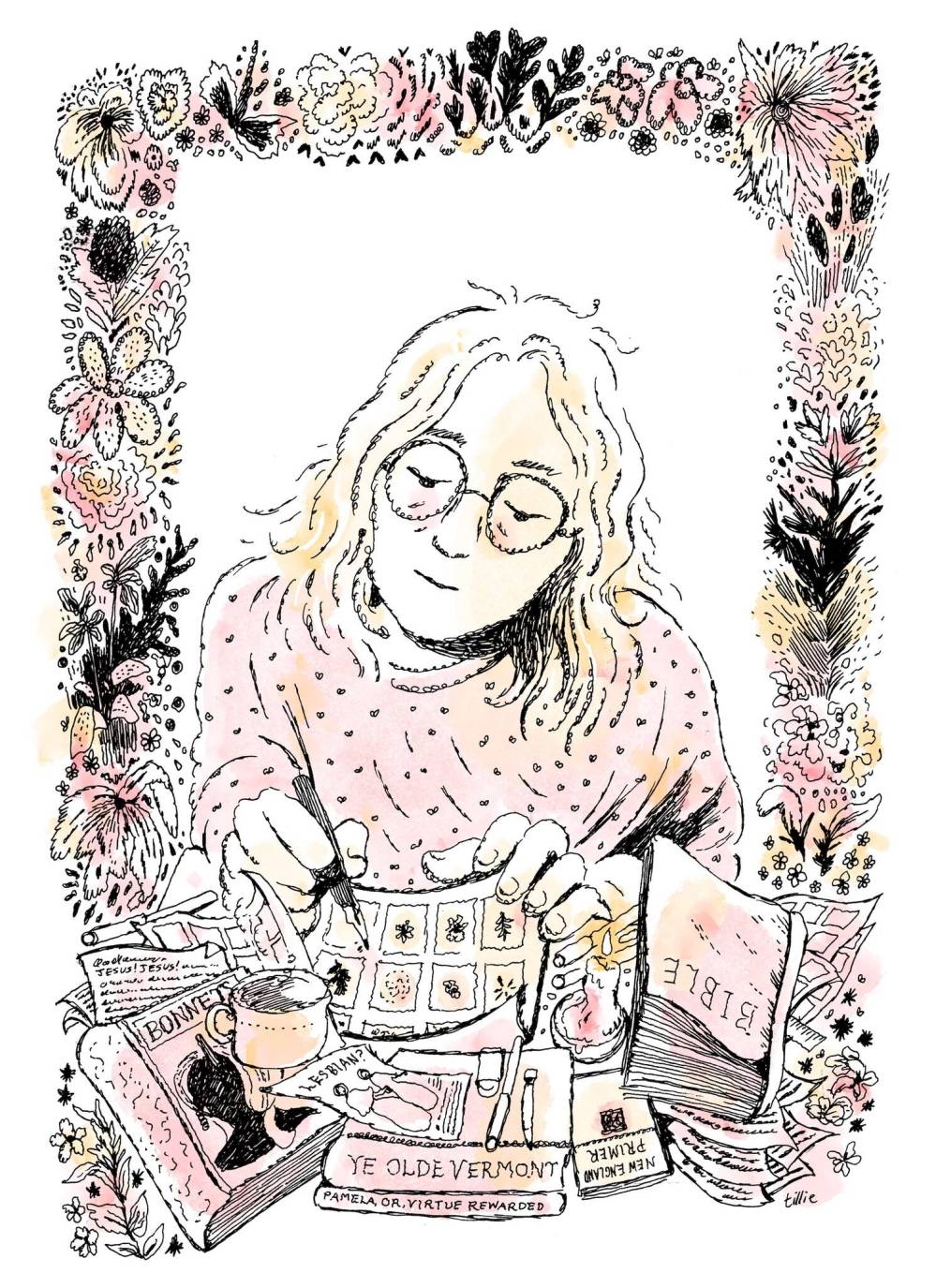
Tillie Walden
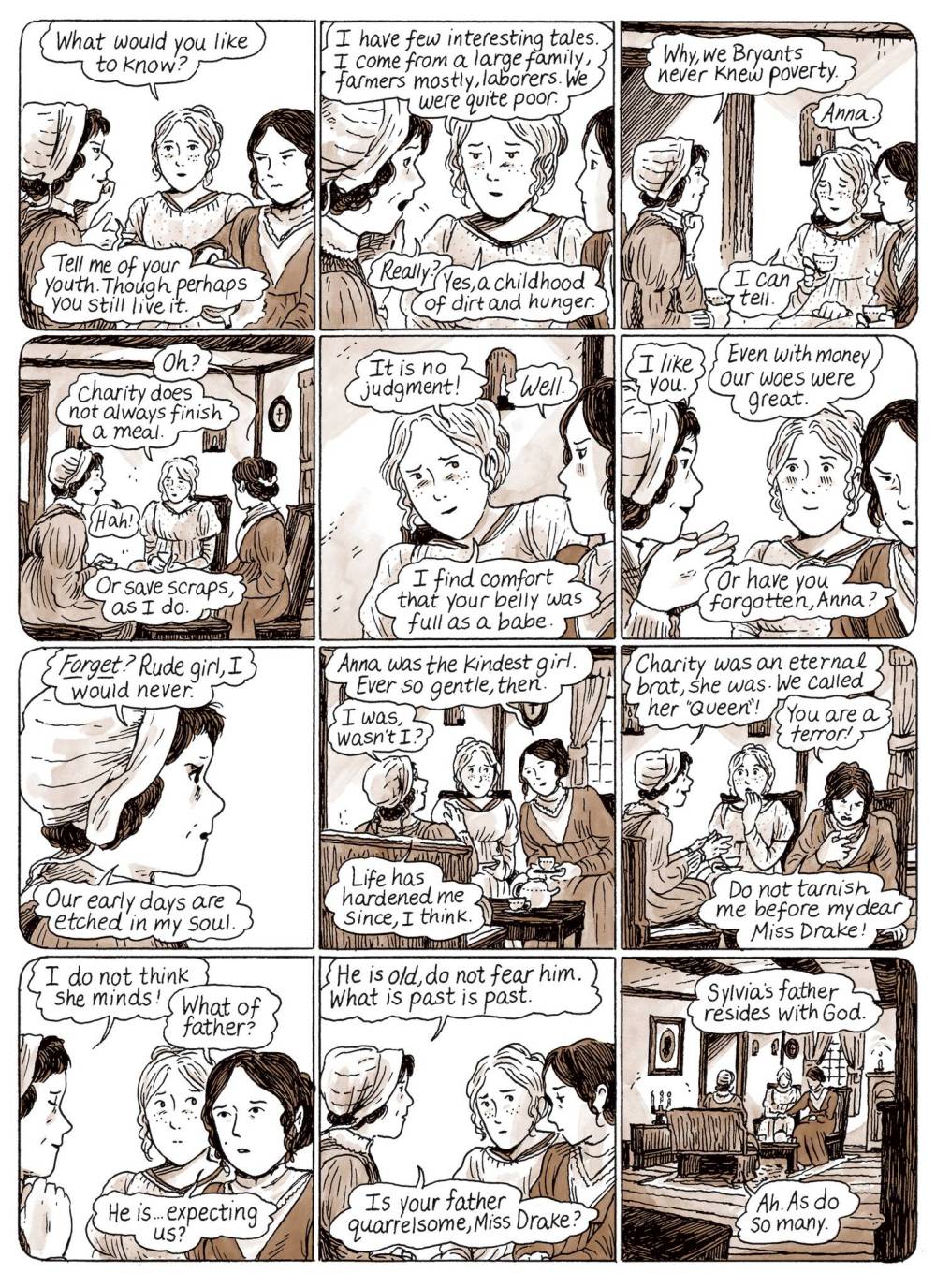
She also builds out family trees for both women through backstories (including standout sections chronicling their childhoods) and daily conversations that provide context for those appearing in later scenes. Through an array of vignettes locked into a 12-panel grid, the characters move from church pews to kitchens, bedrooms, dinner tables, gardens and carriages travelling to and from neighbouring towns and states.
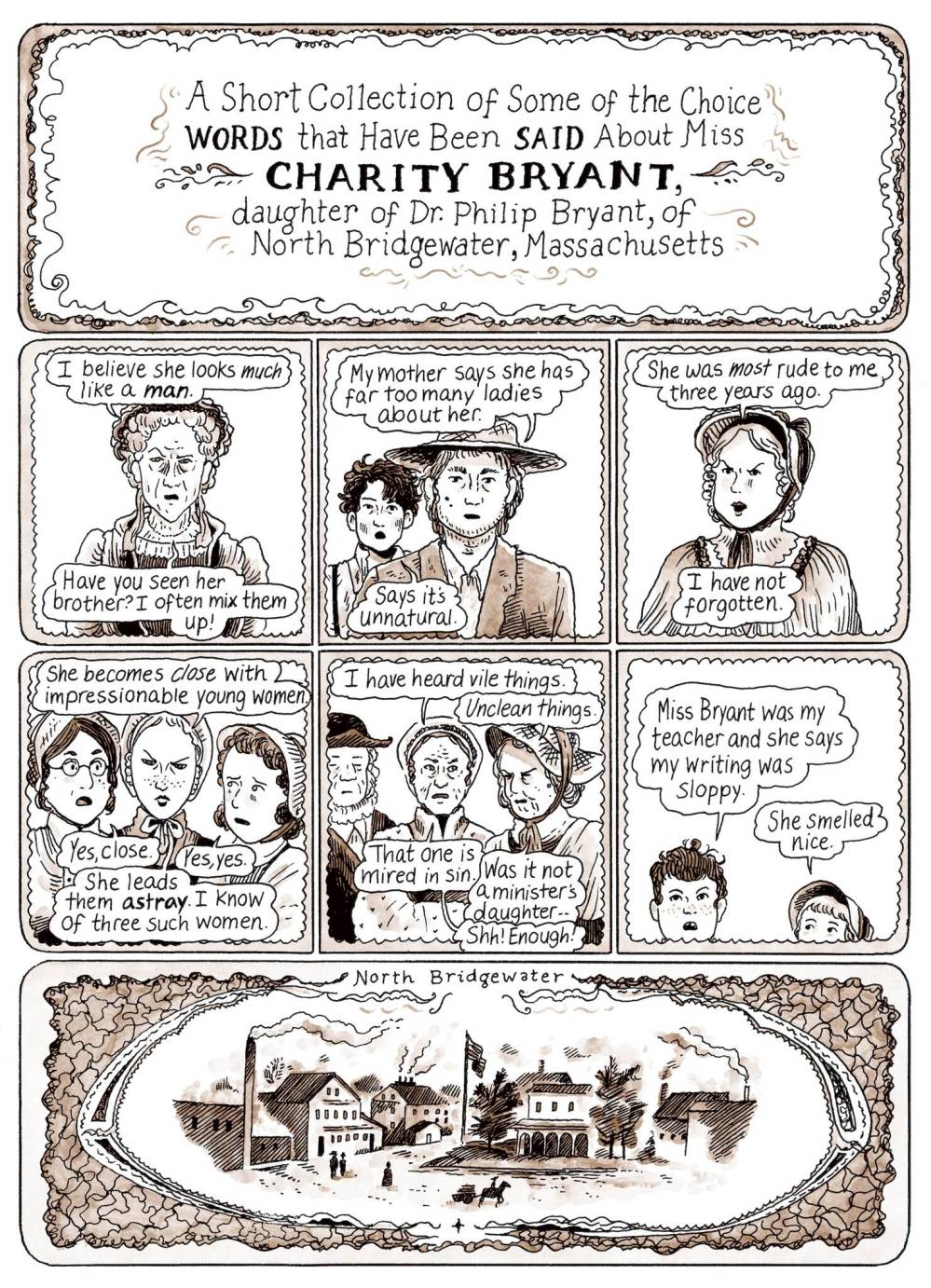
Walden’s grid of panels also ingeniously segments the types of conversations able to be had within each of these separate spaces, as readers get to know the women, both as the townsfolk did and as they knew each other. Palpable shifts in both narrative and pictorial tone occur; affectionate exchanges between the two female leads are often obscured by dark cross-hatchings, while scenes of the Weyburn congregation during service are detailed and well-lit, as Walden contrasts the reverend’s sombre sermons with Charity’s wry, muttered responses. Such humour also permeates many supporting pages featuring other townsfolk, including a tongue-in-cheek one-pager outlining “Some of the Choice Words That Have Been Said About Miss Charity Bryant” by disapproving neighbours.
Though much of the book is comprised of external conversations, the mental labour of reckoning with the complexities of religion and human morality is always present; as newly appointed pastor Eli Moody notes amongst the onset of American expansion, “slavery and brutality continue… Jesus died for us, but who are we?”
The same question of character weighs heavily on Sylvia, who is plagued by shame about how her relationship to Charity could affect her connection to God, and her place in His kingdom. This particular narrative thread is truly the heart of the book, skilfully woven and beautifully resolved by the author.
Amidst church and chores, life in Weybridge is slow and steady, until it isn’t, and seemingly trivial occurrences often hold devastating consequences. When possible, though, community provides hope and help; in one vignette titled “How the People of Weybridge Continue to Survive and Continue to Perish,” Walden outlines the ways in which townsfolk have aided each other in times of need.
Charity & Sylvia
But Walden does not shy away from mortality, which also hangs heavy as she documents the deaths in both women’s families while highlighting their complicated relationships to their own siblings. As a young woman, Charity’s refusal to raise an orphaned niece and nephew results in being sent away for “choosing her own life” instead, the aftermath of which, incidentally, leads her straight to Sylvia.
By choosing their own lives, and each other, both women were able to simply exist while maintaining a 44-year union through quiet devotion and resilience. Here, Walden’s rich portrayal of Charity Bryant and Sylvia Drake grants the couple a form of continued existence — both on the page and as a vital part of New England queer history.
Nyala Ali writes about race and gender in contemporary narratives.