Rural reprieve
Joys and tribulations of beekeeping and the natural world explored in essay collection
Advertisement
Read this article for free:
or
Already have an account? Log in here »
To continue reading, please subscribe:

Digital Subscription
One year of digital access for only $205*
- Enjoy unlimited reading on winnipegfreepress.com
- Read the E-Edition, our digital replica newspaper
- Access News Break, our award-winning app
- Play interactive puzzles
*First annual payment billed as $205.00 + GST for one year. This annual subscription will automatically renew at $233.00 + GST every 52 weeks (10% off the regular annual price of $259.35). Offer available to new and qualified returning subscribers only. Cancel any time.
To continue reading, please subscribe:
Add Free Press access to your Brandon Sun subscription for only an additional
$1 for the first 4 weeks*
- Enjoy unlimited reading on winnipegfreepress.com
- Read the E-Edition, our digital replica newspaper
- Access News Break, our award-winning app
- Play interactive puzzles
*Your next Brandon Sun subscription payment will increase by $1.00 and you will be charged $17.95 plus GST for four weeks. After four weeks, your payment will increase to $24.95 plus GST every four weeks.
Read unlimited articles for free today:
or
Already have an account? Log in here »
On a small acreage on the edge of B.C.’s sprawling Lower Mainland, Susan Cormier and her husband, identified as B, live with an assortment of domestic and wild animals. It’s from this perspective — a teetering balance between rural and urban life — that Cormier has written the lyrical and engaging short essays featured in her memoir Dead Bees Still Sting.
Cormier’s essay Advice to a New Beekeeper, which opens the collection, won the CBC Nonfiction Prize, and her writing has appeared in numerous publications and anthologies. She’s also a spoken-word artist and filmmaker who produces Vancouver Story Slam, Canada’s longest-running live indie storytelling competition.
The essays in Dead Bees Still Sting include practical information on the joys and tribulations of beekeeping in a changing environment — where residential subdivisions are replacing what were once agricultural fields and wooded areas housing wildflowers.
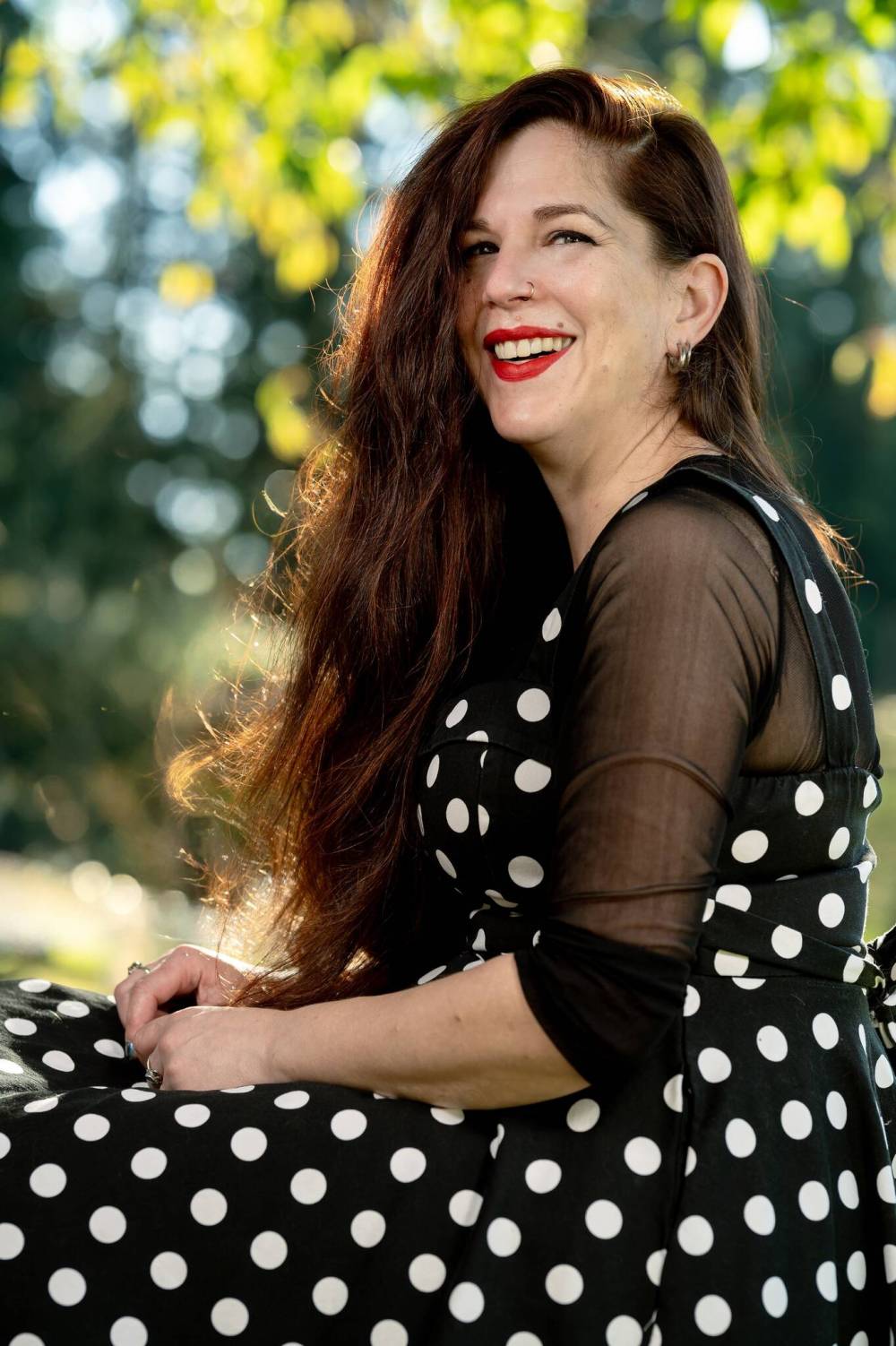
Diane Smithers photo
Susan Cormier
Cormier outlines the ongoing challenge of managing varroa mite infestations that can decimate healthy honeybee colonies and how amateur hobbyists, who she terms “beehavers” (as compared to beekeepers), are compounding the problem through improper management of their colonies.
While it’s interesting to read about the hard work and small victories involved in beekeeping, two of Cormier’s most emotionally appealing essays focus on her relationship with her small flock of quail and the tenacity of an apple tree she names Bill.
She starts her essay entitled Starfish by saying that she never intended to keep birds, but became the momma of a quail chick she calls Birb. She carries the tiny fledgling around in a pocket as she gardens, and supervises the growing chick’s outdoor activities. A talented carpenter, B constructs an outdoor pen for the bird. Realizing Birb is male, Cormier gets two female chicks for company.
Unfortunately, Birb vanishes one night, with clues left indicating he was likely a mink’s prey. The quail cage is reinforced and a live trap set up to capture the predator. Rats also try to dig their way into the pen and are successful one night when they kill one rooster and three hens, while badly injuring a fourth hen. Cormier must then make the hard decision of whether to quickly kill the wounded hen or see if she’ll pull through. “She will either improve or worsen and need euthanizing. She will either live or die.” Thanks to Cormier’s inventive medical and rehabilitation help, Starfish survives.
Bill, meanwhile, is an old apple tree that hasn’t borne fruit for many years and appears to be diseased. Minutes before B begins cutting the tree down, Cormier spots a bird’s nest in the tree, giving it a reprieve.
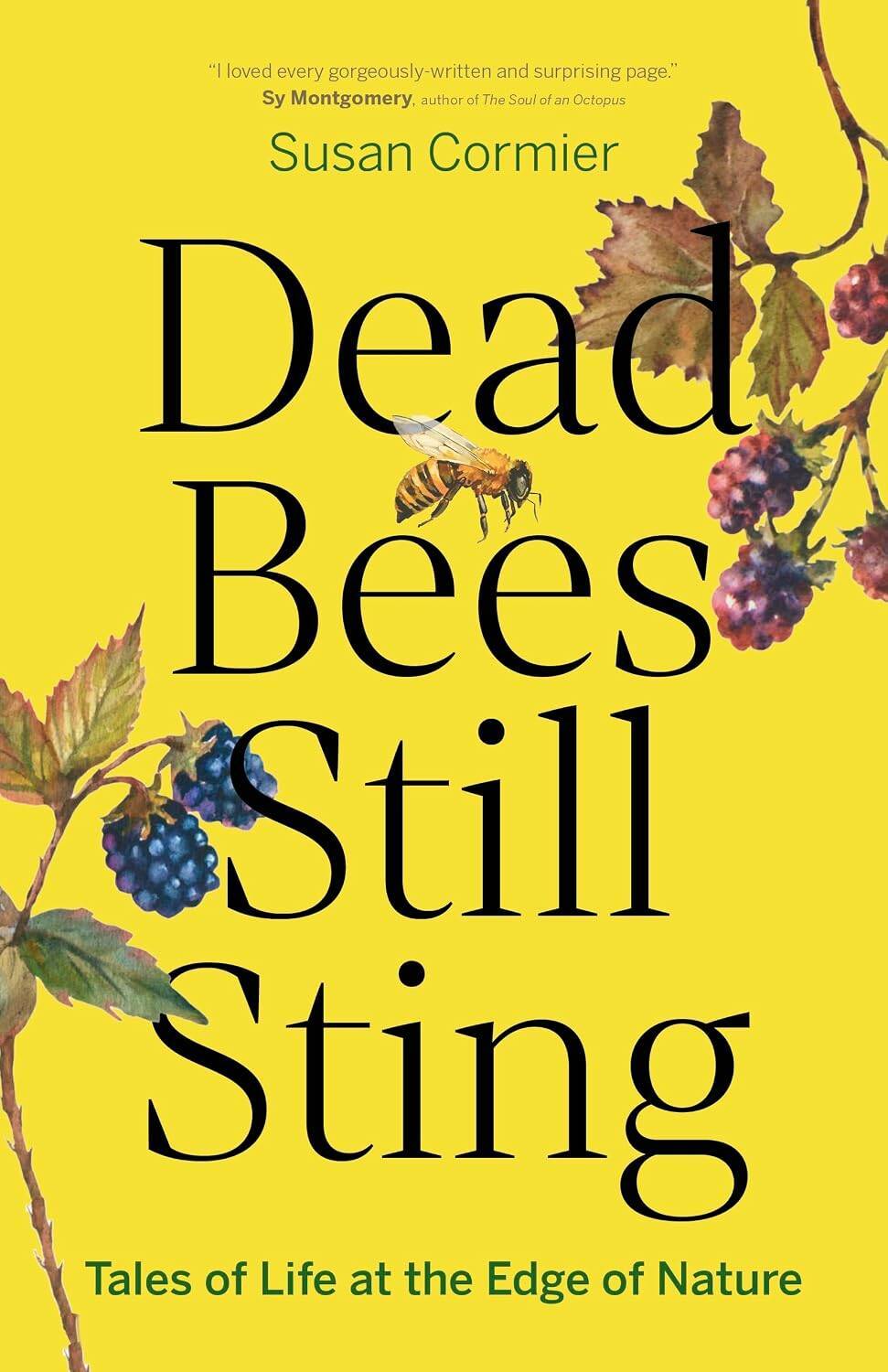
Dead Bees Still Sting

Soon after, the tree magically produces a lone apple. Cormier attributes this surprise to a number of possible factors but also speculates the tree “had overheard us discussing cutting it down due to its lack of productivity, so it produced a single apple, a Hail Mary held proudly against the sky.” The couple agree to postpone the tree’s demise until the apple falls.
While their healthy apple tree’s fruit ripens and are picked or fall to the grass below, the single apple clings onto its branch through the fall, winter, spring and summer. Withered and blackened, November rain finally knocks the apple down.
Cormier finds the remains — looking like a piece of blackened driftwood — and christens the tree Bill in honour of its miraculous apple. To the couple’s surprise, the formerly barren tree bears more and more green apples each year. “I don’t pick them. I wait for them to fall on their own. They are huge and sweet as life itself, and maybe, like Bill the apple before them, they just want to hang out for awhile.”
Through her thoughtful essays, Cormier shares her knowledge of the natural world and the surprises and sorrows it holds giving her writing a bittersweet clarity.
Andrea Geary is a freelance writing living in Selkirk.
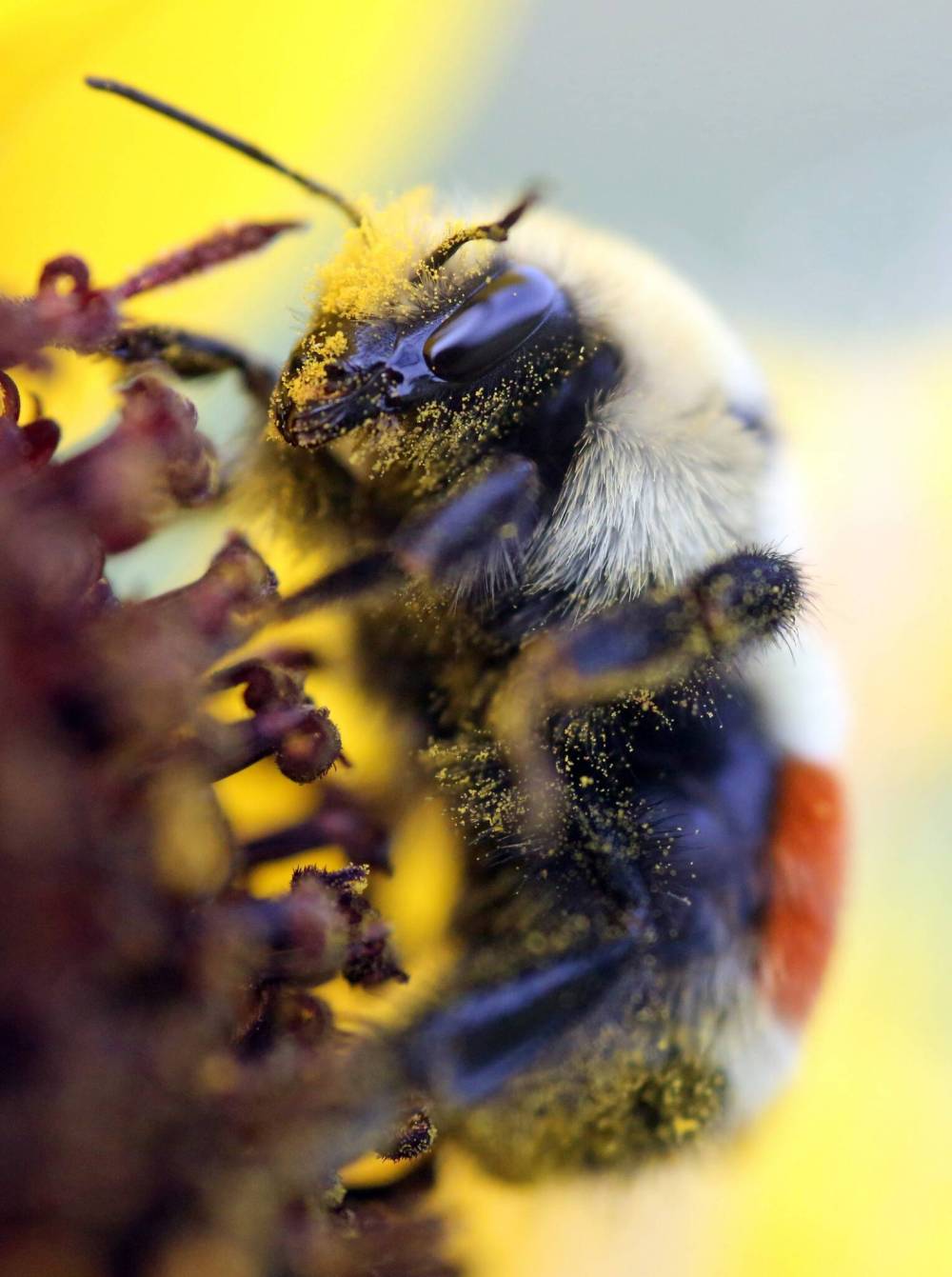
Matt Goerzen / Brandon Sun files
The insights offered in Susan Cormier’s thoughtful essays come with a bittersweet clarity.
History
Updated on Monday, June 29, 2026 11:28 AM CDT: Replaces tile photo