Young at heart
Life as an elder millennial revealed in laugh-out-loud, raunchy memoir
Advertisement
Read this article for free:
or
Already have an account? Log in here »
To continue reading, please subscribe:

Digital Subscription
One year of digital access for only $205*
- Enjoy unlimited reading on winnipegfreepress.com
- Read the E-Edition, our digital replica newspaper
- Access News Break, our award-winning app
- Play interactive puzzles
*First annual payment billed as $205.00 + GST for one year. This annual subscription will automatically renew at $233.00 + GST every 52 weeks (10% off the regular annual price of $259.35). Offer available to new and qualified returning subscribers only. Cancel any time.
To continue reading, please subscribe:
Add Free Press access to your Brandon Sun subscription for only an additional
$1 for the first 4 weeks*
- Enjoy unlimited reading on winnipegfreepress.com
- Read the E-Edition, our digital replica newspaper
- Access News Break, our award-winning app
- Play interactive puzzles
*Your next Brandon Sun subscription payment will increase by $1.00 and you will be charged $17.95 plus GST for four weeks. After four weeks, your payment will increase to $24.95 plus GST every four weeks.
Read unlimited articles for free today:
or
Already have an account? Log in here »
Believe it or not, the oldest millennials are now middle-aged.
Well, millennials can’t seem to believe it.
In this hilarious and unapologetically crass memoir, American author Jess Gutierrez reflects on her transition from a child of the 1980s to a (mostly) functioning adult of the 2020s.
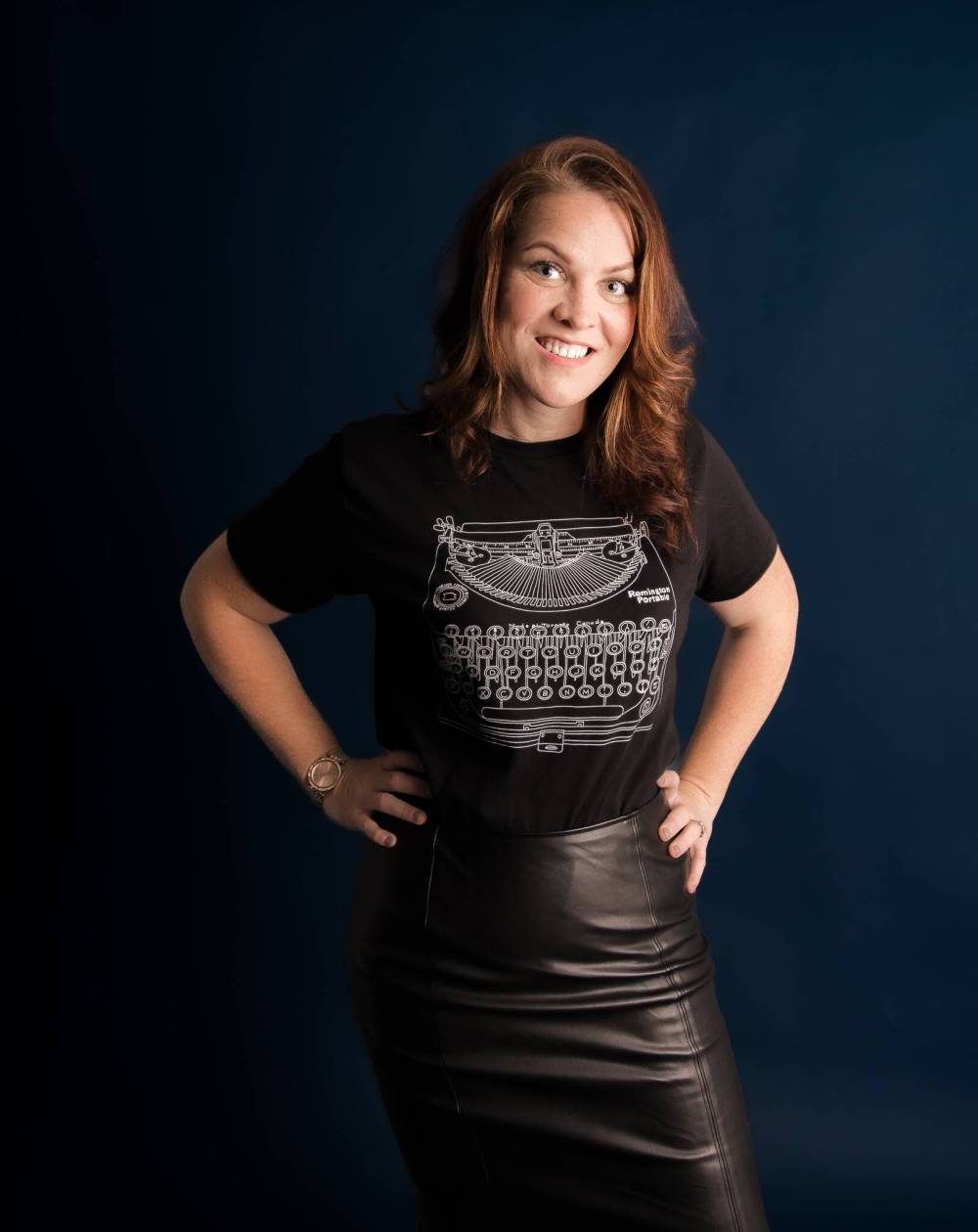
Poppy Sage Photography
Fellow millennials, even the younger ones, will cheer at Jess Gutierrez’s spot-on descriptions of her shock at suddenly finding herself an adult.
Born in 1983, Gutierrez is considered an “elder millennial” as one of the oldest of those born between 1981 and 1996.
While this generation is best-known for being the tech-savvy whiz kids who came of age during the digital revolution, they’re now raising their own kids and watching the next generation pass them by.
Or as Gutierrez puts it, “Millennials, once the young hip upstarts that boomers complained incessantly about, are now middle-aged. Those born after us, our younger successors, have even begun calling us old.”
Narrating in the first person, Gutierrez starts with her childhood in 1990s rural Arkansas, where she grew up in an impoverished, somewhat dysfunctional but loving family.
Gutierrez takes us through her tumultuous dating life, coming out as a queer woman, struggles in college and financial challenges.
At some point, she embarks on a successful medical career, meets and marries her wife, becomes mother to their three children and discovers a love of writing.
Rather than a straightforward narrative, the memoir is a collection of related essays focusing on periods in Gutierrez’s life.
This technique suits her — the disjointed chapters add to her depiction of herself as a disorganized yet insightful person.
She alternates chapters on her history with those dedicated to pop culture, including one dedicated to popular millennial movies (featuring a surprisingly long celebration of the Twilight franchise).
Readers — probably gen X and up — may be reminded of famed screenwriter Nora Ephron, who used the same style in her 2006 memoir I Feel Bad About My Neck, in which she muses on aging and womanhood set in New York City.
Gutierrez is guilty of overwriting at times, often using three or four metaphors when the first one was enough.
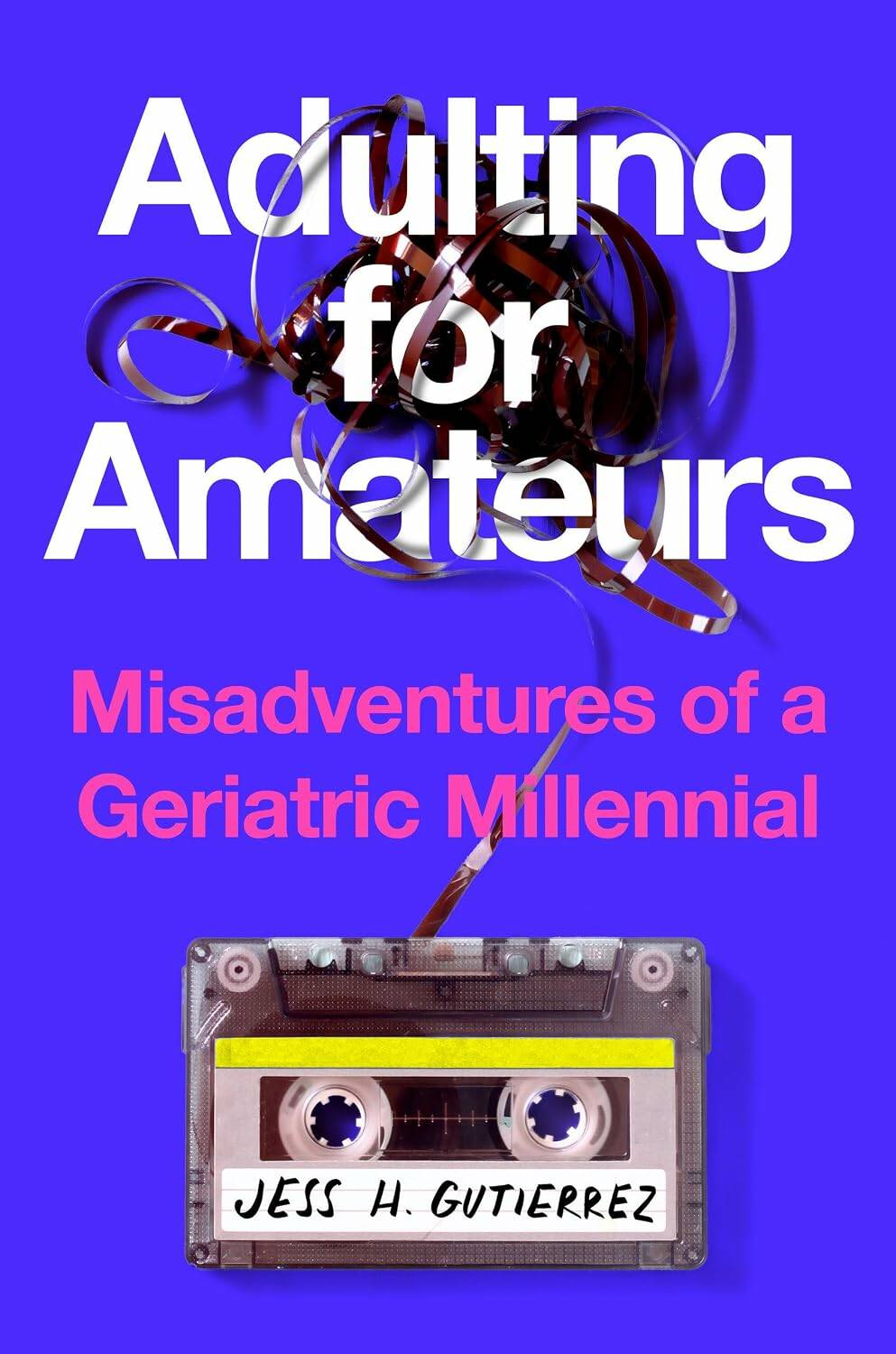
Adulting for Amateurs
Many memoirs lighten serious topics with humour or at least balance them evenly. Even Angela’s Ashes, Frank McCourt’s 1996 memoir of his poverty-stricken childhood in Depression-era Ireland, contained a few laugh-out-loud passages.
Gutierrez takes the opposite approach, presenting her life as a constant train wreck and surprising readers with occasional tender insights.
Readers may feel cheated that Gutierrez didn’t include more of those moments, which are touching and relatable, such as when she reflects on her approach to motherhood: “When I stopped asking myself to be the best mom in the world, I actually became the mom I had wanted to be in the first place,” she reflects.
Most times, Gutierrez tempers her softer moments with a dose of potty mouth — for example, when she muses, “For all the hours I used to spend thinking my mom was an intrusive dumbass, I sure would’ve been surprised that I eventually grew into a woman who understands her.”
Fellow millennials, even the younger ones, will cheer at Gutierrez’s spot-on descriptions of her shock at suddenly finding herself an adult.
Readers of all generations will simply enjoy her humour and perhaps a little smugness at her millennial failings.
A fellow elder millennial, Winnipeg writer Kathryne Cardwell was disappointed this memoir contained no actual advice on amateurs trying to adult.