Fraught father-son relationship addressed
Advertisement
Read this article for free:
or
Already have an account? Log in here »
To continue reading, please subscribe:

Digital Subscription
One year of digital access for only $205*
- Enjoy unlimited reading on winnipegfreepress.com
- Read the E-Edition, our digital replica newspaper
- Access News Break, our award-winning app
- Play interactive puzzles
*First annual payment billed as $205.00 + GST for one year. This annual subscription will automatically renew at $233.00 + GST every 52 weeks (10% off the regular annual price of $259.35). Offer available to new and qualified returning subscribers only. Cancel any time.
To continue reading, please subscribe:
Add Free Press access to your Brandon Sun subscription for only an additional
$1 for the first 4 weeks*
- Enjoy unlimited reading on winnipegfreepress.com
- Read the E-Edition, our digital replica newspaper
- Access News Break, our award-winning app
- Play interactive puzzles
*Your next Brandon Sun subscription payment will increase by $1.00 and you will be charged $17.95 plus GST for four weeks. After four weeks, your payment will increase to $24.95 plus GST every four weeks.
Read unlimited articles for free today:
or
Already have an account? Log in here »
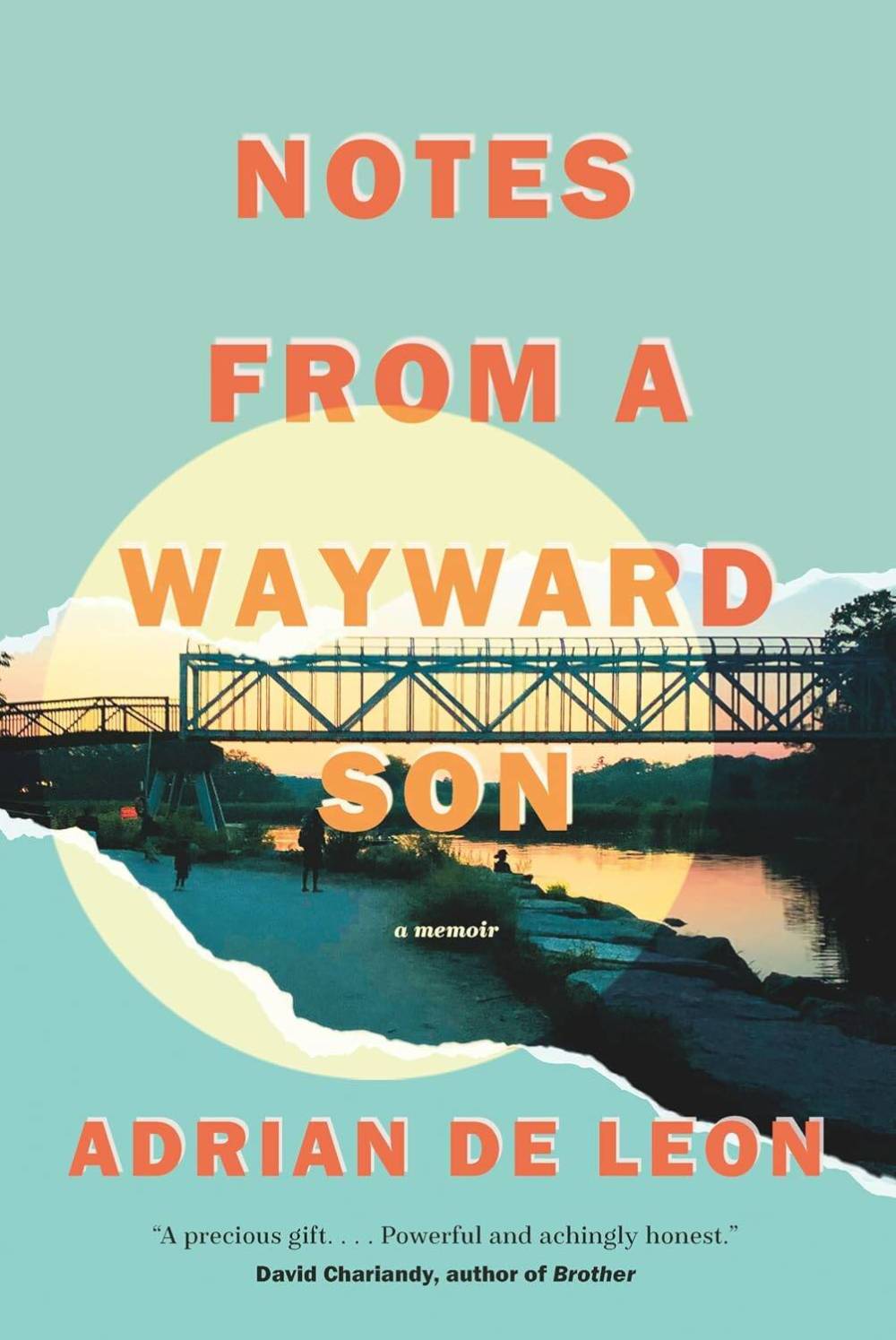
The end of a relationship can bring clarity to the elements that caused its disintegration, even when the estrangement is within families. In Notes from a Wayward Son, writer and professor Adrian De Leon looks back on his troubled relationship with his father while vividly portraying his life as the son of immigrants to Canada.
De Leon was born in Manila, Philippines, and raised in Ontario. He is the author and editor of five books, including a volume of poetry as well as two academic books on Filipino life and history. He has collaborated with filmmakers to create and co-host A People’s History of Asian America and Historian’s Take, and is currently a professor of American and Philippine history at New York University.
Notes from a Wayward Son is written as a kind of letter from the author to his father, with De Leon often addressing Tatay (Filipino for father) directly.
Notes From A Wayward Son
Despite their troubled and often abusive relationship, De Leon acknowledges the good lessons he learned from his father. He also notes that his father’s smile “could lighten the roughest of folks.”
Still, he says, “This was the fulcrum of our relationship; you spoke, the room went quiet, and I performed the act of listening.”
One way that De Leon and Tatay were able to connect was through kuntaw, the Filipino martial art, which the author describes as being much like taekwondo. The family ran a kuntaw studio in Scarborough, Ont., after moving from the Philippines to Canada when De Leon was five.
In addition to joining in many church activities that his parents encouraged him to attend, De Leon was a student at the studio. He chronicles growing up in Ontario, making friends, learning to use the internet and attending school, as well as including many descriptions of Filipino culture and history, offering non-Filipino readers a better understanding of the context of his own family’s particular struggles.

Finally, De Leon discusses his lingering fears of becoming a father, likely a result of his childhood experiences and relationship with Tatay.
Notes from a Wayward Son contains many unusual elements. For example, De Leon often refers to people with descriptive terms rather than their names, such as Dr. Doomsday for one of his instructors or Sweater Weather for a classmate. Even his brother is Balong, a term of endearment in the Philippines. It’s an effective way of describing minor characters briefly but vividly.
Near the end of the book, De Leon also includes several passages of his poetry and writes some chapters in a stream-of-consciousness style with no paragraph breaks.
While some aspects of Notes from a Wayward Son are disturbing and others unconventional, the book is a compelling account of family and immigrant life in Canada, showing some of the factors that can influence people’s lives. For anyone interested in exploring Filipino-Canadian culture or family interactions, Adrian De Leon’s memoir is well worth reading.
Susan Huebert is a Winnipeg writer and pet sitter.