Changing Jobs
Shakespearean drama of tech titan’s time away from Apple chronicled
Advertisement
Read this article for free:
or
Already have an account? Log in here »
To continue reading, please subscribe:

Digital Subscription
One year of digital access for only $205*
- Enjoy unlimited reading on winnipegfreepress.com
- Read the E-Edition, our digital replica newspaper
- Access News Break, our award-winning app
- Play interactive puzzles
*First annual payment billed as $205.00 + GST for one year. This annual subscription will automatically renew at $233.00 + GST every 52 weeks (10% off the regular annual price of $259.35). Offer available to new and qualified returning subscribers only. Cancel any time.
To continue reading, please subscribe:
Add Free Press access to your Brandon Sun subscription for only an additional
$1 for the first 4 weeks*
- Enjoy unlimited reading on winnipegfreepress.com
- Read the E-Edition, our digital replica newspaper
- Access News Break, our award-winning app
- Play interactive puzzles
*Your next Brandon Sun subscription payment will increase by $1.00 and you will be charged $17.95 plus GST for four weeks. After four weeks, your payment will increase to $24.95 plus GST every four weeks.
Read unlimited articles for free today:
or
Already have an account? Log in here »
Tech billionaire Ross Perot was furious.
After Apple founder Steve Jobs had been kicked out by Apple’s board in 1985, Perot invested US$20 million in Jobs’ new company, NeXT Inc., and took a seat on the board.
Perot had used his extensive contacts to line up hundreds of millions of dollars worth of government and military contracts, which Jobs dismissed with an airy, “I don’t want to do business with the government.”
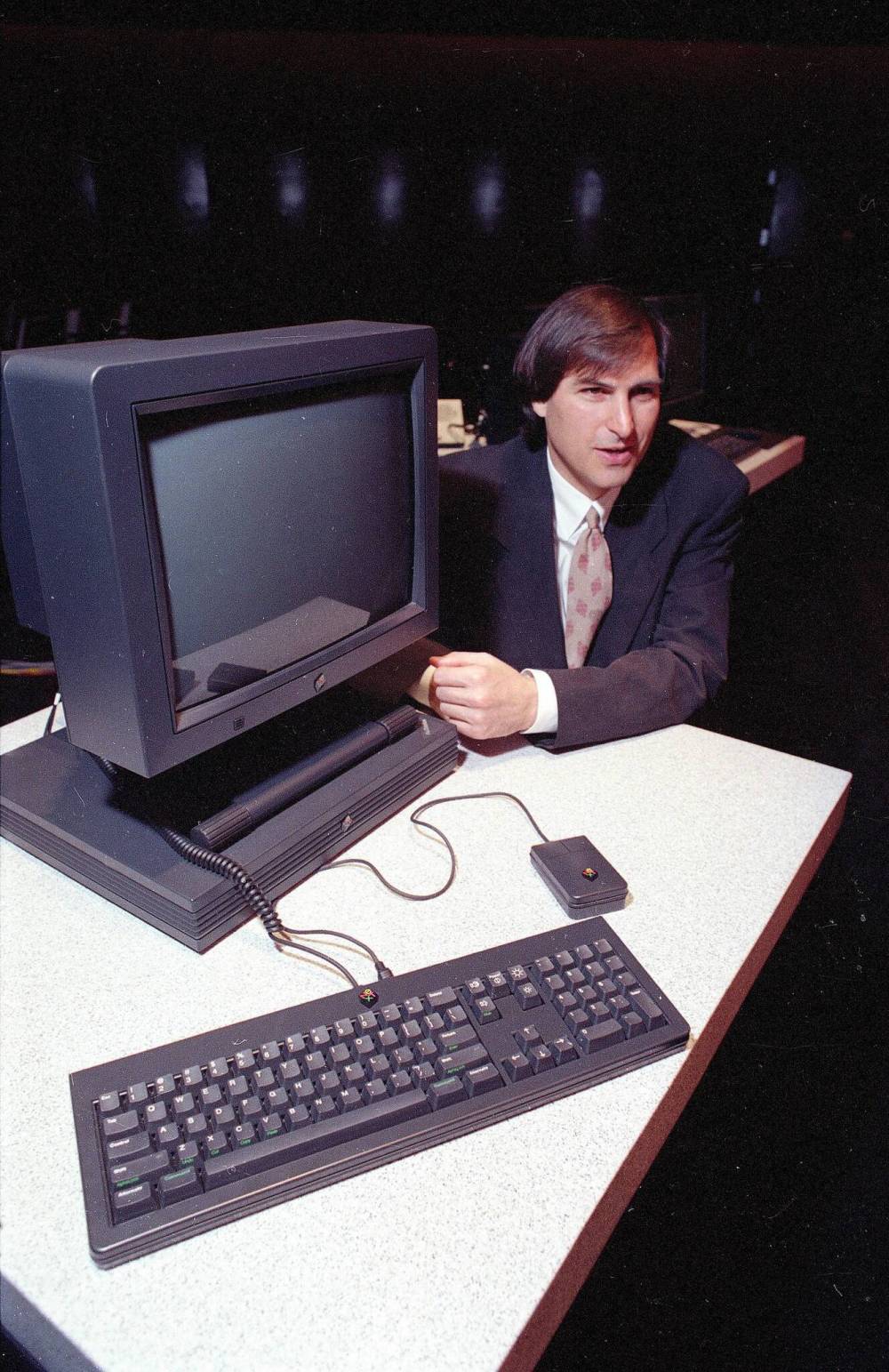
Eric Risberg / Associated Press files
In this 1990 photo Steve Jobs, then president and CEO of NeXT Computer Inc., shows off the new NeXTstation computer in San Francisco.
Perot complained to a young NeXT worker, taking aim at Jobs’ expensive tastes in the NeXT corporate headquarters.
“I gave Steve too much dang money. When you have too much money, you start spending it on floating staircases and $10,000 chairs,” the future U.S. presidential candidate said.
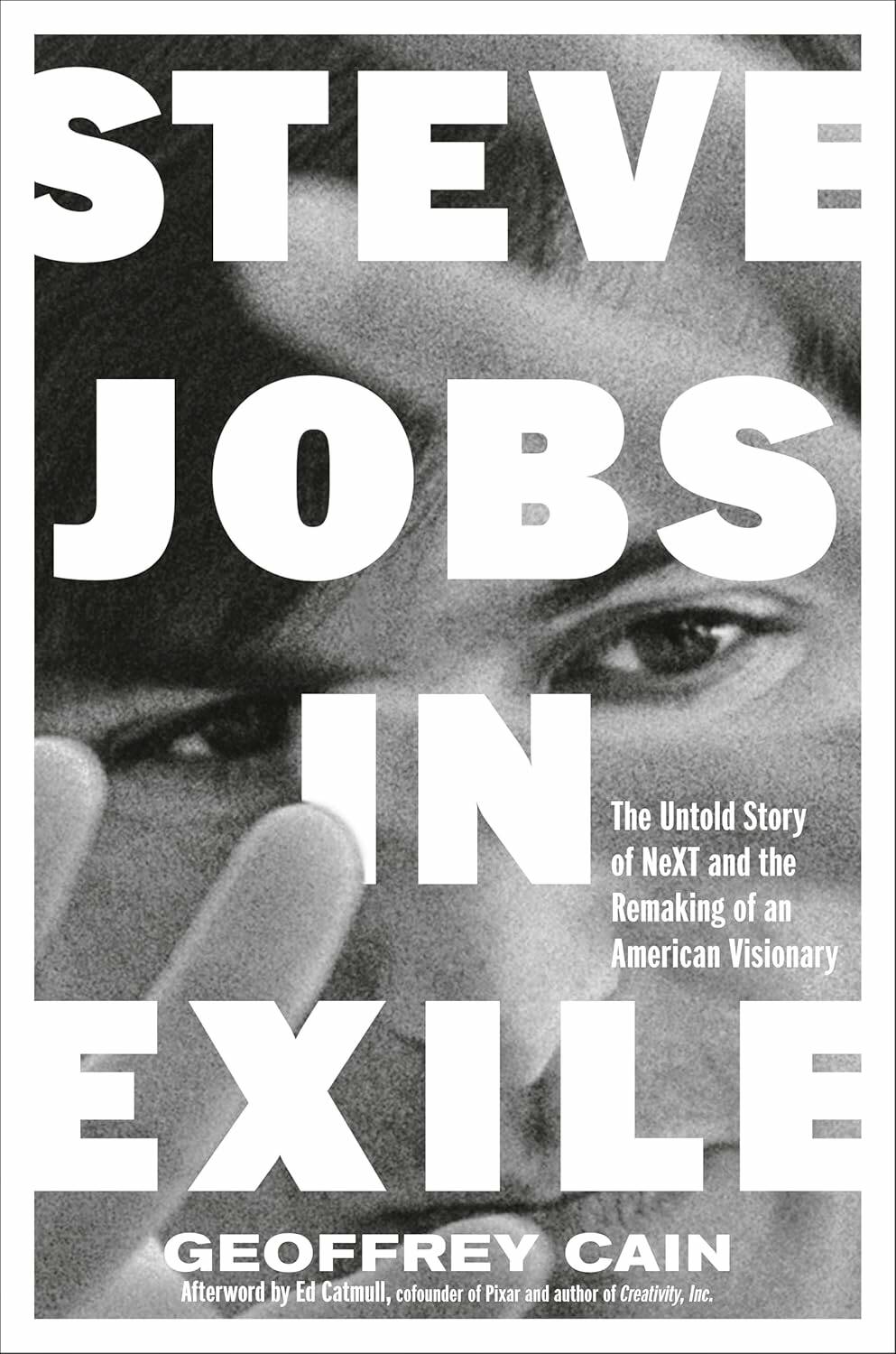
Journalist and author Geoffrey Cain recounts dozens of anecdotes like that, gleaned from more than 100 interviews he conducted to write Steve Jobs in Exile: The Untold Story of NeXT and the Remaking of an American Visionary.
Some of the potential sources had already died, including Jobs, but his views appear through his media interviews, presentations and stories told by his colleagues, who spoke much more freely about his shortcomings after he died.
Cain takes us on the roller-coaster ride that was the life of Steve Jobs from his last days at Apple in 1985 through the founding of NeXT and computer animation company Pixar, to his triumphant return to Apple in 1997.
Jobs’ narrative arc is worthy of Shakespeare. Initial success is followed by betrayal and the equivalent of an assassination by his hand-picked inner circle.
The hero creates self-inflicted wounds and massive losses through his own hubris, which he can’t seem to control.
Later, self-examination leads to repentance and redemption. But the conversion is too late to prevent the hero’s sudden and untimely death. (Jobs died in 2011 at age 56.)
Perot had just learned that Jobs treated his friends and supporters like enemies. Perot left the board. The five co-founders of NeXT were all driven out by Jobs’ mercurial temperament and his habit of blaming others for mistakes and delays he caused.
But he treated his enemies as potential allies, making a “frenemy” of Microsoft founder Bill Gates.
At various times, both men sought to destroy the other’s business.
Jobs negotiated a deal with IBM to use NeXT as the graphical user interface for all their personal computers, which were still using Microsoft’s ugly, text-only MS-DOS.
Gates went ballistic and sought to undermine NeXT’s credibility by publicly excoriating Jobs for the company’s many failures to that point.
Steve Jobs in Exile
But Jobs was his own worst enemy. The day he was to meet in person with top IBM executives to seal the deal, he refused to attend, in a pique about a last-minute change to the slide presentation.
If he had attended, NeXT would likely have become the dominant operating system for personal computers, instead of Microsoft’s Windows.
Years later, with Microsoft harvesting the bounty of Jobs’ crucial error and Jobs back at Apple, Gates joined Jobs for one of his famous walks around the neighbourhood.
By the time they got back to Jobs’ house, Gates had agreed to give Apple a life-saving cash boost of US$150 million to save his nemesis from bankruptcy.
That gave Jobs the cash and credibility needed to use what he had learned at NeXT to create the iMac, iPod, iPhone and iPad, all of them transforming Apple into the behemoth it is today.

Speaking of transforming, Jobs got married and had a son, which his colleagues agreed gave him a much-needed perspective on work-life balance.
At work, he was still impossibly demanding, but he dropped the personal attacks and the threats to fire anyone who disagreed with him, leading to a much-improved work climate.
Cain has provided a thorough portrait of Jobs, warts and all, during this important phase of his career.
Today, almost everyone owns an iPhone or one of its competitors, demonstrating that Jobs’ personal growth transformed the whole world.
Donald Benham is a freelance writer living near Beausejour. In 1985, he was one of the first people outside the U.S. to test-drive the first Macintosh computer.