Musings on male gaze, art vividly rendered
Advertisement
Read this article for free:
or
Already have an account? Log in here »
To continue reading, please subscribe:

Digital Subscription
One year of digital access for only $205*
- Enjoy unlimited reading on winnipegfreepress.com
- Read the E-Edition, our digital replica newspaper
- Access News Break, our award-winning app
- Play interactive puzzles
*First annual payment billed as $205.00 + GST for one year. This annual subscription will automatically renew at $233.00 + GST every 52 weeks (10% off the regular annual price of $259.35). Offer available to new and qualified returning subscribers only. Cancel any time.
To continue reading, please subscribe:
Add Free Press access to your Brandon Sun subscription for only an additional
$1 for the first 4 weeks*
- Enjoy unlimited reading on winnipegfreepress.com
- Read the E-Edition, our digital replica newspaper
- Access News Break, our award-winning app
- Play interactive puzzles
*Your next Brandon Sun subscription payment will increase by $1.00 and you will be charged $17.95 plus GST for four weeks. After four weeks, your payment will increase to $24.95 plus GST every four weeks.
Read unlimited articles for free today:
or
Already have an account? Log in here »
How others look at us can be a matter of indifference, or it can be a life-changing part of our identity as we work to understand ourselves.
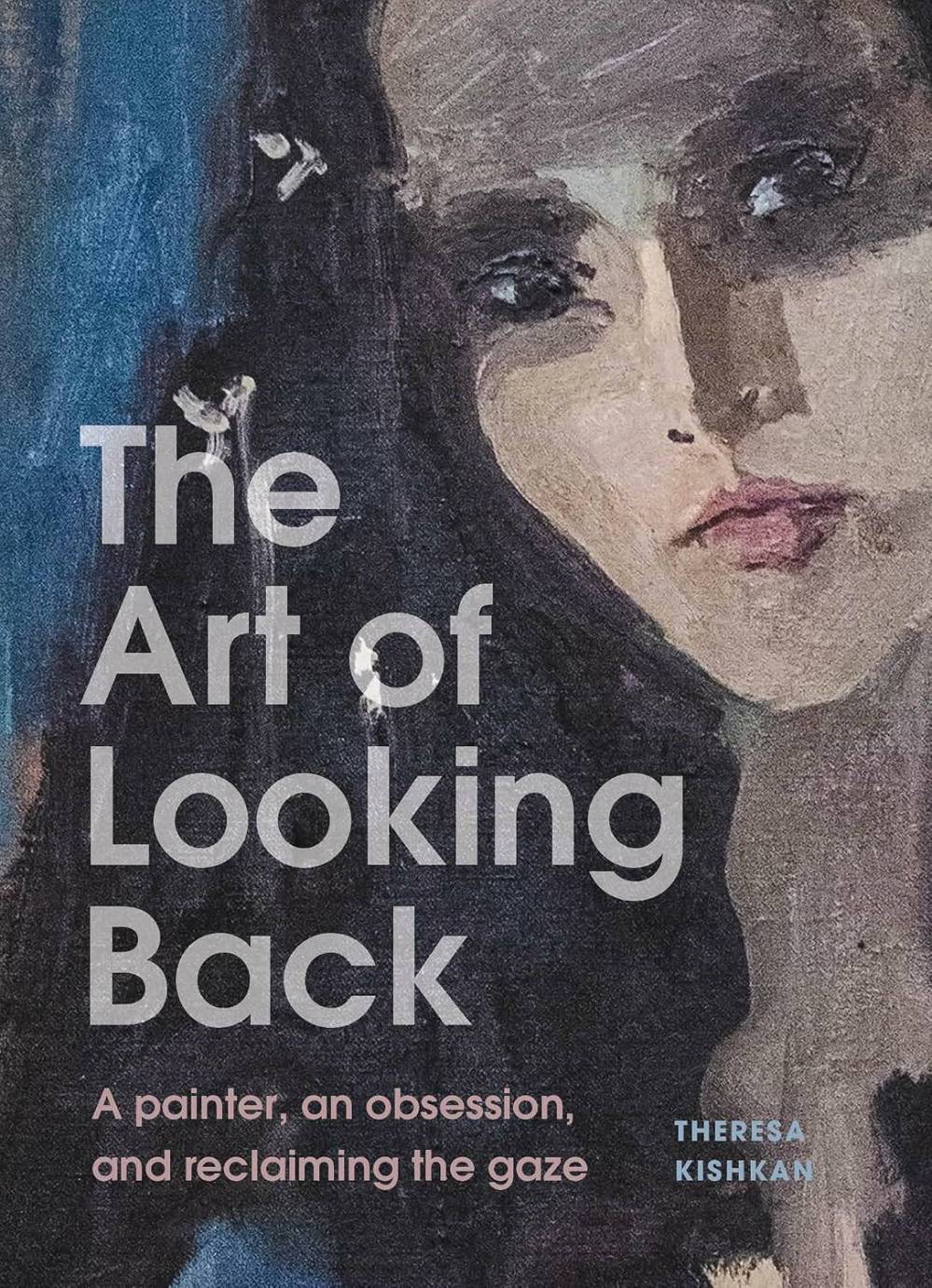
In The Art of Looking Back, Theresa Kishkan considers how an artist’s gaze, or the male gaze in general, can profoundly affect the life and identity of the object of that look, something she experienced vividly in her own life.
Kishkan is an award-winning B.C.-based writer of 16 books, including a collection of essays called Euclid’s Orchard, dealing with family history, botany, mathematics and love. She also wrote a novella and a series of essays gathered in the book Blue Portugal and Other Essays, and 2008 her essay collection Phantom Limb was chosen by the Creative Nonfiction Collective for the organization’s first Readers’ Choice Award.
The Art of Looking Back
For Kishkan, meeting a painter named Jack (now deceased) was the beginning of a period of intense feelings, from joy to despair and from satisfaction to discomfort. Becoming Jack’s painting model helped the author see herself in new ways while sometimes making her uncomfortable with his gaze. Knowing that Jack also used his own daughter as a model was another source of discomfort. The Art of Looking Back reflects the author’s emotions and often-confused thoughts on the relationship between artist and subject.
Becoming Jack’s model meant becoming accustomed to having others looking at her as well, even if only on canvas. Kishkan began contemplating the male gaze and how it affects women and girls. Now in her 60s, the author no longer feels the male gaze the same way that she did in her younger years, giving her the chance to consider how that gaze varies according to the subject’s age, appearance and more.
Meanwhile, Kishkan attended events at the school that Jack’s daughter attended, went to visit the Acropolis in Athens and discussed art with her friends, even as she participated in her own family life with her husband and young children. Throughout these experiences, she worked at understanding how an artist’s intense gaze can be both an advantage and a disadvantage in understanding human relationships.
The Art of Looking Back is written in a series of short chapters reflecting on various aspects of the author’s life, from looking after her baby to how she felt on seeing herself on the walls of art galleries and in people’s homes. She reflects on the nature of art, the male gaze and the nature of recognition.
Although the lack of linear storytelling might make it difficult for some readers to follow the exact sequence of events, her experiences could be a starting point for those considering their own experiences. Kishkan takes readers through the high and low points of her life, looking back just as the artist looked at her.

Kishkan’s book is a thought-provoking book about how other people see us, with many applications for anyone inside or outside the art world. Even for those who have never work as artists’ models, the questions raised in The Art of Looking Back can apply to other areas of life, making this book potentially relevant to many while also being a compelling account of a former artist’s model trying to sort out her feelings and experiences.
Susan Huebert is a Winnipeg writer and pet sitter.