Disarming discourse
Gladwell’s exploration of America’s gun crisis separates myth and misconception from fact
Advertisement
Read this article for free:
or
Already have an account? Log in here »
To continue reading, please subscribe:

Digital Subscription
One year of digital access for only $205*
- Enjoy unlimited reading on winnipegfreepress.com
- Read the E-Edition, our digital replica newspaper
- Access News Break, our award-winning app
- Play interactive puzzles
*First annual payment billed as $205.00 + GST for one year. This annual subscription will automatically renew at $233.00 + GST every 52 weeks (10% off the regular annual price of $259.35). Offer available to new and qualified returning subscribers only. Cancel any time.
To continue reading, please subscribe:
Add Free Press access to your Brandon Sun subscription for only an additional
$1 for the first 4 weeks*
- Enjoy unlimited reading on winnipegfreepress.com
- Read the E-Edition, our digital replica newspaper
- Access News Break, our award-winning app
- Play interactive puzzles
*Your next Brandon Sun subscription payment will increase by $1.00 and you will be charged $17.95 plus GST for four weeks. After four weeks, your payment will increase to $24.95 plus GST every four weeks.
Read unlimited articles for free today:
or
Already have an account? Log in here »
The idea of a Canadian lecturing Americans on their insane attitudes towards gun violence might seem ill-advised at this moment of fraught relations between our two countries.
Goodness knows, shelves full of books by Americans themselves have already been written on this suicidal pathology.
But, hey, the popular non-fiction author and journalist Malcolm Gladwell — born and raised in southern Ontario, but a U.S. resident his entire career — has a long pedigree on the topic.
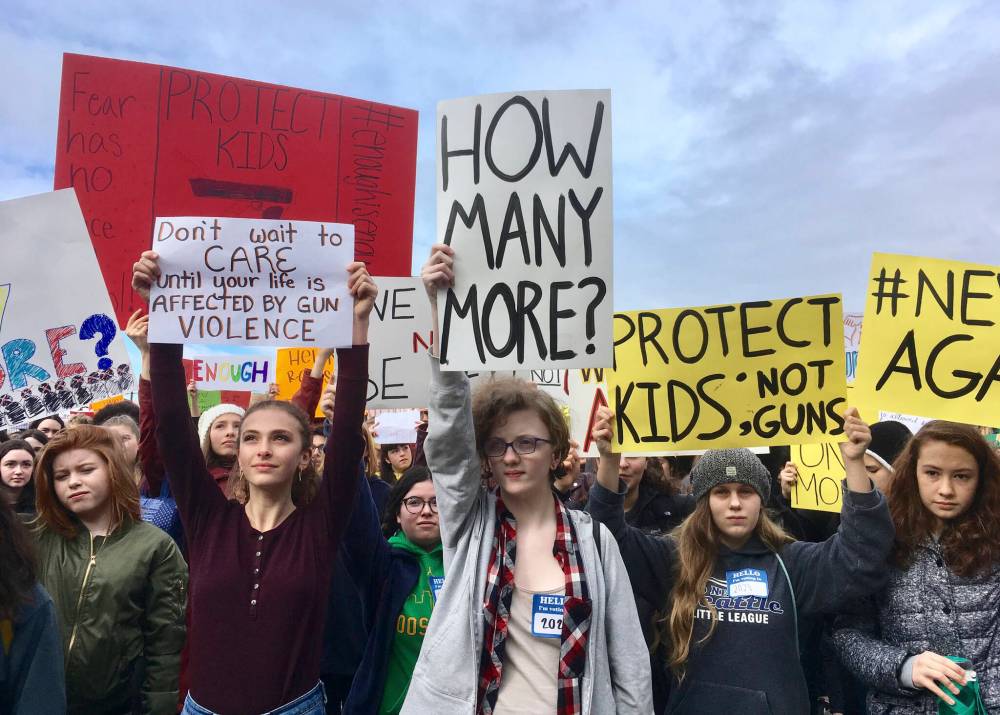
Manuel Valdes / Associated Press files
Students in Seattle protest gun violence a month after the Feb. 14, 2018 shooting at Marjory Stoneman Douglas High School in Parkland, Fla., where 17 people were killed.
“I’m particularly drawn to American stories of criminals and criminality,” he notes in his introduction to his latest book of sociological non-fiction, The American Way of Killing, “because you cannot cross between the U.S. and Canada, as I have done six or seven times a year for nearly half a century, and not be struck by how peculiar America is.”
Gladwell notes that his first book, The Tipping Point (2000), was inspired by the seemingly inexplicable drop in crime in New York City in the 1990s.
He has also explored violence and criminality in succeeding books, such as Blink (2005), What the Dog Saw (2009) and Talking to Strangers (2013).
At 63, Gladwell now devotes most of his energies to his weekly podcast, Revisionist History. In the summer of 2023 he aired a five-part series on U.S. gun violence.
This book, his ninth, essentially repurposes the research he and his podcast team did then. He buries this fact at the back in his acknowledgments.
Indeed, readers may be forgiven for feeling this is less a standalone book than a study guide to a now three-year-old podcast series.
The book contains excerpts from many of those interviews, replete with the syntactical errors, flabbiness and misdirections common in conversational speech. In audio this is fine; in print it is distracting and lazy.
Nevertheless, using his trademark technique of conveying academic research via stories of actual human beings, Gladwell makes lots of good points.
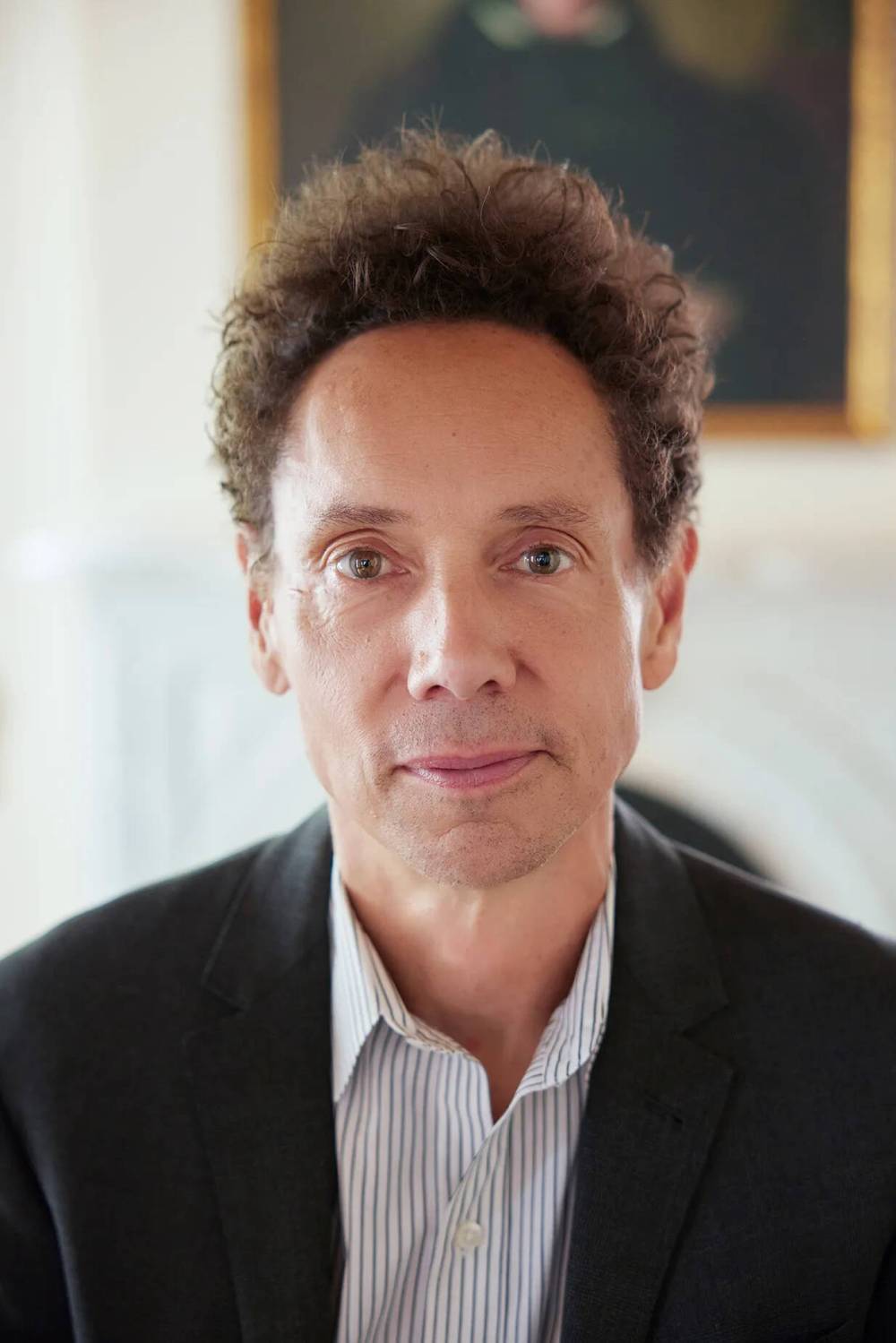
Shannon Greer photo
Malcolm Gladwell
He shows how Americans fool themselves into thinking gun violence has flatlined in recent decades because homicide rates have remained stable. But, in fact, more gunshot victims would die if medical trauma care had not made such impressive strides.
Among his other arguments:
• Americans think their constitution’s Second Amendment, with its “right to bear arms,” was drafted to allow for citizens’ defence against government tyranny. But it was really meant as a tool for southern plantation owners to control their slave populations.
• U.S. progressives have argued, certainly in the wake of the 2020 George Floyd killing, that gun violence is a byproduct of over-policing. But in fact, American cities employ half the police of similarly sized European cities, which have one-fifth the number of homicides.
• Progressives have also concentrated their gun-control energies on trying to ban assault rifles, even though they account for a tiny fraction of the deaths caused by handguns.
• Americans confuse the mythology of TV westerns, such as the all-time classic Gunsmoke, set in a lawless Dodge City, Kansas, with historical reality. In fact, gun control laws in 19th-century Kansas were much stronger than they are anywhere in the U.S. today.
• U.S. policy-makers act as though gun violence is primarily “instrumental,” committed for some intentionally nefarious purpose. But the majority is “expressive” violence, or as Gladwell says, “young men getting into arguments and losing their heads.”

To his credit, Gladwell unearths all sorts of fascinating evidence to upend conventional wisdom on why the U.S. is an outlier among developed nations for gun violence, incarceration rates and proliferation of firearms.
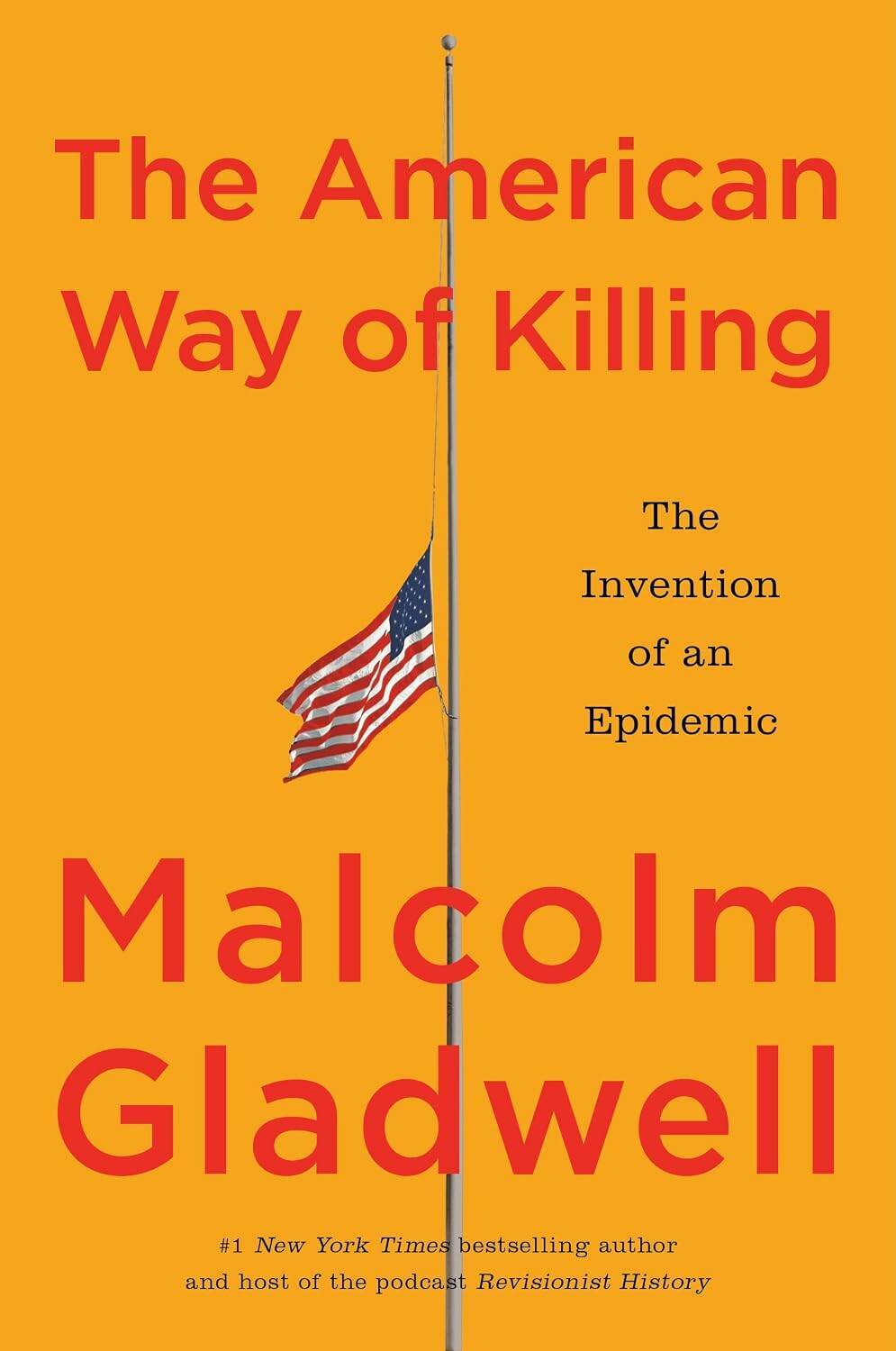
The American Way of Killing
It’s likely too late for them to change now.
Americans will disarm only when their guns are pried, as per Charlton Heston’s notorious boast, from their “cold, dead hands.”
If Gladwell thinks differently, it’s time for him to get out of Dodge.
Morley Walker is a retired Free Press editor and writer.