Deadly deliberations
Troubled juror in teenagers’ murder trial gets in well over his head
Advertisement
Read this article for free:
or
Already have an account? Log in here »
To continue reading, please subscribe:
Digital Subscription
One year of digital access for only $1.44 a week*
- Enjoy unlimited reading on winnipegfreepress.com
- Read the E-Edition, our digital replica newspaper
- Access News Break, our award-winning app
- Play interactive puzzles
*Billed as $5.77 plus GST every four weeks. After 52 weeks, price increases to the regular rate of $19.95 plus GST every four weeks. Offer available to new and qualified returning subscribers only. Cancel any time.
To continue reading, please subscribe:
Add Free Press access to your Brandon Sun subscription for only an additional
$1 for the first 4 weeks*
- Enjoy unlimited reading on winnipegfreepress.com
- Read the E-Edition, our digital replica newspaper
- Access News Break, our award-winning app
- Play interactive puzzles
*Your next Brandon Sun subscription payment will increase by $1.00 and you will be charged $17.95 plus GST for four weeks. After four weeks, your payment will increase to $24.95 plus GST every four weeks.
Read unlimited articles for free today:
or
Already have an account? Log in here »
A schoolgirl has been literally scared to death, and two of her classmates are charged with her murder. But these aren’t ordinary schoolyard bullies — these are teenage witches in league with the devil.
Or at least one of the teenagers in London author Harriet Tyce’s new novel Witch Trial is saying the devil made her do it. She even claims she kissed the devil’s reeking anus (ew) as a show of allegiance.
Despite the novel’s title, the girls aren’t really on trial for being witches — after all, the story is set in 2019, and witches and Satan don’t really exist… do they? It’s hard to say, especially in the midst of a novel by an author well-known for her plot twists, turns and inversions.
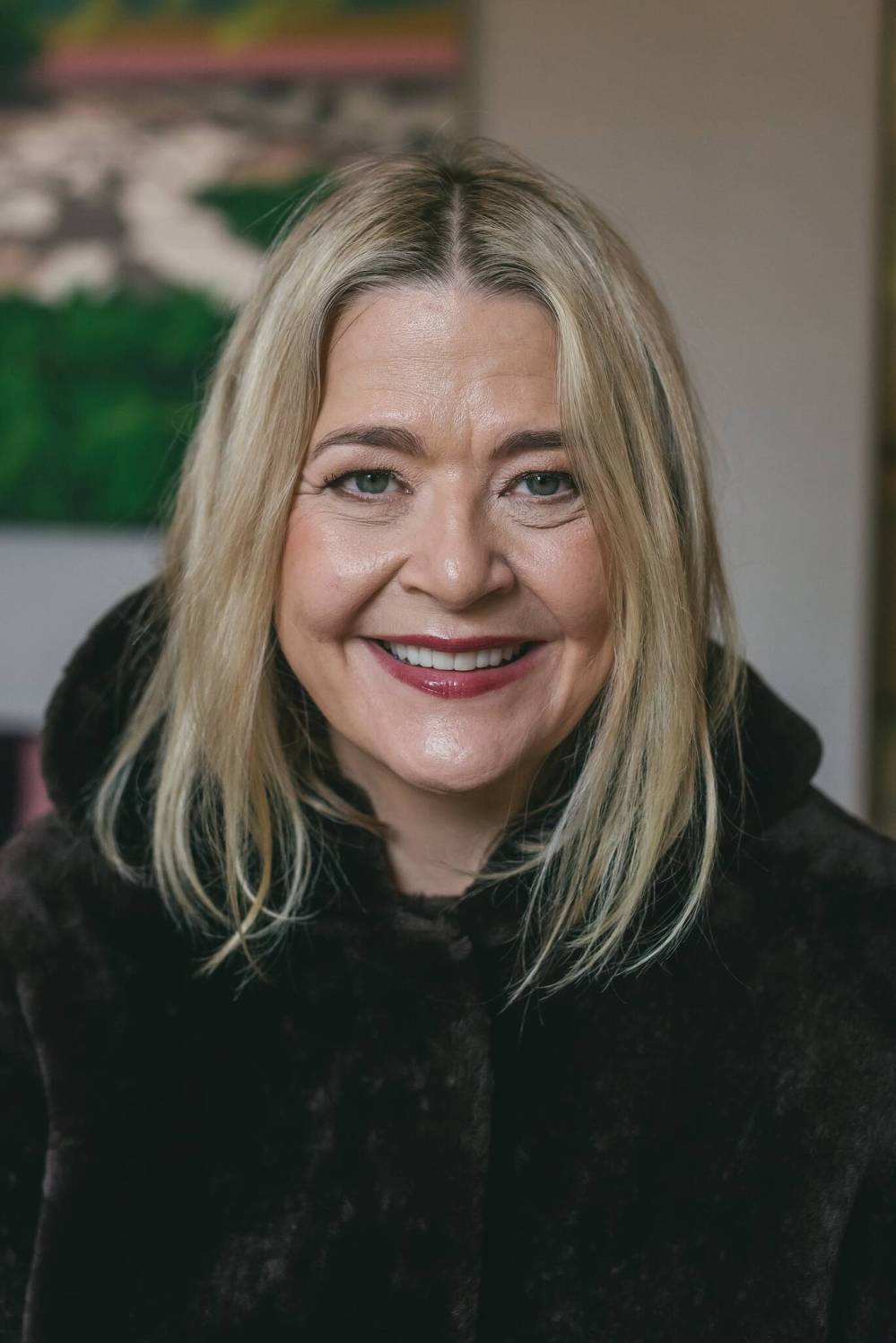
Charlotte Knee photo photo
Harriet Tyce doesn’t seem to have much sympathy for those accused of witchcraft.
Matthew Phillips, a jury member in the trial of the teenagers, is certainly confused about it all. The first male protagonist to appear in one of Harriet Tyce’s four novels, he’s in his late 40s and is rather unlikable — unless you happen to fancy your men petulant, arrogant, erratic and selfish.
Matthew’s also a heavy drinker, an adulterer and wasn’t really the best father. As in Tyce’s other novels (Blood Orange, The Lies You Told, It Ends at Midnight, A Lesson in Cruelty), her main character is a little too flawed for immediate sympathy.
We are frequently reminded that Matthew is a heart and transplant surgeon, and if we weren’t reminded, we would probably just think him an arse. He describes himself as “not a man who dodges his responsibilities.” Nonetheless, the story opens with him eager to get on jury duty for two weeks, precisely to dodge his work and personal responsibilities, including an impending one-week seaside vacation with his wife that sounds lovely.
It isn’t clear what has gone wrong in Matthew’s work and marital life. Is it the affair he’s having with a colleague? His excessive drinking? When he tries to go home drunk after the first day of the trial, he finds his wife has chained the door. He then spends the rest of the trial marooned from his spouse, eating microwaved meals alone in a flat, drinking whisky and furiously plotting how to sway the rest of the jury to follow his conclusions as his thinking becomes increasingly grandiose.
Despite all his flaws, it’s hard not to feel a bit sorry for Matthew as he clearly gets in over his head during the trial. Not only does he become involved in some very bizarre experiences, but he develops a crush on a mysterious blond woman sitting in the court’s public gallery who is definitely not exactly what she seems.
The Scottish-born Tyce previously worked as a criminal barrister in London, so it’s not surprising her novels typically contain court cases. The witch trial in this novel was likely influenced by historic events, but also by the real-life 1994 English case of “the Ouija board jury” as she points out near the end of her novel and also in her short bibliography. Strong emphasis is also given to issues of school-age bullying, competition in female friendships and overbearing parents, all of which are consistent themes Tyce has explored in other novels.
If you’re looking for an insightful retelling of historical witch trials, or if you’re looking for a novel where witches are benevolent, or sexy, or cute and charming, this isn’t it. Notwithstanding a few references to Scotland’s historic mistreatment and murder of hundreds of witches in previous centuries, Tyce doesn’t seem to have much sympathy for those accused of witchcraft or for anybody keen on witches.
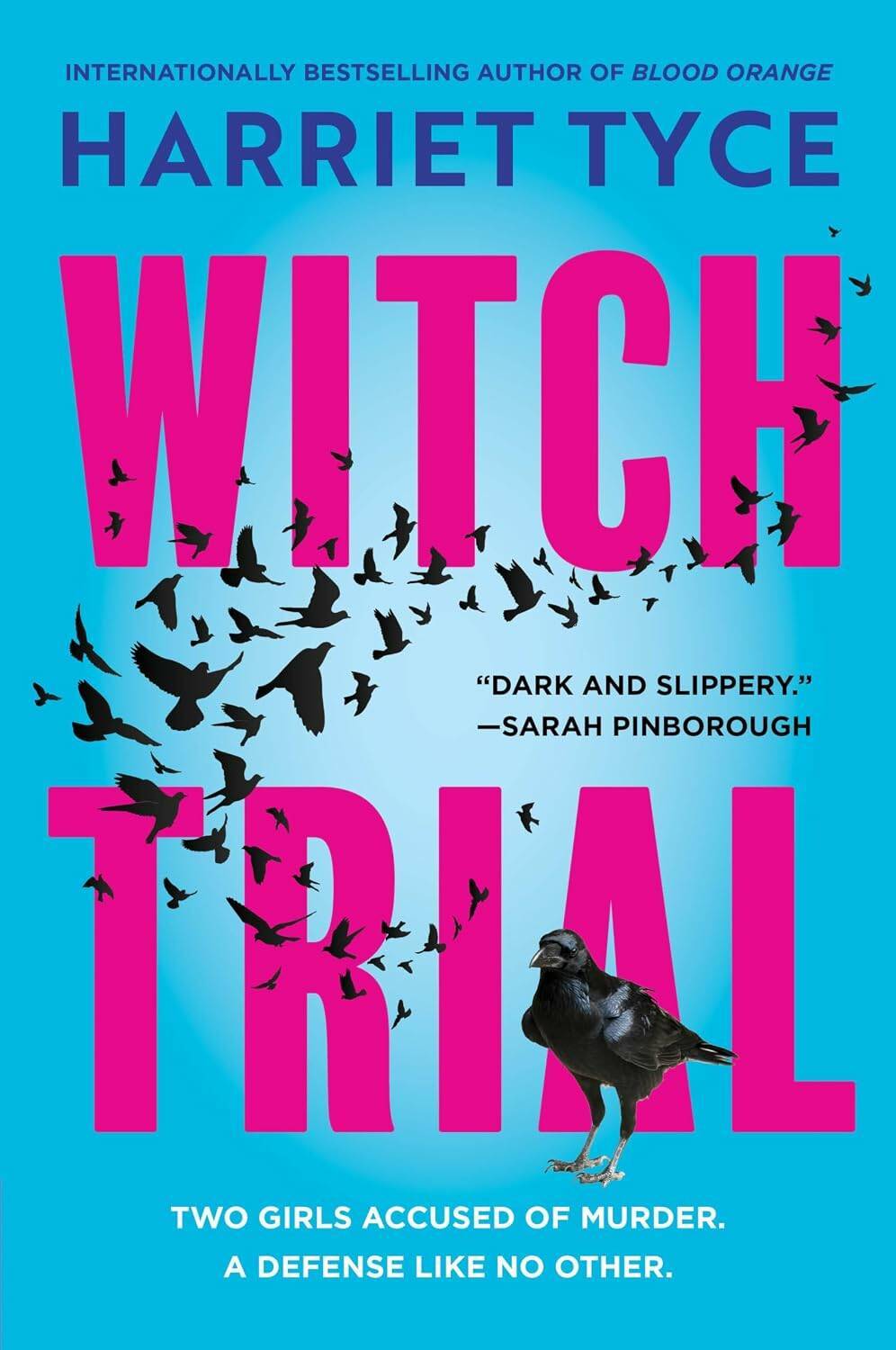
Witch Trial
The novel does provide a fascinating look at a trial from the perspective of jury members. The witchy plot device allows Tyce an extra layer with which to mess around with her readers’ expectations. Fans of her previous books will know her modus operandi of final twists, but be prepared that this ending is not quite her usual.
In fact, much of the hype around the publication of this novel zeros in on Tyce’s surprise — or, as described on the back cover by one blurb writer, “bold” — ending. Readers may certainly be surprised who actually gets sentenced as the guilty party in the conclusion of this deviously compelling novel.
Mary Horodyski is an archivist in Winnipeg. She has never been called for jury duty.