Northern reflections
Storied American travel writer explores Canada in reflective, wide-ranging account
Advertisement
Read this article for free:
or
Already have an account? Log in here »
To continue reading, please subscribe:
Digital Subscription
One year of digital access for only $1.44 a week*
- Enjoy unlimited reading on winnipegfreepress.com
- Read the E-Edition, our digital replica newspaper
- Access News Break, our award-winning app
- Play interactive puzzles
*Billed as $5.77 plus GST every four weeks. After 52 weeks, price increases to the regular rate of $19.95 plus GST every four weeks. Offer available to new and qualified returning subscribers only. Cancel any time.
To continue reading, please subscribe:
Add Free Press access to your Brandon Sun subscription for only an additional
$1 for the first 4 weeks*
- Enjoy unlimited reading on winnipegfreepress.com
- Read the E-Edition, our digital replica newspaper
- Access News Break, our award-winning app
- Play interactive puzzles
*Your next Brandon Sun subscription payment will increase by $1.00 and you will be charged $17.95 plus GST for four weeks. After four weeks, your payment will increase to $24.95 plus GST every four weeks.
Read unlimited articles for free today:
or
Already have an account? Log in here »
What an excellent peace offering for Canadian readers at this time of animosity toward our neighbours to the south.
A whole book about Canada, generous but attuned to our many contradictions, from the dean of American travel writers, Paul Theroux.
Where does one start?
The obvious place would be with a joke about how True North: On the Road in Canada will find more eager eyes here than in the U.S., despite their having nine times our population.
Then there is the irony of Theroux, Québécois on his father’s side, taking more than 60 years — he is now 85 — after having written about every corner of the globe, to get around to “the strangers next door.”
His 20th travel tome, True North is relaxed, conversational and digressive. It is unconcerned with chamber of commerce tub-thumping.
In his visits to cities from St. John’s, N.L. to Vancouver, from Moncton, N.B., to Kamloops, B.C., he steers wide of politicians and local potentates. He talks instead to hotel maids and waitresses, plumbers and truck drivers.
When someone tells him to avoid the bad part of town, that’s the first place he goes. And our bad parts are never as bad, he insists, as they are in the U.S.
He quotes the late American composer and writer Paul Bowles: “If I am faced with the decision of choosing between visiting a circus and a cathedral, a café and a public monument, or a fiesta and a museum… I shall normally take the circus, the café and the fiesta.”
Theroux made several drives into Canada from his home on Cape Cod, Mass. The first was to Montreal, which he recalls visiting with his family as a boy.
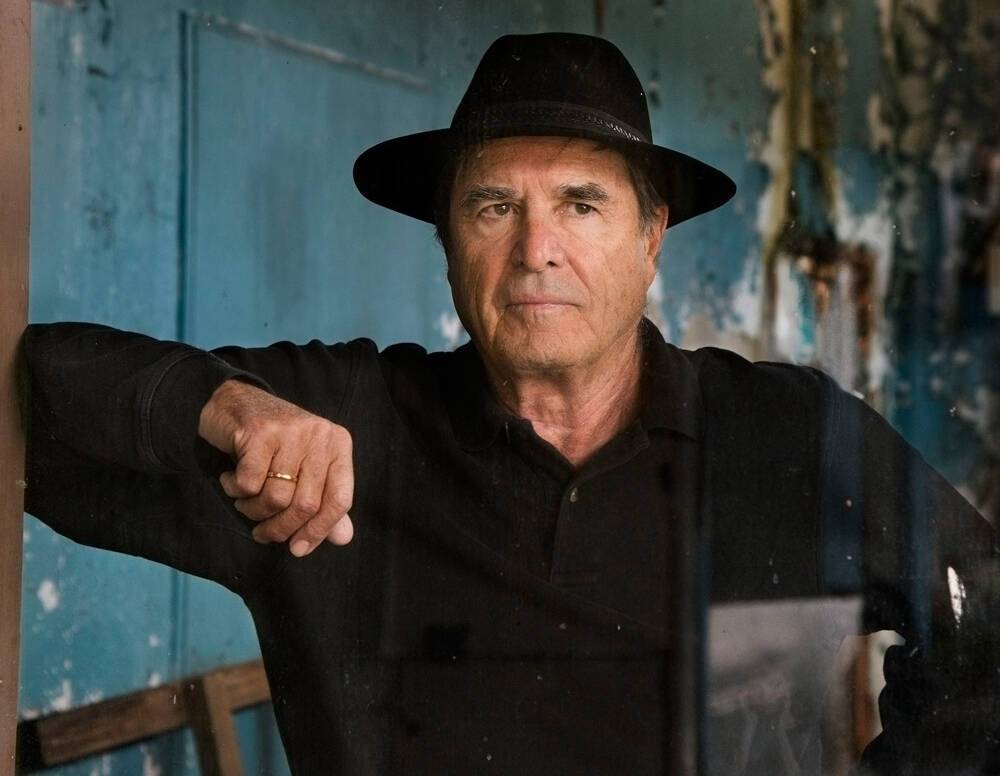
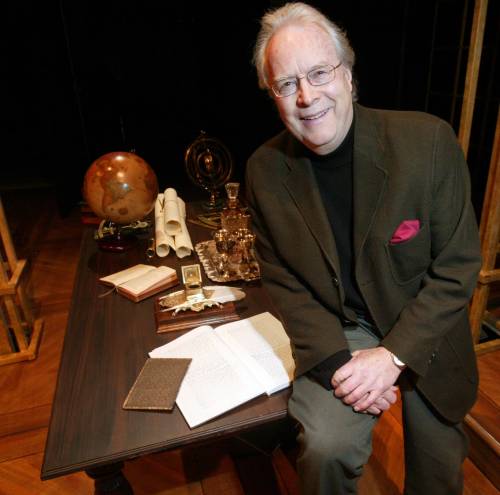
Steve McCurry / Associated Press files
Paul Theroux
He heads 90 kilometres northeast along the St. Lawrence Seaway to Yamaska, Que., a farming community that has been home to 10 generations of Therouxs.
He reconstructs in impressive detail the life and times of Antoine Theroux, who sailed from France with the navy at age 15 in 1692. Paul’s paternal grandfather left Yamaska for New England in the early 20th century.
He is both skeptical of rural Quebec’s closed nature and enchanted by its cohesiveness. “In all my travelling life,” he writes, “I have never been so warmly welcomed.”
In the winter of 2022 he drives to Ottawa, to see the truckers’ anti-COVID-lockdown protest for himself.
“It was anyone’s nightmare vision of the end of the world,” he writes, “the institutions of a civilized society besieged by filthy bearded fatties and their howling wenches.”
He drives east through the Maritimes, over the Confederation Bridge, and ferries it to Newfoundland.
For every mile he drives — yes, despite the Trans-Canada signage, he records his trip in miles, not kilometres — he uses writers as his guides. He is as well-read in our national literature as a CanLit prof, although his choices — Marie-Claire Blais, Farley Mowat, the Margarets Atwood and Laurence, among many other — do reflect his vintage.
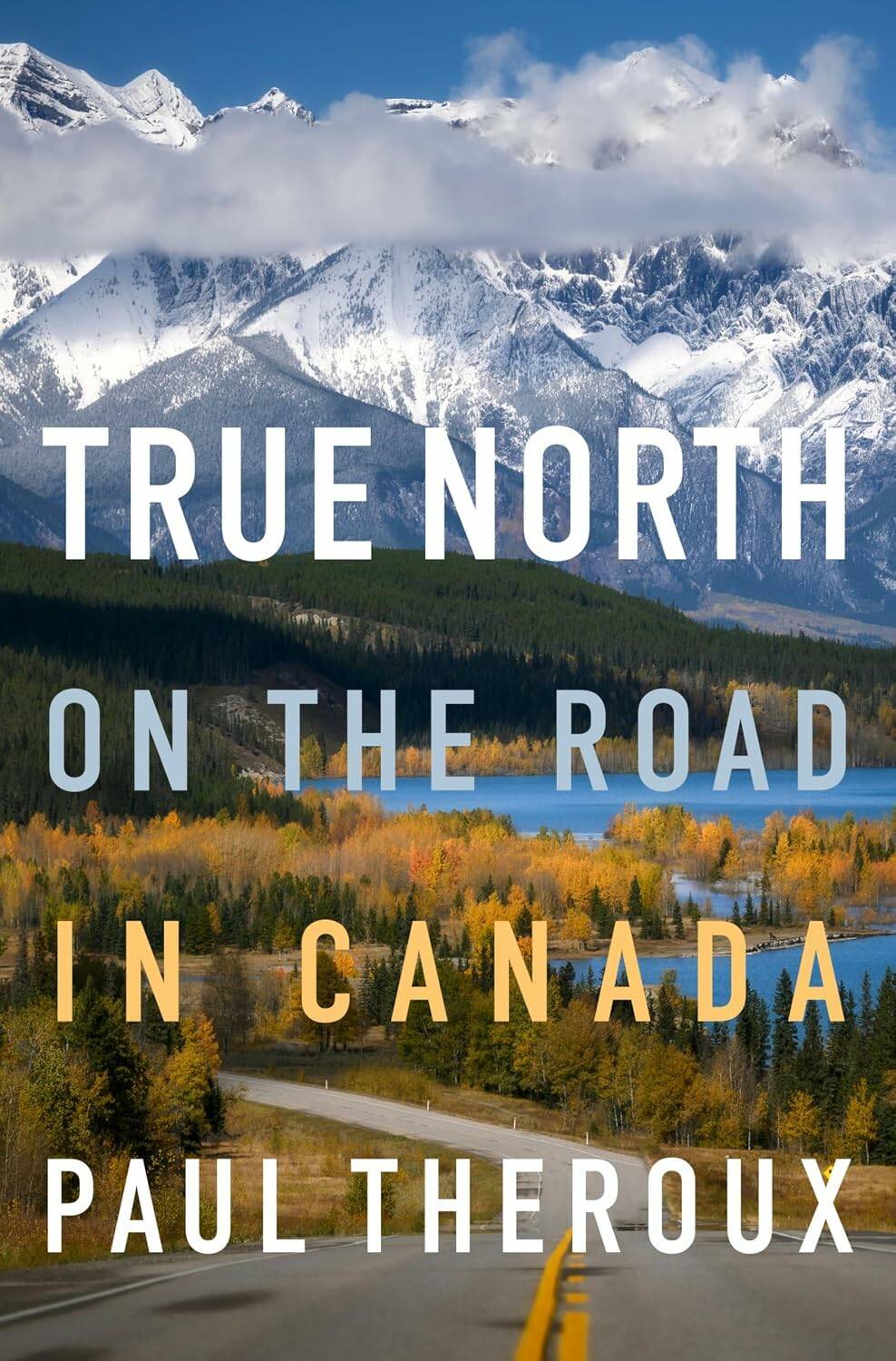
True North
In Toronto, he looks up the expatriate U.S. novelist John Irving, with whom he shares New England roots. He recalls the time he offended Atwood with a coarse quote from a novel over lunch years ago.
On many occasions he quotes the commentary of former media baron Conrad Black, needling him each time with an epithet such as “convicted felon,” “jailbird” or “thief.”
He makes the long drive west through Sault Ste. Marie and Thunder Bay, arriving in Winnipeg in the early spring of 2025. He attends a Jets-Oilers game at Canada Life Centre (which he misnames “Canada Life Arena,” and drives to the University of Manitoba, which he locates “a few miles south of the city.”
Winnipeg serves, unsurprisingly, as a base for him to ruminate on the sins Canada has committed against Indigenous people, something he does throughout his journey.
He talks to a Truth and Reconciliation Commission archivist, arguably making three errors in one sentence: “Two hundred and fifty-one corpses were found at a school in Kamloops, B.C., there were similar findings at other schools and disinterment continued.”
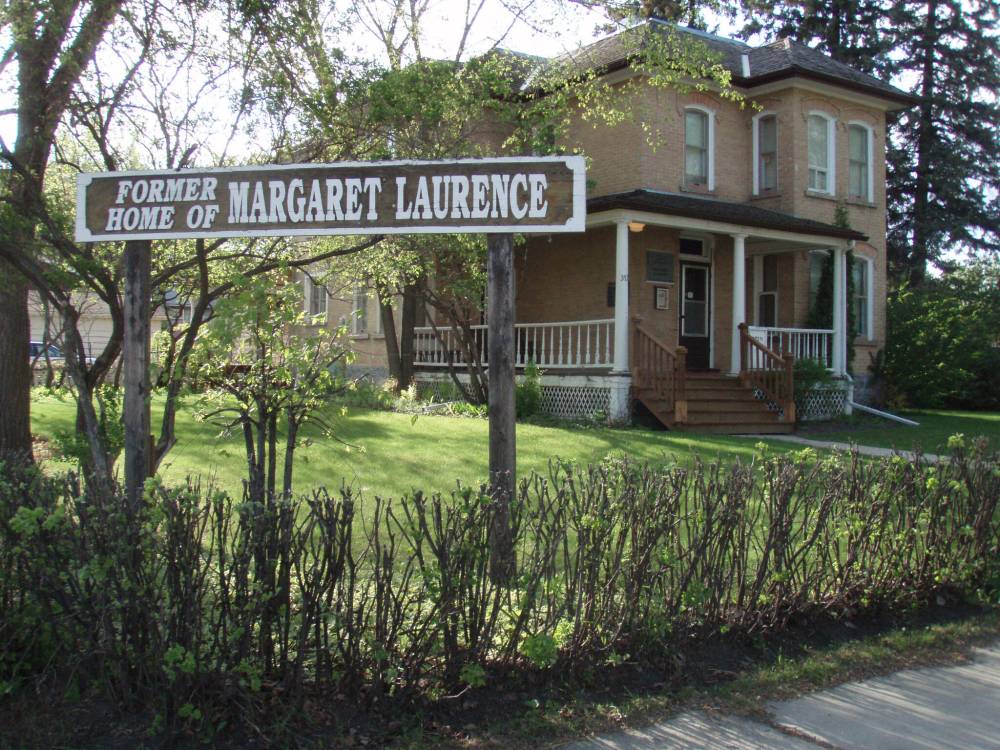
He also stops in Brandon and Neepawa. In the latter he visits Margaret Laurence’s childhood home.
He notes the similarities in their trajectories, both having lived in Africa and England before returning home. He notes the sad circumstances of Laurence’s death in 1987, before stating, incorrectly, “Her fame was posthumous.”
Free Press files
In Neepawa, Theroux visited the home of Margaret Laurence, one of many CanLit authors mentioned in his new book.
In Regina, which impresses him as “proud and well-managed,” he makes a funnier mistake, saying the city is home to “two professional teams of the Canadian Football League, the Regina Rams and the Saskatchewan Huskies.”
In Alberta, Edmonton (which reminds him of Winnipeg) confounds him with the disparity between its overall wealth and the poverty of its Indigenous section.
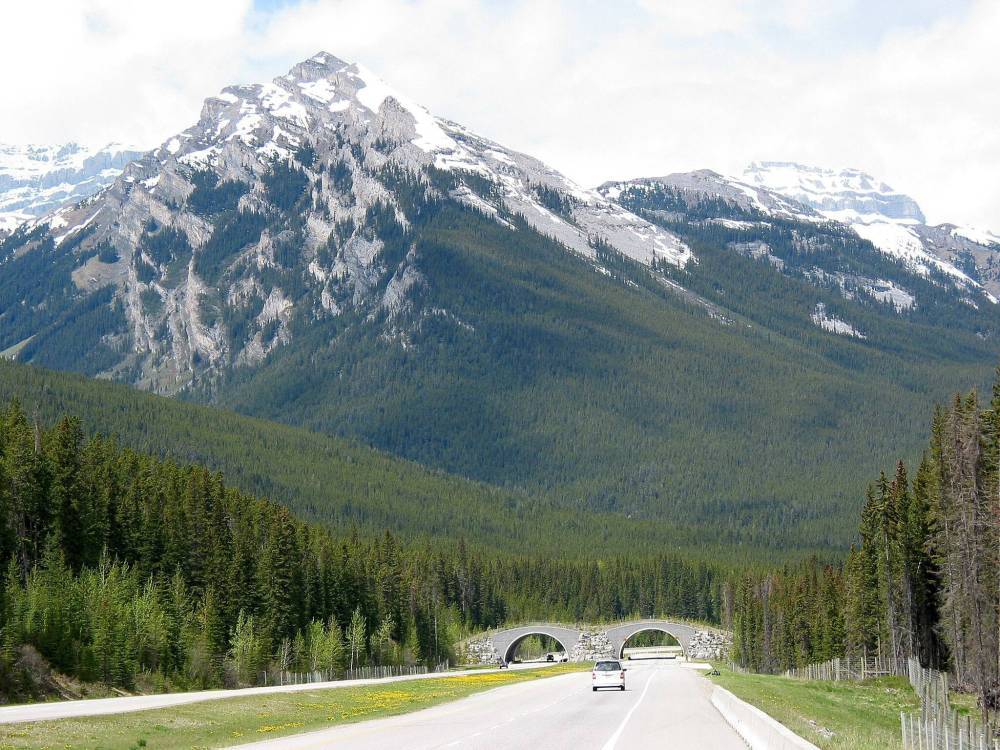
The grandeur on display on his drive through the Rocky Mountains sparks in him the closest thing to a “spiritual experience” he says he has had as a traveller.
His trip ends in Vancouver, where he spends much time investigating the “ethno-bubbles” of the city’s Filipino, Chinese and South Asian communities.
Everywhere he goes someone tells him how immigration has altered Canada in the last 30 or 40 years. He marvels at our open and inclusive nature, but wonders if multiculturalism has a downside.
“It was hard to imagine any immigrant in an ethno-bubble risking their life for Canada now.”
This is a reflective and wide-ranging book, highly personal and slyly funny. In describing the Canadian character, adjectives like “sanctimonious,” “scolding,” and self-righteous” pop up more than once.

It is also a big book, 50 per cent longer than a typical title these days.
Yet even with its occasional error, perhaps the inevitable result of its relaxed nature, True North is extremely rewarding.
As the adage goes, you never learn more about yourself than through the eyes of a stranger.
Morley Walker is a retired Free Press editor and writer.
History
Updated on Saturday, October 17, 2026 8:48 AM CDT: Fixes typo