Bonds of friendship persist through grim illness
Advertisement
Read this article for free:
or
Already have an account? Log in here »
To continue reading, please subscribe:
Digital Subscription
One year of digital access for only $1.44 a week*
- Enjoy unlimited reading on winnipegfreepress.com
- Read the E-Edition, our digital replica newspaper
- Access News Break, our award-winning app
- Play interactive puzzles
*Billed as $5.77 plus GST every four weeks. After 52 weeks, price increases to the regular rate of $19.95 plus GST every four weeks. Offer available to new and qualified returning subscribers only. Cancel any time.
To continue reading, please subscribe:
Add Free Press access to your Brandon Sun subscription for only an additional
$1 for the first 4 weeks*
- Enjoy unlimited reading on winnipegfreepress.com
- Read the E-Edition, our digital replica newspaper
- Access News Break, our award-winning app
- Play interactive puzzles
*Your next Brandon Sun subscription payment will increase by $1.00 and you will be charged $17.95 plus GST for four weeks. After four weeks, your payment will increase to $24.95 plus GST every four weeks.
Read unlimited articles for free today:
or
Already have an account? Log in here »
Hey there, time traveller!
This article was published 01/08/2020 (2276 days ago), so information in it may no longer be current.
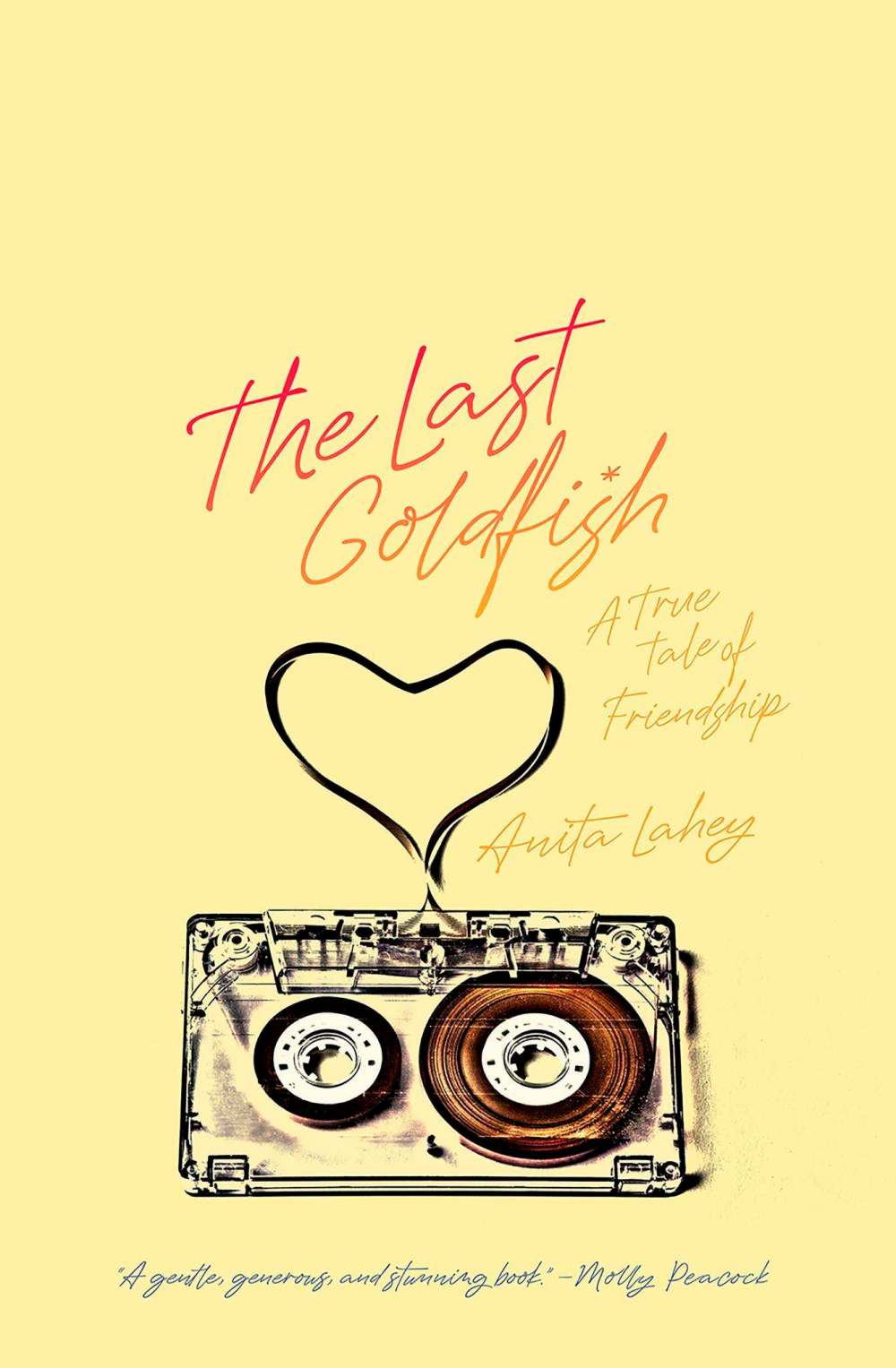
In these days of social distancing, a story of close friendship is a good contrast to what people have been experiencing. Anita Lahey’s The Last Goldfish: A True Tale of Friendship tells the story of the author’s meeting a girl from her school and their growing friendship through the trials of illness and separation.
Lahey is a magazine journalist, poet and editor currently living in Ottawa. Her books include The Mystery of the Shopping Cart: Essays on Poetry and Culture and she is the past editor of Arc Poetry Magazine. She grew up in Burlington, Ont., and has lived in Toronto, Montreal, Fredericton, N.B., and Victoria, B.C.
In the 1980s, Lahey attended school in Burlington, and one day met a student named Louisa. The two became good friends, sharing the difficulties and pleasures of school life and later university.
Running through the friendship was an underlying anxiety about Louisa’s health and the tumours that plagued her. The years brought a mixture of doctors’ appointments and planning for an uncertain future.
For the author, watching her closest friend’s life and illness was both a joy and a strain as the two navigated their way through romances, family relationships and more.
Louisa was a dynamic, intense girl with a cheerful disregard for the rules, a contrast to the more cautious Lahey. Despite the differences in their personalities, the two formed such a strong bond that they were able to remain friends even when they lived half a continent away.
As Louisa’s health continued to deteriorate, she came to terms with the prospect of death while Lahey, her closest friend, had to consider how to deal with losing someone who had been her companion for years, sometimes getting her into trouble but always supporting her.

Louisa died when the two friends were just 22 years old. “I’ve been learning ever since how to exist in her wake, compiling who I am all over again, without her by my side,” Lacey concludes.
The Last Goldfish combines humour and personal reflection with a story that can be difficult and even distressing at times. Medical details are not overly complicated, even as Lahey relates details of her friend’s diagnosis and the many surgeries and treatments she endured. Excerpts from Louisa’s diary and transcriptions of voice recordings that she made give readers an insight into what she was thinking as she dealt with her very difficult circumstances.
As an established writer, Lahey knows how to tell a very personal story without sentimentality, even at the saddest moments. As the two friends reflect on life and death, friendship and even doctors and the nature of medical diagnosis, the strength of their friendship comes through very clearly. The story has journalistic elements with its attention to detail, but also retains the sense of a deeply personal experience.
With personal reflections scattered throughout the text, as well as a sense of fun, despite the many discussions of death and dying, The Last Goldfish is a well-written story. Other than a few medical terms, the language is clear and approachable, and the story is arranged with a logical flow that makes the book a good choice for a variety of audiences. It’s well worth reading.
Susan Huebert is a Winnipeg writer, editor and pet sitter.