Canadian stories
Nick Mount's comprehensive look at CanLit a treasure
Advertisement
Read this article for free:
or
Already have an account? Log in here »
To continue reading, please subscribe:

Digital Subscription
One year of digital access for only $205*
- Enjoy unlimited reading on winnipegfreepress.com
- Read the E-Edition, our digital replica newspaper
- Access News Break, our award-winning app
- Play interactive puzzles
*First annual payment billed as $205.00 + GST for one year. This annual subscription will automatically renew at $233.00 + GST every 52 weeks (10% off the regular annual price of $259.35). Offer available to new and qualified returning subscribers only. Cancel any time.
To continue reading, please subscribe:
Add Free Press access to your Brandon Sun subscription for only an additional
$1 for the first 4 weeks*
- Enjoy unlimited reading on winnipegfreepress.com
- Read the E-Edition, our digital replica newspaper
- Access News Break, our award-winning app
- Play interactive puzzles
*Your next Brandon Sun subscription payment will increase by $1.00 and you will be charged $17.95 plus GST for four weeks. After four weeks, your payment will increase to $24.95 plus GST every four weeks.
Read unlimited articles for free today:
or
Already have an account? Log in here »
Hey there, time traveller!
This article was published 14/10/2017 (3284 days ago), so information in it may no longer be current.
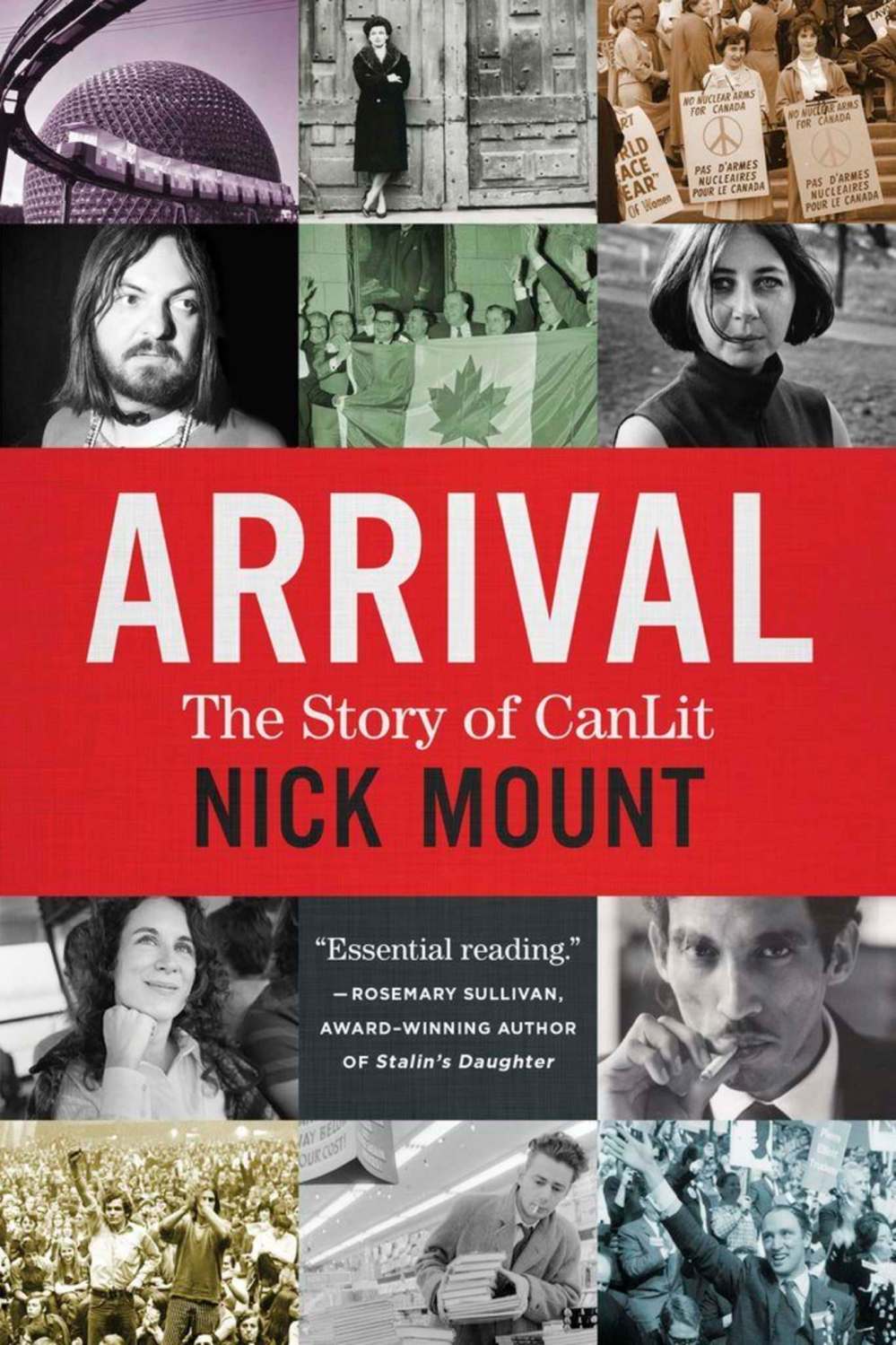
As the most important book to be written in more than 40 years about the rise of Canadian literature, Nick Mount’s Arrival: The Story of CanLit brims and crackles, in equal measure, with information and energy.
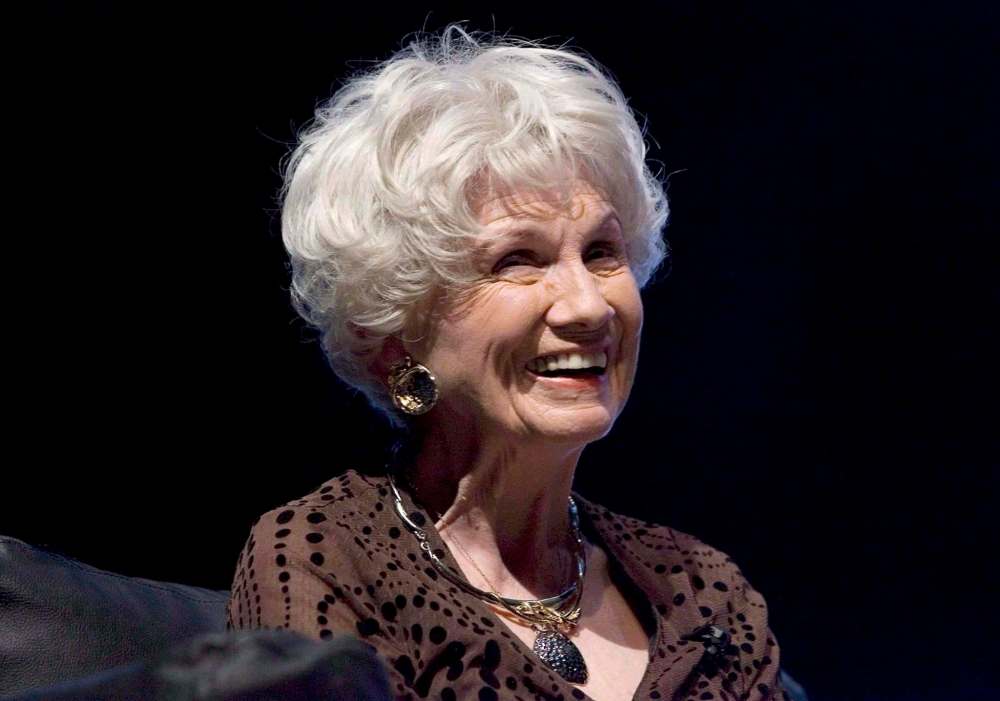
Not since Margaret Atwood’s 1972 book Survival: A Thematic Guide to Canadian Literature, a bestseller in its day, has anyone given us such a scintillating overview, at once pithily personal but also professorial, of the field. (The term “CanLit,” Mount reminds us, first gained its wider popularity from Earle Birney’s impassioned and sardonic 1945 poem of the same title.)
No book has ever placed the rise of CanLit within such a helpfully broad context. Although the discussion centres on the 1960s, Mount reaches back to the postwar period and into the ’70s and beyond to outline the geopolitical, social, and economic forces that have driven the rise of Canadian culture — including, centrally, its literature.
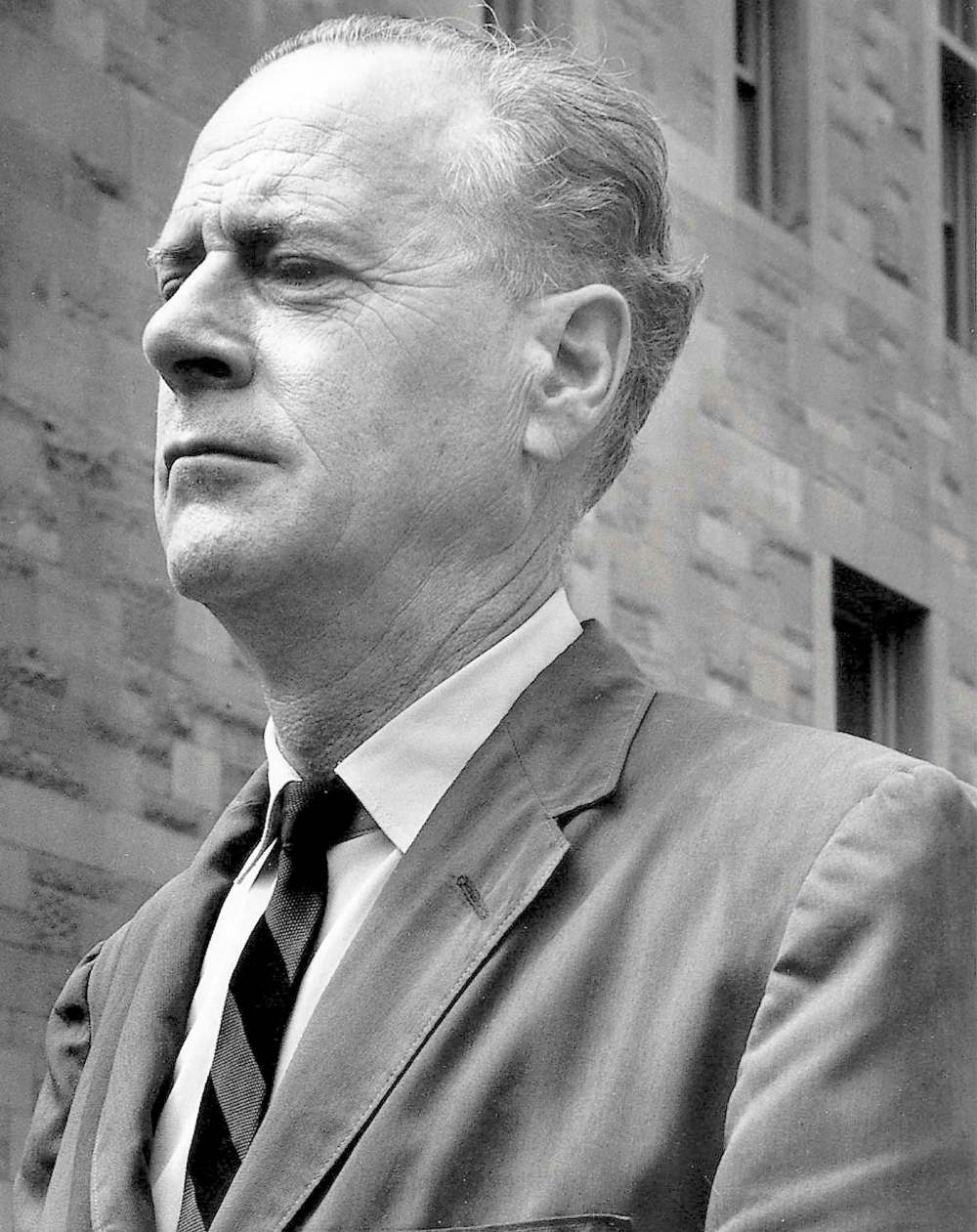
That broader context includes pungent discussions and mini-biographies of giants such as John Kenneth Galbraith, Marshall McLuhan and Northrop Frye; of publishers such as Jack McClelland; of champions of Canadian literature such as Robert Weaver or Robert Fulford; of immensely popular writers and TV personalities such as Pierre Berton; of the rise of the countless small literary journals from East to West, and their publishers and editors, that fuelled the incredible proliferation of Canadian poets and fiction writers — and their readers — in the ’60s and into the ’70s.
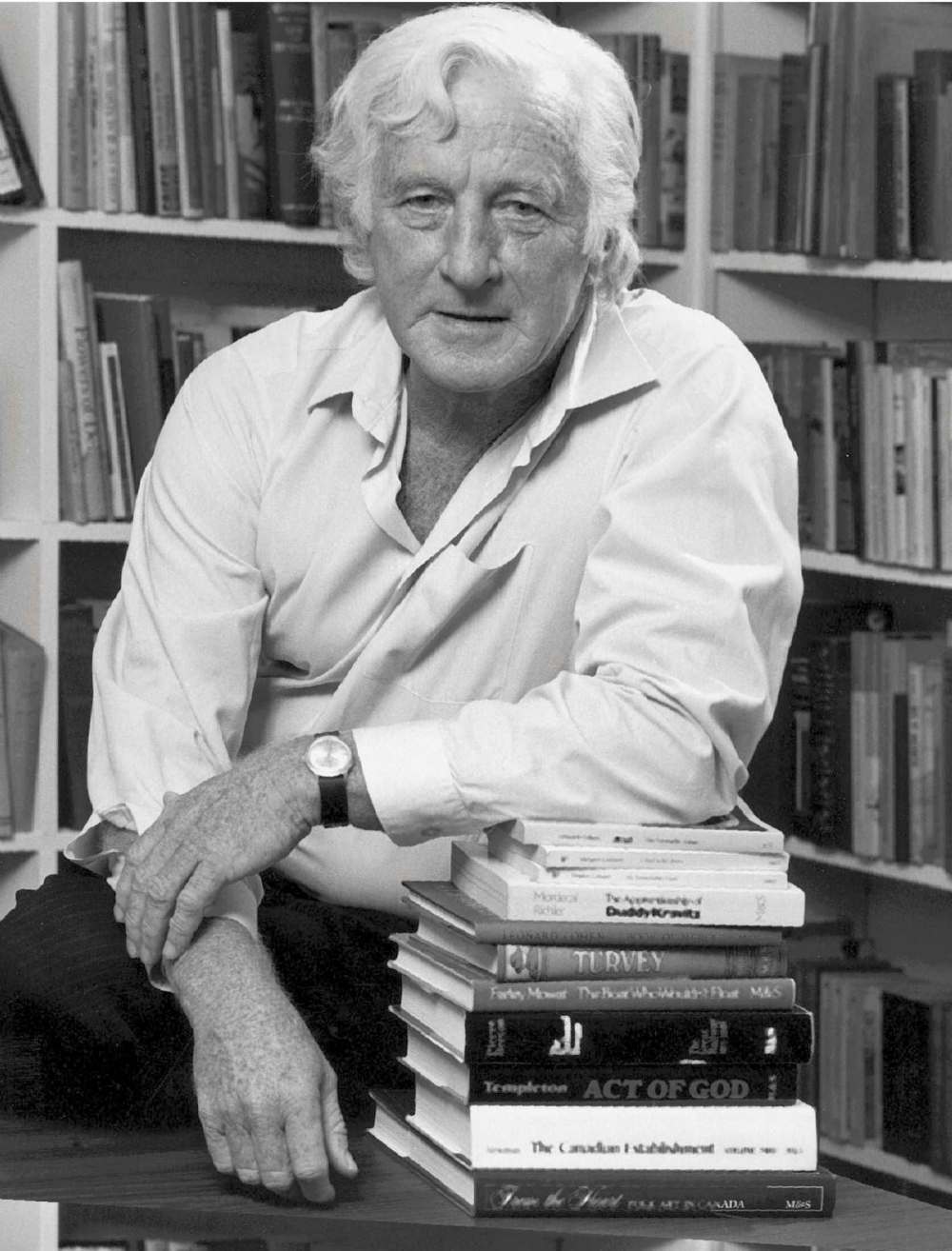
And to his credit, Mount spends a good deal of time considering the reasons for the exploding readership for Canadian literature, and its concomitant rise.
One of the most attractive and engaging features of Arrival is its mini-portraits of important books that are inset on almost every page, and the accompanying pungent discussion directly beneath. Here, as elsewhere, readers will find Mount opinionated in the best sense of the word. He is fearless in his assessments, for better or worse: he does not like Dave Godfrey’s writing, he reminds us too often, and he venerates Alice Munro and Mavis Gallant, as he reminds us too often as well — but both for the wrong books.
No other discussion of the rise of Canadian literature has taken such a wide but personal measure of its personalities, their quirks and their works; the closest predecessor is what seemed comprehensive in its day, Frank Davey’s 1974 book From There to Here: A Guide to English-Canadian Literature Since 1960.
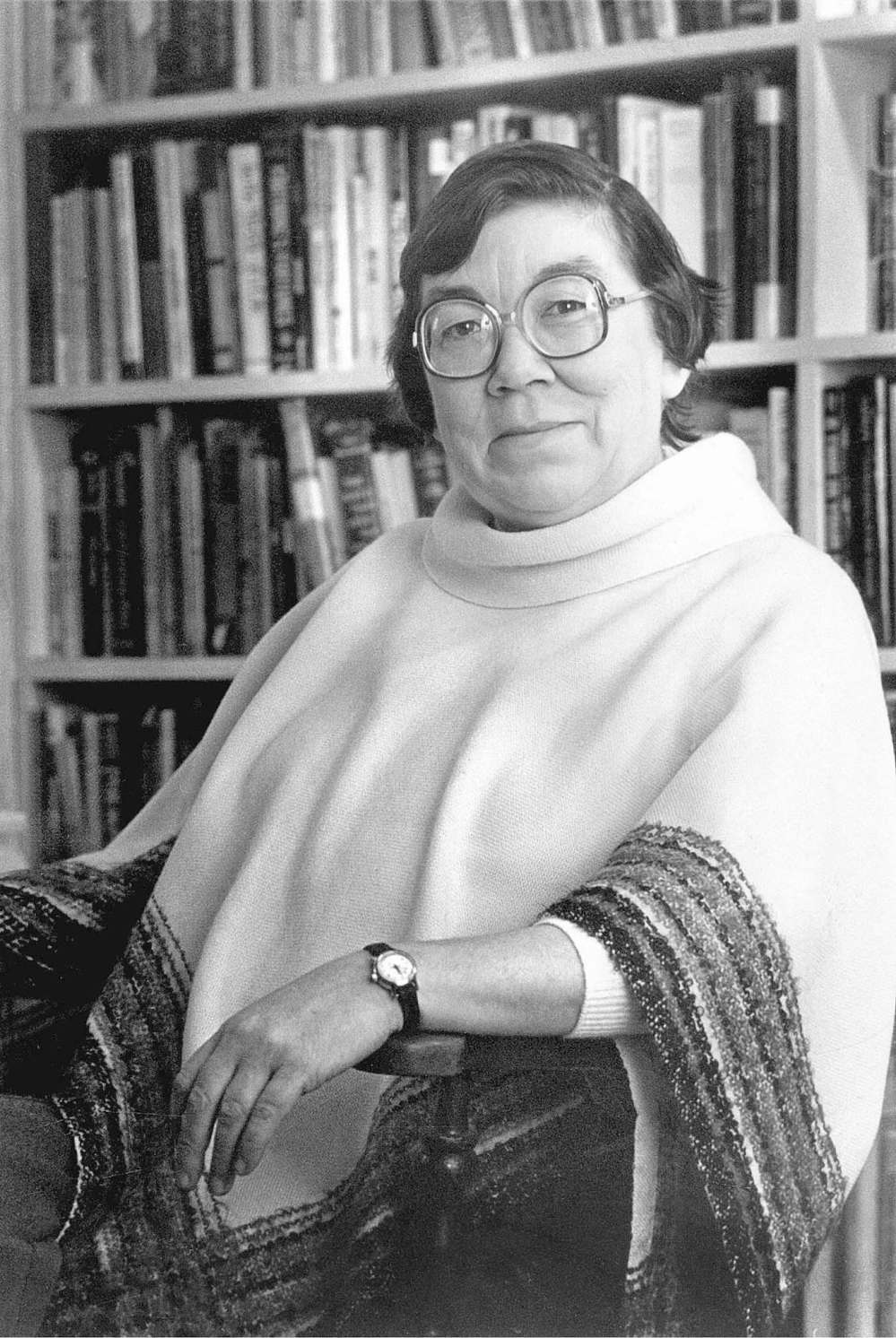
The mini-portraits accentuate Arrival’s most attractive feature — Mount’s tone. An award-winning teacher at the University of Toronto, Mount succeeds admirably in bringing his own voice to the page: alternately brisk and breezy, always articulate, often funny, always informed. In many respects, there is no other treatment of Canadian literature like it.
Because of these and other virtues — Arrival is prodigiously researched, carefully documented and footnoted (the informative endnotes and index run more than 75 pages), and wonderfully readable throughout — flaws are more irritating than they would be in a standard academic tome.
First, Arrival is unnecessarily and sloppily repetitive. Mount is more than generous and scrupulous in his acknowledgment of his editors and the other substantial help from a bevy of hands. Why wouldn’t someone have read through the manuscript from beginning to end and helped him to excise the repetitions, the second, third, fourth invocations of writers that don’t tell us anything substantially new? A very good book would have been that much better.
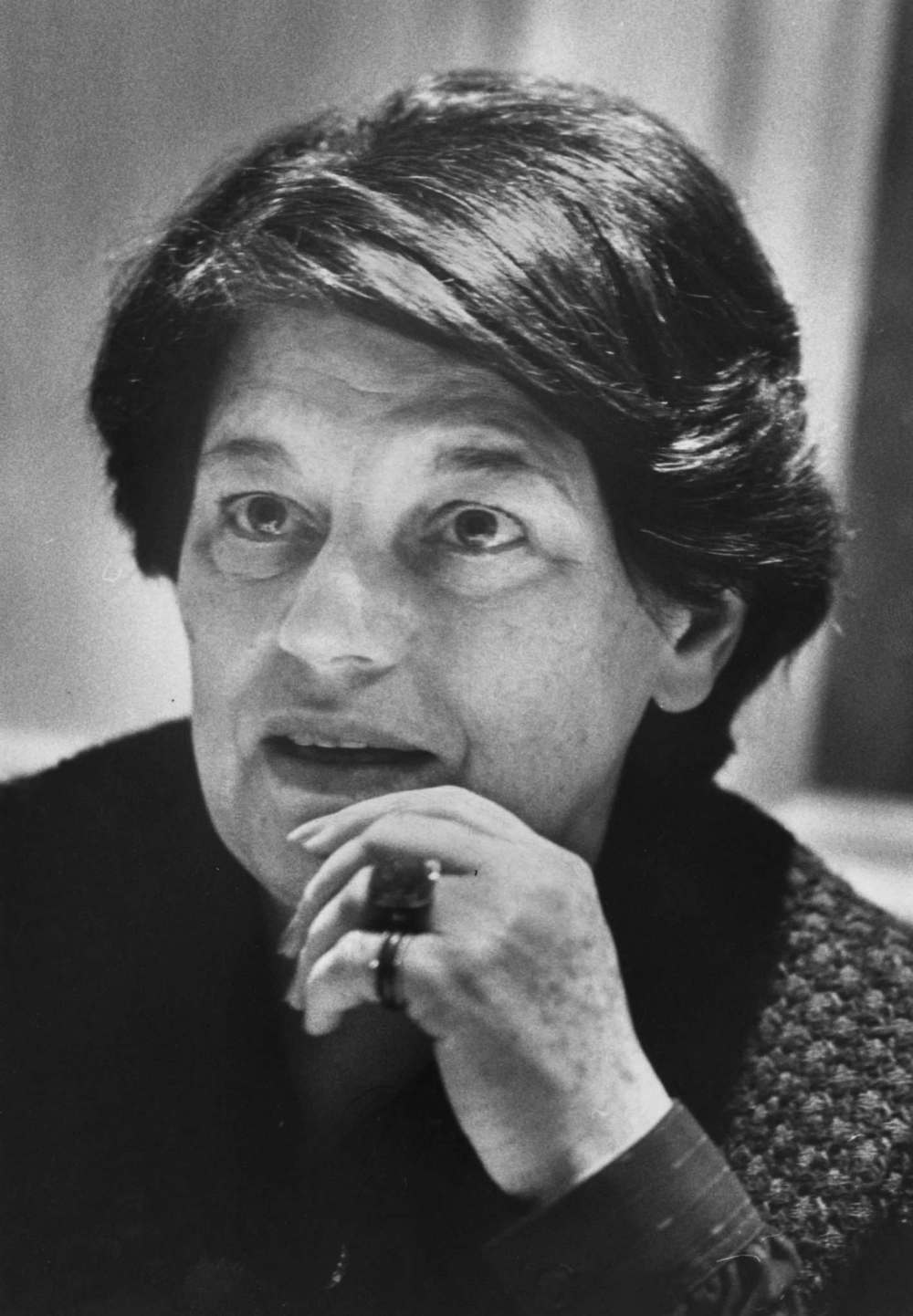
Second, a few of Mount’s judgments are simply hasty and ill-considered. One re-reading of the manuscript, or perhaps one conversation, might have persuaded Mount to back away from the silly claim that Munro’s Lives of Girls and Women is “one of the best novels anywhere, in any time.” It’s true that it’s a fine book, but it’s not at all clear that it’s a novel, and Munro has written far better stories and novellas since 1971, as her world of readers would attest.
And to advise that Gallant’s 1964 collection of stories My Heart Is Broken is a good candidate for her best book is at best ill-informed; most Gallant readers and critics would agree that 1978’s From the Fifteenth District is her finest. (Gallant herself always said 1973’s The Pegnitz Junction was her own favourite, but as Mount knows, the writer doesn’t get the last word — readers do.)
Third, in a book as admirably comprehensive in its account of the rise of CanLit, why not a word about at least one Indigenous writer in each period under discussion? A good candidate: B.C.-based Tseshaht author George Clutesi’s Son of Raven, Son of Deer, which appeared in 1967 and was taught to thousands of first-year students in introductory literature courses at UBC.
Given current controversies about authentic and inauthentic Indigenous writers and writers, wouldn’t at least a mention of genuine precursors like Clutesi have helped?
While we’re at it: in a book that treats Margaret Laurence, properly and thoroughly, as a vital member of the tribe, why no mention of her 1987 suicide (Hubert Aquin’s is discussed), and why no mention of what she often acknowledged as her large debt to Sinclair Ross as a progenitor of Prairie fiction? Why only scant mention of United College’s Malcolm Ross as having mentored Laurence, and no mention at all of Ross’s role in McClelland’s creation of the New Canadian Library?
Lastly: Mount is correct to remind us of a striking feature, still unexplained, of CanLit: the widely disproportionate number of fine women writers in the culture. Everyone knows this to be a fact and a cause for celebration. Yet it remains unexplained.
Forget these cavils, because that’s what they are. As Mount knows, and as many inside and outside of academia know as well, the unprecedented rise of Canadian literature in the 1960s is now an integral part of our history.
Arrival could not have been written until Canadian literature began to appear in the culture’s rearview mirror, and until many other cultural forces — the Indigenous revival, the current post-national reality at enduring odds with our enduring colonial heritage — had moved towards the centre of cultural consciousness.
Only Nick Mount could have given us such a detailed and rich and generous book. Like Survival, Arrival will become required reading — even outside of the classroom.
Neil Besner taught Canadian literature at the University of Winnipeg for 30 years.