Chinese romance seen from the inside
Advertisement
Read this article for free:
or
Already have an account? Log in here »
To continue reading, please subscribe:

Digital Subscription
One year of digital access for only $205*
- Enjoy unlimited reading on winnipegfreepress.com
- Read the E-Edition, our digital replica newspaper
- Access News Break, our award-winning app
- Play interactive puzzles
*First annual payment billed as $205.00 + GST for one year. This annual subscription will automatically renew at $233.00 + GST every 52 weeks (10% off the regular annual price of $259.35). Offer available to new and qualified returning subscribers only. Cancel any time.
To continue reading, please subscribe:
Add Free Press access to your Brandon Sun subscription for only an additional
$1 for the first 4 weeks*
- Enjoy unlimited reading on winnipegfreepress.com
- Read the E-Edition, our digital replica newspaper
- Access News Break, our award-winning app
- Play interactive puzzles
*Your next Brandon Sun subscription payment will increase by $1.00 and you will be charged $17.95 plus GST for four weeks. After four weeks, your payment will increase to $24.95 plus GST every four weeks.
Read unlimited articles for free today:
or
Already have an account? Log in here »
Hey there, time traveller!
This article was published 02/07/2022 (1538 days ago), so information in it may no longer be current.
Romantic relationships in today’s China are negotiated with an eye to what’s practical, according to Toronto writer Dan K. Woo. Instead of dreaming about Prince Charming, a young woman might be more concerned about finding a husband who can offer her an escape from her family’s home, and a young man could be searching for a hard-working wife rather than a classic beauty.
In his debut short-story collection, Taobao, Woo provides an insightful look into dating and marriage from the personal viewpoint of a young person who’s lived in modern China and Hong Kong.
Woo’s family moved from Hong Kong to Canada in the 1970s. After graduating with a B.A. in history from the University of Toronto, he worked in China and Hong Kong for a decade. Taobao is a follow-up to his novel, Learning How to Love China.
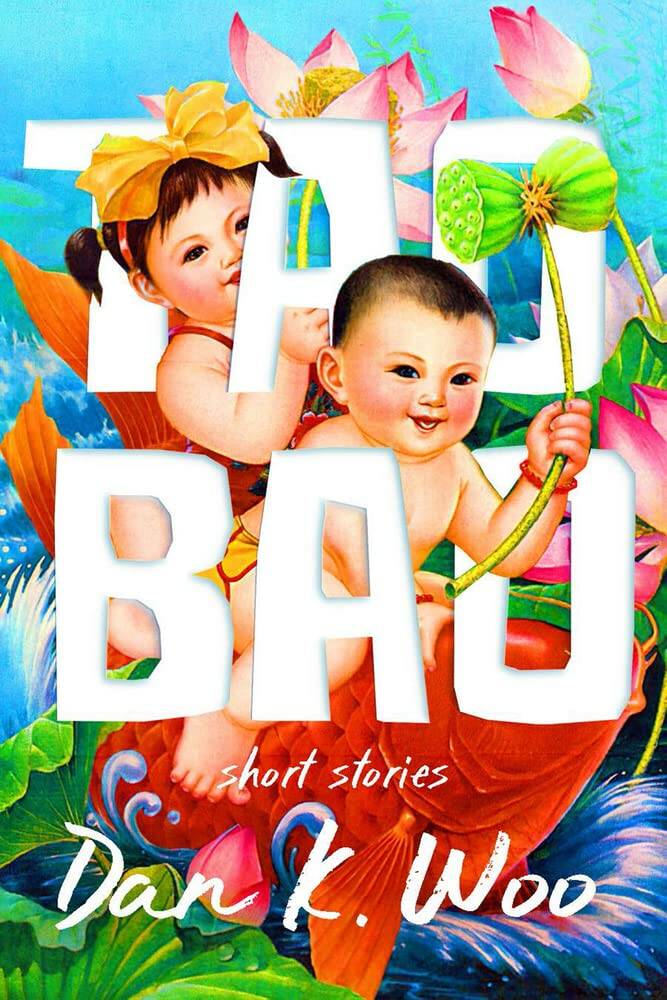
In selecting Taobao as the title for his novel, Woo is referencing one of China’s two giant online shopping companies. He also uses the name, which translates as “treasure trove,” throughout his stories as his characters buy and use consumer items they’ve purchased from the company.
His book is divided into three parts: Chastity, Courtship and Conquest. He features characters from different regions within China to highlight specific cultural differences that country people display, even though they now live in a huge city like Beijing.
In The Marriage Market, a young woman yearns to stay in Shanghai but can’t afford the high cost of city living. She returns to her family home and her mother nags her to dress properly so she can attract a husband. Her mother persuades her to visit a friend’s son in hopes of kindling a relationship, but the daughter finds him repulsive and fears that she will never find someone to love. “She knew her mother loved and cared for her, and only wanted the best outcome,” Woo writes. “If only she could put a name to this affliction, this emptiness in her heart, she would feel better.” Finally she accompanies her mother to a local park where other parents are trying to find matches for their sons and daughters. When she sees an attractive woman taking part in a matchmaking activity, she agrees to join in.
Woo’s stories reflect the result of the Chinese government’s former “one child per family” policy, which has led to more men than women. In The Physics Problem, the narrator says that there’s a rumour that Shanghai was the only city in the entire country where parents were happier to have a daughter than a son, since they could make money from a daughter’s marriage: “Bride prices had risen because of the gender imbalance, especially in a wealthy, crowded city like Shanghai.”
The narrator meets a beautiful young woman who claims she’s unable to have sex with a man even though she’s had six boyfriends. Taking up the challenge, he tries to overcome her fear, but encounters a bizarre physical reaction that sends the couple to a hospital where they seek a medical explanation.

Many of Woo’s characters make decisions about relationships based on what they know will work best in a practical sense rather than following their true desires. This pattern is evident in The Brothers, the final story in his collection.
Jade comes from a very poor family, but her physical beauty attracts a pair of brothers. They both want to marry, but neither can afford to keep a wife. The older brother comes up with the idea of sharing a wife with his brother and approaches Jade. She realizes her only escape from her family’s poverty is to marry, and her parents need her dowry to send her younger brother to school.
She agrees to marry the older brother, and her marriage to the younger is held in a secret ceremony. The trio eventually come up with a way to get along and have a harmonious, though unconventional, household.
Woo details the shabbiness of urban slums, where derelict buildings and underground tunnels are used to house the city’s poorest residents. While the riches of an online merchant like Taobao beckon to everyone, for many, everyday life is a struggle filled with compromises.
Andrea Geary is a freelance writer.