Following the money
Browder’s latest aims to expose Russian money launderers, prove his innocence
Advertisement
Read this article for free:
or
Already have an account? Log in here »
To continue reading, please subscribe:

Digital Subscription
One year of digital access for only $205*
- Enjoy unlimited reading on winnipegfreepress.com
- Read the E-Edition, our digital replica newspaper
- Access News Break, our award-winning app
- Play interactive puzzles
*First annual payment billed as $205.00 + GST for one year. This annual subscription will automatically renew at $233.00 + GST every 52 weeks (10% off the regular annual price of $259.35). Offer available to new and qualified returning subscribers only. Cancel any time.
To continue reading, please subscribe:
Add Free Press access to your Brandon Sun subscription for only an additional
$1 for the first 4 weeks*
- Enjoy unlimited reading on winnipegfreepress.com
- Read the E-Edition, our digital replica newspaper
- Access News Break, our award-winning app
- Play interactive puzzles
*Your next Brandon Sun subscription payment will increase by $1.00 and you will be charged $17.95 plus GST for four weeks. After four weeks, your payment will increase to $24.95 plus GST every four weeks.
Read unlimited articles for free today:
or
Already have an account? Log in here »
Hey there, time traveller!
This article was published 04/06/2022 (1570 days ago), so information in it may no longer be current.
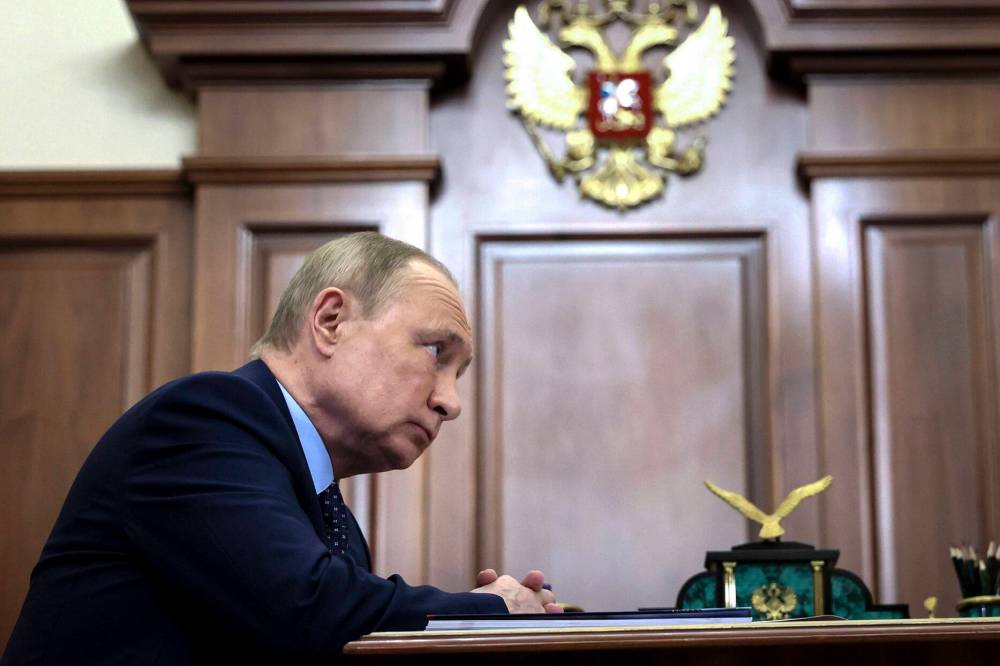
The death and destruction visited upon Ukraine by Russia’s recent invasion confirms the old adage that poking the Russian bear comes with great risk to individuals and sovereign states alike.
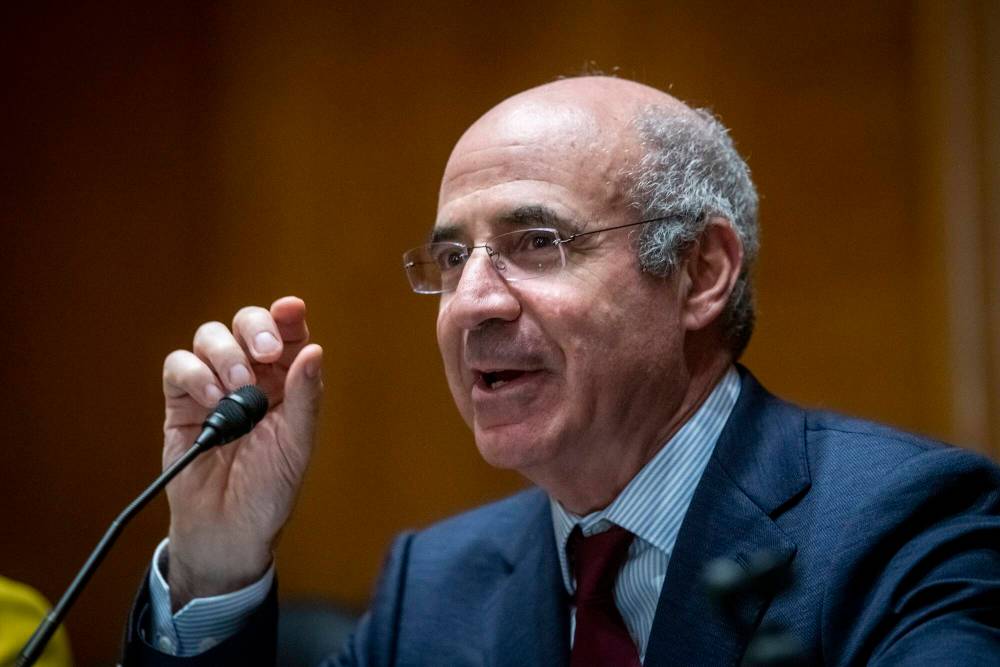
American-born Bill Browder can attest to this.
A self-made billionaire and former investment adviser to the largest portfolio investment fund in Russia, he now resides in London, one of many similarly wealthy venture capitalists and former oligarchs who enriched themselves during the 1990s maniacal race to embrace capitalism amid the disintegration of the U.S.S.R. and collapse of communism.
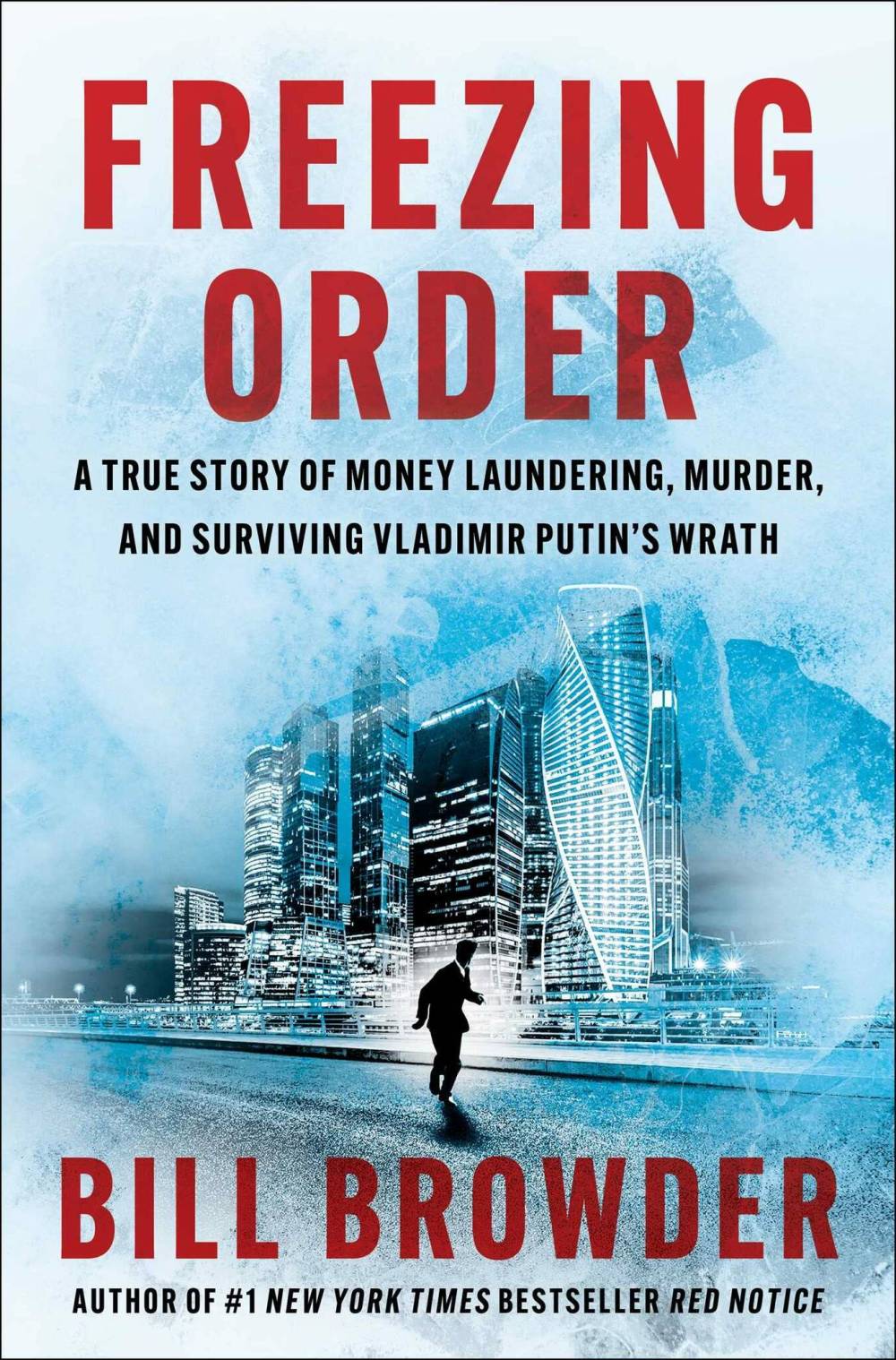
In this sequel to his 2015 book Red Notice, Browder provides additional insight into the Kremlin’s accusation that he was the architect of a $231 million tax scheme which ultimately resulted in the detention and subsequent murder of lawyer and close friend Sergei Magnitsky in 2009.
Clearing his name and making sure the murder of Magnitsky would not go unpunished are key parts of this more complete story of Russian President Vladimir Putin’s ongoing attempts to bring Browder back to Russia.
Aptly titled Freezing Order, Browder’s latest chronicles his long and legally challenging task of “following the money” to finally prove his innocence, and in the end having financial institutions impose freezing orders on the accounts of those who participated in the tax fraud.
A shadowy cadre of corrupt Russian officials who serve as powerful political influencers within Putin’s orbit are exposed as participants in a complicated web of shell companies created to hide laundered money.
They succeeded in having Browder, along with the deceased Magnitsky, tried and found guilty in absentia by a Russian court, but an audit of one bank in Estonia confirmed it had laundered not only the bulk of the missing money, but had likely facilitated the flow of more than $234 billion in more dirty money.
Opining on the amount that flowed through only one branch, of one bank, in one country, then the amount of dirty money that has moved out of Russia since Putin took power “would be $1 trillion, and possibly much more,” writes Browder.
Putin’s involvement in promoting lies surrounding the tax scheme Browder and his lawyer had been accused of becomes obvious as the arduous money trail is travelled, a journey that absolves him and Magnitsky of the scheme.
A singular piece of legislation Browder has zealously promoted, called the Magnitsky Act, honours his murdered friend, and its impact on holding Russians accountable can’t be overstated.
Versions of the act exist throughout western democracies including Canada, which sanctions those implicated in Magnitsky’s murder, imposing freezes on assets held by human rights violators in Russia and symbolizing a very personal payback for Browder.
The significance of his role in instituting sanctions against Russia is underscored by the many attempts the Kremlin has made to have them removed, or to use the Magnitsky Act and even Browder himself as bargaining chips.
Being kidnapped or harmed has been a constant threat, given the Kremlin’s propensity towards poison or “accidents” as a means of eliminating bothersome critics.

During the politically tumultuous years of the Trump presidency, when Washington insiders said “there was a crazy uncle in the White House,” Browder’s name arose during the course of several meetings between Trump’s advocates and Russian lawyers.
An intriguing chain of events even leads to Trump’s brief consideration of Putin’s proposal to have Browder exchanged for 12 military officers indicted by the Mueller investigation into Russian interference during the 2016 election.
Featuring a captivatingly smooth and colloquially cool writing style, Freezing Order can be mistaken for a bestselling modern-day novel, and readers risk mistaking the webs of graft, corruption, murder and sexual favours for the same interwoven threads commonly used to stitch together a fictional distraction.
Adding to such unintended misinterpretations is Browder’s penchant for describing his own lavish lifestyle, sullying an otherwise engaging and truly courageous story.

Joseph Hnatiuk, whose parents emigrated from regions now comprising Ukraine, has always feared bears.