

Forces of nature
Barnes’ exploration of our planet’s animals a wildly brilliant reference
Advertisement
Read this article for free:
or
Already have an account? Log in here »
To continue reading, please subscribe:
Monthly Digital Subscription
$1 per week for 24 weeks*
- Enjoy unlimited reading on winnipegfreepress.com
- Read the E-Edition, our digital replica newspaper
- Access News Break, our award-winning app
- Play interactive puzzles
*Billed as $4.00 plus GST every four weeks. After 24 weeks, price increases to the regular rate of $19.95 plus GST every four weeks. Offer available to new and qualified returning subscribers only. Cancel any time.
Monthly Digital Subscription
$4.99/week*
- Enjoy unlimited reading on winnipegfreepress.com
- Read the E-Edition, our digital replica newspaper
- Access News Break, our award-winning app
- Play interactive puzzles
*Billed as $19.95 plus GST every four weeks. Cancel any time.
To continue reading, please subscribe:
Add Free Press access to your Brandon Sun subscription for only an additional
$1 for the first 4 weeks*
*Your next subscription payment will increase by $1.00 and you will be charged $16.99 plus GST for four weeks. After four weeks, your payment will increase to $23.99 plus GST every four weeks.
Read unlimited articles for free today:
or
Already have an account? Log in here »
Hey there, time traveller!
This article was published 25/06/2022 (1380 days ago), so information in it may no longer be current.
‘What a piece of work is a man… the beauty of the world! the paragon of animals…” Hamlet says, mixing irony with (perhaps) madness. Taken at face value, his assessment is easy to disagree with, as a quick glance around the globe will quickly prove.
Simon Barnes quotes Hamlet’s statement late in his impressive and engaging new book whose vignettes set out to prove that in spite of human deficits in reason and care for the earth, we are capable of getting something done caring for other species.
Making the point that “we humans are as much members of the animal kingdom as” 10 million or so other species, Barnes states that human “lives, our history and our thoughts are inextricably entwined with our fellow animals.”
A History of the World in 100 Animals sets out to explain and analyze that symbiosis in short essays about creatures great and small, dangerous and cute (often at the same time), living and extinct.
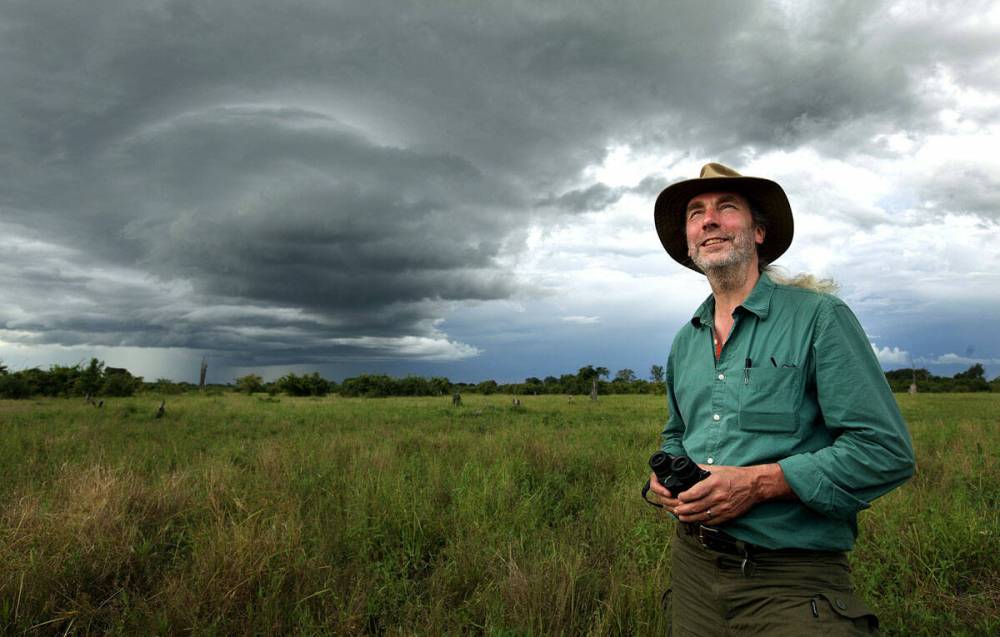
Barnes is an English sportswriter and naturalist who has also written a “wildlife opinion column” for the Times of London. He has written over 20 books and novels, such as The Meaning of Birds, How to Wild Yourself and How to Be a Bad Birdwatcher.
Barnes manages to rival perhaps the greatest naturalist writer, Gerald Durrell, and the polymathic Bill Bryson’s breadth of knowledge and examples.
Epigraphs from literature, film, history, religion, and popular culture introduce each chapter, on species familiar (lion, cat, horse) and exotic (thylacine, saola, vaquita). From the whale and elephant to the head louse and Oriental rat flea in size, and from the beauty of nightingales and butterflies to the horrors of cockroaches, tsetse flies and loa loa worms, Barnes presents both positive and negative aspects, sympathetic to each species.
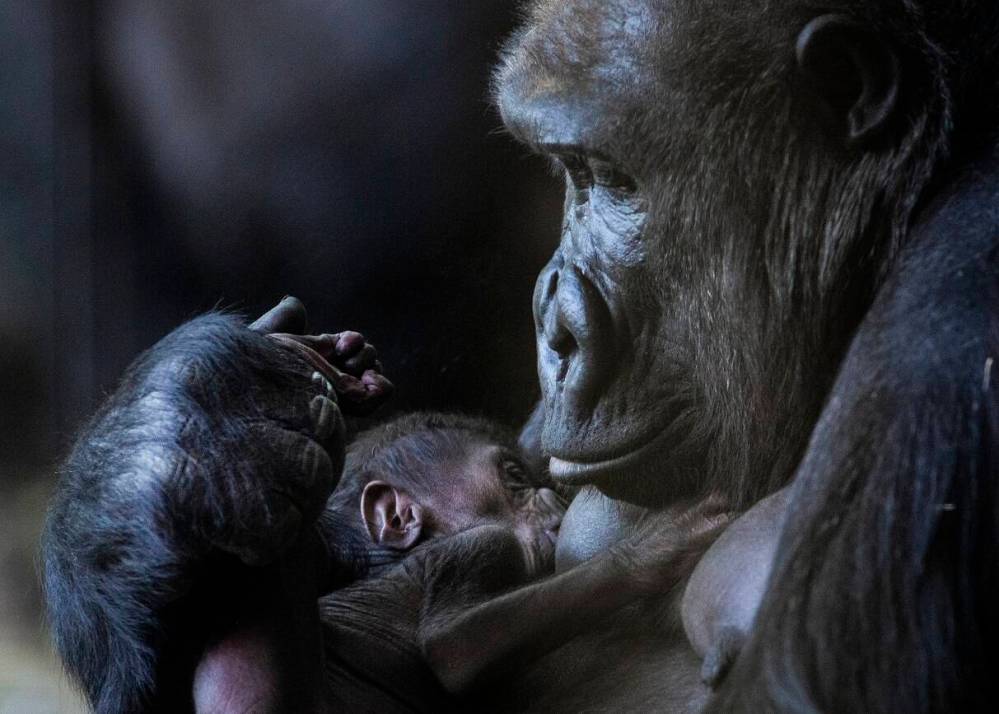
While he doesn’t give human attitudes pride of place, Barnes is not preaching or scolding. Rather, he merely presents the evidence as he places each species into human perspective. Misconceptions (like the violence of gorillas, the repulsiveness of snakes and piranhas) and human fickleness (as in our ambivalent attitudes toward bears, pigs, monkeys and rabbits) are treated dispassionately.
Chapters average four or five pages each, not arranged in any particular order. The book is lavishly illustrated. Barnes’ musings are liable to go anywhere, often making points that the reader might not expect.

Evidence of human depredations builds over the course of the book, and toward the end Barnes often tries to stem the reader’s growing despair about many “creatures, great and small.”
Admitting that the accumulation of evidence can be “a bit glum,” Barnes says, “It’s become a routine question when I give a talk: are you an optimist? I am tempted to respond: do I look stupid?” But he points toward his epilogue, where he insists “that every habitat on Earth is saveable, and that every species is saveable.”
Durrell is quoted in the epigraph on the pink pigeon, whose status on an island off the coast of Africa has begun to climb back on the endangered species list from Critically Endangered to Vulnerable: “Many people think conservation is just about saving fluffy animals… what they don’t realize is that we’re trying to prevent the human race from committing suicide.”
Whether one believes that humans deserve to consider themselves “the paragon of animals,” models of excellence or perfection, A History of the World in 100 Animals can start to instill the humility, and perhaps the will, required to motivate our species to treat other animals more as deserving fellow travelers on the planet.

Bill Rambo teaches at The Laureate Academy in St. Norbert.