Hair apparent

Debut graphic novel explores black women's lives through their hairstyles

Advertisement

Advertise with us

Women’s hair is never just hair, and for black women this is even more true.

Read this article for free:


or

Already have an account? Log in here »

To continue reading, please subscribe:

Subscribe and receive a limited-edition Free Press branded hat or tote.

Digital Subscription

One year of digital access for only $205*

  • Enjoy unlimited reading on winnipegfreepress.com
  • Read the E-Edition, our digital replica newspaper
  • Access News Break, our award-winning app
  • Play interactive puzzles

*First annual payment billed as $205.00 + GST for one year. This annual subscription will automatically renew at $233.00 + GST every 52 weeks (10% off the regular annual price of $259.35). Offer available to new and qualified returning subscribers only. Cancel any time.

To continue reading, please subscribe:

Add Free Press access to your Brandon Sun subscription for only an additional

$1 for the first 4 weeks*

  • Enjoy unlimited reading on winnipegfreepress.com
  • Read the E-Edition, our digital replica newspaper
  • Access News Break, our award-winning app
  • Play interactive puzzles
Start now

*Your next Brandon Sun subscription payment will increase by $1.00 and you will be charged $17.95 plus GST for four weeks. After four weeks, your payment will increase to $24.95 plus GST every four weeks.

Hey there, time traveller!
This article was published 22/06/2019 (2634 days ago), so information in it may no longer be current.

Women’s hair is never just hair, and for black women this is even more true.

African and diasporic black artists and writers have been telling us this for decades. From comedian Chris Rock’s 2009 documentary for his daughters, Good Hair, to Chimamanda Ngozi Adichie’s epic 2013 novel Amerikanah and Solange’s 2016 song Don’t Touch My Hair, black women’s hair has recently become a flashpoint for the complex relationships between gender, race, class, family, culture, advertising, business and art.

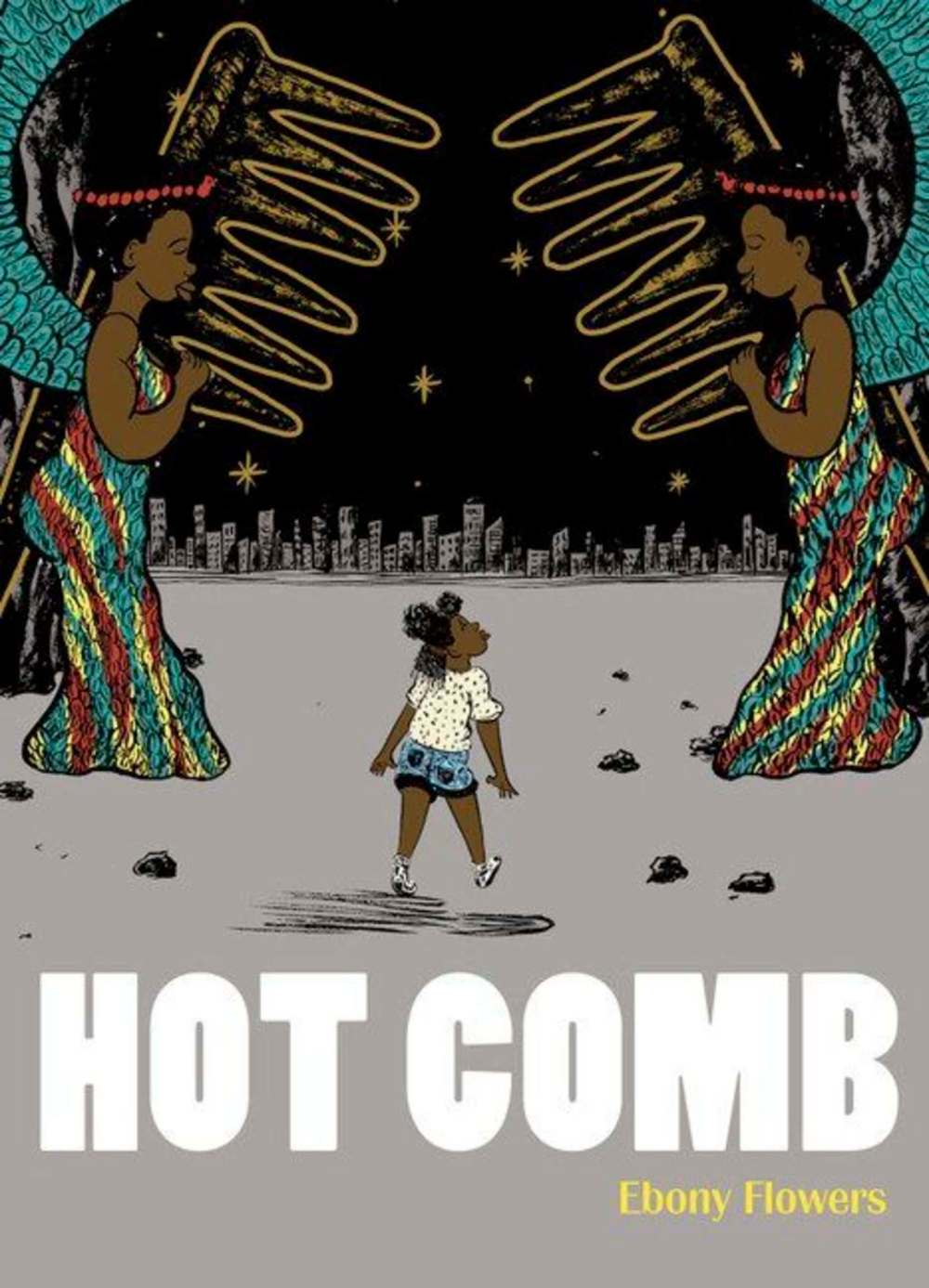
Hot Comb, the first book by U.S. cartoonist Ebony Flowers, is a sophisticated entry into this topic, by turns heartbreaking and joyous. Composed of eight short stories about African-American girls and women, Hot Comb takes us through such coming-of-age experiences as hair shame, chemical straightening, burned scalps, braiding, afros and ultimately hair acceptance.
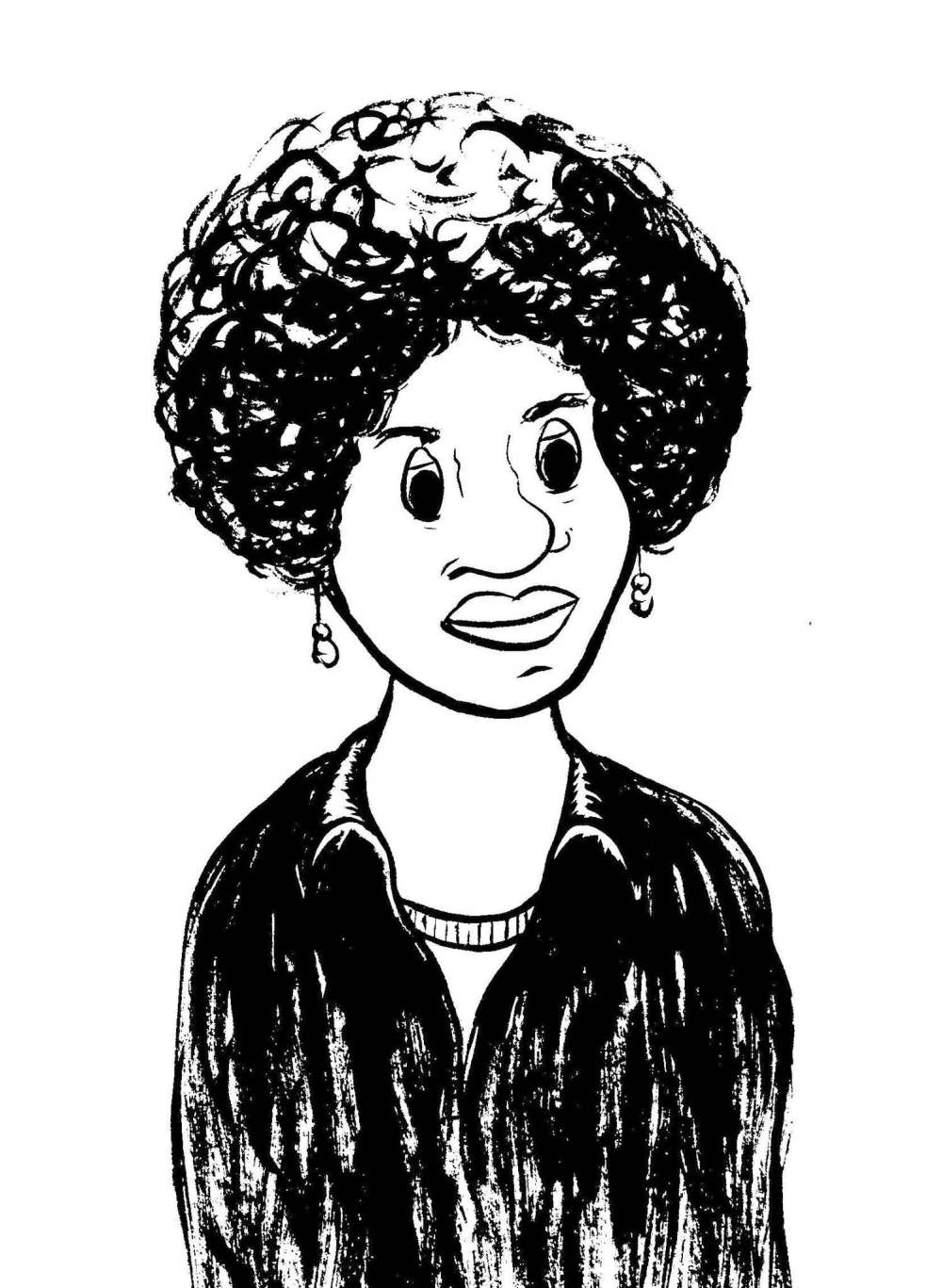
A self-portrait illustration of author Ebony Flowers.

Along the way, we meet black girls being bullied by their white peers, black women being exoticized by white men, black girls and women encouraging each other to have “good” hair, and black mothers ambivalent about letting their daughters start the spiral of straightening treatments. Flowers shows us the internalized racism that can lead to self-harm and depression, but also shows us the important bonding that takes place between girls and women in scenes of mothers braiding their daughters’ hair, “aunties” initiating teenagers into perms and friends encouraging each other to go natural. Read together, these stories tell a collective coming-of-age story that ends on a hopeful, liberating note of black women’s hair, body, and self-acceptance.

Flowers is a cartoonist, ethnographer and teacher who was born in Maryland and now lives in Denver. She wrote her PhD thesis in curriculum and instruction at the University of Wisconsin-Madison largely as a comic, and won a 2017 Rona Jaffe Award for emerging women writers. Fans of cartoonist Lynda Barry may not be surprised to learn that Flowers has studied and worked with her. Like Barry, Flowers focuses on girlhood and sees drawing as a way to both tap into creativity and develop new forms of teaching and scholarship.

Because she is a trained ethnographer, another comparison is to the early 20th-century African-American writer and anthropologist Zora Neale Hurston. Like Hurston, Flowers is an artist-folklorist, using her creative talents to capture the tones, rhythms and everyday lives of black women with an unflinching yet loving eye and ear.

The title comic is also the first and the longest, using first-person perspective in a coming-of-age graphic memoir about Ebony’s introduction to harsh chemical hair relaxing. Having moved from a predominantly white trailer park to a black neighbourhood in Baltimore, Ebony is suddenly made aware of her “bad” hair by other black girls.

Her mother finally relents to Ebony’s pleas to have a hair salon straightening perm. Ironically, when she returns to her neighbourhood with her new hairdo, the black boys at her school tell her she looks “dumb.”
The final story, Last Angolan Saturday, is another standout. Moving from the U.S. to Angola, Flowers begins with three 20-something black friends doing each other’s hair and then deciding to go to the beach.

When they get stuck in traffic, we see them discussing local politics alongside the problems of finding someone in the U.S. who can match Angolan women’s elaborate cornrow designs. They eventually arrive at the beach, and the book ends with a glorious scene of the friends finding their voices.

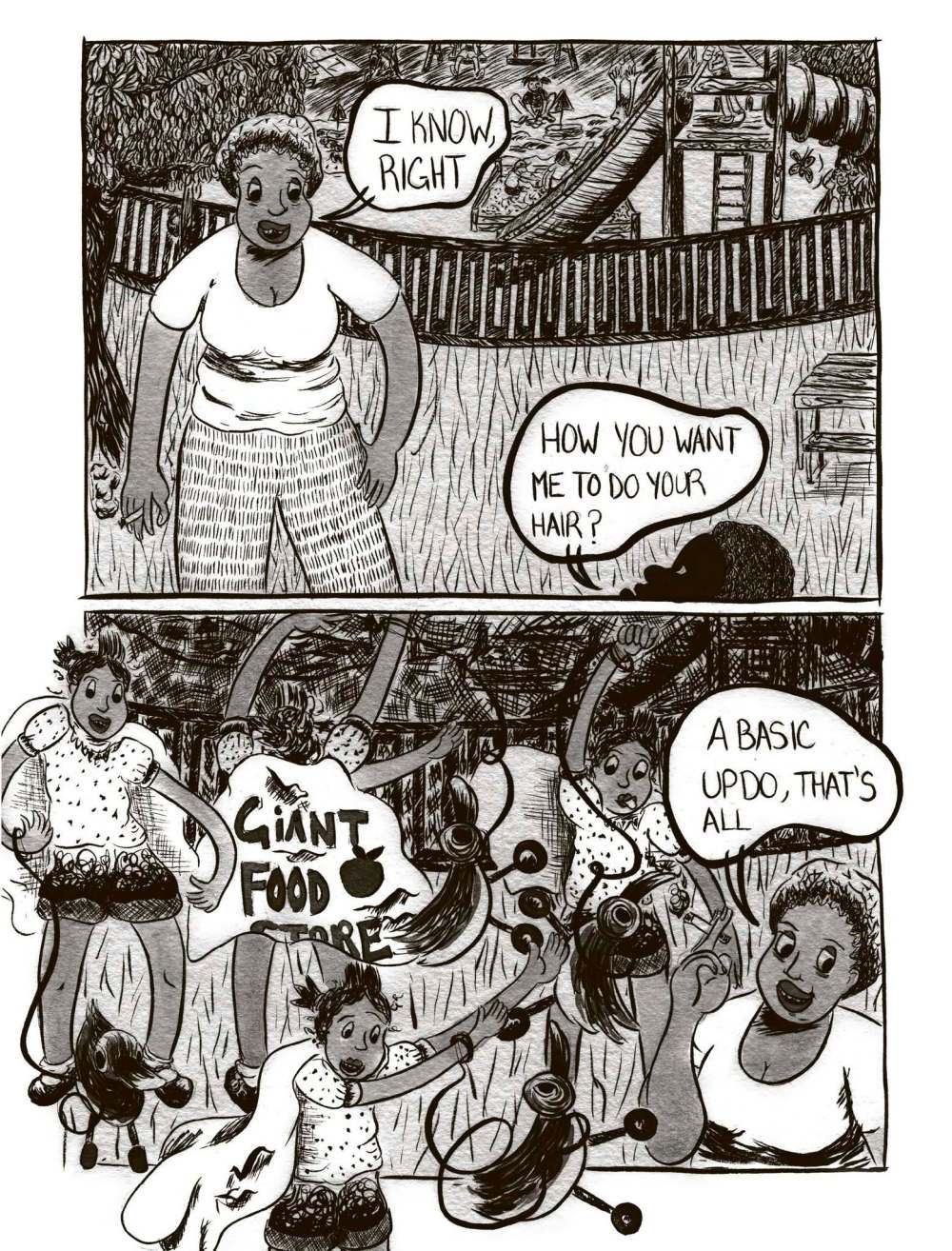
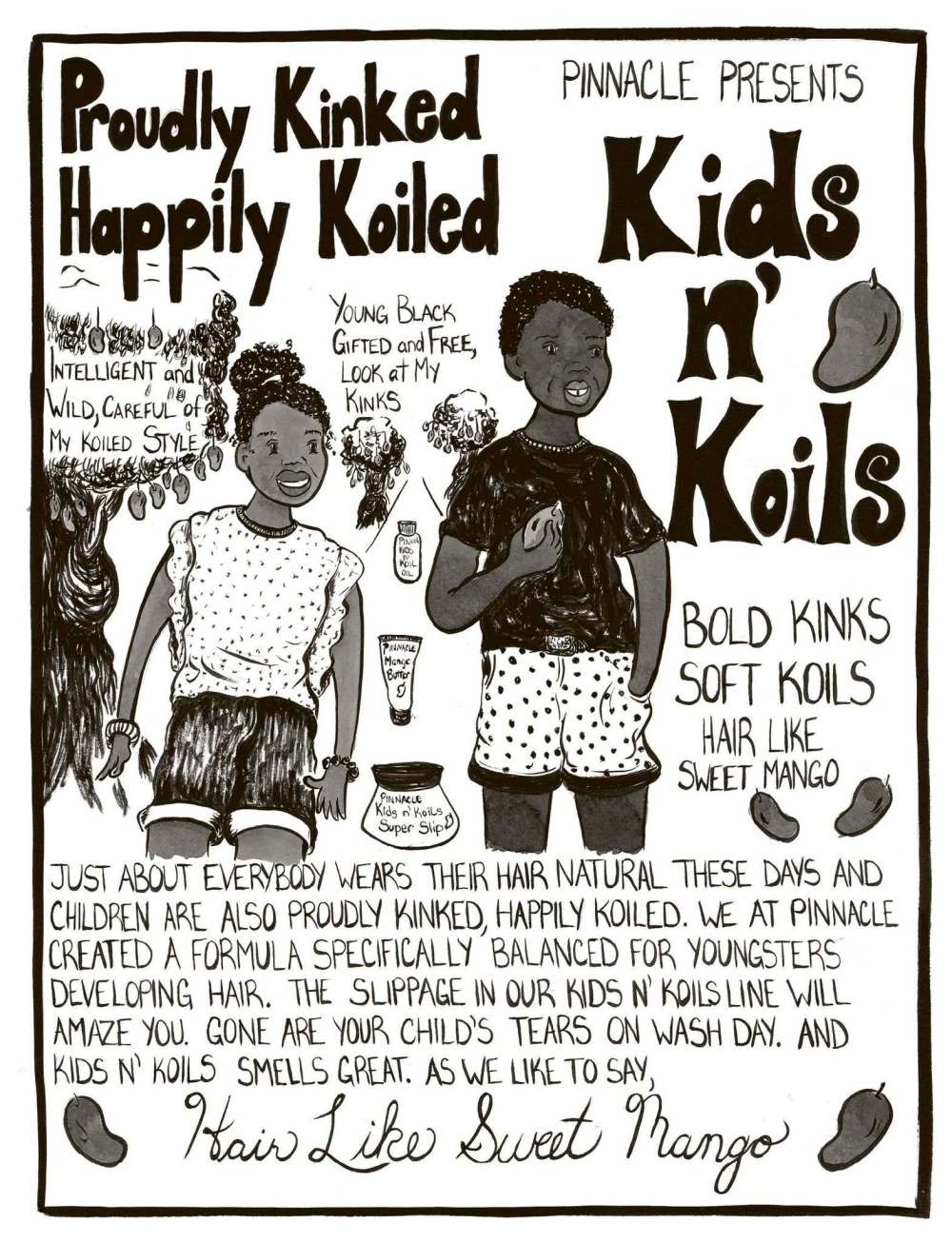
Flowers has a scribbly, sketchy, black-and-white style that works well for these intimate, honest and beguiling stories.

Throughout, Hot Comb provides a glimpse into a set of very specific gendered, racialized and generational experiences that are nevertheless relatable for any reader who has experienced growing pains, complex family dynamics and struggles with self-image and identity.

Hot Comb is a vibrant entry into the growing genre of coming-of-age comics that uses the intricate politics of hair to draw complex portraits of the lives of black girls and women.
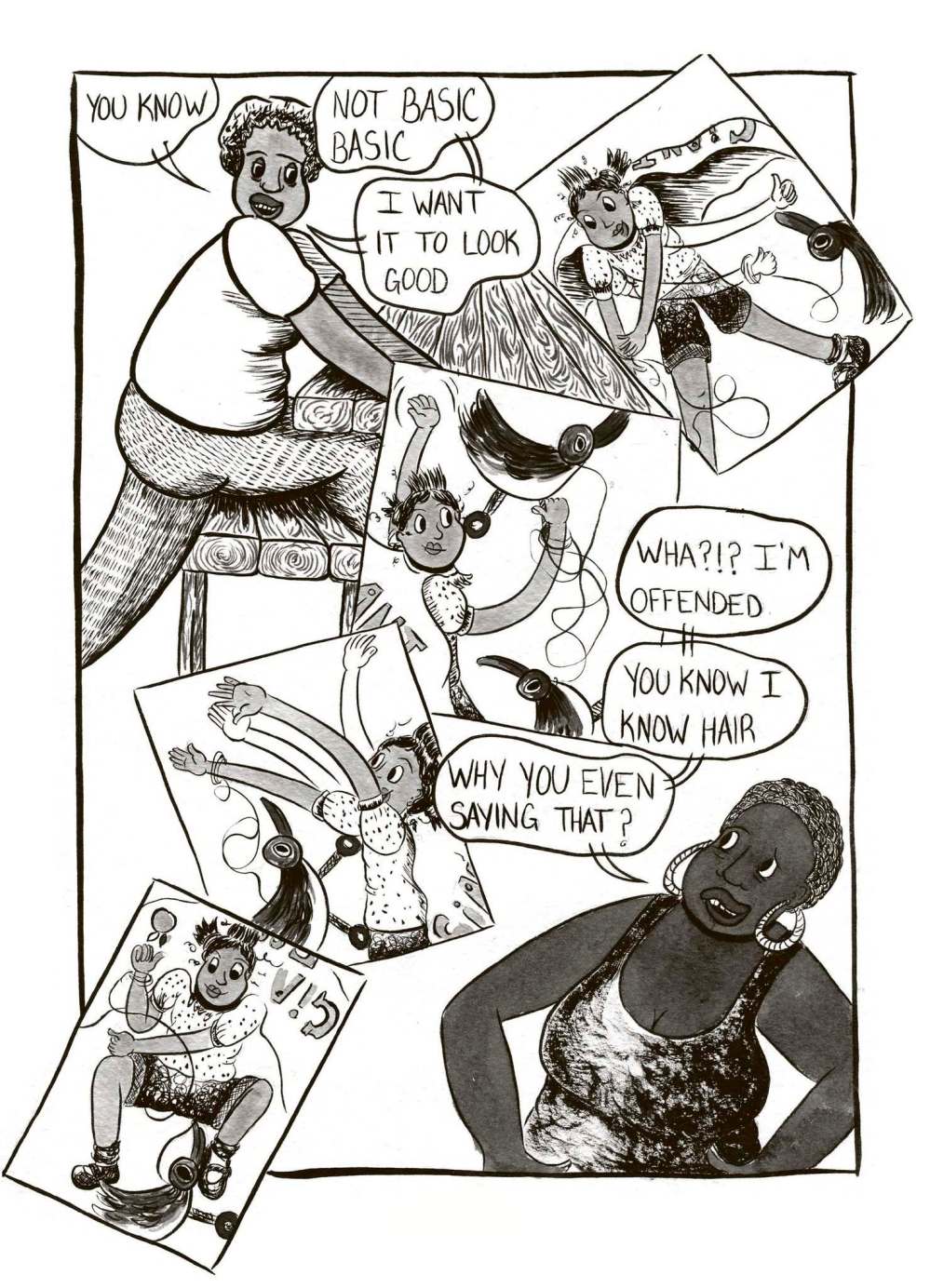
A panel from the graphic novel Hot Comb.

Candida Rifkind is an associate professor in the department of English at the University of Winnipeg, where she teaches and researches comics, graphic narratives and Canadian literature and culture.
Report Error Submit a Tip

More Stories

Puzzles Palace

1 minute read Monday, Jul. 27, 2026

To solve our puzzles, please subscribe with this special offer: |

‘Quite a journey’: dozens move into transitional housing downtown

Carol Sanders 4 minute read Preview

‘Quite a journey’: dozens move into transitional housing downtown

Carol Sanders 4 minute read Updated: Yesterday at 9:54 AM CDT

Dozens of residents have moved into transitional housing units in a former university building in downtown Winnipeg.

Housing, Addictions and Homelessness Minister Bernadette Smith said 42 residents have moved into suites on the third and fourth floors of a seven-storey building previously owned by Providence University College and Theological Seminary. There will be space for as many as 118 people who were in encampments or otherwise homeless.

The remaining units under renovation are expected to be ready and occupied in the coming weeks, Smith said.

“This has been two years in the making,” the minister said at a media event with residents, staff, neighbours and supporters. The building cost the province $24.4 million to purchase and renovate.

Read
Updated: Yesterday at 9:54 AM CDT

Manitoba doctor denies working to revive Carberry ER in response to recruitment lawsuit

Erik Pindera 4 minute read Preview

Manitoba doctor denies working to revive Carberry ER in response to recruitment lawsuit

Erik Pindera 4 minute read Yesterday at 9:40 AM CDT

A Manitoba doctor has denied he was working as a recruiter after an Ontario doctor accused him of misleading him about a position at the Carberry hospital.

Dr. Klevis Iliriani, who worked at the hospital in Carberry from May to August 2024, filed his statement of claim in Court of King’s Bench earlier this year.

Iliriani, who lives in an Ottawa suburb, has alleged recruiters negligently misrepresented the job at the Carberry hospital and breached the terms of his contract, which resulted in less pay than promised.

His court filing names defendants Dr. Dave Maharajh and Barry Banek as the recruiters.

Read
Yesterday at 9:40 AM CDT

Enrolment up at alternative schools

Maggie Macintosh 5 minute read Preview

Enrolment up at alternative schools

Maggie Macintosh 5 minute read 10:02 AM CDT

Independent schools are preparing to welcome a record number of students as more families pay for faith-based instruction and secular alternatives.

The overwhelming majority of Manitoba children — 200,000 — are starting in the public school system this fall. Since 2000, the percentage of students enrolled elsewhere — in homeschools, funded and non-funded independent schools — has nearly doubled, to 12 per cent from seven per cent.

“If money was no object, we could fill dozens and dozens more classrooms with the demand for independent education,” said Andrew Micklefield, executive director of the Manitoba Federation of Independent Schools, who is a former Tory government house leader.

The King’s School, Dasmesh School, Springs Christian Academy, Beautiful Saviour Lutheran School, Steinbach Christian School and IQRA Islamic School have all either upscaled at some point over the last five years or are actively in the process of expanding their footprint.

Read
10:02 AM CDT

‘It’s childish’: Americans in Canada react to Trump’s renaming of Lake Ontario

Sharif Hassan, The Canadian Press 5 minute read Preview

‘It’s childish’: Americans in Canada react to Trump’s renaming of Lake Ontario

Sharif Hassan, The Canadian Press 5 minute read Updated: Yesterday at 10:39 AM CDT

If you’re angered by U.S. President Donald Trump's renaming of Lake Ontario to “Lake America,” chances are that an American living in your neighbourhood might be just as outraged — if not more.

Many Americans who've made Canada their home are calling it an embarrassing, even "childish," stunt.

Ben Davis, a retired law professor, said Trump’s executive order to change the lake’s name is "so beneath the office of the United States president."

"And obviously it's another one of his distractions of the day, but it's just pitiful,” Davis said.

Read
Updated: Yesterday at 10:39 AM CDT

Debut graphic novel explores black women's lives through their hairstyles

Reviewed by Candida Rifkind 4 minute read Preview

Debut graphic novel explores black women's lives through their hairstyles

Reviewed by Candida Rifkind 4 minute read Saturday, Jun. 22, 2019

Women’s hair is never just hair, and for black women this is even more true.

African and diasporic black artists and writers have been telling us this for decades. From comedian Chris Rock’s 2009 documentary for his daughters, Good Hair, to Chimamanda Ngozi Adichie’s epic 2013 novel Amerikanah and Solange’s 2016 song Don’t Touch My Hair, black women’s hair has recently become a flashpoint for the complex relationships between gender, race, class, family, culture, advertising, business and art.

Hot Comb, the first book by U.S. cartoonist Ebony Flowers, is a sophisticated entry into this topic, by turns heartbreaking and joyous. Composed of eight short stories about African-American girls and women, Hot Comb takes us through such coming-of-age experiences as hair shame, chemical straightening, burned scalps, braiding, afros and ultimately hair acceptance.

Along the way, we meet black girls being bullied by their white peers, black women being exoticized by white men, black girls and women encouraging each other to have “good” hair, and black mothers ambivalent about letting their daughters start the spiral of straightening treatments. Flowers shows us the internalized racism that can lead to self-harm and depression, but also shows us the important bonding that takes place between girls and women in scenes of mothers braiding their daughters’ hair, “aunties” initiating teenagers into perms and friends encouraging each other to go natural. Read together, these stories tell a collective coming-of-age story that ends on a hopeful, liberating note of black women’s hair, body, and self-acceptance.

Read
Saturday, Jun. 22, 2019