Hairy… and hungry
Brooks' latest dystopian drama pits tech commune against ravenous Sasquatch
Advertisement
Read this article for free:
or
Already have an account? Log in here »
To continue reading, please subscribe:

Digital Subscription
One year of digital access for only $205*
- Enjoy unlimited reading on winnipegfreepress.com
- Read the E-Edition, our digital replica newspaper
- Access News Break, our award-winning app
- Play interactive puzzles
*First annual payment billed as $205.00 + GST for one year. This annual subscription will automatically renew at $233.00 + GST every 52 weeks (10% off the regular annual price of $259.35). Offer available to new and qualified returning subscribers only. Cancel any time.
To continue reading, please subscribe:
Add Free Press access to your Brandon Sun subscription for only an additional
$1 for the first 4 weeks*
- Enjoy unlimited reading on winnipegfreepress.com
- Read the E-Edition, our digital replica newspaper
- Access News Break, our award-winning app
- Play interactive puzzles
*Your next Brandon Sun subscription payment will increase by $1.00 and you will be charged $17.95 plus GST for four weeks. After four weeks, your payment will increase to $24.95 plus GST every four weeks.
Read unlimited articles for free today:
or
Already have an account? Log in here »
Hey there, time traveller!
This article was published 18/07/2020 (2237 days ago), so information in it may no longer be current.
It’s difficult to imagine a time before ours, when social distancing was not the norm and when technology was used for leisure and selfish personal uses such as the pure pursuit of knowledge or for pleasure. But books and media produced as recently as a handful of months ago often portray a world where concerns of “real life” are immaterial, and instead focus on exploring the “what ifs” of our imagination.
After all, that’s what science fiction is about.
And during seemingly apocalyptic times, what better way to pause from reality that to read about other possible scenarios where the human struggle to survive takes on a different form?
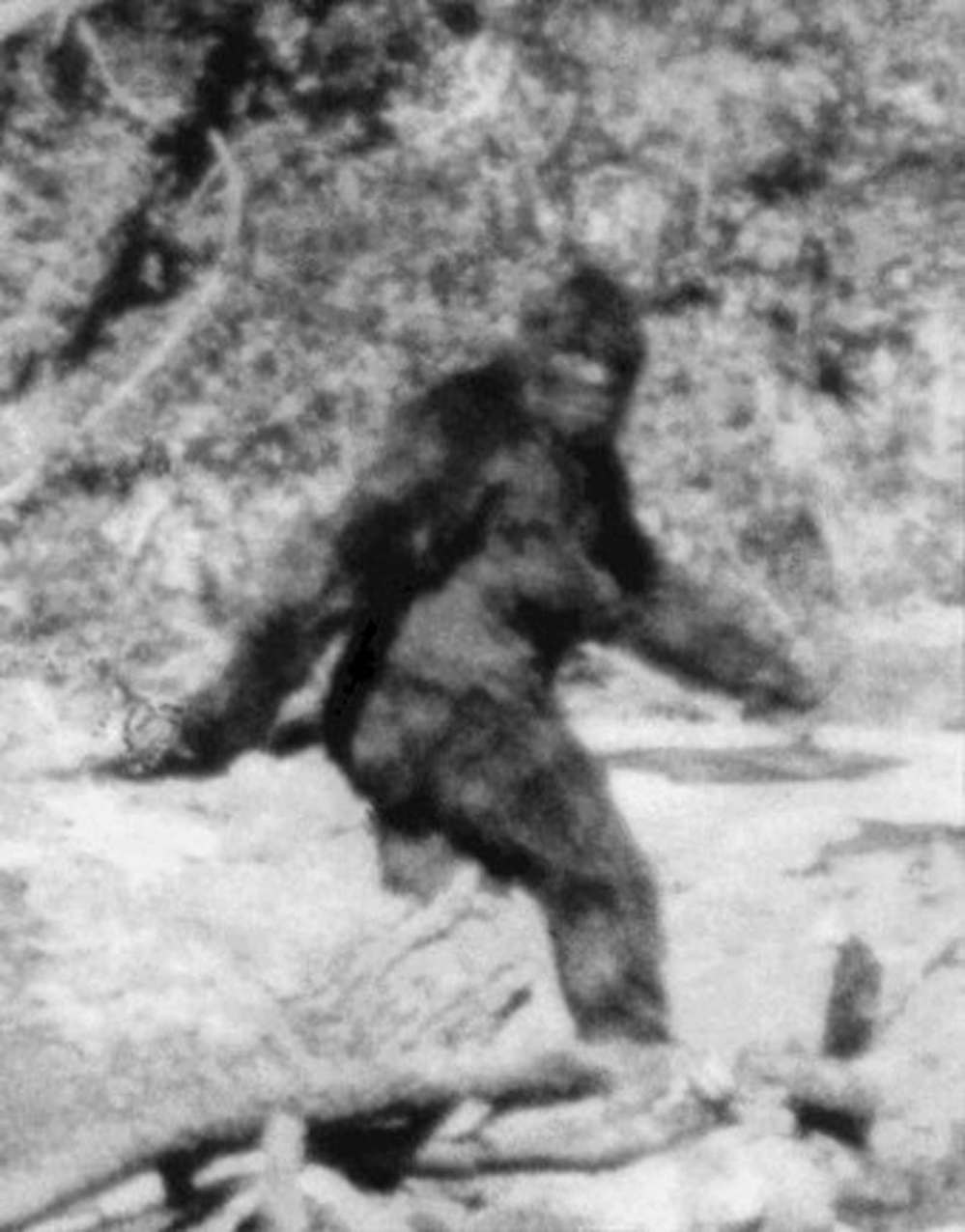
Let’s be clear: there was no actual Sasquatch massacre in Washington State.
That we know of.
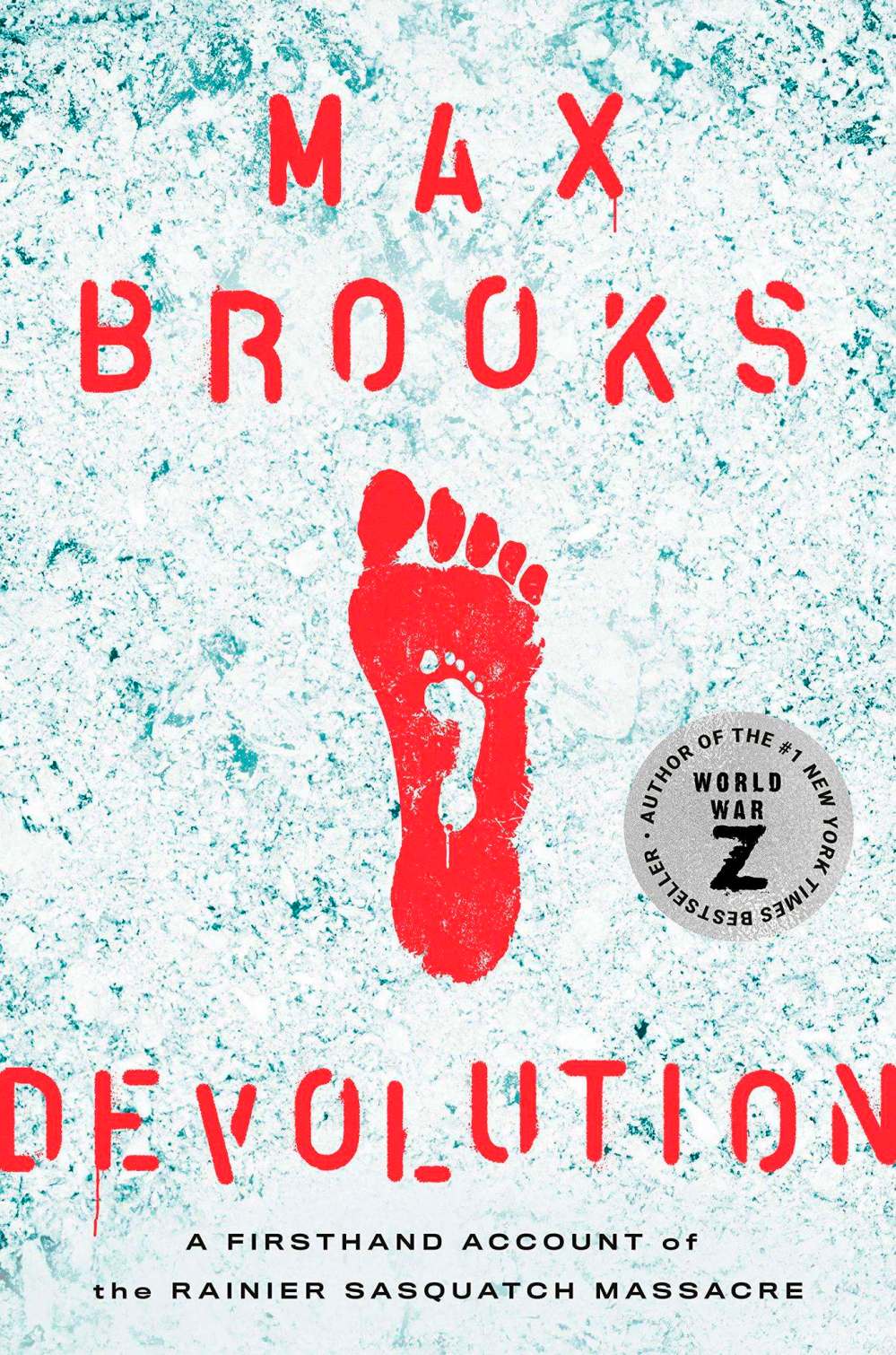
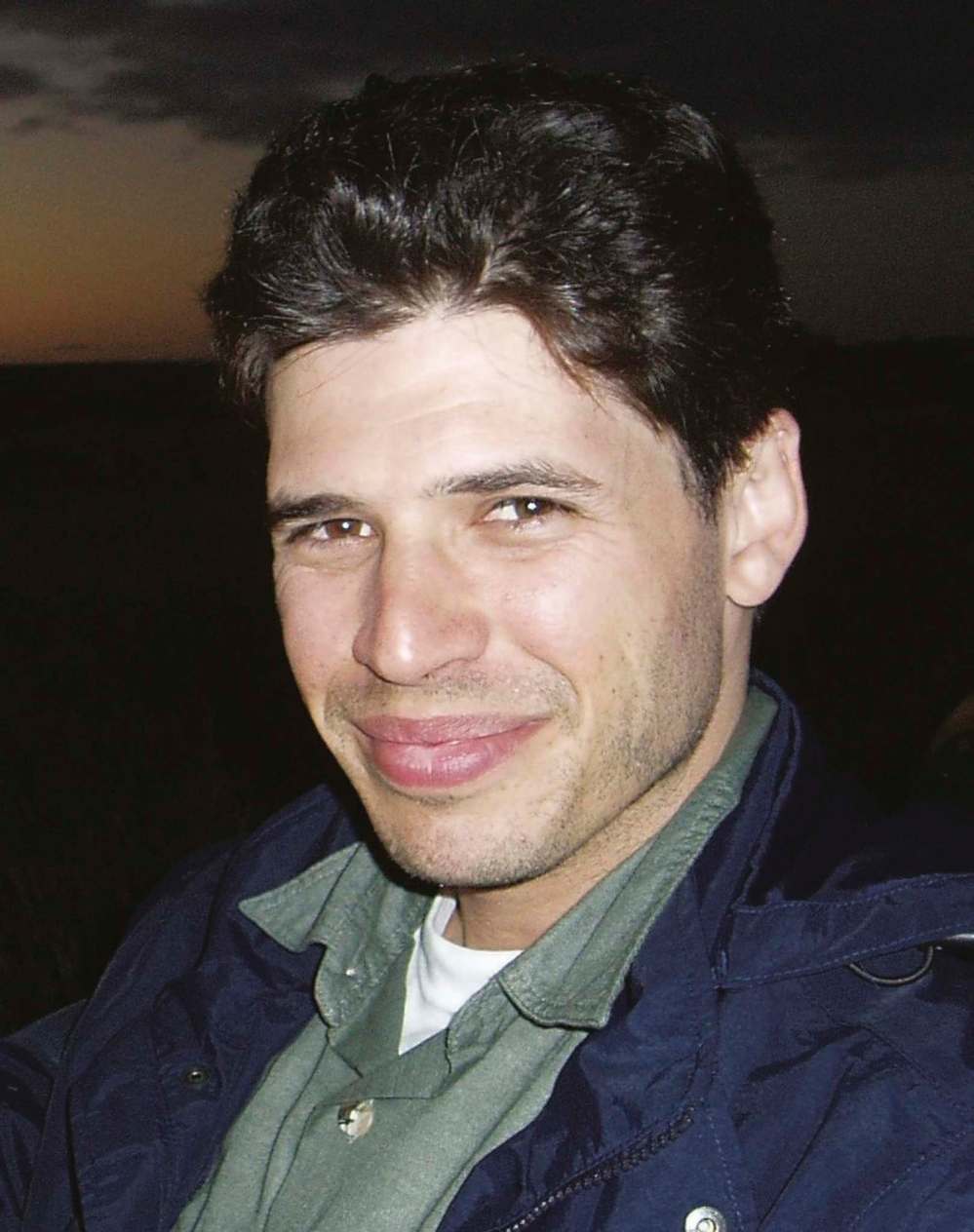
But Max Brooks, the author of wildly popular zombie books, particularly World War Z — which was turned into a hit film starring Brad Pitt — has created a novel about a catastrophe not involving a pandemic (as in World War Z, which seems uncomfortably appropriate right now), but about a geological disaster instead.
In Devolution, Brooks tells the story of what was alleged to have occurred in a tech commune at the base of Mt. Rainier, known to us now only through the found diary of Kate Holland, a member of the Greenloop community there.
Greenloop was an artists’ and free-thinkers’ paradise — six families, all sharing meals and ideas in an idyllic setting, where supplies were delivered by autonomous vehicles and drones flew overhead, where 5G was reality and information was just a quick Siri query away.
These were “gods,” as Holland describes — the cream of the crop in many fields, representing the highest advancement of humanity in science, philosophy and art.
Until the volcano blew. The result was that the community was physically unscathed but totally cut off from the rest of the world. While Seattle burned, Greenloop carried on, more or less.
But how to do you fix computers and other devices when the manuals are online in the cloud, which has dissipated? How do you grow food without knowing where and when to plant seeds that you don’t have anyway?
As food sources dwindled, the fauna of the Pacific Northwest became desperate. Starving cougars hunted freely in the community and life shifted precariously. And Greenloop had no weapons for defence.
Then things got worse. The Greenloop community unfortunately discovered that Sasquatch — creatures considered mythical by science — were real after all. They were hungry too, and much more intelligent foes than expected.
Holland’s journal entries at first detail the humdrum day-to-day life in Greenloop — from technological challenges to the inevitable interpersonal and domestic conflicts.
Her own husband is aloof at first, but as the community falls under attack, he is forced to make some bold decisions as to how he can rise to the fore.
Holland herself evolves from a relatively meek member of the group to an aggressive leader unafraid to take on belligerent humanlike creatures that are bent on proving their superiority — and tasting raw human flesh. The “massacre” is a true test of survival of the fittest.
While Sasquatch are not as popular a theme as rampaging zombies, Devolution is entertaining, and takes us into a generally unexplored realm where hard science and popular mythology clash head-on.
Brooks has woven an intricate tale of human perseverance in the face of imminent danger, stretching the limits of its doomed ensemble cast and their many graphically bloody skirmishes with the unknown.
Beware the Sasquatch.
Chris Rutkowski is a science writer who documented reports of Sasquatch in Manitoba in his book Unnatural History (1993).