Hard time
Mallea argues inmates, society both suffer under current approach to justice
Advertisement
Read this article for free:
or
Already have an account? Log in here »
To continue reading, please subscribe:
Digital Subscription
One year of digital access for only $1.44 a week*
- Enjoy unlimited reading on winnipegfreepress.com
- Read the E-Edition, our digital replica newspaper
- Access News Break, our award-winning app
- Play interactive puzzles
*Billed as $5.77 plus GST every four weeks. After 52 weeks, price increases to the regular rate of $19.95 plus GST every four weeks. Offer available to new and qualified returning subscribers only. Cancel any time.
To continue reading, please subscribe:
Add Free Press access to your Brandon Sun subscription for only an additional
$1 for the first 4 weeks*
- Enjoy unlimited reading on winnipegfreepress.com
- Read the E-Edition, our digital replica newspaper
- Access News Break, our award-winning app
- Play interactive puzzles
*Your next Brandon Sun subscription payment will increase by $1.00 and you will be charged $17.95 plus GST for four weeks. After four weeks, your payment will increase to $24.95 plus GST every four weeks.
Read unlimited articles for free today:
or
Already have an account? Log in here »
Hey there, time traveller!
This article was published 02/12/2017 (3247 days ago), so information in it may no longer be current.
Paula Mallea knows a thing or two about the Canadian prison system.
A former criminal defence attorney with practices in both Ontario and Manitoba, she spent more time inside provincial and federal institutions than most people outside the inmate or guard populations. And she doesn’t like what she sees.
Mallea has been writing about criminal justice reform for the better part of two decades — both data-laden reports on specific justice-related government policies and social issues, and several recent book-length arguments against our most ill-advised policy, including the book The War on Drugs: A Failed Experiment.
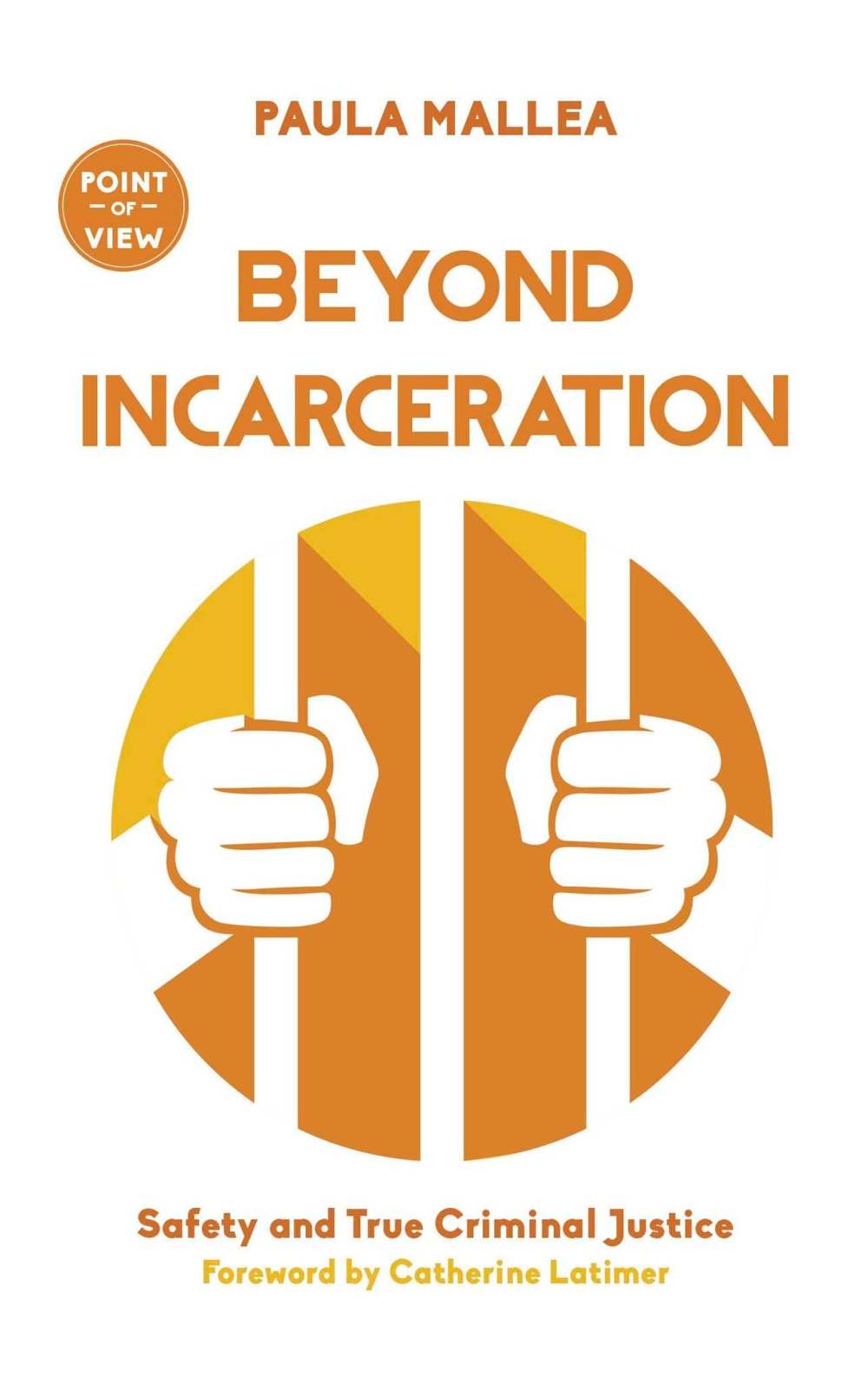
In Beyond Incarceration, the insightful legal thinker makes a clear and compelling argument that our fundamental approach to justice is counterproductive for a majority of inmates and society as a whole.
According to Mallea, criminal incarceration is supposed to achieve a number of different ends, including restitution to and retribution for the victims, rehabilitation of the offender, deterrence of the offender or other would-be criminals from future crime and incapacitation. In fact, very few of these are actually achieved by throwing more and more people in prison for longer and longer sentences in worse and worse conditions.
Data show that deterrence is related not to the harshness of the sentence but to the likelihood of getting caught. Our recidivism rate is high compared to other countries, and even incapacitation — the idea that throwing a person in prison cuts back on crime by getting them off the street — is untrue.
For one thing, criminal violence continues behind bars (and Mallea warns us of the moral quagmire of writing off the rights of inmates).
For another, any small gain for those of us outside the prison walls of having a few more criminals off the street for longer periods is more than wiped out by the hyper-criminalization of offenders by the time they are released, with non-violent offenders being made violent by their long and hellish prison experience and initially violent offenders becoming more bitter and angry.
This is the opposite of rehabilitation, and we all pay the price when inmates must ultimately be released to offend again.
How did it get so bad? Mallea blames the Harper government’s tough-on-crime agenda for setting us back decades.
Positive criminal justice reform had been moving recidivism and crime rates in the right direction through the late 1980s and ’90s.
Metrics in the prisons themselves were also improving, with fewer suicides, violent assaults on other prisoners or guards, lockdowns and riots.


Previous justice ministers were solving a problem that had been at its boiling point in the 1970s by looking around the world at the programs that did the most to demonstrably promote public safety and human rights. And as good, evidence-based ideas were implemented, prisons became more effective at doing what they are mandated to do — reintegrating offenders and improving public safety.
Revealingly, during Harper’s decade-plus in power, the head of the prison guards’ union (hardly a liberal group) lamented the increasing violence and misery in prison for guards and prisoners alike, calling the Conservative prime minister the most dangerous person in politics.
Mallea is not convinced that change will come quickly with a new government. Yet the problem is an increasingly urgent one in terms of fiscal responsibility, public safety and basic Canadian values.
Solutions exist, and the author describes them in detail. For everyone’s sake, one can only hope they are implemented.
Joel Boyce is a Winnipeg writer and educator.