How to get high without getting high
Author compiles 255 ways to alter your consciousness without using drugs
Advertisement
Read this article for free:
or
Already have an account? Log in here »
To continue reading, please subscribe:

Digital Subscription
One year of digital access for only $205*
- Enjoy unlimited reading on winnipegfreepress.com
- Read the E-Edition, our digital replica newspaper
- Access News Break, our award-winning app
- Play interactive puzzles
*First annual payment billed as $205.00 + GST for one year. This annual subscription will automatically renew at $233.00 + GST every 52 weeks (10% off the regular annual price of $259.35). Offer available to new and qualified returning subscribers only. Cancel any time.
To continue reading, please subscribe:
Add Free Press access to your Brandon Sun subscription for only an additional
$1 for the first 4 weeks*
- Enjoy unlimited reading on winnipegfreepress.com
- Read the E-Edition, our digital replica newspaper
- Access News Break, our award-winning app
- Play interactive puzzles
*Your next Brandon Sun subscription payment will increase by $1.00 and you will be charged $17.95 plus GST for four weeks. After four weeks, your payment will increase to $24.95 plus GST every four weeks.
Read unlimited articles for free today:
or
Already have an account? Log in here »
Hey there, time traveller!
This article was published 18/04/2018 (3032 days ago), so information in it may no longer be current.
Sunshine on my shoulders makes me happy
Sunshine in my eyes can make me cry
Sunshine on the water looks so lovely
Sunshine almost always makes me high
— John Denver
John Denver wrote the definitive lyric about the natural, drugless high. As it happens, I was standing on a bridge over a little creek just the other day, cold, spring air brushing against my face, hot sunshine warming my shoulders through my black wool coat, and that same sunshine sparkling off the ice and water in the creek.
I get it. We all have “peak experiences.” Some are more profound than others. Some afford us a real escape — from the mundane, or from something more serious and anxiety-inducing. And we will pursue those peaks and highs, in part because we are hard-wired to do it, and in part because we choose to, whether it’s a little something to take the edge off, something to make us feel more fun and less inhibited, or to experience something more deeply spiritual.
In any case, Big Brother doesn’t seem to like it when we do. Or rather, he doesn’t like it unless we jump through the appropriate legalized, commericalized pharmaceutical hoops.
The last hundred years or so has seen the demonization and prohibition of anything that lends itself to an altered consciousness. Alcohol was banned for a while. Then marijuana. Psychedelics were banned in the 1960s.
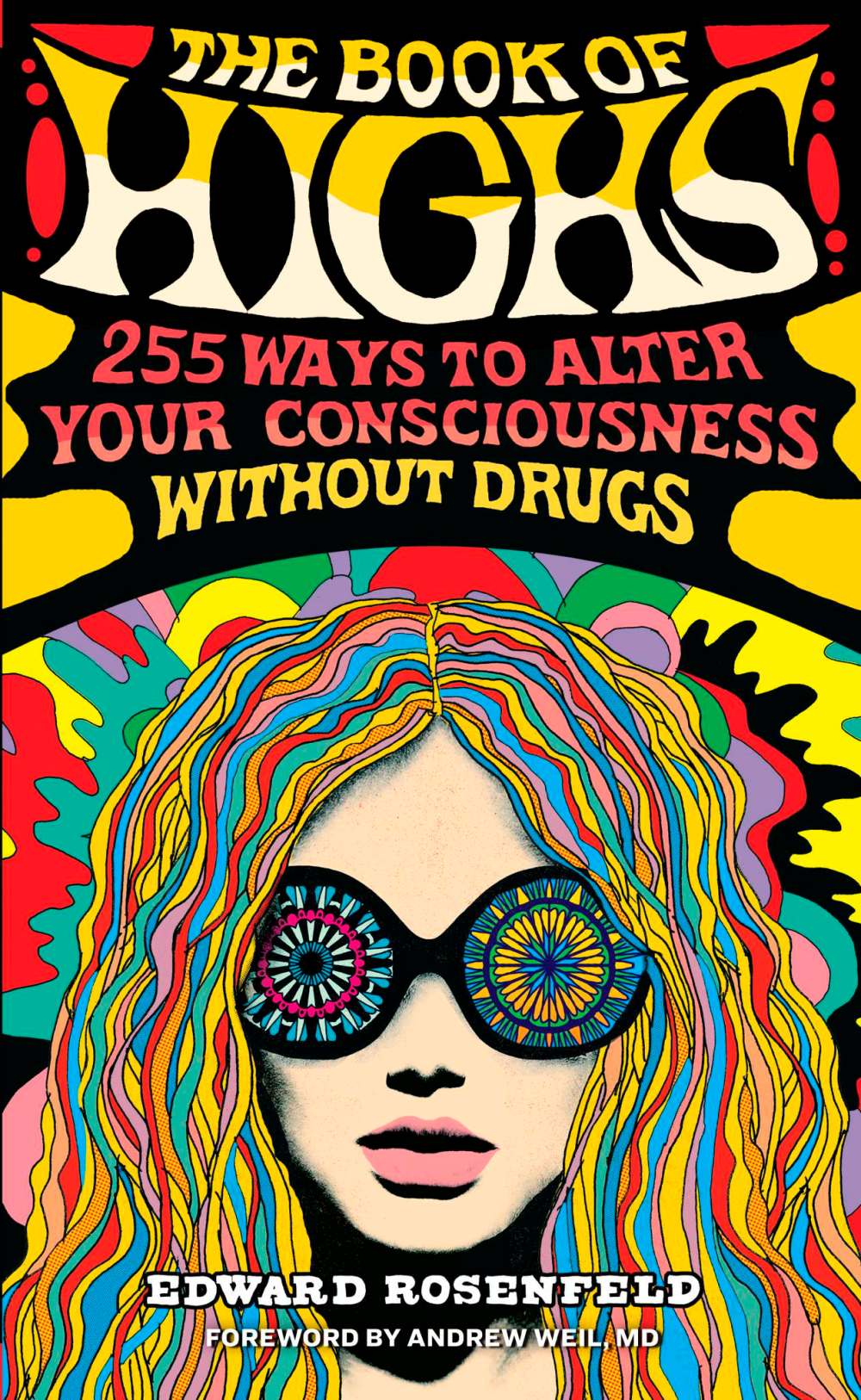
That last one bothered author Edward Rosenfeld. His response? He began researching ways of altering consciousness in ways the government couldn’t legislate. He’s re-issued an updated and fascinating version of his 1973 book: The Book of Highs: 255 Ways to Alter Your Consciousness without Drugs (Workman Publishing, $25.95). He offers a long list conscious-altering ideas, all of them legal.
Rosenfeld is best known as the founding editor of Omni magazine, and edited three volumes on neural networks, as well as Talking Nets: An Oral History of Gestalt Therapy. He shared some thoughts from New York, via email.
● ● ●
Winnipeg Free Press: What inspired you to compile The Book of Highs?
Edward Rosenfeld: I came to write the book in the 1960s. During that time there were a lot of people who weren’t taking drugs, who were freaking out about drugs. And, as a result, most nation-states made laws against drugs. I thought: well, they can ban drugs, that’s Prohibition. But, they can’t ban consciousness!
So, I thought I could collect a few hundred ways to alter consciousness without drugs and write them up in book form.
I actually wrote the initial version of the book in 1969, first published in 1973.
WFP: Why do we need this book?
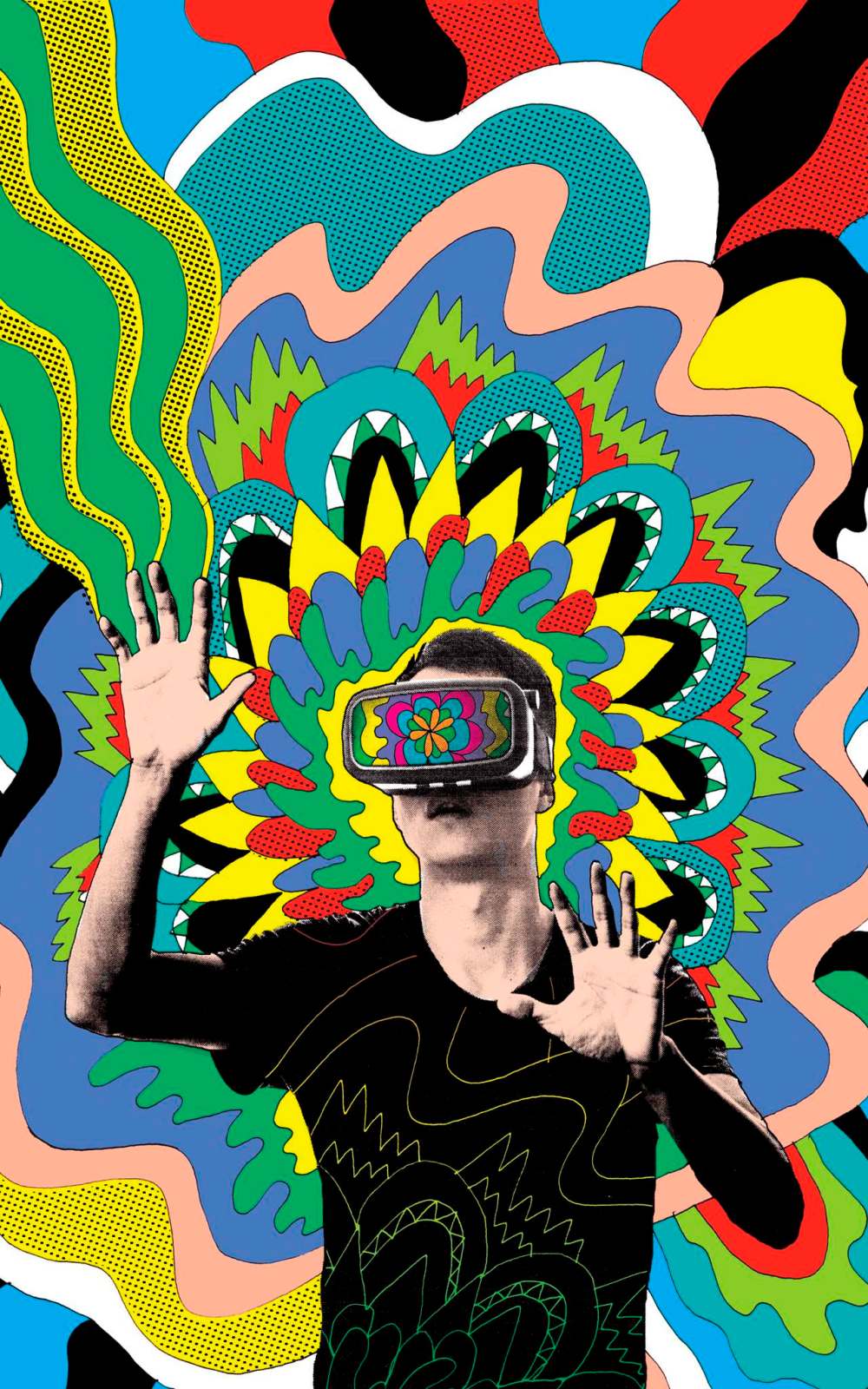
ER: The Book of Highs is a mini-encyclopedia of altered states of consciousness. In this era, with all of us glued to our mobile phones and being liked, or not, on social media, it is a good time for retrospection, for a glimpse or two inside ourselves and for some different ways of seeing ourselves, our experiences and the world we live in.
WFP: Who is it for?
ER: It is for any one with curiosity and focus, willing to examine a collection of myriad ways to change our perspectives. I’m sure people who already get high in any way will be interested in all the different ways that exist to alter consciousness.
For people who are having difficulties with substances and abusive behaviour, it could provide alternative approaches to their current state of mind. With 255 highs, there’s something for virtually everyone to be found in the book’s pages.
WFP: Would you define “peak experience” and “altered state” — are they the same?
ER: “Peak experience” was a term made popular by the psychologist Abraham Maslow. He often likened it to states of self-actualization. Peak experiences can embrace many states of altered consciousness or awareness. But that term implies an achievement of a higher state of awareness and experience. An “altered state” is a much broader term and does not imply or even include any specific level of experience, merely an alteration of “normal” consciousness.
WFP: Do you have a favourite practice? What has it done for you?
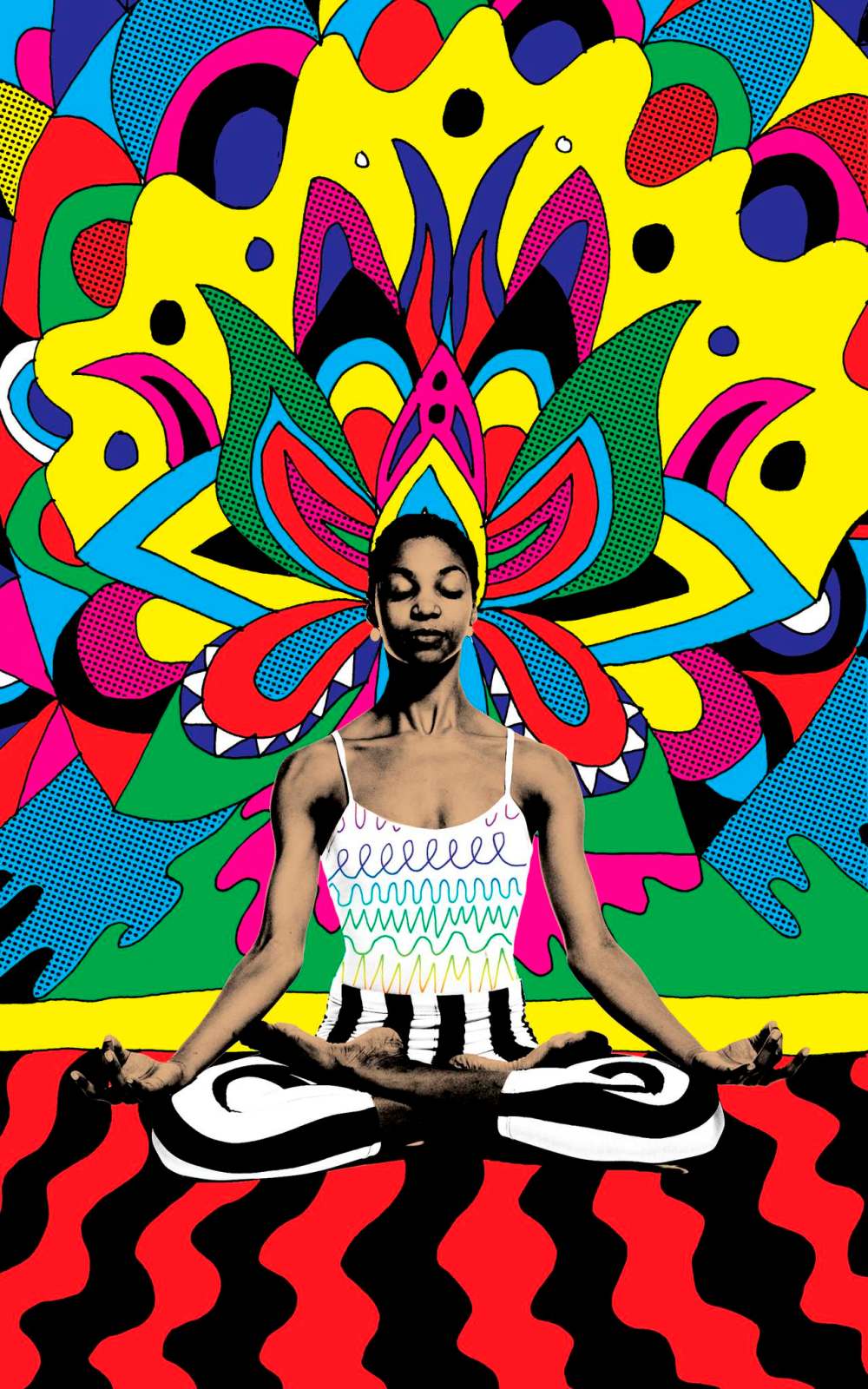
ER: As I write about in The Book of Highs, a number of psychotherapeutic practices, especially Gestalt therapy, as well as much time spent exploring Taoism as well as Chan and Zen Buddhism, have all been particularly fruitful for my own life.
What they’ve done for me is helped me focus on the here and now and to have compassion for my fellows and the whole Earth.
WFP: Is there anything that you would like to add?
ER: As Alan Watts, a scholar of Asian religions and more, was fond of saying: “This is it!” This is all we ever get. Each and every moment is full of potential and everything. It is up to us to take advantage of the magnificence of life and living.
● ● ●
The Book of Highs offers 255 ways to get there from here. Each is listed individually and covers: awareness; positive techniques; negative techniques; fantasy, sleep, dreaming and sex; everyday life; therapies; religions, mysticism and movements; and devices and machines.
For some, instruction is given, for others, information on how to explore further. Many are familiar and most are readily accessible, like the runner’s high, meditation, and dance therapy. Others are less so like the Ganzfeld Effect (prolonged exposure to a featureless field) and transcranial magnetic stimulation (using magnetic pulses to alter mood).
Here is one technique excerpted from The Book of Highs: 255 Ways to Alter Your Consciousness without Drugs by Edward Rosenfeld (Workman Publishing).
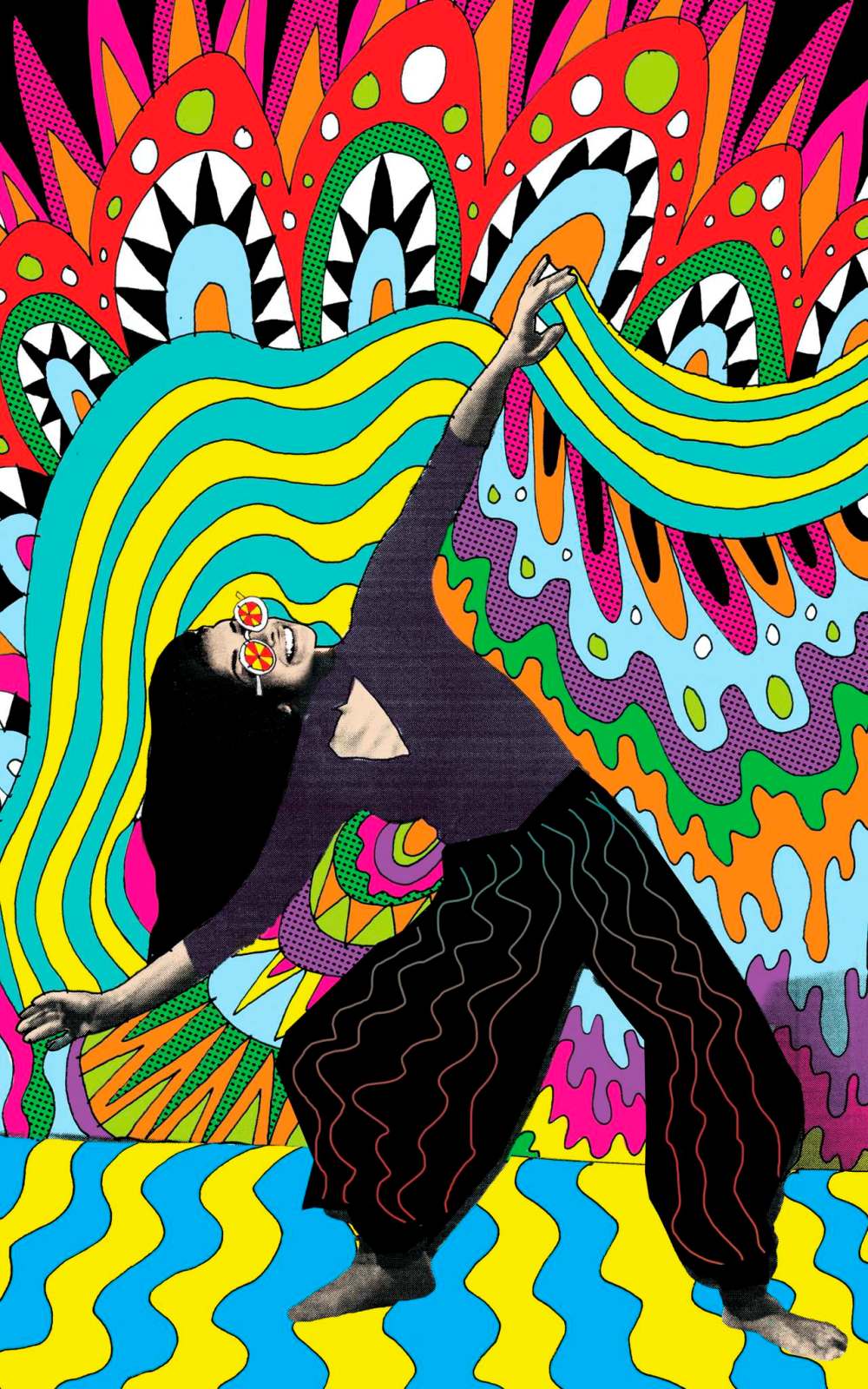
Zen morning laugh
Where meditation meets mirth.
This technique was taught to me by the late philosopher Alan Watts, who learned it from a Japanese Zen master in California. The Zen master does this every morning as a form of meditation. He indicates that it accomplishes something similar to rigorous zazen without the aching legs that usually attend several hours of sitting.
The gist of the technique is to arise each morning and assume a standing position. Put your hands on the back part of your hips, with your palms faced upward. Now, begin to laugh. Keep laughing. Let your laughter feed off itself and propel itself through your body and out. Laugh fully and completely for a few minutes. When it feels comfortable, stop laughing.
This is a great way to start the day. After a Zen morning laugh, you’re ready for anything.
● ● ●
Missing from the book is a high available exclusively to women for a short but precious time in their lives. When new mothers nurse their babies, there is a dance of hormones, with oxytocin in the lead, that bestow a whole host of benefits including a deep sense of relaxation, focus and affection.
It can produce a deeply blissful state of altered consciousness, designed to keep mother and baby close.
Rosenfeld mentions another high, readily available on the internet. Videos designed to trigger the experience ASMR (autonomous sensory meridian response), receive millions of hits.
Primarily, they consist of a person delivering sounds into special microphones, eliciting a sensation of movement from side to side, causing the listener to feel something like “the shivers,” which in turn triggers them to relax very deeply (headphones are recommended).
The sounds could be whispering, brushing, tapping and so on. The whispering might involve roleplay, like visiting a hair salon, and the sights and sounds associated with it (grooming is associated with oxytocin).
If dopamine is the “feel good” hormone, oxytocin is the “feel loved” hormone — arguably the better high when it gets passed on.
Excerpted from The Book of Highs: 255 Ways to Alter Your Consciousness without Drugs by Edward Rosenfeld (Workman Publishing). Copyright © 2018. Illustrations by Nate Duval. Used with permission from the publisher.
Twitter: @WendyKinginWpg