WEATHER ALERT

In Conversation with Lorri Neilsen Glenn

Advertisement

Advertise with us

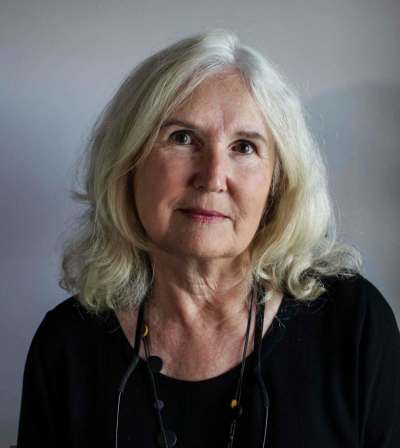
Lorri Neilsen Glenn is the former Halifax poet laureate and professor emerita at Mount Saint Vincent University.

Read this article for free:

or

Already have an account? Log in here »

To continue reading, please subscribe:

Subscribe and receive a limited-edition Free Press branded hat or tote.

Digital Subscription

One year of digital access for only $205*

  • Enjoy unlimited reading on winnipegfreepress.com
  • Read the E-Edition, our digital replica newspaper
  • Access News Break, our award-winning app
  • Play interactive puzzles

*First annual payment billed as $205.00 + GST for one year. This annual subscription will automatically renew at $233.00 + GST every 52 weeks (10% off the regular annual price of $259.35). Offer available to new and qualified returning subscribers only. Cancel any time.

To continue reading, please subscribe:

Add Free Press access to your Brandon Sun subscription for only an additional

$1 for the first 4 weeks*

  • Enjoy unlimited reading on winnipegfreepress.com
  • Read the E-Edition, our digital replica newspaper
  • Access News Break, our award-winning app
  • Play interactive puzzles
Start now

*Your next Brandon Sun subscription payment will increase by $1.00 and you will be charged $17.95 plus GST for four weeks. After four weeks, your payment will increase to $24.95 plus GST every four weeks.

Hey there, time traveller!
This article was published 10/11/2017 (3181 days ago), so information in it may no longer be current.

Lorri Neilsen Glenn is the former Halifax poet laureate and professor emerita at Mount Saint Vincent University.
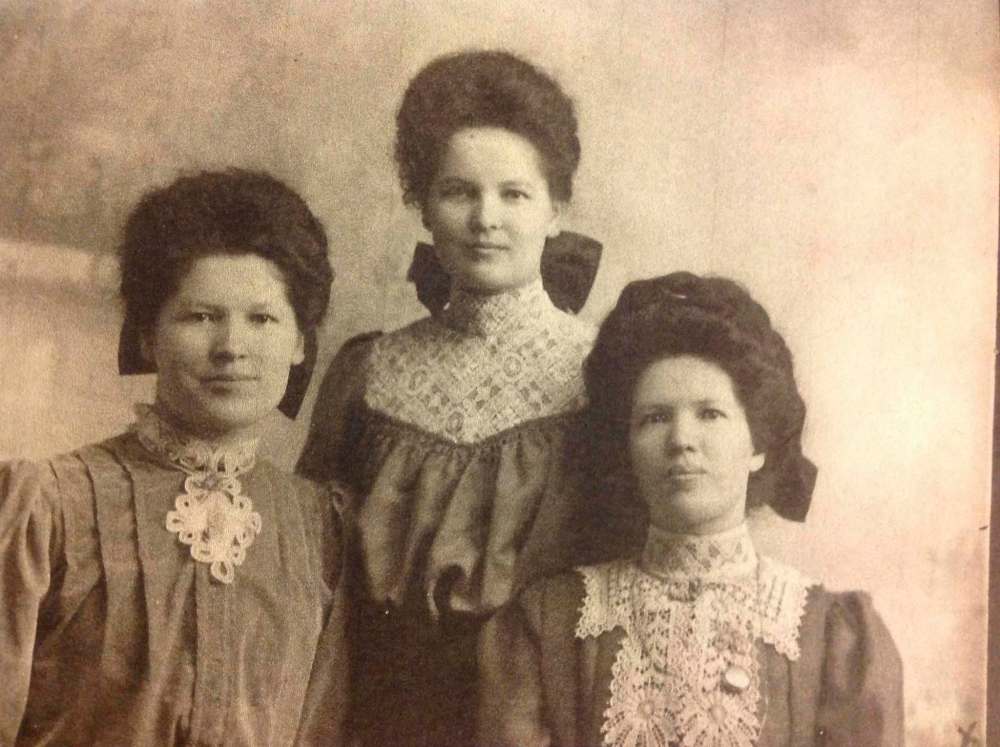
Courtesy of Kay Reynaud
Image of three of Catherine Kennedy Couture’s daughters
Courtesy of Kay Reynaud Image of three of Catherine Kennedy Couture’s daughters

As the author of 13 books, Neilsen Glenn had written about her immediate family, about loss and grieving, but it wasn’t until her Aunt Kay, the family historian, mentioned the tragic death of her great-grandmother that Neilsen Glenn started looking into her family history.

That work led Neilsen Glenn back to Red River and details of her family’s Cree/Métis background.

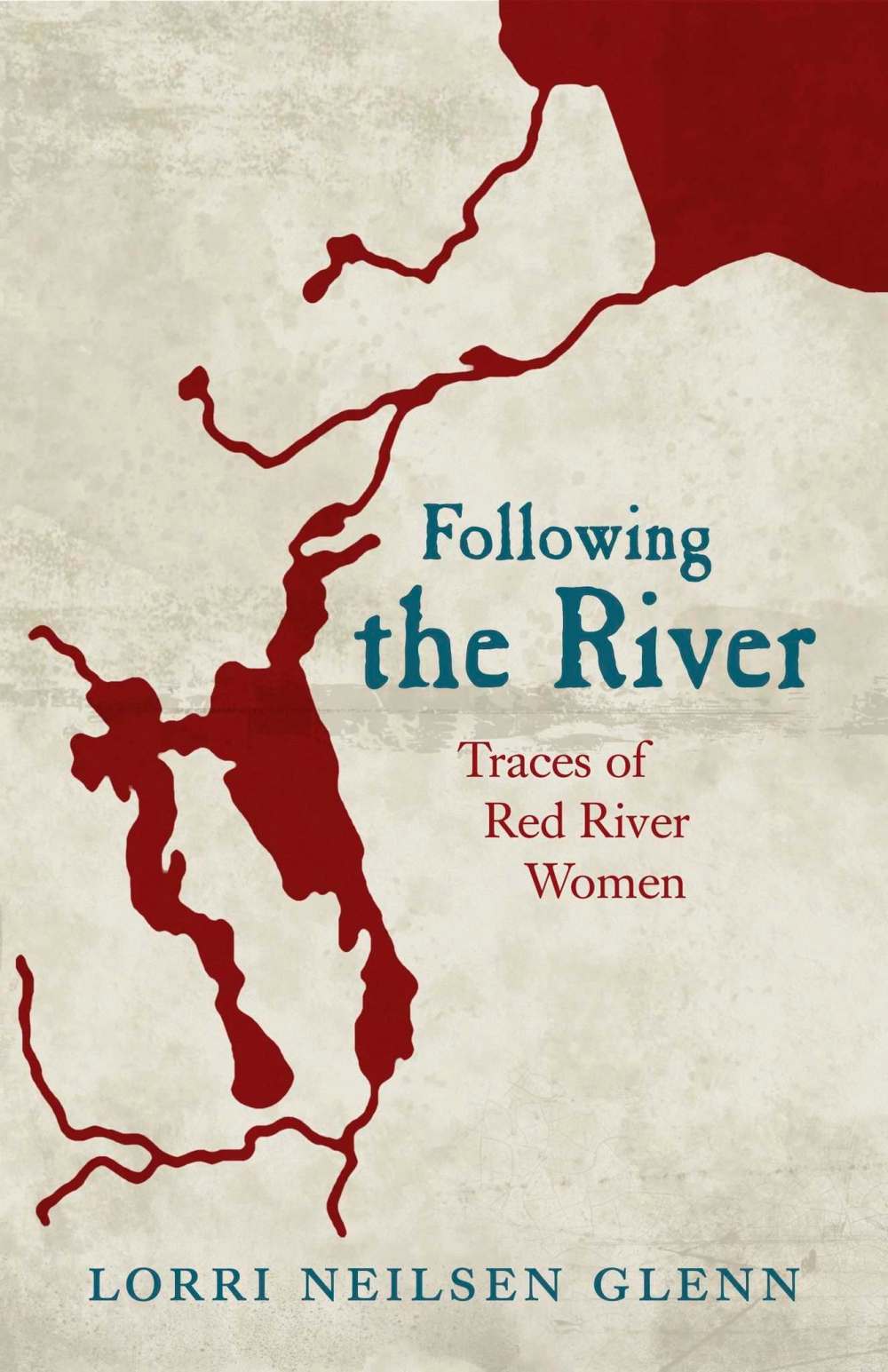
Neilsen Glenn will be reading from the resulting book, Following the River: Traces of Red River Women, at McNally Robinson on Thursday and at Gaynor Family Regional Library in Selkirk on Friday.

FP: What do you want people to know about Following the River: Traces of Red River Women?
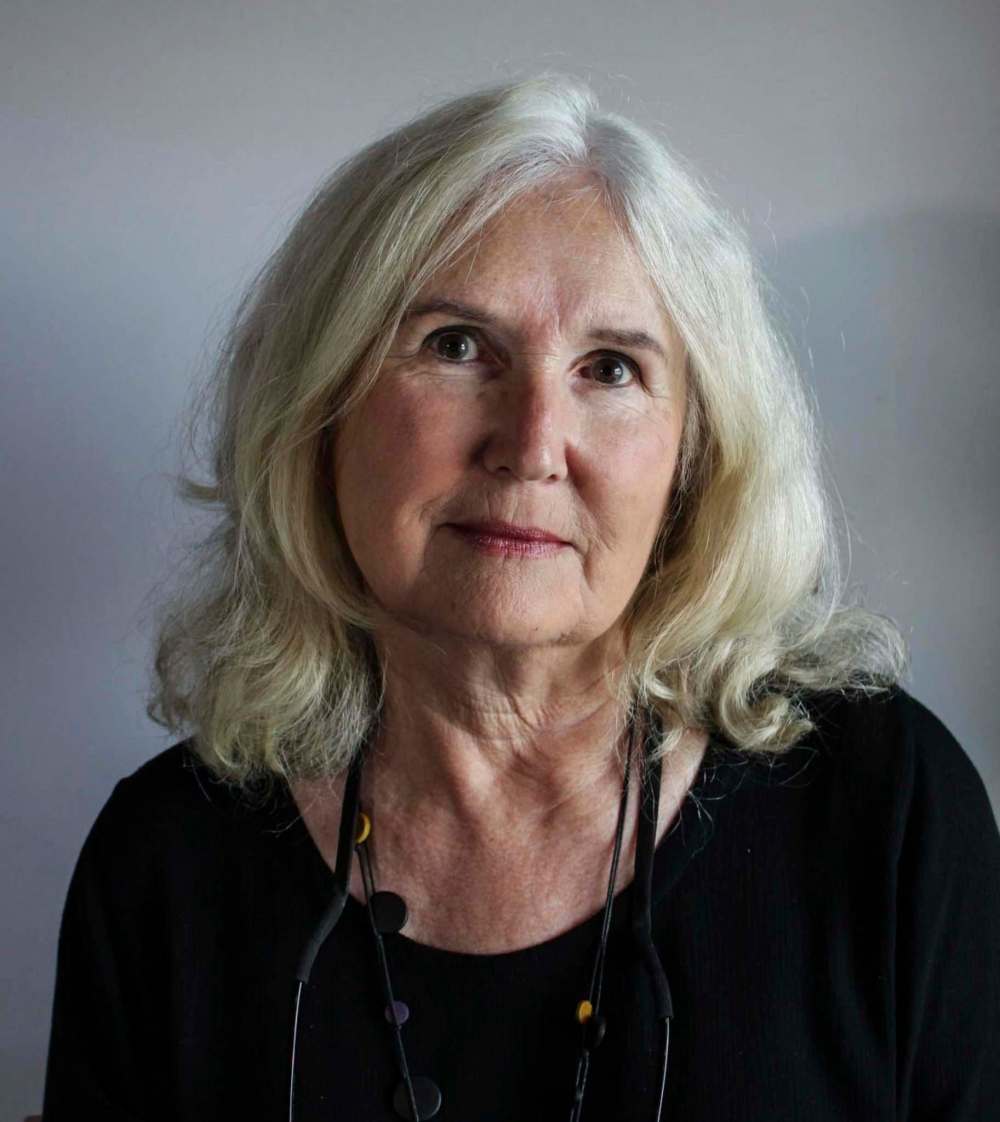
Lorri Neilsen Glenn, author of Following the River.

LNG: Red River women were key to post-contact life — translators, trip guides, workhorses, community builders, indispensable members of nations, and of HBC society.

My grandmothers and their contemporaries were tenacious and resilient, yet they were often dismissed, derided and their contributions ignored. Their stories are disappearing and this book gathers some of them.

FP: Why did you choose a mixed-genre form for the book?

LNG: Following the River includes poetry, prose and pieces dancing the line between, along with newspaper articles and old journal entries from fur traders, the clergy and explorers. The form matched the fragmented nature of what little historical material about Indigenous women is available. Writing between genres seemed to match the threshold lives of “half-breed” women who had to navigate both settler and Indigenous cultures.

FP: You’ve lived in Nova Scotia for many years now. Is this book a coming home of sorts for you?

LNG: I was born in Winnipeg and lived in several Prairie towns before moving to Nova Scotia in my 30s. Both Nova Scotia and the West feel like home.

As I dug into Red River history, though, I was shocked to realize my family had lived near Cree and Métis cousins in several towns and we didn’t know it. The names Erasmus, Budd, Kennedy are scattered across the Prairie provinces.

When I travelled to Norway House to visit the site of my great-grandmother’s death, suddenly my history became real — I met cousins.

FP: This book delves into Rupert’s Land history, tracing five generations of women back to York Factory and Red River. Growing up, did you know that you came from a long line of Métis women?

LNG: Yes and no. Aunt Kay, the 102-year-old keeper of our family stories, had mentioned Métis roots, but we had little information to go on.

I followed the story of Catherine Kennedy Couture’s death, and then worked back several generations.

I’ve known only settler culture and its privileges, and even though our Red River roots go back to the late 1700s — Ininiwak (Swampy Cree) and Métis both, many from Treaty 1 territory — I have not lived as Métis and no community claims me. I’m not alone in having a complicated identity.

My family has French, Scottish, and Irish roots, as well.

I wasn’t happy to discover among them two Indian agents and a mercenary who rode with Wolseley’s men against Riel.

FP: Why this book?

LNG: My writing often focuses on family, past and present. When I realized I knew far more about my settler background than my Cree/Métis background, I went to work.

Years later, I’m still learning what I should have known, and I continue to be in awe of the spirit and strength of these women.

– Ariel Gordon is a Winnipeg writer.
Report Error Submit a Tip

More Stories

Visitors from across Canada make Somerset restaurant’s social media challenge a success

Zoe Pierce 3 minute read Preview

Visitors from across Canada make Somerset restaurant’s social media challenge a success

Zoe Pierce 3 minute read Saturday, Jul. 25, 2026

There may not be another restaurant in Manitoba that can say it has welcomed visitors from as many communities across the province and beyond as the Somerset Food Bar & Lounge has this summer.

In just over a two week span, visitors from more than 100 towns have come out to the family-owned restaurant tucked away in Somerset, a community of roughly 450 people in the Pembina Valley 130 kilometres southwest of Winnipeg.

It started as a challenge, “60 Towns in 60 Days,” where the restaurant wanted to document how many different places they could reach, as it often sees people travelling across Canada stop at the restaurant. The goal was also to encourage people to make a drive they normally wouldn’t.

“The more we started sharing, the more people really started getting behind it, and it turned into this really big thing fairly quickly,” said Jay Friesen, restaurant manager.

Read
Saturday, Jul. 25, 2026

Bombers’ offence, defence, and special teams fail to show up against Stampeders

Taylor Allen 6 minute read Preview

Bombers’ offence, defence, and special teams fail to show up against Stampeders

Taylor Allen 6 minute read Saturday, Jul. 25, 2026

The Winnipeg Blue Bombers constantly preach the importance of playing three-phase football.

On Friday night, they went 0-for-3.

Their offence, defence, and special teams all played a significant role in losing 52-30 to the visiting Calgary Stampeders.

The team that erased a 17-point deficit to beat Ottawa last Sunday was nowhere to be found.

Read
Saturday, Jul. 25, 2026

What are we teaching children at the rodeo?

Danae Tonge 5 minute read 2:01 AM CDT

Every summer in Manitoba, rodeo season brings thousands of children to local rodeos and the Manitoba Stampede. They arrive with cowboy hats and cotton candy in hand, excitement in their eyes.

Yet, as a mother who works in education, I can’t help but wonder: what are we teaching them in those stands?

Inside classrooms, we teach children that kindness matters. We encourage empathy, discourage bullying and ask students to consider how their actions affect others. Students are taught that animals experience fear, pain and distress, just like us. Yet when school ends, we celebrate events built around chasing, restraining, roping and riding animals for entertainment.

This contradiction is difficult to ignore.

Anishinaabe Days teepee poles vandalized

Nicole Buffie 4 minute read Preview

Anishinaabe Days teepee poles vandalized

Nicole Buffie 4 minute read Updated: Yesterday at 8:16 PM CDT

An act of vandalism to a teepee at the Treaty One Development Corp’s Anishinaabe Days did not stop the celebrations from continuing over the weekend.

Someone deliberately cut the poles used to erect the site’s teepee before the event began, Treaty One executive director Jason Whitford said Sunday.

The family responsible for overseeing the teepee and its construction at the site, Naawi-Oodena  on Kenaston Boulevard, went to the site on Friday to erect the teepee when they noticed someone had taken a saw and cut all 15 of its poles in half.

“They were stored in a safe place, and they were stored properly as per protocol,” Whitford said. “They were in an area where there was no construction so they were isolated from any activity.”

Read
Updated: Yesterday at 8:16 PM CDT

In Conversation with Lorri Neilsen Glenn

Ariel Gordon  4 minute read Preview

In Conversation with Lorri Neilsen Glenn

Ariel Gordon  4 minute read Friday, Nov. 10, 2017

Lorri Neilsen Glenn is the former Halifax poet laureate and professor emerita at Mount Saint Vincent University.

As the author of 13 books, Neilsen Glenn had written about her immediate family, about loss and grieving, but it wasn’t until her Aunt Kay, the family historian, mentioned the tragic death of her great-grandmother that Neilsen Glenn started looking into her family history.

That work led Neilsen Glenn back to Red River and details of her family’s Cree/Métis background.

Neilsen Glenn will be reading from the resulting book, Following the River: Traces of Red River Women, at McNally Robinson on Thursday and at Gaynor Family Regional Library in Selkirk on Friday.

Read
Friday, Nov. 10, 2017

Dropping the gloves to make the point

Editorial 4 minute read Preview

Dropping the gloves to make the point

Editorial 4 minute read Saturday, Jul. 25, 2026

In hockey parlance, it’s called “shedding,” the moment in a game when you are forced to deal with an instigator by dropping (shedding) your gloves for an all-out brawl.

That term is a deep cut from hockey culture that Prime Minister Mark Carney — he of the “elbows up” phenomenon — may need to not only embrace but practise more often in the face of yet another round of overly punitive tariffs imposed by United States President Donald Trump.

To be fair, under Carney’s leadership, Canada has not exactly rolled over in the face of Trump’s bully-boy tactics.

Yes, Canada has made concessions to placate Trump to further a new continental trade agreement: investing more money to combat the cross-border flow of fentanyl that isn’t actually happening, stalling efforts to tax streaming companies as most European countries already do, and — most recently — giving Trump a cut of profits from the Canadian-made, Canadian-paid Gordie Howe bridge between Windsor and Detroit.

Read
Saturday, Jul. 25, 2026