In Conversation with M.C. Joudrey
Advertisement
Read this article for free:
or
Already have an account? Log in here »
To continue reading, please subscribe:

Digital Subscription
One year of digital access for only $205*
- Enjoy unlimited reading on winnipegfreepress.com
- Read the E-Edition, our digital replica newspaper
- Access News Break, our award-winning app
- Play interactive puzzles
*First annual payment billed as $205.00 + GST for one year. This annual subscription will automatically renew at $233.00 + GST every 52 weeks (10% off the regular annual price of $259.35). Offer available to new and qualified returning subscribers only. Cancel any time.
To continue reading, please subscribe:
Add Free Press access to your Brandon Sun subscription for only an additional
$1 for the first 4 weeks*
- Enjoy unlimited reading on winnipegfreepress.com
- Read the E-Edition, our digital replica newspaper
- Access News Break, our award-winning app
- Play interactive puzzles
*Your next Brandon Sun subscription payment will increase by $1.00 and you will be charged $17.95 plus GST for four weeks. After four weeks, your payment will increase to $24.95 plus GST every four weeks.
Read unlimited articles for free today:
or
Already have an account? Log in here »
Hey there, time traveller!
This article was published 13/04/2019 (2661 days ago), so information in it may no longer be current.
For the past few weeks, M.C. Joudrey has stood at the back of McNally Robinson Bookseller’s atrium, watching proudly as Karen Clavelle and Robert Pasternak launched their books.
As the publisher of At Bay Press, Joudrey is responsible for making manuscripts into finished books. He supervises editorial, design and marketing efforts.
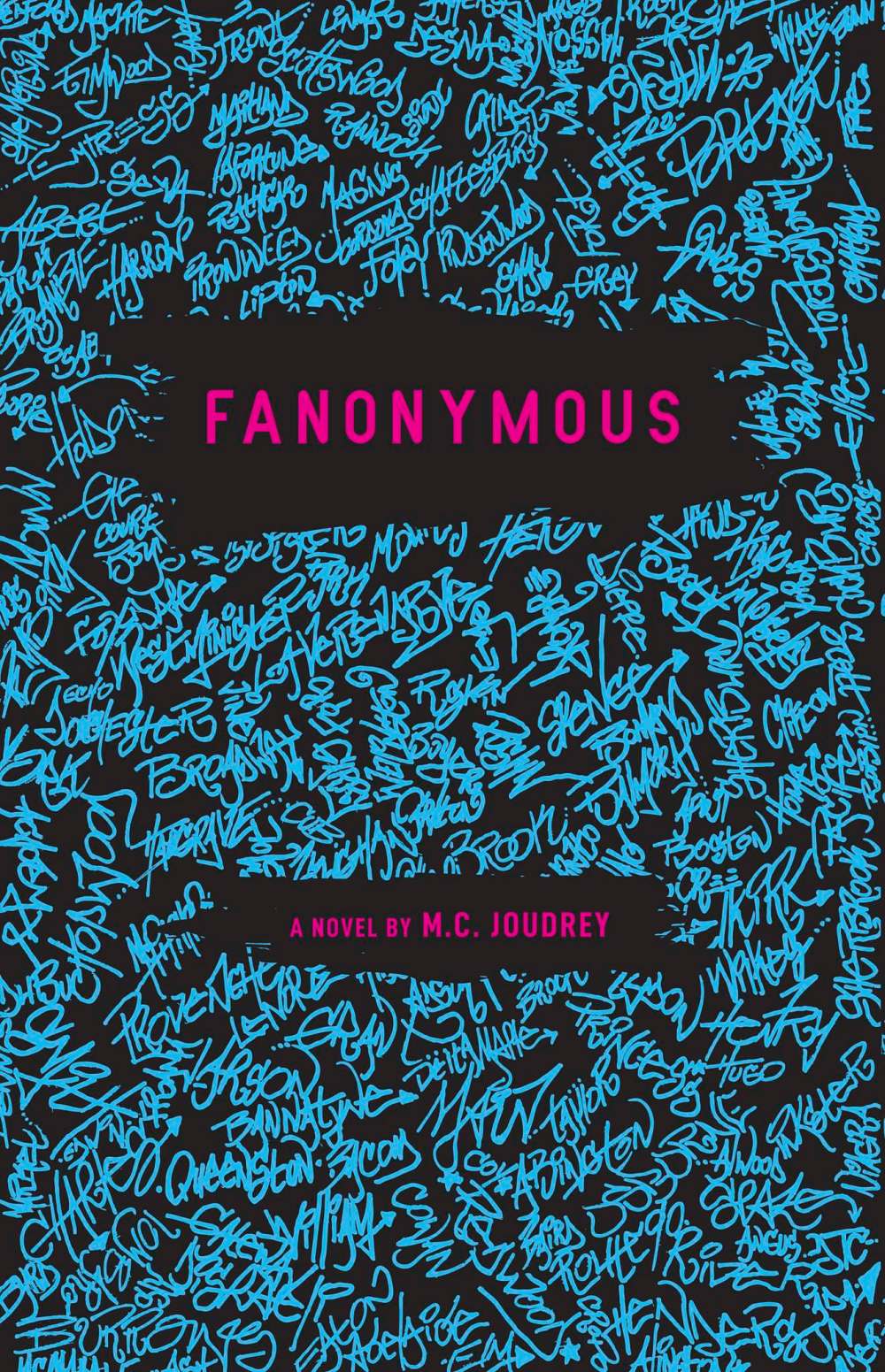
But Joudrey is also a writer and artist, and on Tuesday, April 16, he’ll be launching his own book, a novel called Fanonymous.

Winnipeg Free Press: What do you want people to know about Fanonymous?
M.C. Joudrey: There’s a part in the novel where all the cars in the city stop running, it’s a sudden thing and the rest of the world figures Winnipeg and its citizens will descend into riot and chaos. In fact, nothing like that happens. The narrator observes that the city’s citizens just suck it up and start walking, or riding their bikes. Taking it in stride like it’s a bad snow day. Resilient, that’s how I see Winnipeggers, and that’s part of this novel.
WFP: Fanonymous is your third novel. What have you learned about your process so far, or do you have a new process for every project?
MCJ: When I’m on the move, I always keep a notebook on me and that seems to help keep ideas collected, and then I try to flesh them out, see if it turns into something. In writing about Winnipeg for this book, I wanted to dedicate a lot of time to it as if it was a main character. Or a silent witness. I did a lot of research. In particular, the CNIB was a big help to me in developing a specific character.
WFP: You’re originally from Toronto and your family is based on the East Coast, yes? Is this book your long answer to the question Winnipeggers ask new residents: “Why did you move HERE?”
MCJ: Actually, I’m originally from Nova Scotia and most of my family is there. My wife and I lived in Toronto before heading west to Winnipeg. We started the press together there. And yes, I still get asked that question about living here. It’s a good question! But I don’t really have a concise answer to it. Writing is a good way to explore the subject of belonging, of uprooting from one place and trying to lay down roots in another. I wanted to share that experience.
WFP: This book includes that herd of runaway bison, a herbal tea that acts as mosquito repellent and a pomegranate tree growing at Portage and Main. Was it fun to take all the usual Winnipeg things and then torque them just slightly and produce a surreal version of the city?
MCJ: Advance readers and reviewers have actually been in touch with me to ask if Winnipeg really does have a pomegranate tree in the middle of the windiest intersection in the world. There’s always been this underlying sense of outsider bewilderment with Winnipeg, in that the strangest things can and have happened here. The idea that people believe the fiction feels like a touch of Orson Welles’ The War of the Worlds.
WFP: Your main character Jack is a “infamous guerilla street artist” on the run from authorities. What about that role — part artist, part vandal and part activist — appeals to you?
MCJ: I like Jack a lot. He captures the way we feel when we know something is wrong, but believe it’s just the way it is, so we live with it. I believe we must reveal our humanity in order to see larger system changes in government, law enforcement, etc., and sometimes that means breaking the law. I am fascinated with urban artform and how it can be both powerful or invisible; that art can be put on building walls and the public can choose to see it or not. There’s an irrefutable authenticity to illegal wall art. It just depends on who’s paying attention. In the novel, Jack is recognized for his influential art, but his identity remains unknown. In a way, he transcends his own anonymity to a point of fame. The title of the novel is playful use of that dichotomy.
WFP: Who are your influences?
MCJ: For this book specifically, I was paying close attention to anonymous citizens in Winnipeg. Or, at least, anonymous to me. There was this guy waiting at a bus stop on Portage Avenue. He was an older man wearing a zip-up jumpsuit in head-to-toe tiger print. It was winter (isn’t is always)? Everyone around him was in muted tones. It was like seeing a unicorn. The man became a character in the book.

WFP: In addition to being a writer, you’re also a publisher and a bookbinder. How do you balance all those roles?
MCJ: I don’t. I balance nothing. I accomplish some things and fail at most. I just keep the failures to myself. Failure has been my best teacher, though. Failure is OK.
Ariel Gordon is a Winnipeg writer.