Japanese plane crash gets novel treatment
Advertisement
Read this article for free:
or
Already have an account? Log in here »
To continue reading, please subscribe:

Digital Subscription
One year of digital access for only $205*
- Enjoy unlimited reading on winnipegfreepress.com
- Read the E-Edition, our digital replica newspaper
- Access News Break, our award-winning app
- Play interactive puzzles
*First annual payment billed as $205.00 + GST for one year. This annual subscription will automatically renew at $233.00 + GST every 52 weeks (10% off the regular annual price of $259.35). Offer available to new and qualified returning subscribers only. Cancel any time.
To continue reading, please subscribe:
Add Free Press access to your Brandon Sun subscription for only an additional
$1 for the first 4 weeks*
- Enjoy unlimited reading on winnipegfreepress.com
- Read the E-Edition, our digital replica newspaper
- Access News Break, our award-winning app
- Play interactive puzzles
*Your next Brandon Sun subscription payment will increase by $1.00 and you will be charged $17.95 plus GST for four weeks. After four weeks, your payment will increase to $24.95 plus GST every four weeks.
Read unlimited articles for free today:
or
Already have an account? Log in here »
Hey there, time traveller!
This article was published 05/05/2018 (3057 days ago), so information in it may no longer be current.
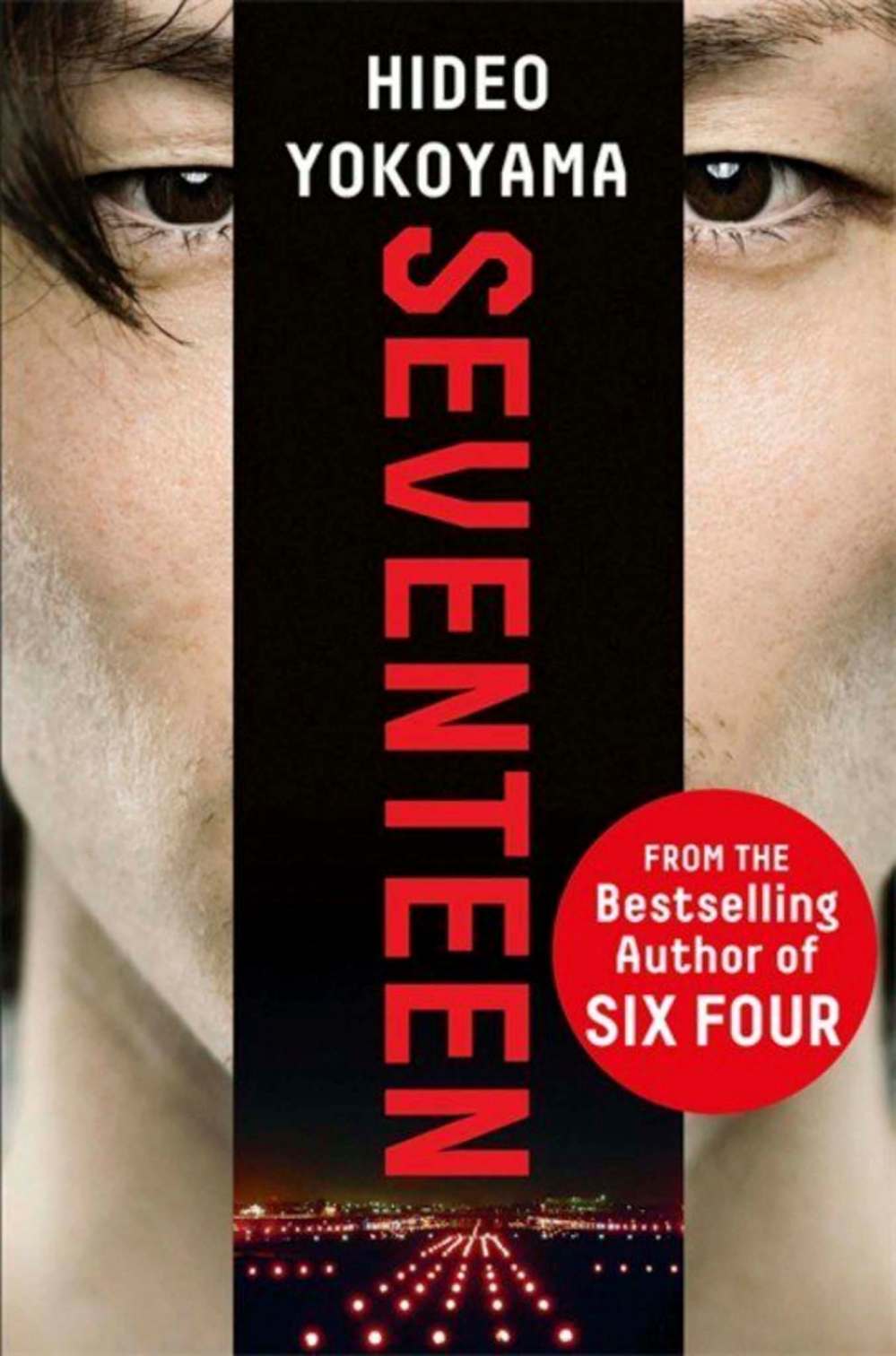
Japanese novelist Hideo Yokoyama is new to English readers, but is a regular James Patterson in his home country. The one-time newspaper reporter has won every kind of Japanese-language mystery and crime fiction award in his two decades as a professional novelist.
But this latest release — only his second novel to be translated to English, after 2016’s Six Four — hearkens to Yokoyama’s newsman roots, fictionalizing his own experiences as a local reporter in rural Japan during the 1985 Japan Airlines (JAL) disaster. A staggering 520 people died when a Boeing 757 crashed into the mountains — and it happened right on his doorstep.
Yokoyama aims to transport readers to that time and place, and to experience what he experienced. The decision to write a novel rather than a memoir was a good one; the emotional core is the same, but his well-realized characters and strong thematic throughline, even in translation, are what pull the whole thing together.
The path to clear and honest reporting is not a straightforward one, and in the chaos of the 1985 disaster it is more difficult still. Protagonist Yuuki, a grizzled crime beat veteran, is forced into the task of running the JAL crash desk, which he does initially with great ambivalence. The lone wolf reporter has demons, and leadership has been thrust upon him.
Yuuki is not the only one with darkness in his depths. He and his colleagues in the newsroom are less a team than a fluid conglomeration of alliances, rivals and reluctant allies. Virtually all of them are flawed heroes, clumsily striving for what amounts to a Platonic ideal: perfect journalistic truth.
Though the bulk of the text is set during that first critical week after the crash in August of 1985, the novel jumps forward 17 years (hence the title) in occasional brief flash forwards, and the dual storylines dovetail nicely, with the final 2002 passages acting effectively as epilogue for the main narrative. These also act as useful foreshadowing, though the reader is left guessing until the end how all the story threads will resolve.
The narrative prose is generally plain and unobtrusive, with dialogue most often moving the plot forward. As with any translation into English, and especially one from a non-Western culture, there are clunky moments, the translator perhaps over-explaining a literally foreign viewpoint with mixed results. The story and characters are compelling enough that these moments become less and less noticeable the further one reads.
The clearest trace evidence of Yokoyama’s crime fiction pedigree is in Yuuki’s layered character. He understands and empathizes with everyone, but that doesn’t mean he’s able to connect with them — not his longtime colleagues and not his teenage son.
Like a newsman version of Sam Spade or Philip Marlowe, Yuuki serves the people, but can’t seem to get along with them. Unlike those gritty icons of hard-boiled history, however, Yuuki is not, at his core, a misanthrope. He is trying to learn to connect and one cannot help but root for him.
To this day, the 1985 JAL 123 crash is the most deadly single aircraft accident in aviation history. For the families of the victims, the police, government employees, reporters, locals and the Japanese citizenry at large, it was a period in time they will remember for the rest of their lives. Yokoyama manages to give some sense of what it was like to live through such an overwhelming and all-consuming event.
It is often said a disaster is something people want to look away from but can’t. Yokoyama’s story, however, has a redemptive quality that readers can take away with them.
Joel Boyce is a Winnipeg writer and educator.