Link’s magic realist stories bring complex characters
Advertisement
Read this article for free:
or
Already have an account? Log in here »
To continue reading, please subscribe:

Digital Subscription
One year of digital access for only $205*
- Enjoy unlimited reading on winnipegfreepress.com
- Read the E-Edition, our digital replica newspaper
- Access News Break, our award-winning app
- Play interactive puzzles
*First annual payment billed as $205.00 + GST for one year. This annual subscription will automatically renew at $233.00 + GST every 52 weeks (10% off the regular annual price of $259.35). Offer available to new and qualified returning subscribers only. Cancel any time.
To continue reading, please subscribe:
Add Free Press access to your Brandon Sun subscription for only an additional
$1 for the first 4 weeks*
- Enjoy unlimited reading on winnipegfreepress.com
- Read the E-Edition, our digital replica newspaper
- Access News Break, our award-winning app
- Play interactive puzzles
*Your next Brandon Sun subscription payment will increase by $1.00 and you will be charged $17.95 plus GST for four weeks. After four weeks, your payment will increase to $24.95 plus GST every four weeks.
Read unlimited articles for free today:
or
Already have an account? Log in here »
Hey there, time traveller!
This article was published 16/07/2016 (3744 days ago), so information in it may no longer be current.
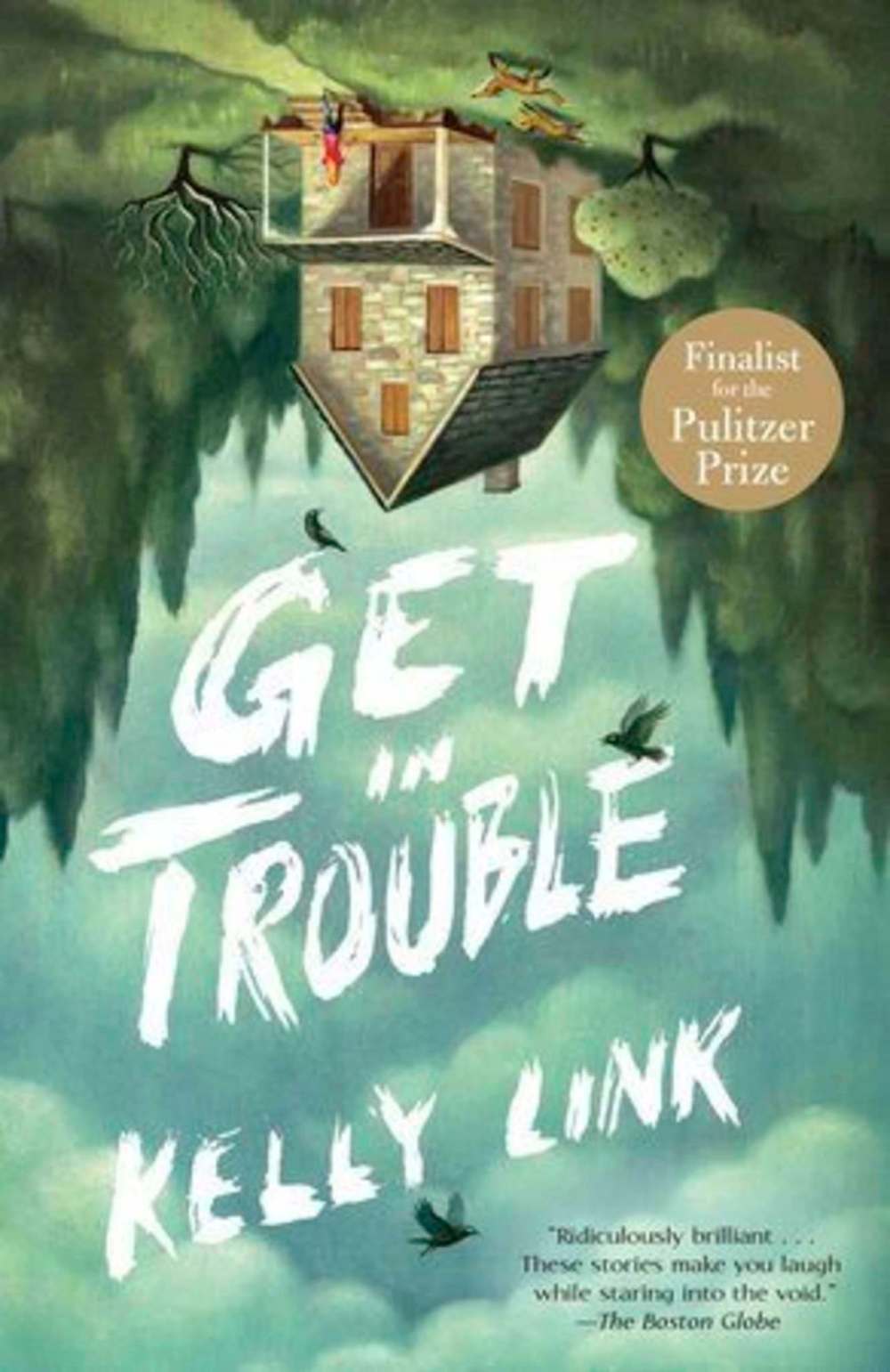
American writer Kelly Link has earned her accolades. Her place on the shortlist for this year’s Pulitzer Prize for fiction is the latest in a string of formal critical recognition over the years. Nevertheless she is still read less than she ought to be.
This may be because she writes short fiction, which sells less well than novels do. Or perhaps it’s because, as an author, Link averages five years between books. Or it might be a question of category. Link writes about zombies, superheroes, failed marriages and surrogate mothers; new readers may be unsure where she fits.
In fact, Link writes magical realism, many-layered tales of complex, fully realized human beings in settings and situations far less constrained to reality than traditional mainstream works. The marriage of literary style and character depth with the surrealist plots and settings traditional to fantasists dates at least as far back as the adjectival German-language writer Franz Kafka.
Argentine Jorge Luis Borges turned it into a movement then synonymous with Latin American lit, while Kyoto-born Haruki Murakami has made it into a worldwide phenomenon. Link’s particular twist on the frequently non-English-language genre, which feels at turns like anything from American gothic to pop-culture meta-fiction to a postmodern fairy tale, is even harder to describe.
In Secret Identity, the story’s protagonist and narrator is writing an email to explain herself to Paul Zell. She’s fallen for him in an online co-operative game where people pretend to be elves, wizards or trolls, and has been cribbing details of her 30-something sister’s life to hide from him the fact that the person typing these messages is a high school student.
On the way to a face-to-face meeting she stumbles into a superhero convention — at the same hotel as a dentists’ convention — at which every other minor name in crimefighting tries to recruit her as their sidekick.
The Lesson is about early middle-age, the challenges of a long-term relationship, and the raw, manic happiness and medical horror of your first child. In it, a gay couple, Thanh and Harper, have arranged for a surrogate mother, six months along at the time the story opens.
Though at a wedding on a haunted island with no cellular service, their real fears are closer to home: what if the woman decides she wants to keep the surrogate fee (all their savings) but not give up the baby? What if something goes wrong with the pregnancy, or childbirth? What if they aren’t ready to be a family?
The New Boyfriend has the darkly fantastic, almost Bradburian mood (à la Something Wicked This Way Comes) that Link is best known for. A group of four friends, all teenage girls, are celebrating the birthday of their erstwhile leader, the one girl who has it all, including — wrapped up in a big, shiny box — a brand new Boyfriend, third in a set.

That each boyfriend is a cute monster, a vampire boyfriend or a werewolf (with swappable head) programmed to slow dance, spew out teenage clichés of everlasting love, and follow around their owners like puppies makes perfect sense. Surely they’ll be on shelves soon. But this story isn’t about consumerism — it’s about the heart of darkness in all of us and the real emotional danger of a turbulent period in life.
Link likes to pull on the tattered edges of a reader’s psyche, grab a thread and imagine how they might unravel. She doesn’t exclusively write unhappy endings, but her characters face real threat. The meanings and metaphors each story is steeped in are difficult to deconstruct on a first read-through, which isn’t to say that Link is defined by being a challenging writer.
On the contrary — her stories are absorbing, with a ring of truth and sense of real existential danger that make them thrilling to read. It is possible to simply enjoy a tale by Link without analyzing it.
But a single read-through just isn’t enough to wring out all that she’s put in, or even most. As with her previous collections, Get in Trouble is something thoughtful readers will want to keep permanently on their shelves, to read and re-read.
Joel Boyce is a Winnipeg writer and educator.