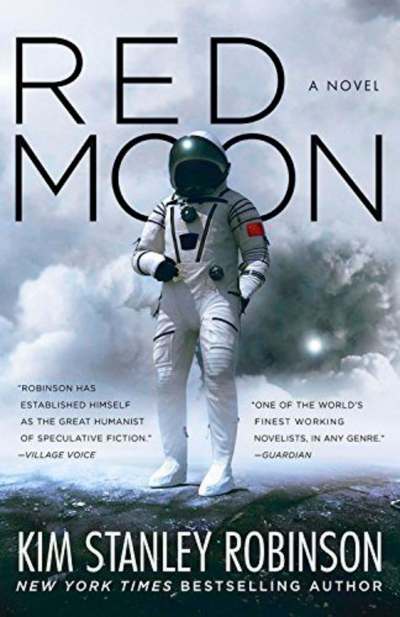
Lunar colony’s problems eerily familiar
Advertisement
Read this article for free:
or
Already have an account? Log in here »
To continue reading, please subscribe:
Digital Subscription
One year of digital access for only $1.44 a week*
- Enjoy unlimited reading on winnipegfreepress.com
- Read the E-Edition, our digital replica newspaper
- Access News Break, our award-winning app
- Play interactive puzzles
*Billed as $5.77 plus GST every four weeks. After 52 weeks, price increases to the regular rate of $19.95 plus GST every four weeks. Offer available to new and qualified returning subscribers only. Cancel any time.
To continue reading, please subscribe:
Add Free Press access to your Brandon Sun subscription for only an additional
$1 for the first 4 weeks*
- Enjoy unlimited reading on winnipegfreepress.com
- Read the E-Edition, our digital replica newspaper
- Access News Break, our award-winning app
- Play interactive puzzles
*Your next Brandon Sun subscription payment will increase by $1.00 and you will be charged $17.95 plus GST for four weeks. After four weeks, your payment will increase to $24.95 plus GST every four weeks.
Read unlimited articles for free today:
or
Already have an account? Log in here »
Hey there, time traveller!
This article was published 29/12/2018 (2850 days ago), so information in it may no longer be current.
If you can’t afford the seven- or eight-figure ticket price for a commercial space flight around the moon, you could do worse than a Kim Stanley Robinson novel as your backup. Certainly the price is right, but the American writer is also rightly lauded for his ability to bring humanity to stories set in alien worlds.
Perhaps Robinson’s strength in character development is an outgrowth of his exhaustive technical research. His series on the first human extraterrestrial settlement — Red Mars, Green Mars and Blue Mars — nearly dominated the awards circuit in the mid-1990s. What made it so immersive is that Robinson was as precise and knowledgable about details such as operating a drill in -200 degree Martian weather as he was about the psychological and sociological effects of living in close quarters on an alien planet with 99 other people who will never return to Earth.
(Or Robinson could be a time traveller, and his stories are truly future histories after all.)
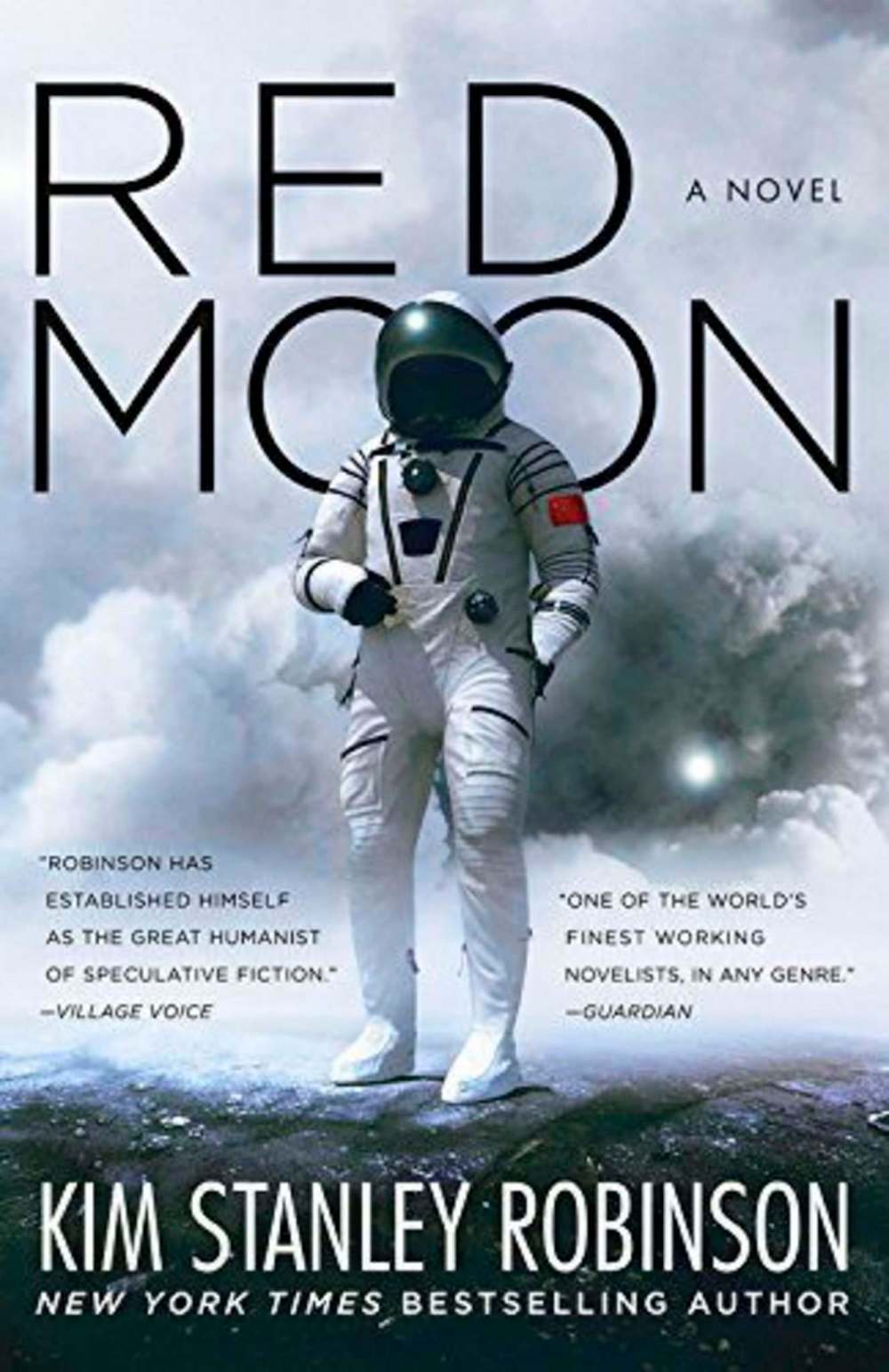
Either way, it’s clear why Arthur C. Clarke thought Red Mars should be “required reading for the colonists of the next century.” Should Red Moon be required reading for the lunar tourists of the next decade? If so, surely not only them.
The characters in Robinson’s new stand-alone novel are only two decades and change ahead of us, but in that time the club of moon-walkers has grown substantially from the 12 who took that giant leap from 1968 to 1972. By the 2040s, the moon is an actual place you can go to, not just a celestial body or near-mythic past achievement. And it’s Communist China that makes it so, building a tiny city of research stations and government buildings around the lunar south pole while NASA struggles to catch up, focusing on the North.
Celebrities, high-ranking tech sector employees and connected party members in the People’s Republic of China can swing a ticket to Earth’s satellite — not merely billionaires.
But the Outer Space Treaty of 1967 notwithstanding, the moon is a non-political space in name only, and the problems of Earth find their way to any place humans exist, as a hapless American and his two savvier Chinese friends soon discover.
The political plot is not intrigue for intrigue’s sake. As with the Mars novels, Robinson has plausibly extrapolated one of the ways lunar colonization might happen using a snapshot of 2018 geopolitics as his starting point. Political and economic forces are as relevant to this question as scientific and technological ones.
Robinson’s major characters get a worm’s-eye view of these forces at the frayed edges where the ideologies and interests of global powers collide. For as long as they can avoid being crushed by the machinery of either state, the perspective of the story’s heroes illuminates a larger picture of humanity’s possible future on this mysterious, inhospitable, romantic chunk of rock.
Red Moon is a worthy spiritual successor to the breakout work it calls back to, which had enchanted so many readers with the idea of being Martian colonists.
As with that earlier work, this story can be enjoyed by those adventurous at heart, without testing the resolve of their stomach.
Joel Boyce is a Winnipeg writer and educator.