Murder most foul
Victorian-era serial killer's deadly deeds documented
Advertisement
Read this article for free:
or
Already have an account? Log in here »
To continue reading, please subscribe:

Digital Subscription
One year of digital access for only $205*
- Enjoy unlimited reading on winnipegfreepress.com
- Read the E-Edition, our digital replica newspaper
- Access News Break, our award-winning app
- Play interactive puzzles
*First annual payment billed as $205.00 + GST for one year. This annual subscription will automatically renew at $233.00 + GST every 52 weeks (10% off the regular annual price of $259.35). Offer available to new and qualified returning subscribers only. Cancel any time.
To continue reading, please subscribe:
Add Free Press access to your Brandon Sun subscription for only an additional
$1 for the first 4 weeks*
- Enjoy unlimited reading on winnipegfreepress.com
- Read the E-Edition, our digital replica newspaper
- Access News Break, our award-winning app
- Play interactive puzzles
*Your next Brandon Sun subscription payment will increase by $1.00 and you will be charged $17.95 plus GST for four weeks. After four weeks, your payment will increase to $24.95 plus GST every four weeks.
Read unlimited articles for free today:
or
Already have an account? Log in here »
Hey there, time traveller!
This article was published 12/06/2021 (1924 days ago), so information in it may no longer be current.
There’s an old comic opera, still beloved, in which a character sings: “Things are seldom what they seem. Skim milk masquerades as cream.”
When Englishmen Gilbert and Sullivan introduced this metaphor in the debut of their musical HMS Pinafore in 1878 London, little did they know they were perfectly describing a serial killer who would come to be living and murdering among them.
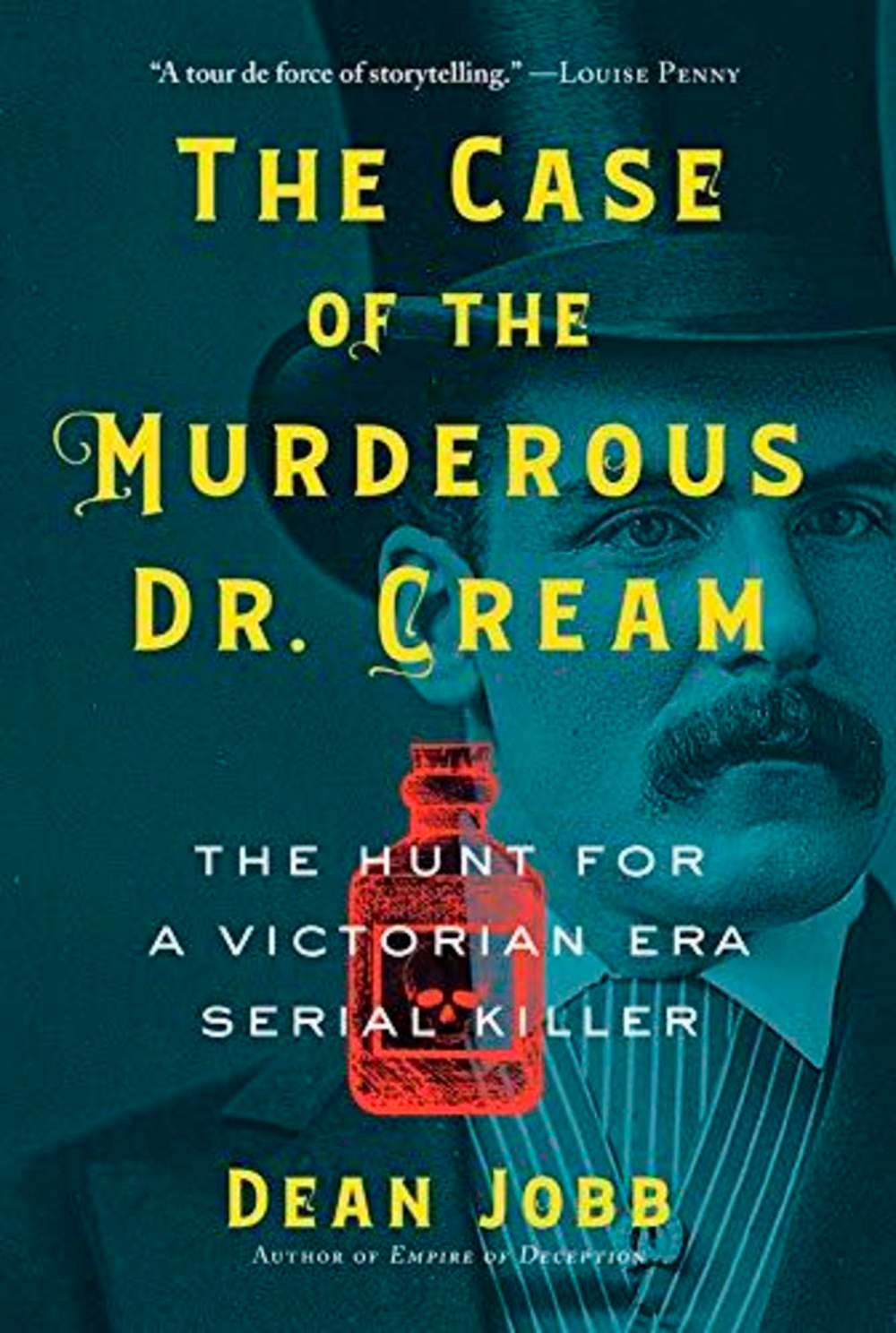
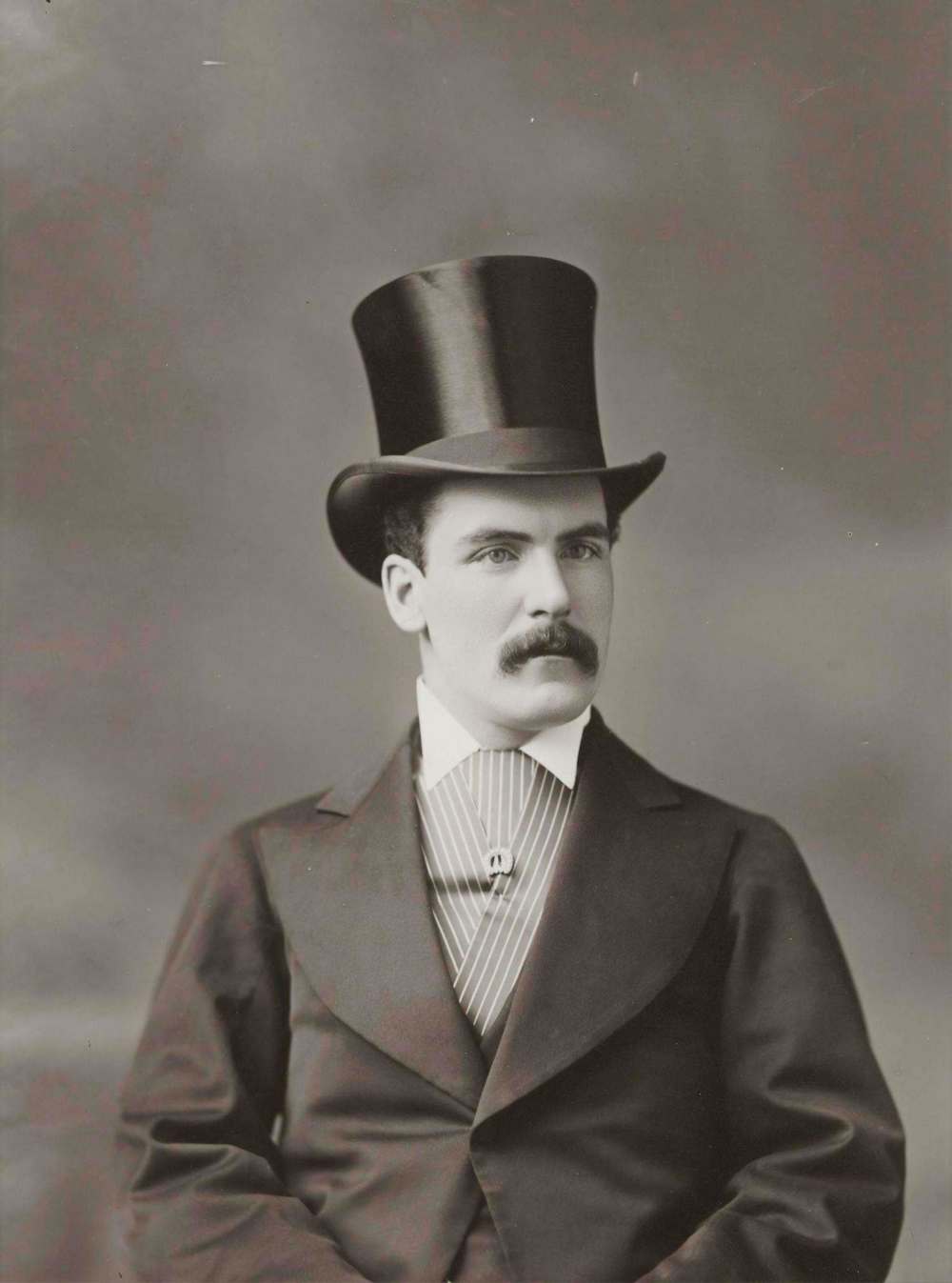
Dr. Thomas Neill Cream, a Scottish-Canadian accepted on sight as a gentleman of the upper crust, had already begun in secret to slide deep down the social order as his real self: a heartless, relentless murder machine.
Author Dean Jobb is on the faculty at the University of King’s College in Halifax, and has long been a respected contributor to the true crime genre. His book is an exciting whodunit even when you know who did.
Another name for this killer could easily have been (in flippant Fleet Street parlance) Toff Terror in a Top Hat.
Dr. Cream, born in grimy Glasgow in 1850 and a graduate of McGill University’s prestigious medical school in Montreal in 1876, is believed to have, in 15 years, fatally poisoned up to 10 people (or even more) in Canada, the U.S. and, in the end, England. About the closest he ever got to practising medicine — he came from a very wealthy Montreal family, but later disinherited — was as an abortionist.
Among those he killed were young and unmarried pregnant women seeking to abort as well as the husband of his mistress (she failed to collect his life insurance).
He was thought to be responsible for five other attempted poisonings and the attempted blackmail of seven others.
Cream killed with strychnine, delivering a prolonged, excruciating death.
What distinguishes Jobb’s chronicle of this hunt for a Victorian-era serial killer is the length to which he goes to weave a pattern of clumsy police work, juvenile science, systemic indifference and official corruption that kept Dr. Cream from the gallows for so long. And his address of the numbing regard and treatment of women in Victorian times — especially of unmarried pregnant, widowed and abandoned women — tugs at the heart.
Jobb also does the unusual in true crime: he describes in detail the lives of Cream’s victims. The scholarship he employed to tell this story is staggering.
Cream did spend significant time in a U.S. prison for one murder in 1881, but was released early for good behaviour (or maybe a bribe). For years he got away with other killings (before and after his imprisonment) because detectives in those days were often more gumshoes than trained professionals, although there were exceptions, including the Scotland Yard detective who caught him in the end. More importantly, Cream picked his victims at random, which meant there was nothing to link him to his crimes (other than in the mistress-related one for which he did time.)
On top of that, the science of detection was so new that a procedure called bertillonage, invented by a clerk named Bertillon in the Paris police, was heralded as a great advance because it could, by measuring the body’s feet, ears and fingers, identify a repeat offender. The system led nowhere in detecting crime or culprit, and fingerprinting was still developing. (Likewise, a dubious process called phrenology was gaining popularity. It claimed to identify personality by the bumps on the human skull.)
And if you brought up the subject of deductive reasoning in solving crime, some cops would likely have thought it had something to do with arithmetic (although with the introduction of the fictitious detective Sherlock Holmes, author Sir Arthur Conan Doyle was changing all that.)
Dr. Cream did Scotland Yard a favour. His high-profile arrest and hanging in 1892 helped restore public confidence in the Yard after its failure to even identify another serial killer, Jack the Ripper, let alone catch him.
Barry Craig once observed a researcher in Chicago use prone young women in bikinis in a huge glass tube to try to identify individuals by their odour. It went nowhere, but sure was fun to watch.