Predator and prey: Wolves crucial to ecological balance, author argues
Advertisement
Read this article for free:
or
Already have an account? Log in here »
To continue reading, please subscribe:

Digital Subscription
One year of digital access for only $205*
- Enjoy unlimited reading on winnipegfreepress.com
- Read the E-Edition, our digital replica newspaper
- Access News Break, our award-winning app
- Play interactive puzzles
*First annual payment billed as $205.00 + GST for one year. This annual subscription will automatically renew at $233.00 + GST every 52 weeks (10% off the regular annual price of $259.35). Offer available to new and qualified returning subscribers only. Cancel any time.
To continue reading, please subscribe:
Add Free Press access to your Brandon Sun subscription for only an additional
$1 for the first 4 weeks*
- Enjoy unlimited reading on winnipegfreepress.com
- Read the E-Edition, our digital replica newspaper
- Access News Break, our award-winning app
- Play interactive puzzles
*Your next Brandon Sun subscription payment will increase by $1.00 and you will be charged $17.95 plus GST for four weeks. After four weeks, your payment will increase to $24.95 plus GST every four weeks.
Read unlimited articles for free today:
or
Already have an account? Log in here »
Hey there, time traveller!
This article was published 03/06/2017 (3369 days ago), so information in it may no longer be current.
In Wolf Nation, Brenda Peterson’s subject is her great passion: the survival of the American wolf. These animals, described by the author as the creatures most like humans, were once considered by many indigenous people to be not animals, but rather another clan of their nation.
Peterson writes both fiction and non-fiction, but her subjects are often animals. In addition to this fine book about the American wolf she has written books such as Sightings: The Gray Whales’ Mysterious Journey. She is an environmentalist who grew up with a father who hunted for the table and taught her to respect the animals that die to feed us. Her shorter pieces are often heard on National Public Radio and found online on The Huffington Post.
With the coming of homesteaders and ranchers to the wolf’s habitat, the animals became a “pest” to be eradicated and the Department of Agriculture, the U.S. Forest Service and other agencies organized and joined in the campaign. Their goal was to preserve the wilderness and manage it for their own use, and wild predators like the wolf had no place in the scheme.
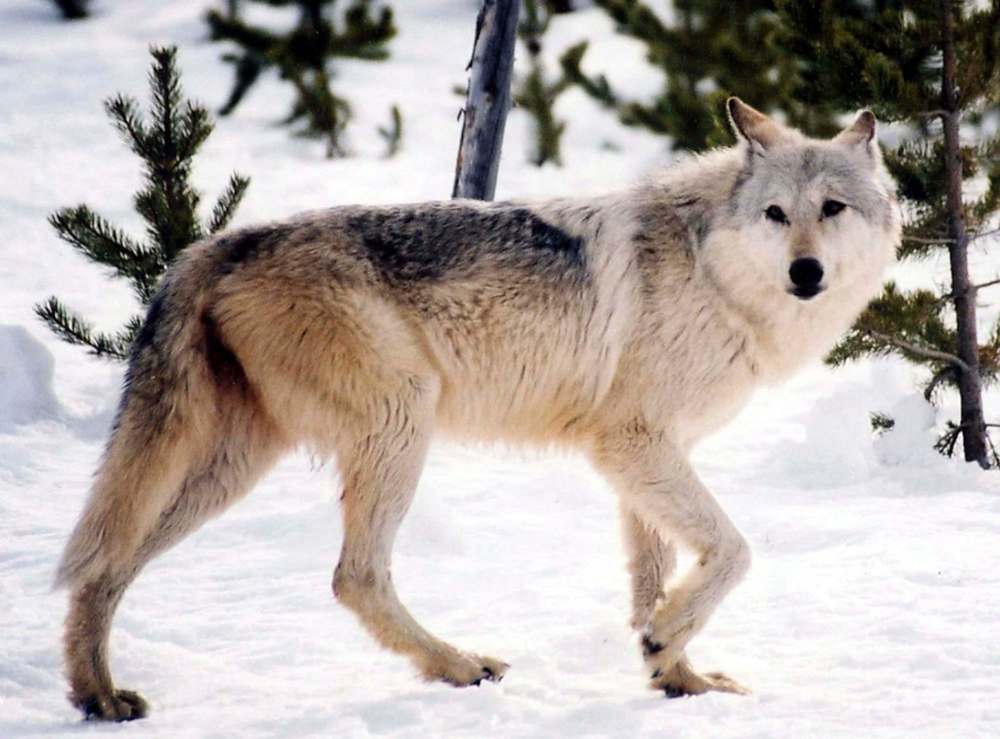
To this day, there are lobbyists and hunters who want to eliminate wolves to protect livestock and increase the number of game animals such as elk and deer available for human hunters. Peterson describes the continuing campaign, funded by people such as the Koch brothers, to not only remove the protected status of animals such as wolves, but to turn national parks and refuges into private land.
Peterson is an important member of the coalition of scientists and interested citizens determined to stop this campaign, and Wolf Nation is an extended argument for protecting wolves and allowing them to perform their natural function in the environment. She brings the writings of Henry David Thoreau, Ernest Thompson Seton, Theodore Roosevelt and Aldo Leopold about wolves into her corner, while introducing contemporary conservationists such as Rick McIntyre, a biologist who studies wolves in Yellowstone National Park and who makes arguments in favour of wolves.
One of the great victories of the conservationists has been the re-introduction of wolves into Yellowstone as well as Alaska’s Denali Park. Peterson describes how, since the introduction of Canadian wolves into Yellowstone 20 years ago, the animals have developed a stable population of 99 animals organized in 10 packs. They are better ecologists than people, she argues, only killing as much prey as they actually need.
Peterson introduces us to many individual animals, demonstrating that wolves are highly intelligent and admirable creatures. She tells the story of the Yellowstone wolf called No. 10 by the wolf biologists. He was the leader of his pack when a hunter killed him; at the time he was shot, his mate was giving birth to her first litter of pups. Biologist Joe Fontaine found her lair and helped by providing food for the babies.
Peterson’s key message is, in the words of biologist Cristina Eisenberg, that “Wolves nurture the entire ecosystem… if we eradicate them or lower their numbers, the whole system grows impoverished and will collapse.” Wolves control the elk and deer population, allowing trees to grow to maturity instead of being stripped of their bark and killed. The trees provide beavers with wood for their dams, and fish and water birds thrive. Small animals are attracted to the forest and predators such as owls and hawks thrive.
The Yellowstone experience proves the “Green World” hypothesis, first put forward in the 1960s, which holds that predators keep the world “verdant and healthy.”
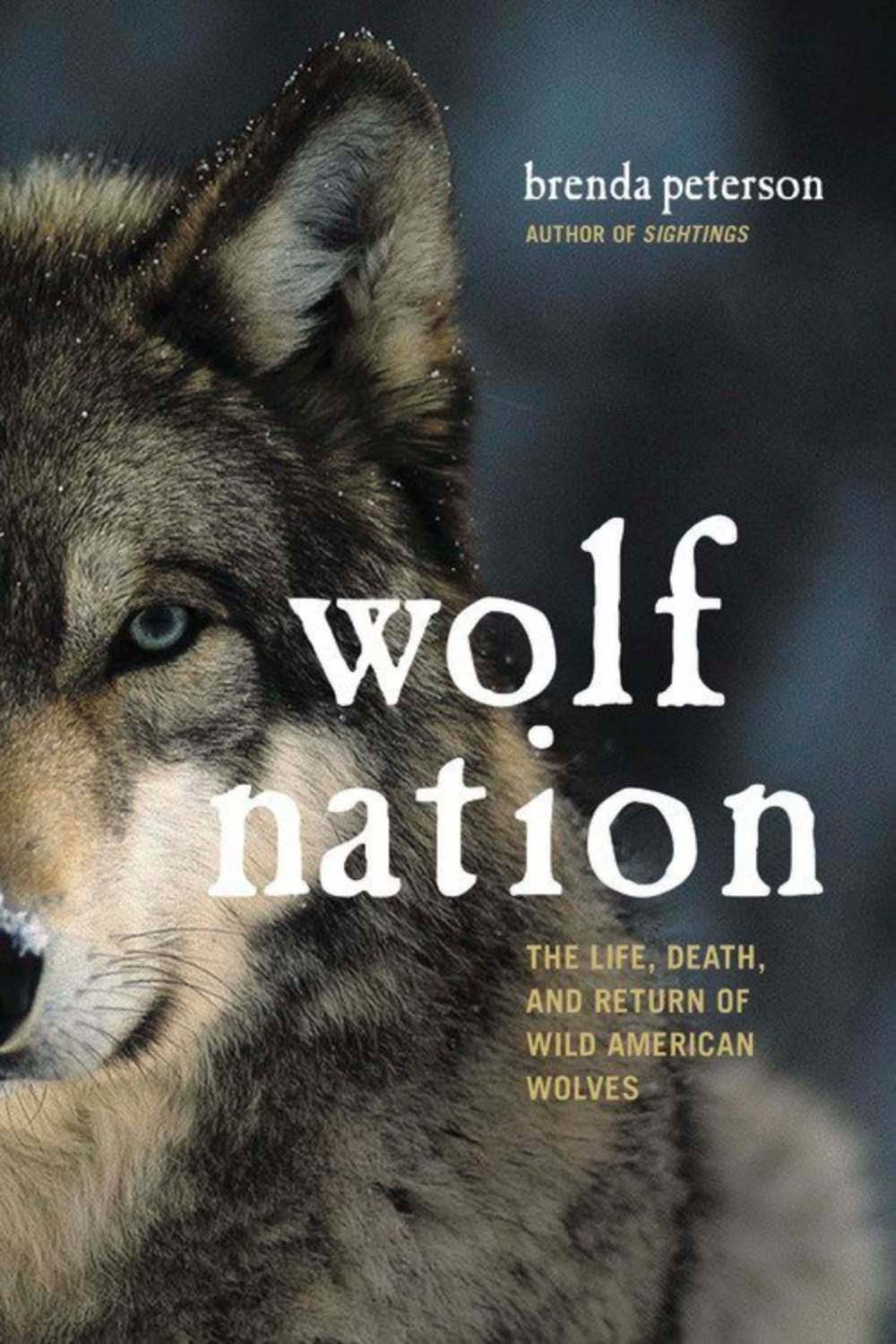
In Wolf Nation, Peterson adeptly captures the plight of wolves on this continent, stressing the importance of their return to prominence in nature.
Jim Blanchard is a retired academic librarian.