Problems aplenty with down-and-out duo
Advertisement
Read this article for free:
or
Already have an account? Log in here »
To continue reading, please subscribe:
Digital Subscription
One year of digital access for only $1.44 a week*
- Enjoy unlimited reading on winnipegfreepress.com
- Read the E-Edition, our digital replica newspaper
- Access News Break, our award-winning app
- Play interactive puzzles
*Billed as $5.77 plus GST every four weeks. After 52 weeks, price increases to the regular rate of $19.95 plus GST every four weeks. Offer available to new and qualified returning subscribers only. Cancel any time.
To continue reading, please subscribe:
Add Free Press access to your Brandon Sun subscription for only an additional
$1 for the first 4 weeks*
- Enjoy unlimited reading on winnipegfreepress.com
- Read the E-Edition, our digital replica newspaper
- Access News Break, our award-winning app
- Play interactive puzzles
*Your next Brandon Sun subscription payment will increase by $1.00 and you will be charged $17.95 plus GST for four weeks. After four weeks, your payment will increase to $24.95 plus GST every four weeks.
Read unlimited articles for free today:
or
Already have an account? Log in here »
Hey there, time traveller!
This article was published 23/03/2019 (2769 days ago), so information in it may no longer be current.
Will George is the pen name for a Sagkeeng First Nation-born, Winnipeg-raised broadcaster and journalist. Those Who Walk the Road is his first novel, but the transition from shorter-form journalism to book-length fiction is off to a rough start.
The elevator pitch isn’t a bad one. When Derek Justin, a Cherokee-American high school teacher, loses his family in a senseless drunk-driving accident, he copes by taking in one of his suddenly homeless students, 15-year-old Alex.
Together, the two characters, whose main tie is losing everything, try to get through each successive day. Derek even rediscovers his long-suppressed spiritual and cultural heritage.
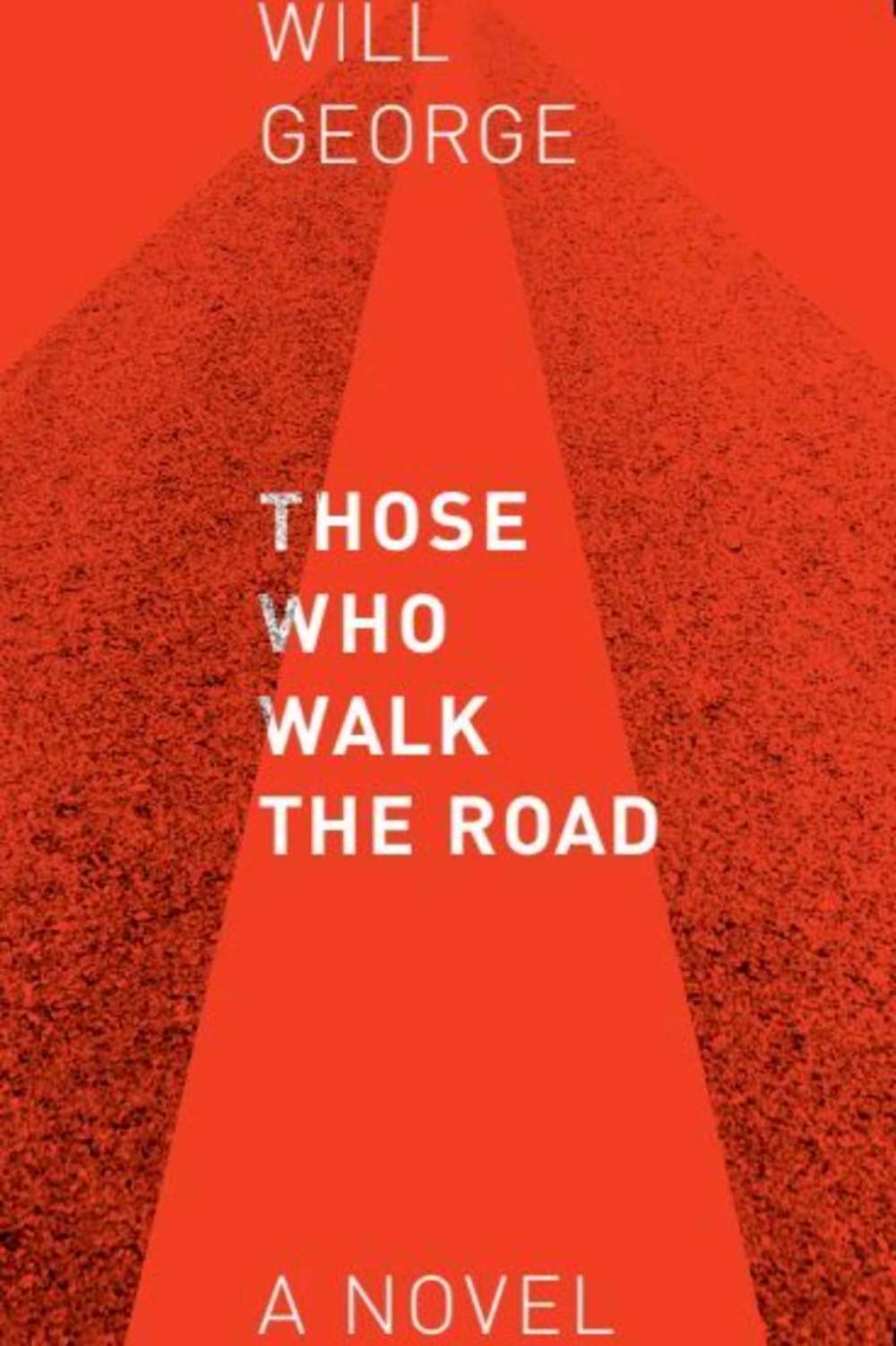
Unfortunately, the execution is far from realizing the promise of the concept. Everything from the macro-level plot to the characterization of major and minor players, to the internal story logic of even the briefest scenes, is coming apart at the seams.
In the first pages of the novel, George tries to quickly establish his main characters, using narrative info dumps liberally interspersed with clunky expositional dialogue. If only this were a play, these scenes might have been reworkable as monologue. As a novel, maybe a first-person narrative would have suited the author’s style better.
In any case, the author clearly wants to get the story underway as quickly as possible. Yet somehow, he doesn’t. More narrative threads and characters are added, only some of them going somewhere. In fact, one hesitates to call them threads. They’re more like stubs of yarn, too little there to tie together or weave into anything.
This is a slim novel, but George struggles to keep track of the details of his characters and plot. Some of this comes down to a failure to do basic research on things such as how schools work, how therapy works or how laws regarding abuse work.
The bigger structural problem is that the author keeps adding more elements instead of building on what is there. Character traits are not authentic or organic, but contrived to meet the needs of the moment and then forgotten.
The author describes a minor character having an arm broken in a violent attack and then forgets about it when he appears in a later scene. He forgets that Derek was in a car accident and is wearing a sling and taking painkillers literally from one scene to the next. He forgets which characters have what information. He forgets about Derek’s alcoholism. He also forgets how his dad died (cancer, then suicide) or what kind of relationship they had (first extremely close, but then abusive).
It’s not clear how this manuscript got through editing, let alone publication. It has plot holes you could drive a truck through, but the fatal flaw is in its characters. The inexplicably suicidal best friend, the estranged Cherokee uncle, the troubled teenage girl, Derek and Alex’s lost families: they’re not fully realized human beings so much as walking, talking plot devices to get the two protagonists from an emotional Point A to B.
This might be forgivable if the journey were worth it. But the final nail in the coffin is that the main characters aren’t believable human beings either.
Joel Boyce is a Winnipeg writer and educator.