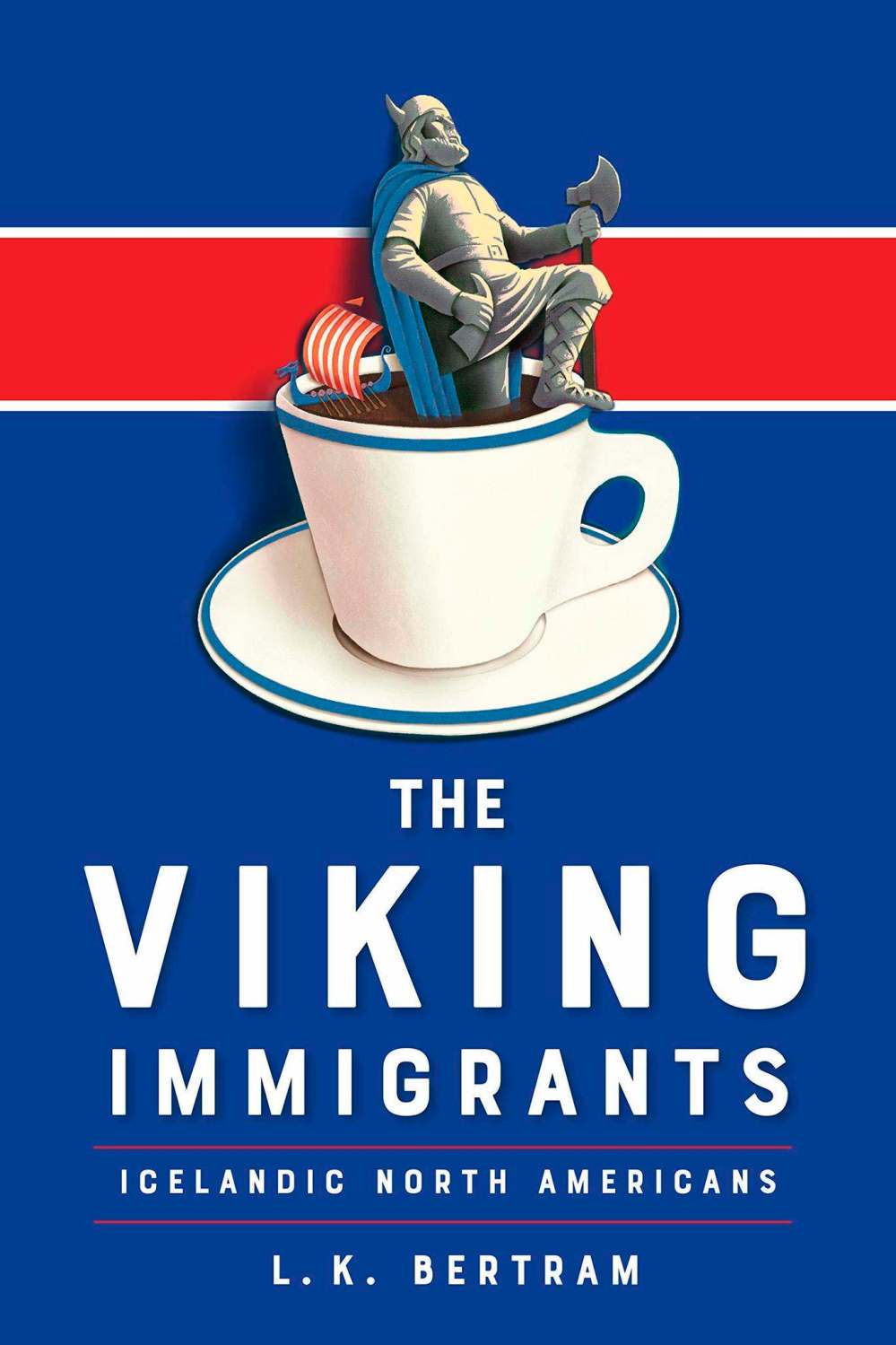
Putting down roots
History of Icelandic immigrants in North America explored in detail
Advertisement
Read this article for free:
or
Already have an account? Log in here »
To continue reading, please subscribe:
Digital Subscription
One year of digital access for only $1.44 a week*
- Enjoy unlimited reading on winnipegfreepress.com
- Read the E-Edition, our digital replica newspaper
- Access News Break, our award-winning app
- Play interactive puzzles
*Billed as $5.77 plus GST every four weeks. After 52 weeks, price increases to the regular rate of $19.95 plus GST every four weeks. Offer available to new and qualified returning subscribers only. Cancel any time.
To continue reading, please subscribe:
Add Free Press access to your Brandon Sun subscription for only an additional
$1 for the first 4 weeks*
- Enjoy unlimited reading on winnipegfreepress.com
- Read the E-Edition, our digital replica newspaper
- Access News Break, our award-winning app
- Play interactive puzzles
*Your next Brandon Sun subscription payment will increase by $1.00 and you will be charged $17.95 plus GST for four weeks. After four weeks, your payment will increase to $24.95 plus GST every four weeks.
Read unlimited articles for free today:
or
Already have an account? Log in here »
Hey there, time traveller!
This article was published 13/06/2020 (2181 days ago), so information in it may no longer be current.
Why do so few people speak Icelandic today? Why do many Icelanders have English names? What is with the Viking statues and the obsession with vinarterta?
These are just some of the questions that L.K. Bertram says visitors from Iceland to Manitoba have asked. In The Viking Immigrants, the assistant professor of history at the University of Toronto attempts to answer these queries and also explores other Icelandic immigrant habits and traditions.
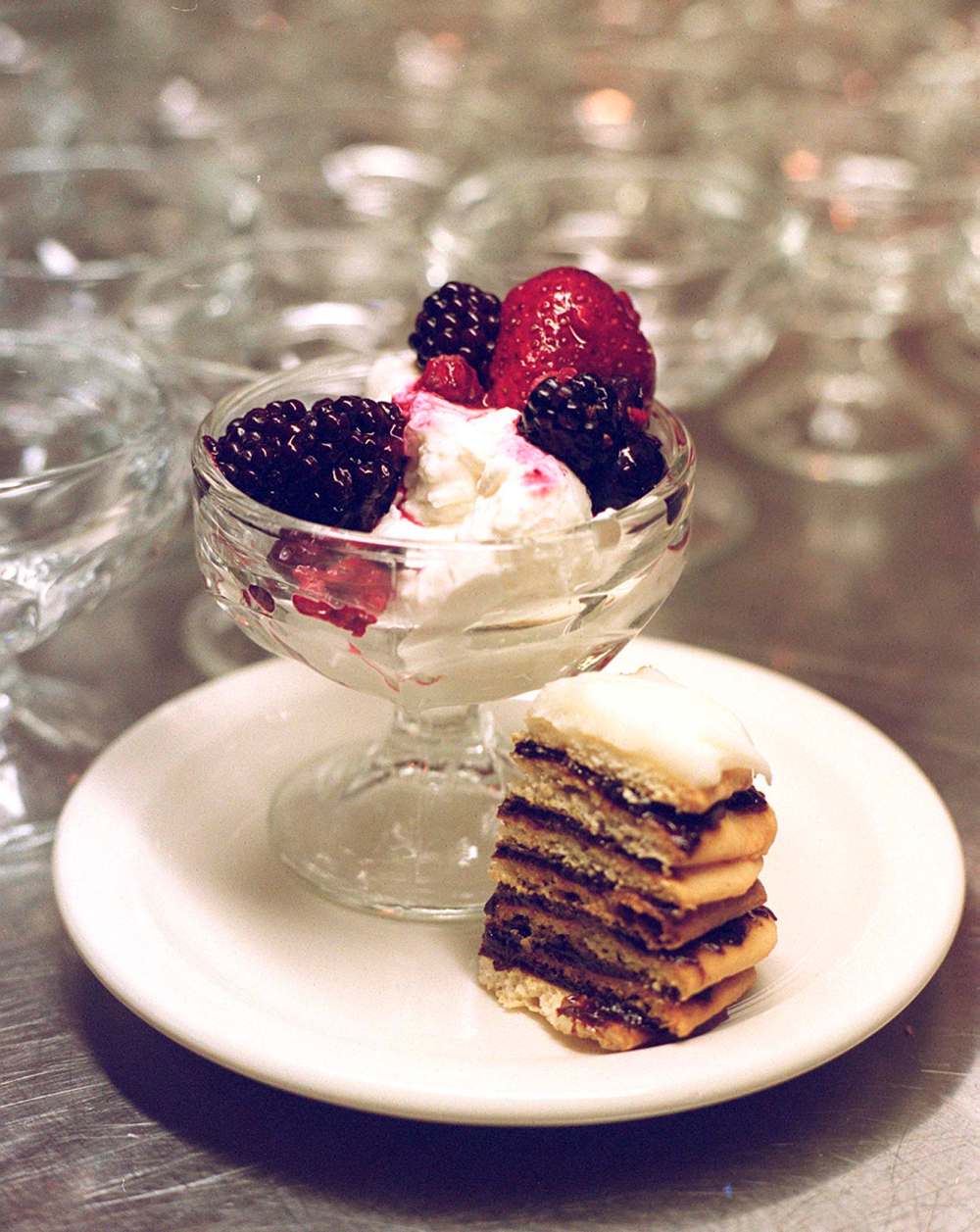
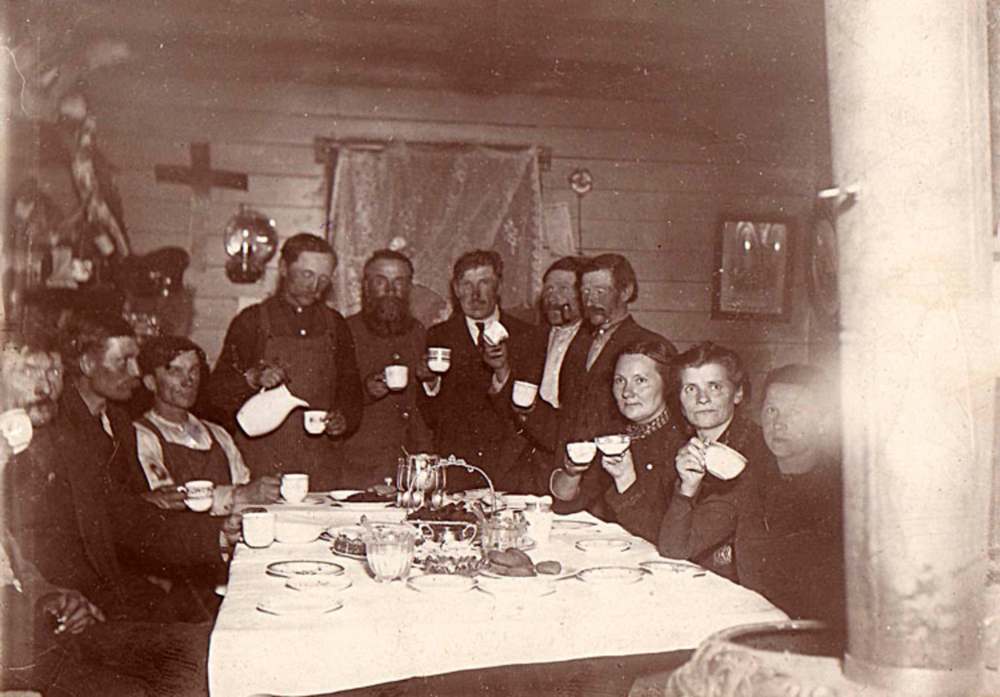
Bertram, who grew up in an Icelandic- and Scottish-Canadian family in Manitoba, focuses on traditions such as the love of coffee, ghost stories and superstitions, alcohol, fashion, Vikings and, of course, vinarterta.
Make no mistake: this is not a light-hearted, folksy or easy read. This is a scholarly and informative historical work. Bertram provides extensive and thorough historical information related to the everyday traditions of North American Icelanders.
In her introduction, Bertram writes that “roughly 20 per cent of the population of Iceland departed for Canada and the United States between 1870 and 1914.” However, she asserts, the number may even be higher.
Volcanic activity and “very poor weather” have often been blamed, she says, but other issues — such as a desire for independence from Denmark, poverty, overcrowding and more — also factored into the exodus.
And so, in 1875, New Iceland was founded along the shores of Lake Winnipeg.
Over the years, a unique culture emerged among the Icelandic immigrants in North America. It is this that Bertram focuses on — their “habits, ideas and traditions” and their “distinctive, everyday popular culture.”
She writes in her acknowledgements that “15 years have passed” since research on her book began. During that time she “travelled thousands of miles, learned a difficult but beautiful language, and benefited from the help… of a very large number of people.”
Bertram drew from published memoirs, stories, letters, newspapers, photographs and archival collections in Canada, the United States and Iceland. She has gathered together a huge amount of research.
She visited and studied sites where Icelanders settled such as Gimli, Winnipeg’s West End, Riverton, Arborg and more. Extensive notes, a lengthy bibliography, an appendix and index are included.
Bertram begins with a brief history of the Icelanders who came to Manitoba, landing first at Willow Point, “south of present-day Gimli.” She writes of the extreme cold, poverty, inexperience, smallpox and more that plagued the immigrants in the early years.
She writes of early Icelandic communities in Winnipeg, including “Shanty Town, Point Douglas, Ross Avenue and the city’s west end.” She also briefly discusses a few settlements elsewhere in Canada and in the U.S.


She then turns her focus to everyday North American immigrant traditions, much of it drawn from along the shores of Lake Winnipeg and in Winnipeg itself. Bertram skilfully weaves historical facts, gender issues, Indigenous relations and more into her explorations.
A chapter each is devoted to Icelandic immigrant clothing, the love of coffee, alcohol, ghost stories, Vikings and, yes, vinarterta. Rare photos and traditional recipes are included.
Despite the everyday subject matter, this work has an academic and scholarly tone that does not make for a quick read. At times it can be repetitive in language and in content.
Yet The Viking Immigrants is informative, intelligent and a worthy contribution to Icelandic and Manitoba history, and well worth the time and effort for the treasure trove of insights and knowledge it provides to Icelanders and lovers of history.
Cheryl Girard sometimes writes about history and grew up not too far from Gimli.