Riel emotion
Novel brings compassionate human element to conflict between Métis and Canadian government
Advertisement
Read this article for free:
or
Already have an account? Log in here »
To continue reading, please subscribe:

Digital Subscription
One year of digital access for only $205*
- Enjoy unlimited reading on winnipegfreepress.com
- Read the E-Edition, our digital replica newspaper
- Access News Break, our award-winning app
- Play interactive puzzles
*First annual payment billed as $205.00 + GST for one year. This annual subscription will automatically renew at $233.00 + GST every 52 weeks (10% off the regular annual price of $259.35). Offer available to new and qualified returning subscribers only. Cancel any time.
To continue reading, please subscribe:
Add Free Press access to your Brandon Sun subscription for only an additional
$1 for the first 4 weeks*
- Enjoy unlimited reading on winnipegfreepress.com
- Read the E-Edition, our digital replica newspaper
- Access News Break, our award-winning app
- Play interactive puzzles
*Your next Brandon Sun subscription payment will increase by $1.00 and you will be charged $17.95 plus GST for four weeks. After four weeks, your payment will increase to $24.95 plus GST every four weeks.
Read unlimited articles for free today:
or
Already have an account? Log in here »
Hey there, time traveller!
This article was published 04/03/2017 (3488 days ago), so information in it may no longer be current.
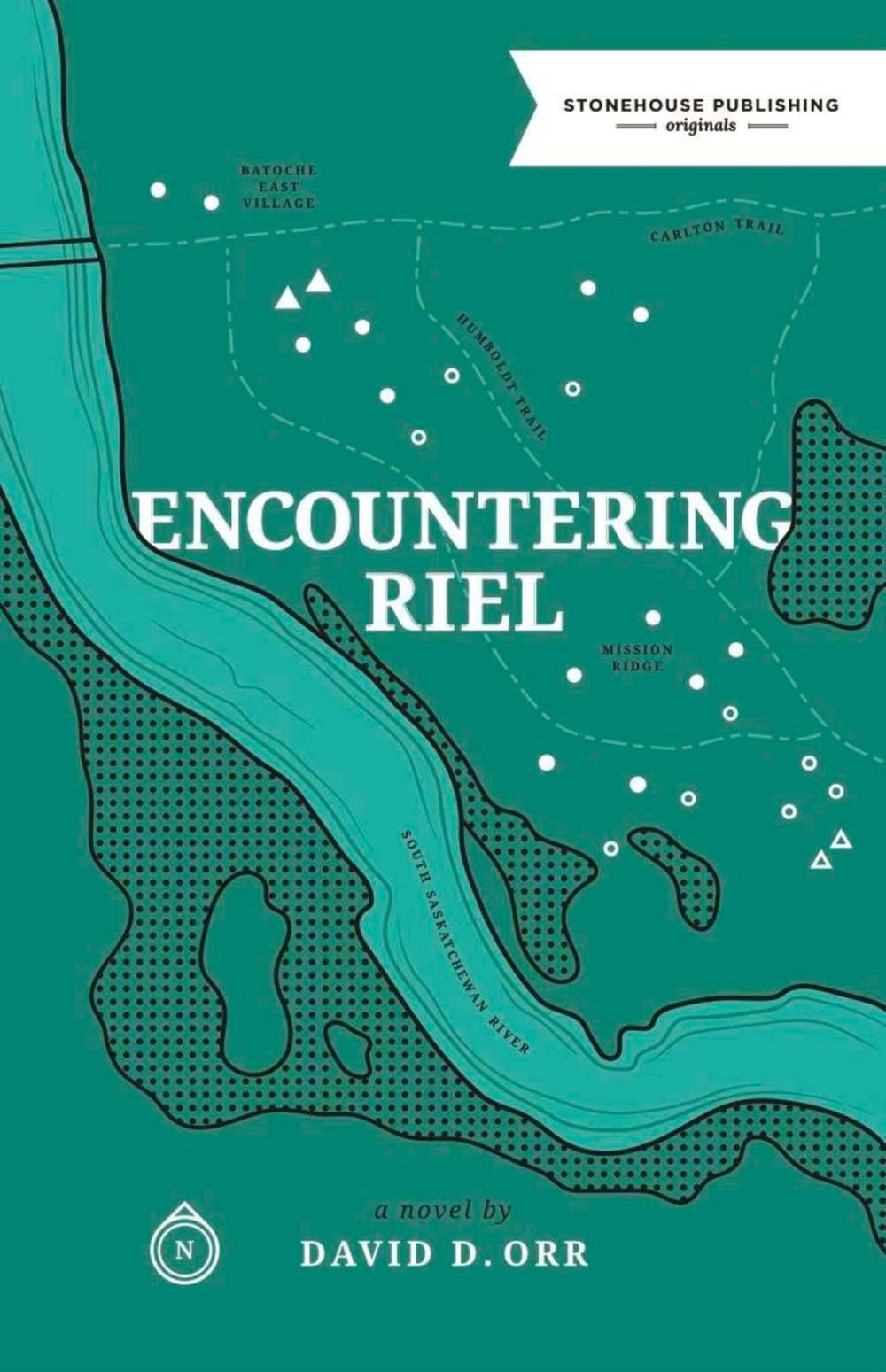
In Encountering Riel, Regina-born, Alberta-based author David D. Orr weaves a story about Canada’s slow, painful emergence as a country and the cruel price individuals paid to assert Canada’s place in the sun.
Through Riel’s voice, readers get a critical insight into the broken promises of more than a century that are behind the detritus of aboriginal society that continues to make its way through Canada’s court system.
A retired Saskatchewan judge, Orr, in his first novel, explores how political and military decisions were swayed by the forces of English-French bigotry and Protestant-Catholic bigotry.
His admiration for the Métis people, their courage and skill, shines throughout the book. Members of the Canadian militia are portrayed as heroic young men who realize too late how badly they have been misled.
The fears of Willie Lorimer, the young militia officer who narrates the story, are palpable. “I was terrified of the Métis buffalo rifles, but I was even more afraid of something else; that I was a coward, that I would disgrace myself in front of men.”
This bruising self-doubt haunts many of the men and officers, none of them qualified for war in the slightest. They were a group of store clerks, bookkeepers and salesmen.
Grant the author a bit of artistic licence and Orr produces a chilling sense of dreadful time and place as Willie narrates the hardships of the green militia’s winter trek west through northern Ontario. Few men realized when they set out that there were huge gaps in the Canadian Pacific rail line that had to be covered by forced march in near-blizzard conditions.
Like most of his men, Captain Roley Collison marched off to war without a clue about the “Matey” people he would be fighting soon.
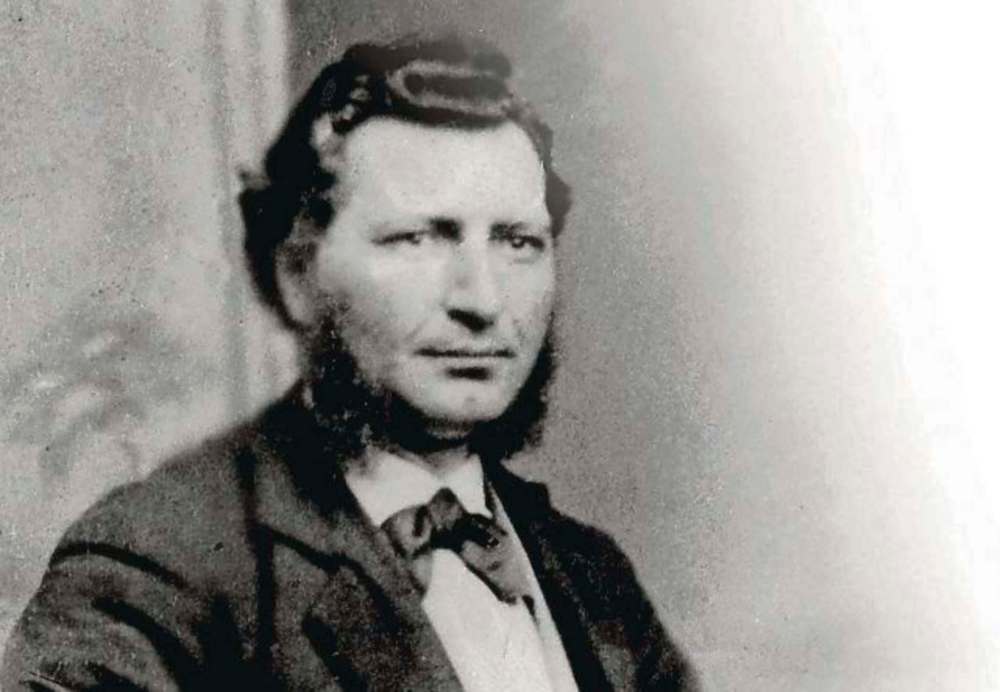
Arthur Howard, there as a representative of the Gatling gun manufacturer, gives him a history lesson, explaining that both Gabriel Dumont and Louis Riel were legends, Riel “a more frightening one” because of his education, and because he had already made fools of the British and Canadians at Red River.
A scout describes the Métis as devout Christians who fight only a defensive war. Dumont, their military leader, would never lead an attack against Prince Albert, or Saskatoon or Qu’Appelle, he says. “It would be dishonorable, unmanly, un-Christian.”
As the move towards Batoche drags on, mistrust increases. British commander Gen. Middleton doesn’t think his green militia is up to fighting the more experienced Métis, and the men — particularly some of his officers — think Middleton, who had greatly underestimated the enemy, has lost his nerve and is afraid to attack.
Finally Batoche falls and Riel, looking for a platform for his views in court, allows himself to be captured. Willie and Roley get a chance to talk to Riel, and are shocked at how badly they have been lied to by their leaders, how every attempt the Métis made to negotiate with then-prime minister John A. Macdonald had been rebuffed.
“Even six months ago, we had no thought of fighting. We wanted to be loyal Canadian citizens,” Riel says.
Judge-turned-author Orr puts the words into Riel’s mouth, but they could just as easily flow with feeling from his years of experience on the bench: “After their defeat, these weak, beaten, supposedly primitive people find their sacred customs being laughed at, their prowess as men becoming a joke… The grandchildren of such beaten people don’t know who they are, they don’t know who their ancestors ever were. They are utterly lost, lost souls.”
This is the encounter with Louis Riel that Canadians are still trying to face.
Gordon Arnold is a Winnipeg writer.
History
Updated on Saturday, March 4, 2017 3:44 PM CST: Corrects authors initial.