POETRY: Robin Robertson mines sacrifice, regret
Advertisement
Read this article for free:
or
Already have an account? Log in here »
To continue reading, please subscribe:

Digital Subscription
One year of digital access for only $205*
- Enjoy unlimited reading on winnipegfreepress.com
- Read the E-Edition, our digital replica newspaper
- Access News Break, our award-winning app
- Play interactive puzzles
*First annual payment billed as $205.00 + GST for one year. This annual subscription will automatically renew at $233.00 + GST every 52 weeks (10% off the regular annual price of $259.35). Offer available to new and qualified returning subscribers only. Cancel any time.
To continue reading, please subscribe:
Add Free Press access to your Brandon Sun subscription for only an additional
$1 for the first 4 weeks*
- Enjoy unlimited reading on winnipegfreepress.com
- Read the E-Edition, our digital replica newspaper
- Access News Break, our award-winning app
- Play interactive puzzles
*Your next Brandon Sun subscription payment will increase by $1.00 and you will be charged $17.95 plus GST for four weeks. After four weeks, your payment will increase to $24.95 plus GST every four weeks.
Read unlimited articles for free today:
or
Already have an account? Log in here »
Hey there, time traveller!
This article was published 23/04/2011 (5604 days ago), so information in it may no longer be current.
Though Robin Robertson is a Scottish-born poet now living in London, England, there are moments in his latest book that will be familiar to any Winnipegger.
His Signs On a White Field, about spring breakup on an unnamed lake, is particularly apt at this time of year:
“The rocks are ice-veined; the trees / swagged with snow. / Here and there, a sudden frost / has caught some turbulence in the water / and made it solid: frozen in its distress / to a scar, or a skin-graft.”
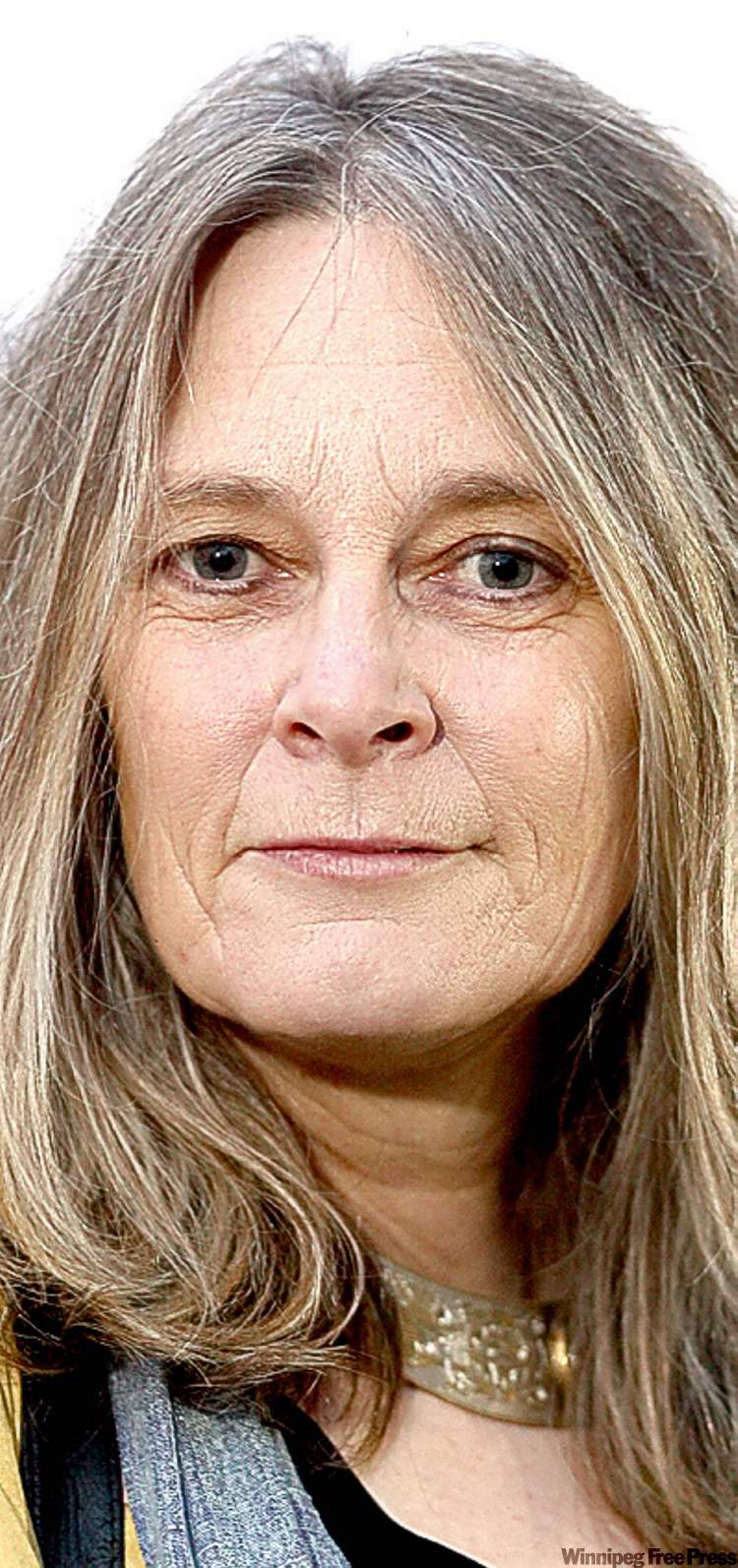
The Wrecking Light (Anansi, 112 pages, $23) is Robertson’s fourth collection. His previous, Swithering, won Robertson international critical acclaim and the U.K.’s Forward Poetry Prize.
Here, as in Swithering, we find Robertson reframing poems from Ovid, translating Italian poet Eugenio Montale, and writing poems to Swedish playwright August Strindberg.
Though he’s working the same vein, in The Wrecking Light Robertson comes to the surface with rougher stone. Which seems appropriate, given his preoccupations: sacrifice, everyday astonishment, and regret.
Drawing on both Greco-Roman myth and Scottish folklore, Robertson is somehow able to invoke both antlered men and selkies and have it all make perfect — albeit bloody — sense.
— — —
Susan Musgrave’s Origami Dove (McClelland & Stewart, 128 pages, $19) shares The Wrecking Light‘s coppery reek and surprising range of registers.
The Vancouver Island poet’s first major collection in 10 years has four radically different sections: sad/wise love poems, spare nature poems, raucous efforts, and a sequence on women from Vancouver’s downtown east side.
Which is to say, enough tragedy to break your goddamn heart. But also enough craft to parse it for her readers.
A good example is Winter, where the narrator attempts to bury a frozen wren:
“As I push through earth locked in sorrow, / in ice, find a hollow between rocks / where her body will lie, a winter wren lights / on the handle of my shovel.”
To sum: these poems might be bitter pills but they’re coated with artisanal chocolate and gold leaf.
— — —
As opposed to Musgrave, who published her first book when she was 19, Ann Scowcroft’s first book will appear just as she turns 50.
The Truth of Houses (Brick, 118 pages, $19) comes with a blurb from Michael Ondaatje (!) and includes poems on both her son’s slippery birth, the phantom-pain pangs she experienced when he moved out, and everything in between.
The rural Quebec-based poet, who works as a humanitarian aid worker when not writing, is slyly and wryly optimistic in her poetry.
Particularly poignant is the long poem (Palimpsest), which is as much about the stretch and tug of mother-daughter relationships and the physiology of the brain as it is about generations of incest:
“She drums her fingers, then locks / my eyes, tells me her sister had said / while packing her bag, / Your husband is a pervert.”
— — —
Poets and Killers: A Life in Advertising (Snare, 80 pages, $12) by Calgary-based feminist scholar Helen Hajnoczky is another intriguing debut.

Hajnoczky sets the tone for her with a (somewhat condensed) epigraph from Aldous Huxley: “It’s easier to write 10 passably effective sonnets than one effective advertisement.”
Poets and Killers is composed entirely of advertising copy, culled from the 1940s to the present day. As such, Hajnoczky didn’t so much write these poems as shape them.
By turns absurd and deadly serious, the poems are meant to reproduce a life via advertising, starting with baby detergent and ending with wholesale coffins.
Though this is a quick, quirky read, under the conceit Hajnoczky is probing at some vital questions. Like: to what extent are our wants and needs shaped by advertising? Like: are we for sale?
Winnipeg writer Ariel Gordon won the Lansdowne Prize for Poetry for her collection Hump at last Sunday’s Manitoba Book Awards.