‘Serial’ case: Prosecutors move to vacate Syed’s conviction
Advertisement
Read this article for free:
or
Already have an account? Log in here »
To continue reading, please subscribe:

Digital Subscription
One year of digital access for only $205*
- Enjoy unlimited reading on winnipegfreepress.com
- Read the E-Edition, our digital replica newspaper
- Access News Break, our award-winning app
- Play interactive puzzles
*First annual payment billed as $205.00 + GST for one year. This annual subscription will automatically renew at $233.00 + GST every 52 weeks (10% off the regular annual price of $259.35). Offer available to new and qualified returning subscribers only. Cancel any time.
To continue reading, please subscribe:
Add Free Press access to your Brandon Sun subscription for only an additional
$1 for the first 4 weeks*
- Enjoy unlimited reading on winnipegfreepress.com
- Read the E-Edition, our digital replica newspaper
- Access News Break, our award-winning app
- Play interactive puzzles
*Your next Brandon Sun subscription payment will increase by $1.00 and you will be charged $17.95 plus GST for four weeks. After four weeks, your payment will increase to $24.95 plus GST every four weeks.
Read unlimited articles for free today:
or
Already have an account? Log in here »
Hey there, time traveller!
This article was published 14/09/2022 (1464 days ago), so information in it may no longer be current.
ANNAPOLIS, Md. (AP) — Baltimore prosecutors asked a judge on Wednesday to vacate Adnan Syed’s conviction for the 1999 murder of Hae Min Lee — a case that was chronicled in the hit podcast “Serial.”
Baltimore’s state’s attorney filed a motion in circuit court, saying a lengthy investigation conducted with the defense had uncovered new evidence that could undermine the conviction of Syed, Lee’s ex-boyfriend.
“The motion filed today supports a new trial for Syed based on a nearly year-long investigation that revealed undisclosed and newly-developed information regarding two alternative suspects, as well as unreliable cell phone tower data,” State’s Attorney Marilyn Mosby’s office said in a news release.
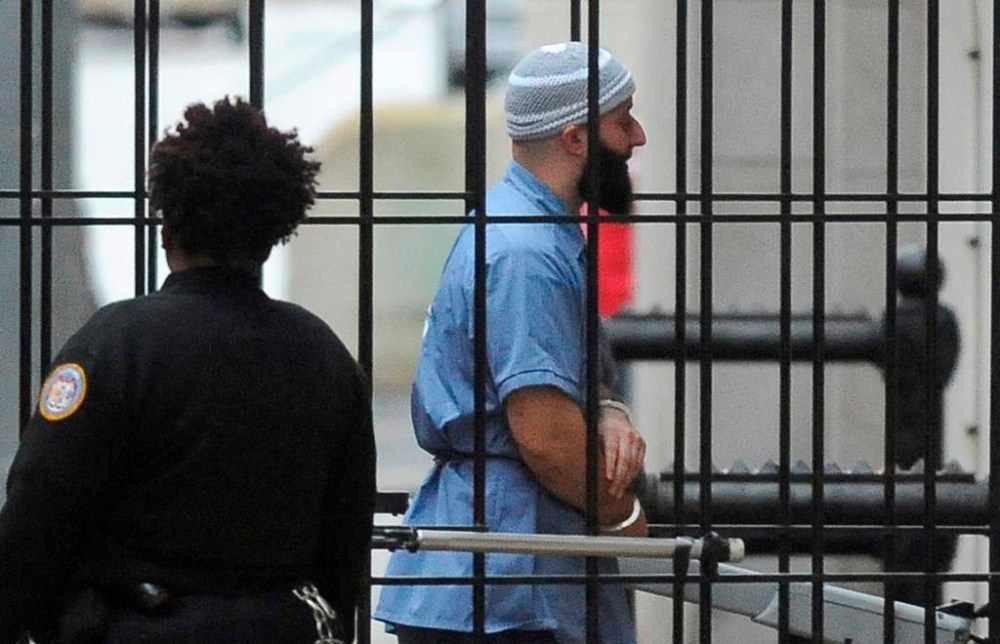
Syed, 42, has maintained his innocence for decades and captured the attention of millions in 2014 when the debut season of the “Serial” podcast focused on the case and raised doubts about some of the evidence, including cellphone tower data.
Prosecutors on Wednesday said they weren’t asserting that Syed is innocent, but they lacked confidence “in the integrity of the conviction” and recommended he be released on his own recognizance or bail.
“We believe that keeping Mr. Syed detained as we continue to investigate the case with everything that we know now, when we do not have confidence in results of the first trial, would be unjust,” Mosby added.
The state’s attorney’s office said if the court grants its motion it would effectively put Syed in a new trial status, and his convictions would be vacated, but the case would remain active.
“Whether the State ultimately continues with a trial in this matter or dismisses the charges will depend on the outcome of the ongoing investigation,” the state’s attorney’s office said.
Prosecutors said a reinvestigation of the case revealed evidence regarding the possible involvement of two alternative suspects other than Syed. The two suspects may be involved individually or may be involved together, the state’s attorney’s office said. One suspect had threatened Lee, saying “he would make her
Now, prosecutors say, the approximately year-long probe revealed two alternative suspects who were known to the authorities 23 years ago but not disclosed to Syed’s defense. Neither prosecutors nor defense attorneys will reveal the suspects’ identities because the investigation is ongoing, according to the motion.
One of the suspects had threatened Lee, saying “he would make her (Ms. Lee) disappear. He would kill her,” according to the filing.
“Given the stunning lack of reliable evidence implicating Mr. Syed, coupled with increasing evidence pointing to other suspects, this unjust conviction cannot stand,” said Assistant Public Defender Erica Suter, Mr. Syed’s attorney and, Director of the Innocence Project Clinic. “Mr. Syed is grateful that this information has finally seen the light of day and looks forward to his day in court.”
The suspects were known persons at the time of the original investigation and were not properly ruled out nor disclosed to the defense, prosecutors said.
The investigation also found a separate document from the original trial file, in which a different person relayed information that can be viewed as a motive for that same suspect to harm the victim, prosecutors said. The information about the threat and motives to harm could have provided a basis for the defense and was not disclosed to the trial nor the post-conviction defense counsel, the state’s attorney’s office said.
Prosecutors also said new information revealed that one of the suspects was convicted of attacking a woman in her vehicle, and that one of the suspects was convicted of engaging in serial rape and sexual assault.
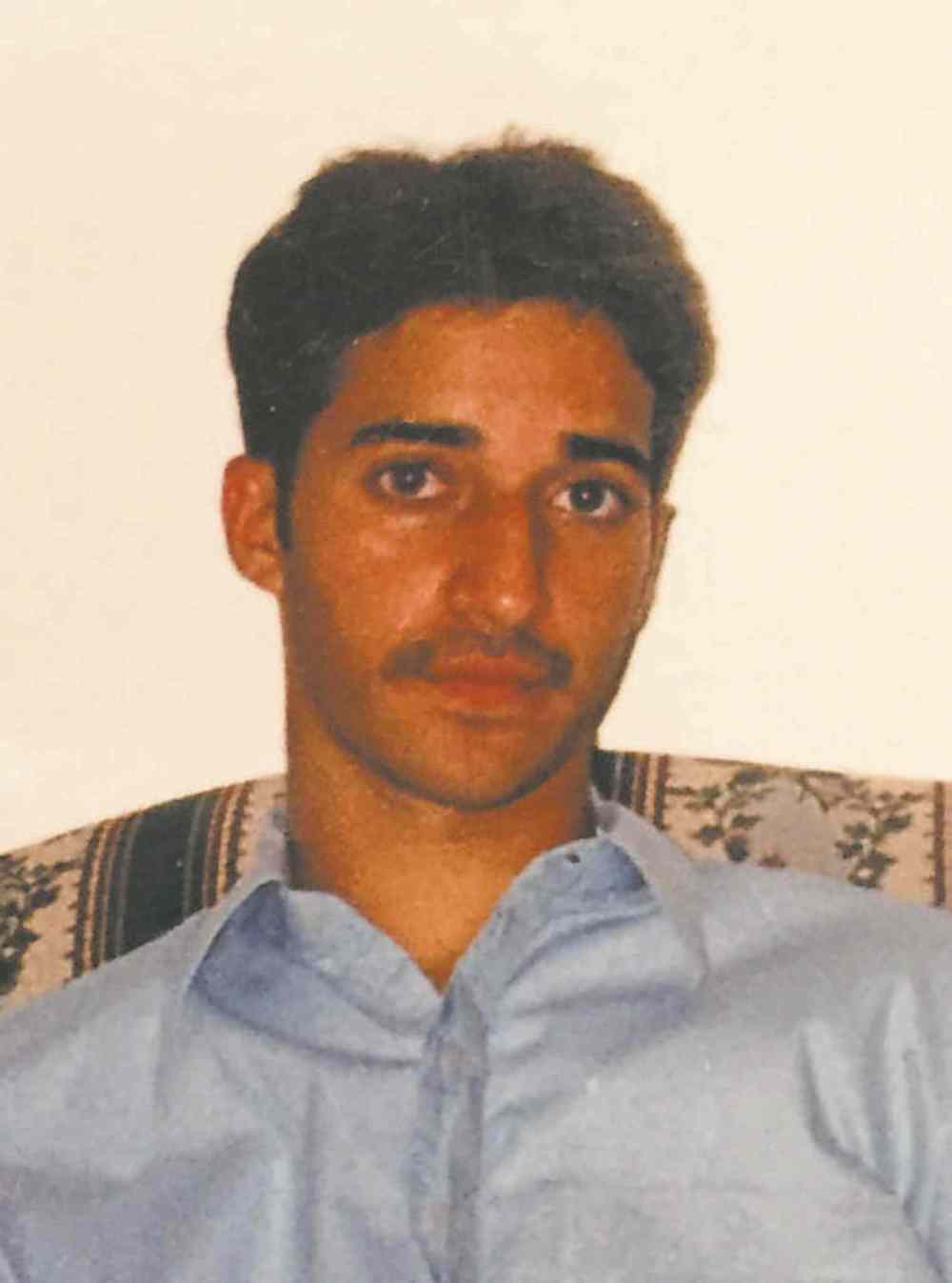
The state’s attorney’s office declined to release information about the suspects, due to the ongoing investigation.
Prosecutors also noted unreliable cellphone data used during Syed’s court case to corroborate his whereabouts on the day of the crime. The notice on the records specifically advised that the billing locations for incoming calls “would not be considered reliable information for location.”
“Evidence proved that the State should not have relied on the incoming call evidence,” the state’s attorney’s office said.
Syed has served more than 20 years in prison for the strangling of Lee, who was 18 at the time. Her body was found weeks later buried in a Baltimore park.
More than a decade later, the popular “Serial” podcast revealed little-known evidence and attracted millions of listeners, shattering podcast-streaming and downloading records.
In 2016, a lower court ordered a retrial for Syed on grounds that his attorney, Cristina Gutierrez, who died in 2004, didn’t contact an alibi witness and provided ineffective counsel.
But after a series of appeals, Maryland’s highest court in 2019 denied a new trial in a 4-3 opinion. The Court of Appeals agreed with a lower court that Syed’s legal counsel was deficient in failing to investigate an alibi witness, but it disagreed that the deficiency prejudiced the case. The court said Syed waived his ineffective counsel claim.
The U.S. Supreme Court declined to review Syed’s case in 2019.
Related Articles
‘Serial’ case: Adnan Syed released, conviction tossed
Advertisement Advertise With Us
Advertisement Advertise With Us