New French immersion program proposed in N.B. cuts time students learn in French
Advertisement
Read this article for free:
or
Already have an account? Log in here »
To continue reading, please subscribe:

Digital Subscription
One year of digital access for only $205*
- Enjoy unlimited reading on winnipegfreepress.com
- Read the E-Edition, our digital replica newspaper
- Access News Break, our award-winning app
- Play interactive puzzles
*First annual payment billed as $205.00 + GST for one year. This annual subscription will automatically renew at $233.00 + GST every 52 weeks (10% off the regular annual price of $259.35). Offer available to new and qualified returning subscribers only. Cancel any time.
To continue reading, please subscribe:
Add Free Press access to your Brandon Sun subscription for only an additional
$1 for the first 4 weeks*
- Enjoy unlimited reading on winnipegfreepress.com
- Read the E-Edition, our digital replica newspaper
- Access News Break, our award-winning app
- Play interactive puzzles
*Your next Brandon Sun subscription payment will increase by $1.00 and you will be charged $17.95 plus GST for four weeks. After four weeks, your payment will increase to $24.95 plus GST every four weeks.
Read unlimited articles for free today:
or
Already have an account? Log in here »
Hey there, time traveller!
This article was published 15/12/2022 (1362 days ago), so information in it may no longer be current.
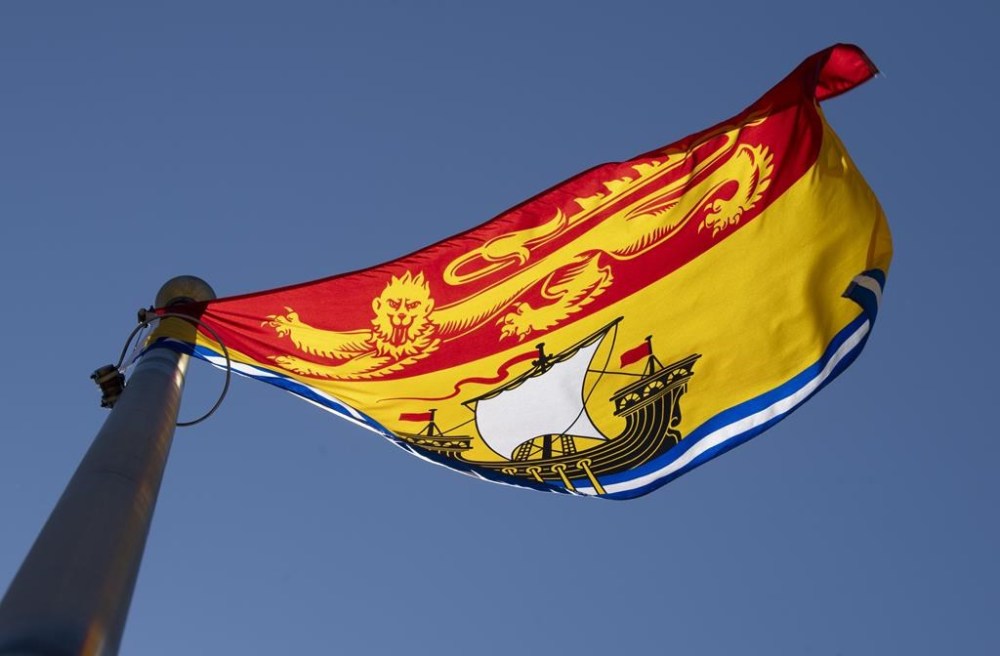
FREDERICTON – New Brunswick has proposed a new French immersion program that cuts the time elementary school students spend learning in French, prompting scathing criticism from a parent group.
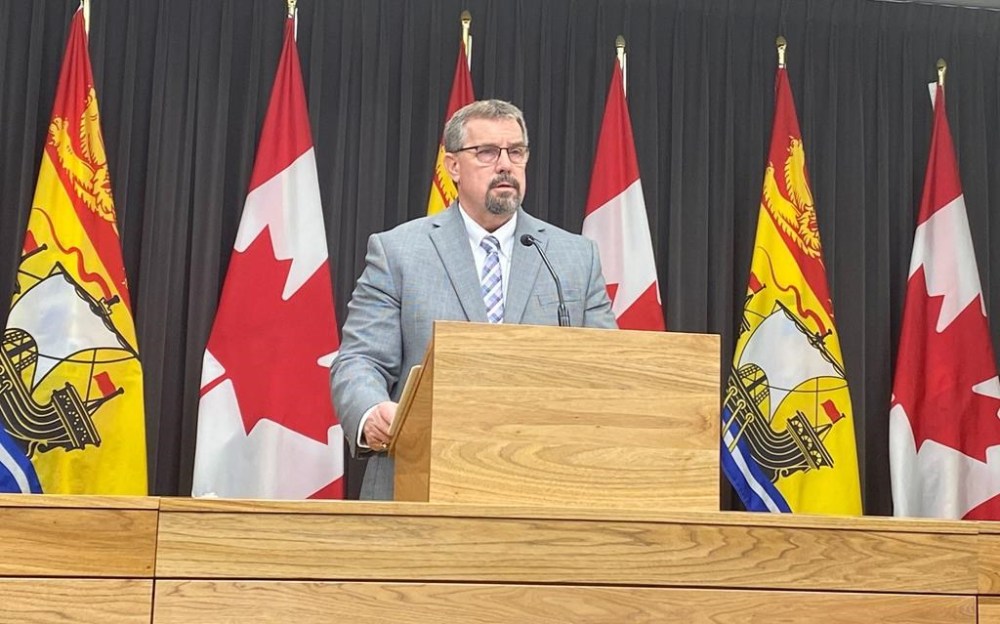
Starting September, kindergarten to Grade 1 students will spend half their day in “exploratory learning” in French and the other half being taught in English for subjects such as math, reading and writing, Education Minister Bill Hogan announced Thursday. Subjects such as science and social studies could be learned in French, he added.
The goal, Hogan said, is to ensure all graduates in the anglophone sector have at least a “conversational level” of French. Reform is necessary, he added, because less than half of high school graduates in the anglophone sector are able to speak French at a conversational level.
“Through the model, students will be able to immerse themselves in French from a young age, interacting with their peers, and exploring their surroundings and environment in French,” he told a news conference.
But the new program cuts the time students would be learning in French — the province’s current immersion program offers students up to 90 per cent of class time in French. The government’s proposal would also drop to 40 per cent from 50 per cent the time high school immersion students spend learning in the language.
Hogan said kindergarten to Grade 1 students, starting next year, would continue under the 50-50 model throughout their primary school years.
“While the road map is still likely to change, we believe they should be able to continue 50-50 English-French learning through to Grade 5 with the end goal to be able to continue to explore opportunities for more advanced French learning in high school years, based on their goals and interests and what they want to accomplish.”
The government’s decision to reform French-language education has been controversial and was a main reason behind the resignation of education minister Dominic Cardy in October. In his resignation letter, Cardy accused Premier Blaine Higgs of moving too quickly to reform the French immersion program. Higgs had disregarded data showing that the program was working, Cardy said in his letter.
The government’s proposed program is based on a model used in Bathurst, N.B., in the late 1990s to early 2000s. Hogan said the new framework was developed based on discussions with experts, teachers, students and a review of research.
Chris Collins, executive director for Canadian Parents for French, New Brunswick, said the 50-50 plan is not immersion.
“Immersion is when you take kids and you throw them into the deep end of the pool, and they learn to swim. And they learn to swim in French,” Collins said.
“This is a bunch of students splashing around in the shallow end. This is not French immersion. They are abolishing it. They’re doing it slowly. Their goal is conversational French. Their goal should be bilingualism. Conversational French does not make you bilingual.”
The province is also facing a shortage of French teachers; Hogan said the new system will require an additional 60 educators.
Collins dismissed that number, calling it a “gross underestimation.”
“They’ve been looking for French immersion teachers, and they can’t find them,” he said. “That’s why they can’t roll the system of French immersion out into rural areas. All of a sudden, they’ve got teachers flying out of their butts, you know.”
The government will hold four in-person and two virtual public consultation sessions before it finalizes the plans, Hogan said.
Collins called the consultation “a smokescreen.”
“They’ll go into a community, they’ll put on a dog-and-pony show, and they’ll invite who they have to invite and it’ll be set up. There’s no doubt about it,” he said. “It’s really disappointing.”
Hogan said the aim of the proposed replacement is to have an “inclusive system” for all kids and not “a streaming program for a small portion of our students.” Hogan said the streaming system has an “overwhelming” number of students facing learning challenges in non-immersion classes.
“Because as a government, what we want is we want to have a bilingual population. We want to have a bilingual anglophone population.”

New Brunswick, with its Official Languages Act, is the only province in Canada where both French and English are official languages.
Collins questioned Hogan’s motivations, asking why the government is “picking on French.”
“Are they going to lower the bar when it comes to government requirements for French at the government level? Are they going to say ‘No, no, you just need conversational French’? Is that what they’re going to do?” he asked.
“Are we dropping out of being a bilingual province of this country? Are we opting out of that with this premier?”
This report by The Canadian Press was first published Dec. 15, 2022.