After outrage over Taylor Swift tickets, reform has been slow across the US
Advertisement
Read this article for free:
or
Already have an account? Log in here »
To continue reading, please subscribe:

Digital Subscription
One year of digital access for only $205*
- Enjoy unlimited reading on winnipegfreepress.com
- Read the E-Edition, our digital replica newspaper
- Access News Break, our award-winning app
- Play interactive puzzles
*First annual payment billed as $205.00 + GST for one year. This annual subscription will automatically renew at $233.00 + GST every 52 weeks (10% off the regular annual price of $259.35). Offer available to new and qualified returning subscribers only. Cancel any time.
To continue reading, please subscribe:
Add Free Press access to your Brandon Sun subscription for only an additional
$1 for the first 4 weeks*
- Enjoy unlimited reading on winnipegfreepress.com
- Read the E-Edition, our digital replica newspaper
- Access News Break, our award-winning app
- Play interactive puzzles
*Your next Brandon Sun subscription payment will increase by $1.00 and you will be charged $17.95 plus GST for four weeks. After four weeks, your payment will increase to $24.95 plus GST every four weeks.
Read unlimited articles for free today:
or
Already have an account? Log in here »
Hey there, time traveller!
This article was published 31/08/2023 (1127 days ago), so information in it may no longer be current.
SACRAMENTO, Calif. (AP) — When thousands of fans couldn’t get tickets for megastar Taylor Swift’s summer stadium tour, some diehards paid upwards of 70 times face value to see their favorite artist in person — an outrage that prompted congressional hearings and bills in state legislatures to better protect consumers.
After 10 months, Swift’s U.S. tour is finished, but so are most of the meaningful reforms consumer advocates and industry groups had hoped to pass this year. A proposal has so far failed to advance in the U.S. Senate. Legislation in Colorado was vetoed by the Democratic governor at the urging of some consumer groups.
And in California, home to iconic recording studios like Capitol Records and influential clubs like the Whiskey A Go Go and Hollywood Bowl, none of the ticketing proposals will pass this year in the aftermath of an intense lobbying campaign by both industry and consumer groups.
“We should do so much better than this,” said Robert Herrell, executive director of the Consumer Federation of California.
The slow progress over changing how tickets should be sold and resold highlights not just the strength of industry opposition, but the regulatory difficulties in a market upended by technology. Gone are the days of standing in line at a box office to find out what seats were available and how much they cost.
Today, nearly all tickets are sold online and downloaded to phones or other devices. Consumers often don’t know how much they will pay until just before they click the purchase button and fees and charges, which can sometimes be almost as much as the ticket price, are applied.
Venues often don’t say how many seats are available for a specific event, according to consumer groups, but instead release tickets in batches, making consumers spend more out of the mistaken fear they’ll miss out.
Some bad actors use software to quickly bulk-buy tickets for resale at much higher prices. They will even sell tickets before they have them, a practice known as “speculative ticketing” that consumer groups say is dangerous and does not guarantee the ticket. Some go so far as to mimic venue websites so consumers believe they are buying tickets directly.
Some states, including New York and Connecticut, have passed bills to ban hidden fees. But all of the major players in the ticketing industry have already agreed to do that, minimizing its impact.
Addressing the other problems have been more difficult. Sharp disagreements among venues, ticket sellers, consumer groups and artists have muddied what may seemingly straightforward consumer rights issues.
Artists and venues want to restrict how fans can resell tickets, an attempt to crack down on “the secondary market to sweep the inventory, inflate the price and price gouge our fans,” said Jordan Bromley, who sits on the board of the Music Artist Coalition, an advocacy group representing artists.
Consumer groups argue buyers can do what they want with their tickets, including selling them for a profit. That disagreement is partly why Colorado Democratic Gov. Jared Polis vetoed a bill earlier this year, despite the bill also containing consumer-friendly policies like banning hidden fees, price increases and speculative ticket sales.
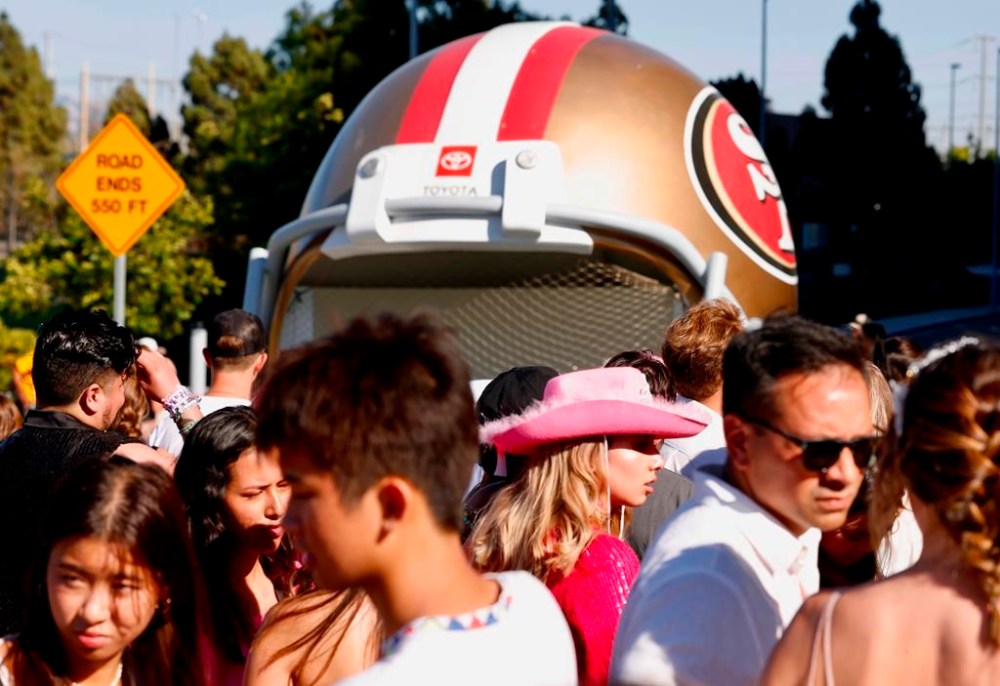
In California, consumer groups have mostly focused their ire on Live Nation Entertainment, the company that owns Ticketmaster and controls the bulk of ticket sales and venues in the U.S. for touring music artists. But the debate is spreading to artists, major men’s professional sports teams like the Los Angeles Dodgers and San Francisco 49ers, and independent venues with capacity for 1,000 people or fewer, including more than 600 in California alone.
Most people are being vocal about “how this is an attempt to shoot at Ticketmaster and Live Nation,” said Julia Heath, president of the California chapter of the National Independent Venue Association. “What’s actually happening is they are aiming at them, but they are hitting everybody else, too.”
The biggest disagreement was over whether to allow teams, venues and artists to restrict how fans could resell tickets they purchased. A bill that would have allowed restrictions on resales passed the state Senate but failed to pass the Assembly this year after drawing concerns from consumer groups.
A bill by Assemblymember Laura Friedman would have banned venues and artists from restricting resales. That measure also would have required venues to disclose how many tickets were available for an event to prevent “holdbacks.” Ultimately, the bill was changed to remove both of those provisions after attracting strong industry opposition.
“It’s been very difficult. It had a very strong and concerted effort from the very beginning lobby against this bill,” Friedman said.
California lawmakers have vowed to continue working on the issue next year. But by then, the memory of the outrage over Taylor Swift’s concern tickets will have likely faded, depriving consumer advocates of the public pressure they had hoped would spur change.
Herrell, director of the Consumer Federation of California, cited a quote that has been attributed to such people as former British Prime Minister Winston Churchill and former Chicago Mayor Rahm Emanuel: “Never let a crisis go to waste.”
“I felt like that was true here,” Herrell said. “I thought there was a moment there.”