Ticketing businesses, experts debate resale caps and dynamic pricing
Advertisement
Read this article for free:
or
Already have an account? Log in here »
To continue reading, please subscribe:

Digital Subscription
One year of digital access for only $205*
- Enjoy unlimited reading on winnipegfreepress.com
- Read the E-Edition, our digital replica newspaper
- Access News Break, our award-winning app
- Play interactive puzzles
*First annual payment billed as $205.00 + GST for one year. This annual subscription will automatically renew at $233.00 + GST every 52 weeks (10% off the regular annual price of $259.35). Offer available to new and qualified returning subscribers only. Cancel any time.
To continue reading, please subscribe:
Add Free Press access to your Brandon Sun subscription for only an additional
$1 for the first 4 weeks*
- Enjoy unlimited reading on winnipegfreepress.com
- Read the E-Edition, our digital replica newspaper
- Access News Break, our award-winning app
- Play interactive puzzles
*Your next Brandon Sun subscription payment will increase by $1.00 and you will be charged $17.95 plus GST for four weeks. After four weeks, your payment will increase to $24.95 plus GST every four weeks.
Read unlimited articles for free today:
or
Already have an account? Log in here »
Hey there, time traveller!
This article was published 08/11/2024 (669 days ago), so information in it may no longer be current.
TORONTO – When the world’s hottest acts announce Canadian tour dates, fans have become accustomed to the ticket-buying experience being a mix of luck and loss.
They often log onto ticket sites only to find prices that jump dramatically as they browse an arena of quickly disappearing seats. In other instances, shows are so in-demand that artists resort to presale lotteries and fans that strike out end up on resale sites where seats are routinely advertised for several times their face value.
But how do you fix a series of problems that have only intensified over time?
Some say the solution lies in breaking up the behemoth that dominates the ticket industry. Others say even if you dismantle monopolies, there’s still plenty of work that could be done to address eye-popping prices and a system some compare to a “black box.”
Kevin Callahan, the head of North American government relations for resale giant StubHub, is in the camp pushing for more players in the ticket sector, where he said 80 per cent of primary seats and a growing share of resale seats at major venues are sold by his company’s main rival, Ticketmaster.
“I think most people agree that competition is good,” he said during an October visit to Toronto, where he argued people should have more than one business to buy tickets from.
“We’re not going to win unless we continue to innovate and meet consumer needs.”
The U.S. Justice Department appears to agree. It and 30 state and district attorneys general have accused Ticketmaster and parent company Live Nation of running a monopoly over live events in America and is using a lawsuit filed against the pair to try to break them up.
A release from the department claims Ticketmaster and Live Nation block venues from using other ticket software, acquires smaller players they view as a threat and have retaliated against venues that work with rivals.
However, Live Nation’s executive vice-president of corporate and regulatory affairs disagrees with the claims in the lawsuit and any notion that Live Nation and Ticketmaster’s current business is harming the industry.
“I don’t think they’ll ever get … the artist or any venue to say that they feel that they’ve been exploited or what have you from us,” Dan Wall said in an interview.
He chalked up the backlash to “a concerted effort that comes from the resale world to try to blame us for everything, when the high prices and all that stuff are far more of a function of resale markets.”
Ticketmaster has a resale business, which experts say has grown even as competitors like StubHub and VividSeats have cropped up.
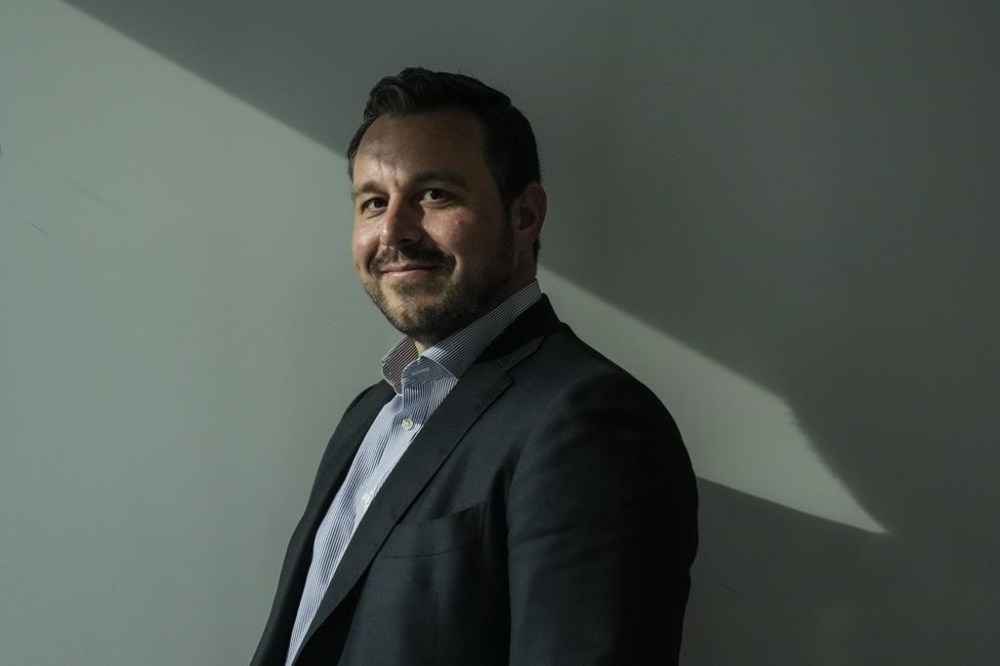
While more competition tends to be good for consumers, achieving it is “easier said than done” and chatter about it has become a distraction from other issues, said Vass Bednar, who recently co-authored “The Big Fix: How Companies Capture Markets and Harm Canadians.”
“What is going on with the reselling economy? What is going on with pricing?” she questioned. “Those are the elements that I think get obscured when we focus on counting the number of competitors instead of really being critical about how the current ones are behaving.”
These days, Live Nation chief executive Michael Rapino has been bandying around his own recommendation: legislation capping ticket resale prices at a 20 per cent markup.
The suggestion is meant to address buyers and bots who gobble up tickets to shows when they first go on sale but later sell them for several times the price. The business of flipping tickets has become so lucrative for these buyers that Wall estimates markups are costing fans an extra $5 billion a year in North America alone.
Some passes for Taylor Swift’s Eras tour in Toronto later this month, for example, were priced at almost $20,000 on StubHub and many seats behind the stage for Bruce Springsteen’s recent swing through the city were being advertised for resale on Ticketmaster for nearly $500 days before showtime.
In Canada, Ontario’s previous Liberal government brought forward a law that would have capped ticket resale prices at 50 per cent above the original face value, but the now-ruling Progressive Conservatives turfed the regulations, calling them “unenforceable.”
Callahan, whose employer makes its money by helping people flip tickets, isn’t a fan of resale price limits.
“You’re never going to fix demand with a price cap,” he said.
He also claims a limit would drive people to marketplaces where they can’t verify the authenticity of a seller’s tickets or guarantee they will get their money back if a transaction goes awry.
Catherine Moore, an adjunct University of Toronto professor specializing in the music business, said a lot of problems stemming from the price of tickets start long before seats land on resale sites.
When acts announce they’re touring and set dates for ticket sales, fans are seldom told what seats will cost and how many will even be up for grabs.
While some ticket sites tell customers about the capacity of venues, a 2016 report from the New York attorney general’s office found on average only 46 per cent of seats go on sale during the initial public sale. For top shows, that portion falls to 25 per cent and in the case of two concerts Justin Bieber played at Madison Square Garden in 2012, the amount was even lower, at 15 per cent.
Tickets not available during the public sales period are given to the artist, allocated to fan clubs or sold to holders of certain credit cards or customers of some sponsors. Some are also later released days or hours before showtime.
Moore thinks fans deserve to know how many seats they’re vying for at each stage.
“Treat people like they’re grown-ups and explain to them why they’re being held back,” she said. “Now, people may not like some of the reasons because they might be reserved for VIPs that have a fancy credit card or whatever it is, but at least there would be some effort being made to communicate availability.”
Wall disagrees. He feels fans don’t care how many tickets went on sale in the first place.
“What’s relevant to you, if you go online to buy a ticket, is whether you got the ticket or not,” he said.
But he does admit more can be done to let fans know when they’re in a queue and tickets are almost gone or nothing in their price point is left.
Moore and Bednar also suggest fans would appreciate an end to dynamic pricing.
The practice raises prices as demand increases. It’s reportedly been used by Drake, Harry Styles and Paul McCartney, but was shunned by Oasis and the Cure.
Wall said Ticketmaster doesn’t have dynamic pricing tools but offers sales analytics to artists and their promoters, who have the power to direct Ticketmaster to hike or lower prices or use software from the company to make such moves themselves.
“We advise artists that they should not change prices at the beginning (of an on-sale period), that fans don’t like that, that fans misinterpret that, that fans will push back on that, but it’s their decision,” he said.
When prices are changed, he said most of the time it’s because artists and promoters were “too optimistic and demand isn’t what they expected, so they reduce prices.”
“But some other ones, they figure out right away that they underpriced it,” he said.
When they act on that realization, fans are often left confused and blame platforms, Wall said.
Their outcry then often doesn’t amount to much change because governments have many other issues requiring their attention, Moore said.
“For a politician, they’re thinking, ‘Do I focus on housing? Do I focus on keeping the garbage collected and the streets clean or do I spend my political capital trying to sort out a big money business?'” she said.
And even if they want to tackle the live events industry, that task means facing the music: for many shows, there will never be enough tickets to meet demand

Ticketmaster, for example, has said Taylor Swift would have to play more than 900 stadium shows — almost 20 times the number of concerts she is putting on for her Eras tour — just to satisfy all the fans that want to see her.
“So then the question is how to either explain this to fans or reassure fans that they’re not being ignored,” Moore said.
The best solution she’s seen so far are livestreaming, which U.K.’s Glastonbury Festival uses, and concert films, which Swift turned to last year.
“You can dress up, go with your friends … make a night out of it,” said Moore. “And it’s not going to cost you thousands of dollars a ticket.”
This report by The Canadian Press was first published Nov. 8, 2024.
Related Articles
Springsteen fans line up for a near-religious Boss experience

Advertisement Advertise With Us
Advertisement Advertise With Us