

Masahiro Nakai, a TV host and former pop star in Japan, retires after sexual assault report
Advertisement
Read this article for free:
or
Already have an account? Log in here »
To continue reading, please subscribe:
Monthly Digital Subscription
$1 per week for 24 weeks*
- Enjoy unlimited reading on winnipegfreepress.com
- Read the E-Edition, our digital replica newspaper
- Access News Break, our award-winning app
- Play interactive puzzles
*Billed as $4.00 plus GST every four weeks. After 24 weeks, price increases to the regular rate of $19.95 plus GST every four weeks. Offer available to new and qualified returning subscribers only. Cancel any time.
Monthly Digital Subscription
$4.99/week*
- Enjoy unlimited reading on winnipegfreepress.com
- Read the E-Edition, our digital replica newspaper
- Access News Break, our award-winning app
- Play interactive puzzles
*Billed as $19.95 plus GST every four weeks. Cancel any time.
To continue reading, please subscribe:
Add Free Press access to your Brandon Sun subscription for only an additional
$1 for the first 4 weeks*
*Your next subscription payment will increase by $1.00 and you will be charged $16.99 plus GST for four weeks. After four weeks, your payment will increase to $23.99 plus GST every four weeks.
Read unlimited articles for free today:
or
Already have an account? Log in here »
Hey there, time traveller!
This article was published 23/01/2025 (427 days ago), so information in it may no longer be current.
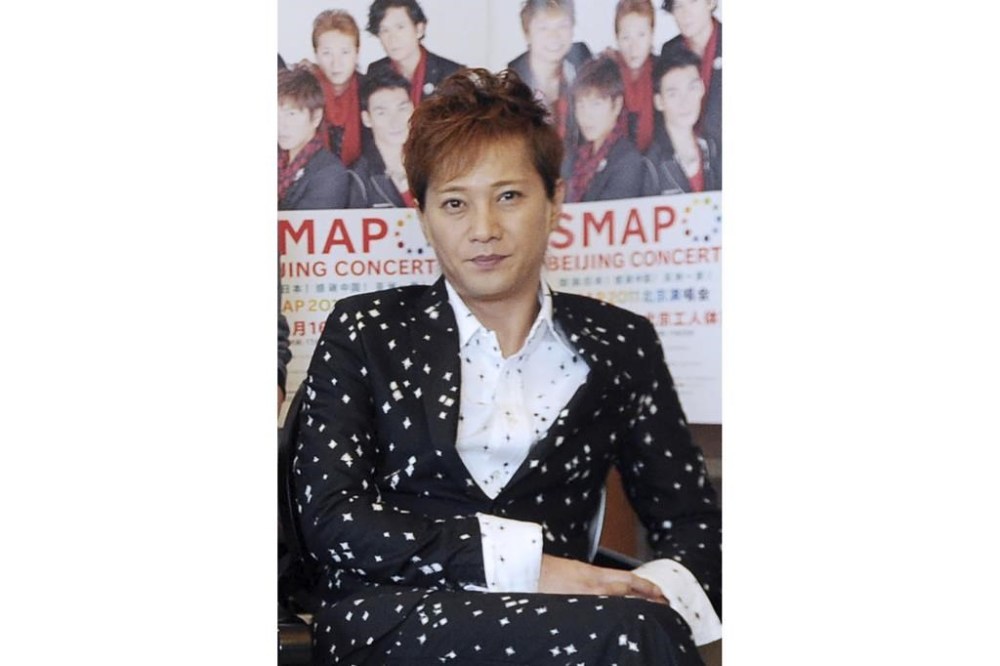
TOKYO (AP) — Masahiro Nakai, one of Japan’s top TV hosts and a former pop star, said Thursday he was retiring to take responsibility over sexual assault allegations that are part of a wave roiling Japan’s entertainment industry and have triggered an avalanche of lost advertising at one of the networks where he worked.
Weekly magazine Shukan Bunshun reported in December that Nakai had reached a 90 million yen ($580,000) settlement with a woman over the alleged sex assault at a 2023 dinner party that Fuji TV staff allegedly helped to organize. He acknowledged “a trouble” and a settlement, while denying any violence, in a statement earlier this month. The magazine has also alleged that Fuji TV has long exploited its female announcers to entertain stars like Nakai.
“I, Masahiro Nakai, is retiring from entertainment activity as of today,” Nakai said in a statement distributed to his paid fan club and posted on social media by apparent members. Japanese media also confirmed and reported his retirement.
“I am truly sorry for causing trouble and losses to so many people,” Nakai said, and repeated his “sincere apology” to the woman. “I’m really, really sorry for saying good-bye this way … Sayonara.”
Japan’s entertainment industry is in the midst of a wave of sexual assault cases, including the abuses of hundreds of boys and young men by late talent mogul Johnny Kitagawa, whose now-defunct agency Johnny & Associates managed many boy bands, including the one to which Nakai belonged, SMAP.
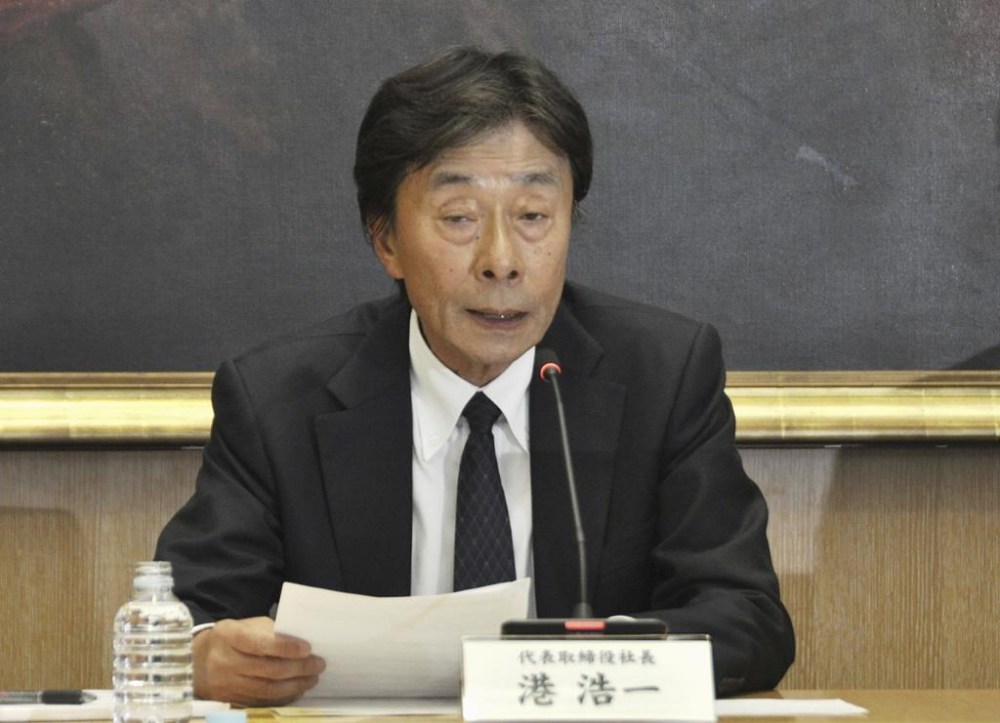
Last Friday, Fuji TV President Koichi Minato acknowledged the company had been aware of the problem six months before the magazine report and hadn’t disclosed it. Minato apologized and said Fuji TV would investigate the case but also said he believed his employees had not done anything wrong.
After dozens of commercials were withdrawn, Fuji TV apologized for causing trouble to advertisers and agencies but declined to disclose details.
Fuji Television Network’s vice-chairperson Ryunosuke Endo, who is also head of Japanese commercial broadcasters’ association, in a news conference Thursday said he learned about the problem in December when he was asked for a comment about the scandal and “was extremely shocked.” Endo said the problem was kept confidential among a handful of people, which did not include him, to protect the victim’s privacy and stand by her.
He said his company should prioritize regaining trust by explaining what happened through an appropriate third-party investigation.
Separately, Fuji TV and its parent company Fuji Media Holdings held a board meeting Thursday and announced that they have set up an independent panel of lawyers and in line with guidelines set by the Japan Federation of Bar Associations.
They met following shareholders’ demands for further clarification about the scandal and steps the company had taken and what measures are planned,

Nakai said in his statement that he has sorted out all negotiations of terminating his shows and contracts with television, radio and sponsors. He said he has yet to taken all his responsibility and promised to “face various problems and respond sincerely.”
Endo noted Nakai’s retirement was his “personal decision” but said Nakai was part of the upcoming investigation and that he hoped for his sincere cooperation.
Endo acknowledged attending a number of parties years ago accompanied by female announcers known as “joshi anna,” who often appear as assistants on entertainment shows. He said the parties were for networking and business, but noted the culture might have resulted from male-dominated decision-making.
___
AP video journalist Mayuko Ono contributed to this report.