

Book Review: Brian Castleberry aims for a Jonathan Franzen-style saga with ‘The Californians’
Advertisement
Read this article for free:
or
Already have an account? Log in here »
To continue reading, please subscribe:
Monthly Digital Subscription
$0 for the first 4 weeks*
- Enjoy unlimited reading on winnipegfreepress.com
- Read the E-Edition, our digital replica newspaper
- Access News Break, our award-winning app
- Play interactive puzzles
*No charge for 4 weeks then price increases to the regular rate of $19.95 plus GST every four weeks. Offer available to new and qualified returning subscribers only. Cancel any time.
Monthly Digital Subscription
$4.99/week*
- Enjoy unlimited reading on winnipegfreepress.com
- Read the E-Edition, our digital replica newspaper
- Access News Break, our award-winning app
- Play interactive puzzles
*Billed as $19.95 plus GST every four weeks. Cancel any time.
To continue reading, please subscribe:
Add Free Press access to your Brandon Sun subscription for only an additional
$1 for the first 4 weeks*
*Your next subscription payment will increase by $1.00 and you will be charged $16.99 plus GST for four weeks. After four weeks, your payment will increase to $23.99 plus GST every four weeks.
Read unlimited articles for free today:
or
Already have an account? Log in here »
Hey there, time traveller!
This article was published 11/03/2025 (301 days ago), so information in it may no longer be current.
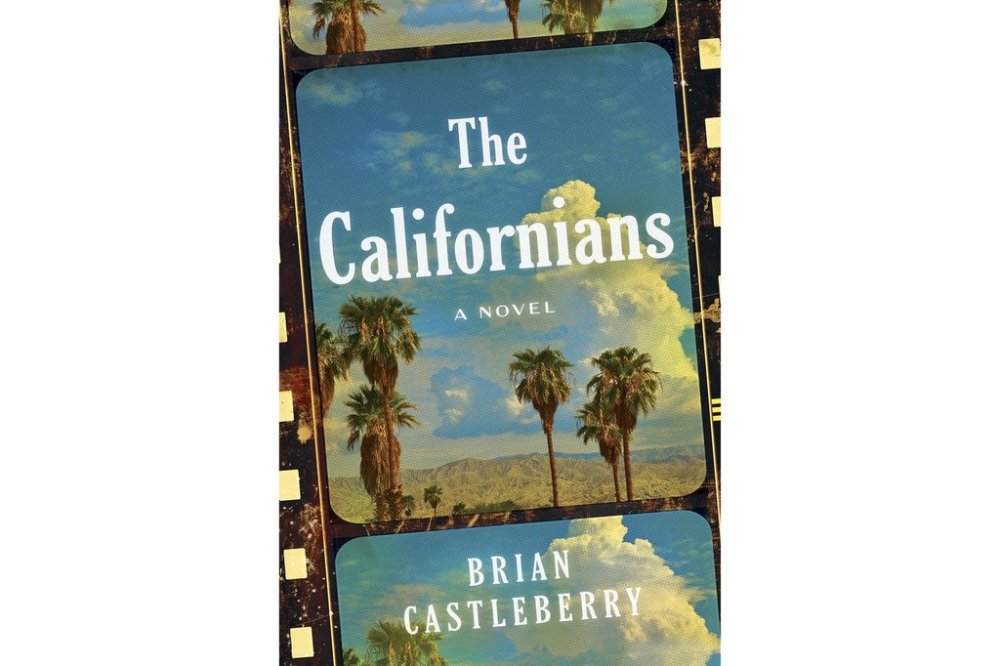
Like its characters, Brian Castleberry’s second novel, “The Californians,” is full of ambition. It spans eras of American history, diving into everything from the heyday of silent cinema to the Reagan administration to the rise of cryptocurrency. Threading through it all are the intersected stories of two families, the Stiegls and the Harlans.
There’s a helpful family tree in the preface that readers will find themselves referring to multiple times until they understand who is related to whom and how. The plot starts in the current day, with the ripped-from-the-headlines destruction of Tinsley, California, by a wildfire. The novel’s opening sentence foreshadows what’s to come as a young man flees the devastation: “In a couple of days, Tobey Harlan will steal from the walls of his father’s home three large paintings by Di Stiegl… valued in the tens of millions.”
It’s a strong start, but the novel’s structure makes it hard to deliver on that promise. After Tobey makes it safely to a neighbor’s daughter’s house in Stockton, we’re treated to a Variety article from 1928 about the end of silent cinema, and then we zoom back in time to 1925 and meet Klaus von Stiegl, nee Klaus Aaronsohn, a German who loves movies and basically invents himself as a film director and makes his way from Queens to Hollywood. Then it’s on to 1979, when Klaus’ granddaughter Diane (“Di” for short) drops out of NYU and starts a career as an avant-garde artist, employing a photo-realist style to capture the gritty city. Between chapters there are also snippets from letters, text messages, and more news stories and reviews, all designed to establish the time period and fill in plot details before we return to the story’s characters. It can be overwhelming at times.
The connecting tissue between Klaus and Di — art — is the most resonant theme of the novel. Those two main characters, often in crisis, are always creating, leaving something behind to be appreciated or ignored. There’s a great scene toward the end of the book featuring Klaus and Di, in 1971, when he tells her: “In America, art is always paid for by somebody and griped about by somebody else. … Occasionally something breaks through, people see it, people like it, their lives are changed by an infinitesimal degree.”
That’s as good a summary of “The Californians” as any, and readers will have to decide if the novel does indeed break through for them. For this reader, it did not, but Klaus has some words of wisdom for critics like me: “If you make things for a living, total strangers will show up in your life to tell you how you did it wrong.”
___
AP book reviews: https://apnews.com/hub/book-reviews